
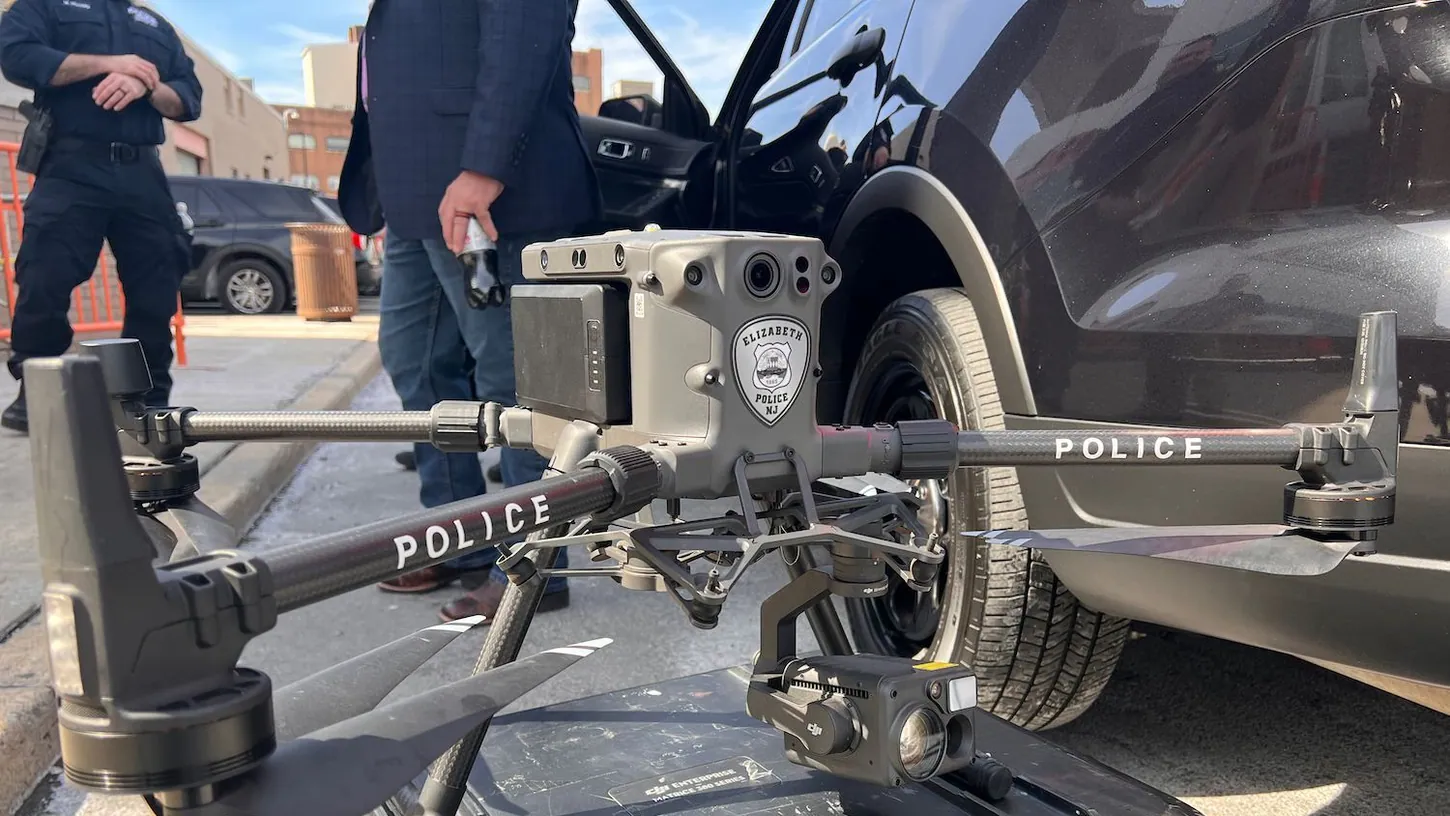
A ban on imports and sales of previously approved foreign drones in categories designated military-grade remains under consideration at the Federal Communications Commission, senior national security counsel Adam Chan said on The Drone Ultimatum podcast published October 30. The agency is reviewing comments and could allow a transition period if it imposes a ban, according to Chan, who leads its national security work and reports directly to Chairman Brendan Carr. Thermal, LiDAR, spray, swarming and docking drones fall within those categories, as does anything weighing 55 pounds or more.
Discussing a separate proceeding that addresses nine companies individually, Chan identified three of them: Xtra, Skyhigh and XAG.
New commercial drone investment following the FCC’s December action totals $5 billion to $6 billion, he told host Steven Simoni. Meanwhile, the proposal’s comment record, which contains DroneXL’s own filing, includes 1,701 filings responding to the FCC’s economic-impact question. Severe harm was described in 1,686 of those submissions.
A 180-Day Deadline Is Already in the FCC’s Proposal
Under the FCC’s July 21 notice, importing and marketing covered military-grade drones would end 180 days after publication of the order in the Federal Register. That timetable is already proposed in writing; Chan’s podcast comments went only as far as “maybe there would be a transition period of some time.”
At about 34 minutes into the interview, Chan made that comment and said exceptions, including Blue UAS, would remain available. The distinction, as DroneXL explained in July, is between drones owners already possess, which the proposal leaves untouched, and drones that can still enter the country and be sold.
In proposing 180 days, the notice contrasts that schedule with the far shorter one the FCC adopted in June. The legacy covered-equipment prohibition became effective July 16, ten days after publication in the Federal Register. DroneXL described it in its July 5 coverage as the template for ending DJI grandfathering. The reason for allowing more time for the drone categories, the notice says, is to “permit an orderly transition.”
For most commenters, even that was not enough time. Pilot Institute, a DroneXL partner, coded all readable filings in PS Docket 26-189. After the bureau refused to extend the deadline, that docket closed September 2 with 3,829 comments. The 180-day window drew responses in 443 filings, of which 439 sought more time through a phase-in, grandfathering, a sell-through window or a waiver process.
Why XAG’s Place in the Nine-Company Proceeding Is Different
Chan’s references to “Extra” and “Skyhigh” identify Xtra Technology and Skyhigh Tech. A July 17 notice in PS Docket 26-184 proposes cutting off previously authorized equipment from nine companies, including those two. Farm drone manufacturer XAG is also included, but the notice makes no allegation that its drones duplicate DJI hardware.
According to the notice, public reporting points to the other eight companies’ equipment copying products from companies named in section 1709 of the 2025 defense bill. That provision covers DJI and Autel, and the notice reaches a tentative conclusion that the equipment is covered. Five Xtra FCC IDs appear in its list of section 1709 communications and video surveillance equipment. The notice says those eight companies did not answer the Enforcement Bureau’s letters of inquiry; on July 10, they received proposed fines of $25,000. DroneXL’s coverage of Cogito, Fikaxo and Spatial Hover appears in the footnotes.
Unlike those companies, XAG did reply. According to the notice, the Enforcement Bureau contacted XAG on April 9 because it had not supplied updated U.S. agent information, then extended the response deadline to May 26. XAG requested another 60 days for two questions on May 21, saying Chinese export controls may apply to the answers and that a Ministry of Commerce ruling was needed to determine whether Chinese law allowed it to respond. The failure to update its U.S. agent information led the FCC to temporarily defer XAG’s grantee code, 2A46G, on July 16. Citing XAG’s acknowledgment in its response that its manufacturing facilities are in a foreign country, the notice proposes treating its drones as covered foreign-produced equipment. The comment period in 26-184 ended August 31.
The FCC’s July Investment Total Was Below Chan’s $5 Billion to $6 Billion
Since the December action, commercial drones have attracted $5 billion to $6 billion in new investment and more than 5,000 jobs, according to Chan. By comparison, the FCC’s July fact sheet reported over $4 billion going to U.S.-based drone and related production companies, along with thousands of jobs. No breakdown accompanied Chan’s figures in the interview.
In Chan’s assessment, the drone industry does not appear destroyed. He said a couple dozen companies with onshoring plans have passed through the Pentagon’s conditional approval process. He also credited cooperation from the big e-commerce companies with helping Operation Clean Carts, the FCC’s e-commerce-site sweep, remove about 4 million listings for problematic devices.
The picture for spray drones is different. According to the American Spray Drone Coalition, U.S. spray drone sales declined 59% in 2025, reaching about 3,711 units. The coalition attributes that decline to a Customs and Border Protection hold on DJI shipments dating to October 2024, before the FCC’s action. In 26-189, it requested that the FCC exclude FAA Part 137 spray drones from the ban.
DroneXL’s Take
To me, no number in this proceeding matters more than the 180-day window. Chan’s “maybe” struck me as less definite than what his own agency had already put in its notice. For dealers with thermal and spray drones in U.S. warehouses, the sell-through period determines what happens to that stock; 439 of the 443 filings addressing the issue called for more time. Chan measured the industry’s position on the podcast in investment and jobs, and $5 billion is a substantial sum for American makers. That measure, however, offers no answer to the 1,686 filings describing severe harm to the operators using these aircraft. If the bureaus approve the ban, my view is that the order should allow the extra time those 439 filings sought. Dealers who legally stocked these drones should not be stranded with inventory they are barred from selling.
Sources: The Drone Ultimatum, FCC DA 26-758, FCC DA 26-742, FCC fact sheet, Pilot Institute docket analysis
DroneXL uses automated tools to support research and source retrieval. All reporting and editorial perspectives are by Haye Kesteloo. Read our editorial standards.


