Neros Technologies says the Pentagon is getting a small stake in the company in exchange for the conditional loan commitment of up to $450 million its Office of Strategic Capital signed on Monday, November 2, and that the government gets no voting or decision-making rights with it. Ross Pedersen, the company’s head of growth, gave that description to Tectonic Defense on Tuesday, a day after Neros’s website said the deal gave the American taxpayer an ownership stake and OSC’s release said nothing about one.
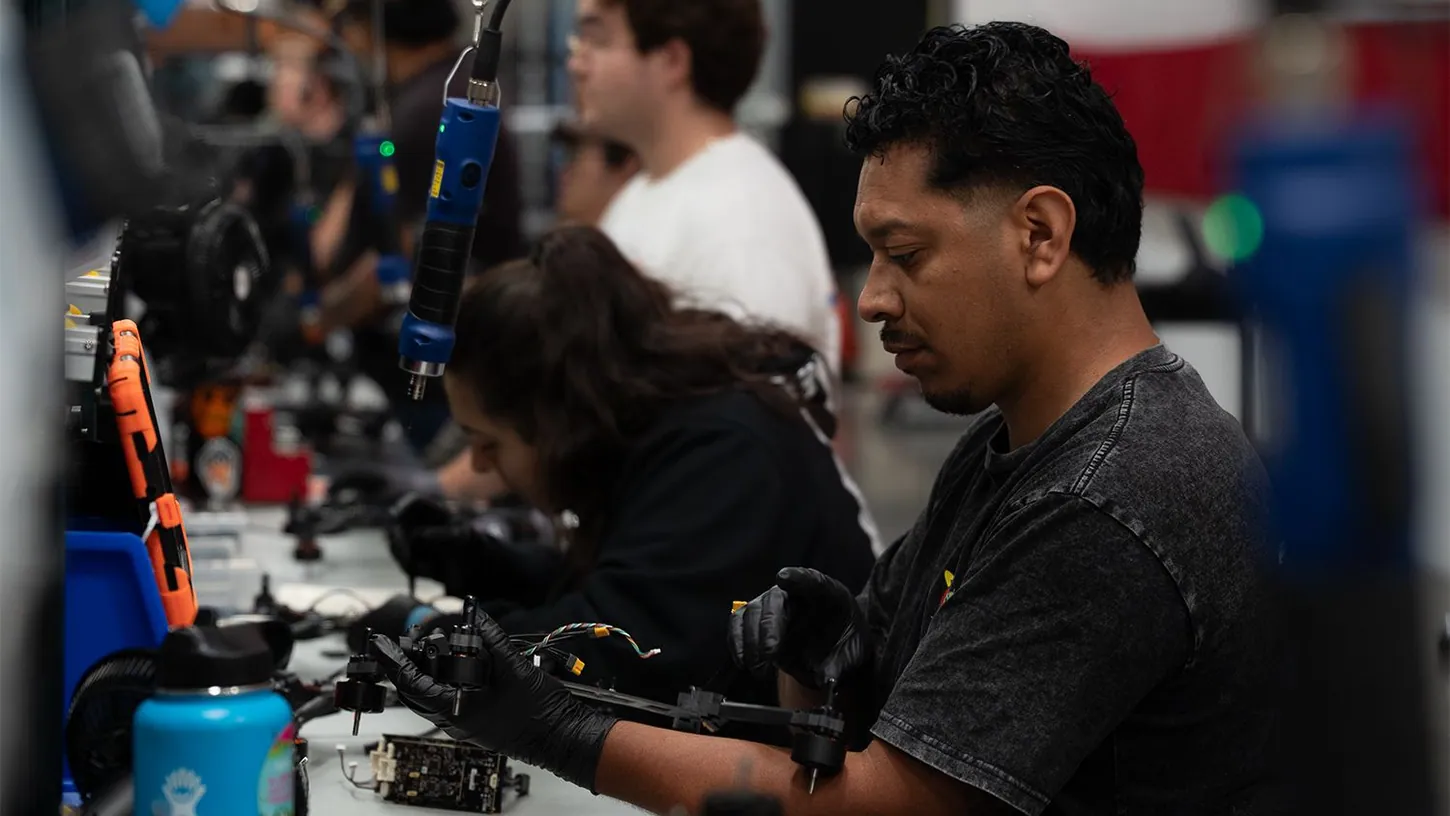
Pedersen also said the first motors Neros builds itself came off the line last week, with flight electronics, sensors and batteries to follow. The loan, plus $165 million of Neros’s own equity, pays for that component push at the company’s factory in Torrance, California.
OSC’s release describes a loan made alongside private capital and nothing else, and neither side has said how large the stake is, what form it takes, or what the loan’s interest rate, term and repayment schedule are.
Neros Technologies (@neros_tech), November 2, 2026
Neros Has Described The Stake Three Ways In Two Days
Neros’s website called it an ownership stake for the taxpayer on Monday. Defense Daily reported the same day that the commitment included an equity stake, with Neros calling it small. On Tuesday Pedersen added the voting detail to Tectonic Defense, which headlined it as the Pentagon taking a stake.
OSC’s release does not use the words stake, equity or ownership, and the PR Newswire copy of Neros’s own release dropped the ownership clause. So far the only party describing a government shareholding is the borrower, and it has done so in an interview and a web page. Equity was on the table in May, when the Wall Street Journal reported OSC weighing debt-and-equity financing for Neros, PDW and Unusual Machines, and PDW’s $820 million commitment in July came as a plain loan.
Neros Motors Are Off The Line, With Electronics And Batteries Next
Neros built its first in-house motors last week, Pedersen said, and internal electronics, sensors and batteries come afterward. OSC wants Torrance to sell those parts to other U.S. and allied drone makers too, and the Army alone wants 50,000 domestic brushless motors by the end of fiscal 2027.
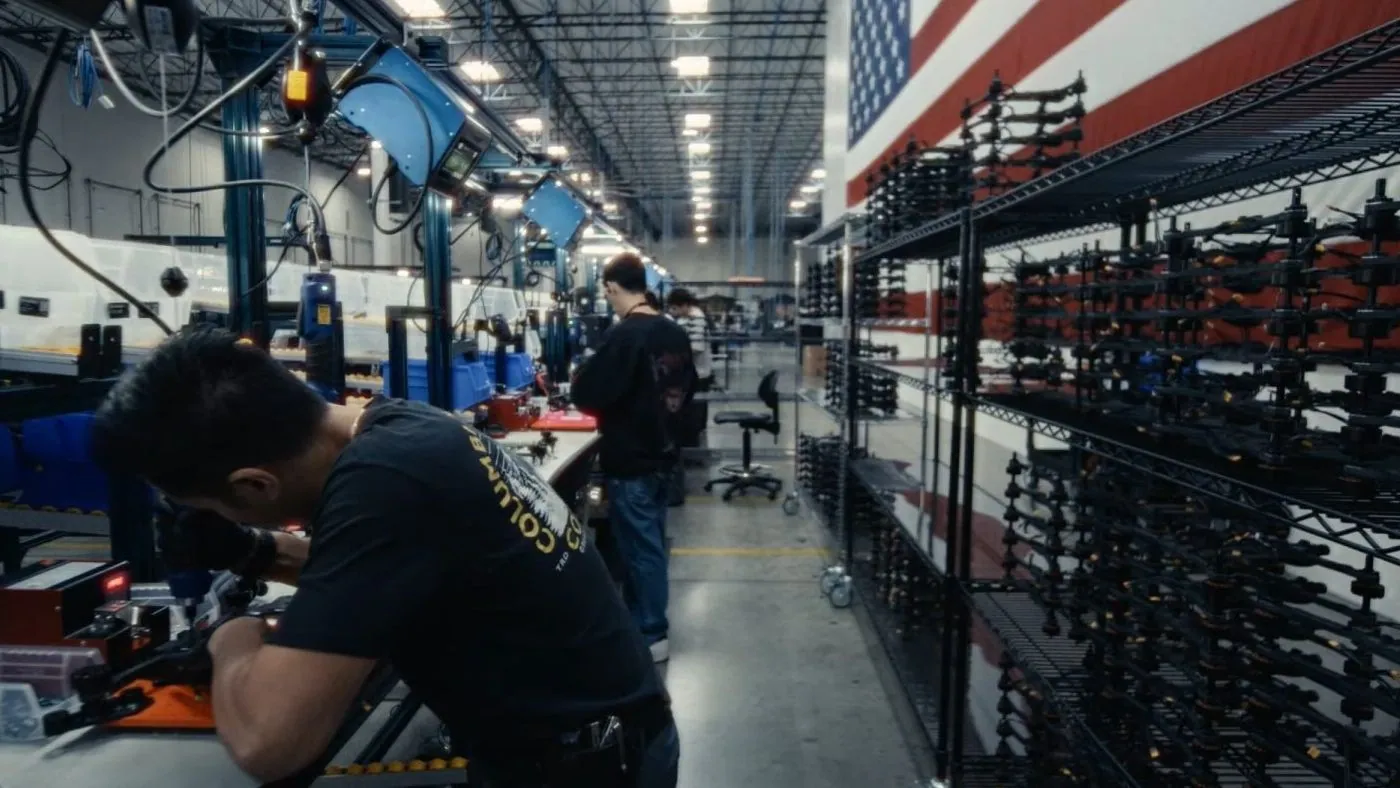
Neros moved into the 250,000-square-foot (23,226-square-meter) Torrance building it calls Millennium One in February, from a 15,000-square-foot (1,394-square-meter) facility in El Segundo it had opened in 2024, Manufacturing Dive reported.
Batteries are the component with a legal deadline attached. A fiscal 2026 National Defense Authorization Act provision, now 10 U.S.C. 4865, requires the Pentagon to buy advanced batteries whose cell components come from outside any foreign entity of concern, a category that covers Chinese companies, for every new acquisition program from January 1, 2028. The FCC had already put foreign-made drone batteries on its Covered List in December 2025. Neros already builds the Archer without Chinese parts, so the loan moves parts it currently buys from compliant suppliers onto its own floor.
Neros’s Growth Chief Asks Who Buys The Drones After Drone Dominance
The Drone Dominance Program ends next year. It intends to buy more than 200,000 small drones by 2027, and it has been the only high-volume buyer American makers have had. Pedersen told Tectonic that “once Drone Dominance ends, there really is no budget anywhere for small UAS.”
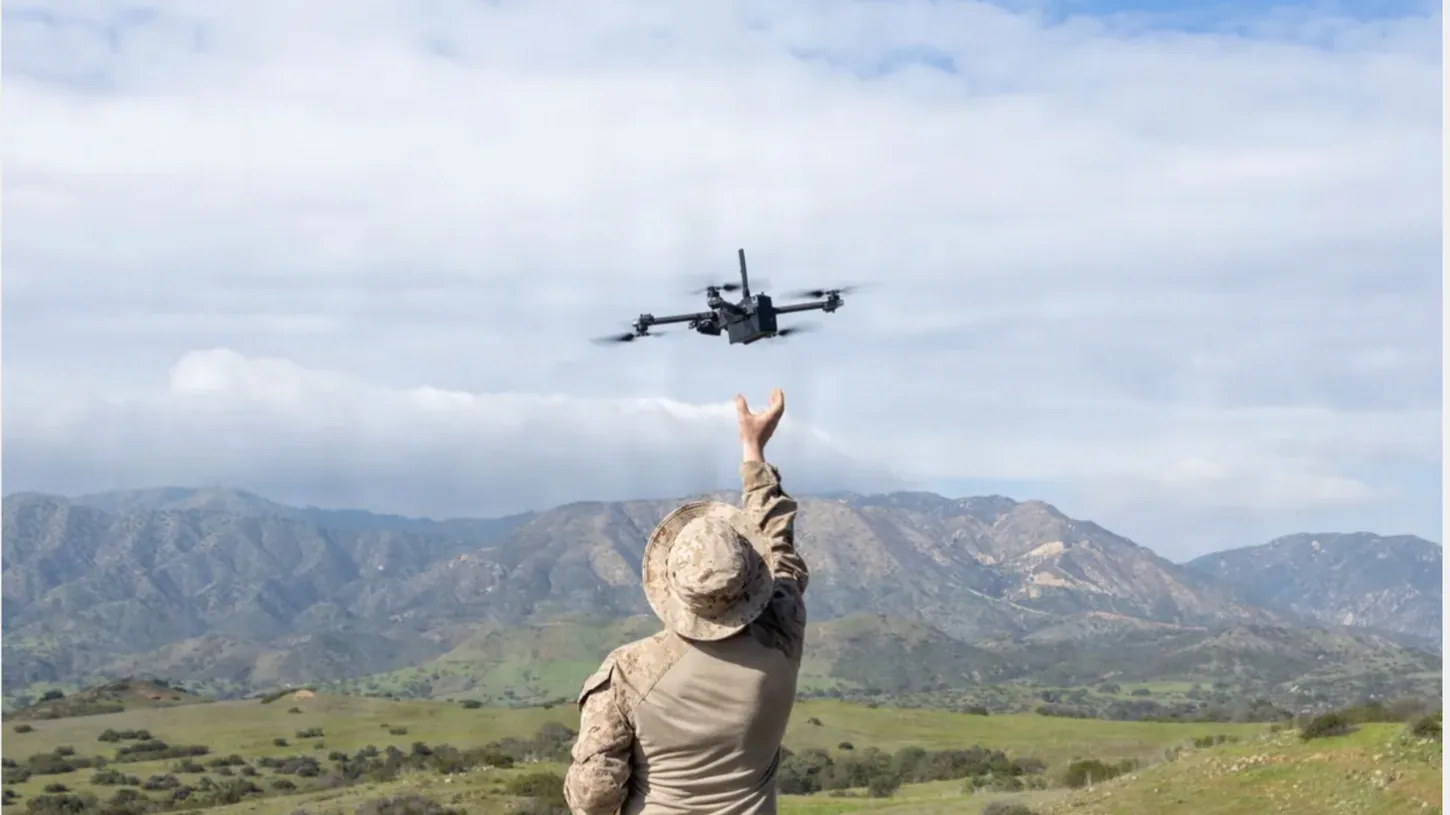
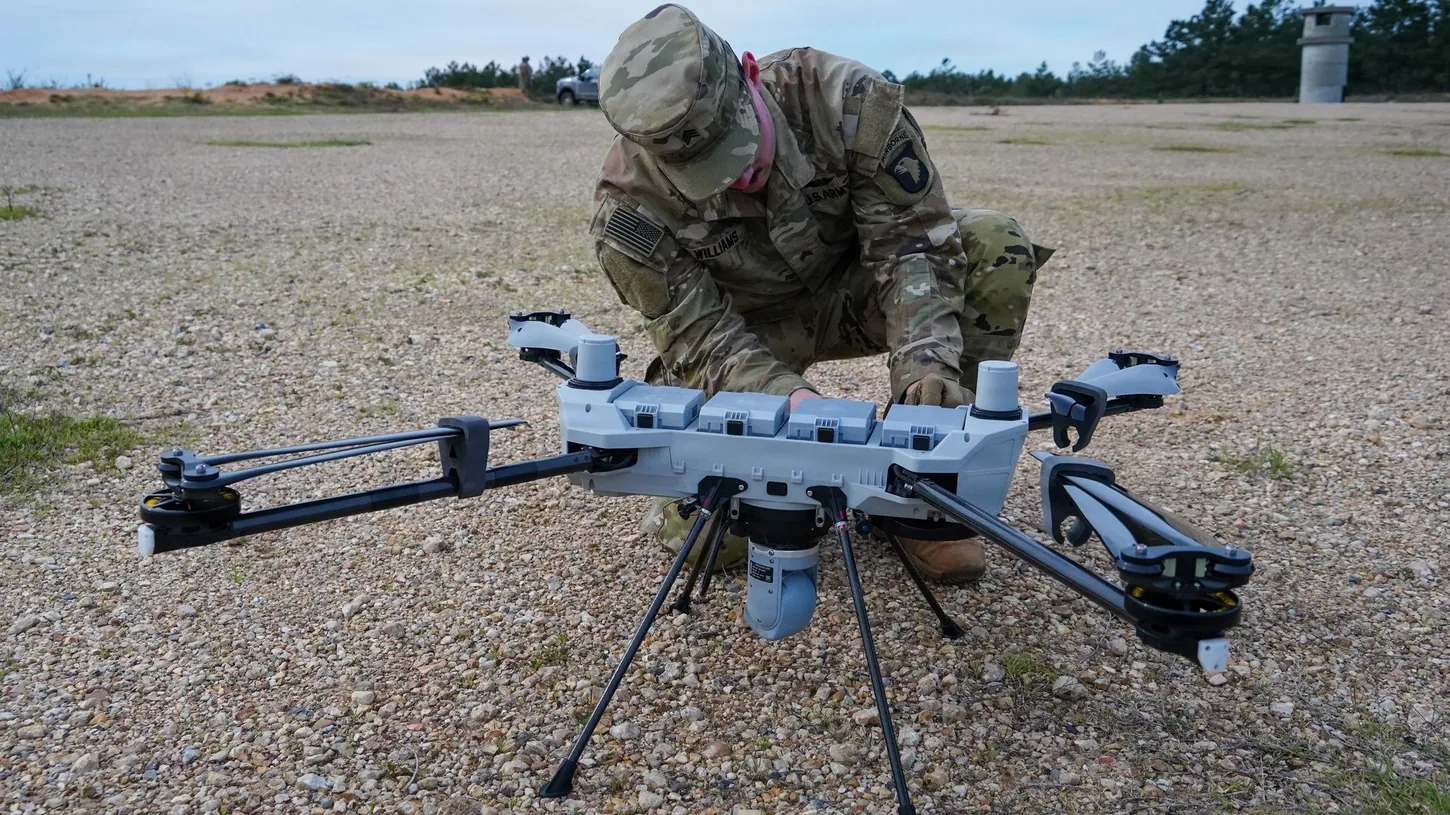
Neros placed on both Gauntlet II leaderboards and took a 14,000-drone order worth more than $100 million after Gauntlet II in September, plus 800 drones rivals failed to deliver on time, and it holds an Army contract with a $500 million ceiling for Archer drones. A ceiling is permission to order, not an order.
The program’s next round, Gauntlet 2.5 for bomber drones at Camp Grayling, Michigan, was postponed to early November in an October 9 notice that promised final dates within a week, and none have been posted since. Gauntlet 3 follows about six months after Gauntlet 2, and each company reaching it first has to deliver a 400-drone production order. The program’s site lists a Gauntlet 4 roughly six months after that as the final competition.
DroneXL’s Take
Pedersen just made the argument I made on Monday better than I did. Washington is, on Neros’s account, about to become a shareholder in a drone maker whose entire order book Washington controls, and the same department has not written a small-drone procurement line that outlasts the competition it is running. A government that owns a piece of the supplier and then stops buying has built a factory with no customer and put taxpayers on the cap table of the result.
The counterargument is that Drone Dominance was always a bridge, and that the services were supposed to pick up buying through the Army marketplace and programs of record once the competition proved who could ship. Neros proved it. The Pentagon’s own two-year target, as Bloomberg reported last week, is still a fraction of what Neros alone says it can build, so the bridge lands on nothing yet.
My read is that the stake and the budget gap are the same problem. If OSC wants equity in Neros, it should publish the terms before financial close, and the department should say which budget line buys the million drones a year it is lending money to produce. Watch for the Gauntlet 2.5 dates the program owes industry, and watch whether the fiscal 2027 request that Congress is still holding names small UAS at all.
Sources: Tectonic Defense, Office of Strategic Capital, US Department of War, Neros, Defense Daily, Manufacturing Dive, Drone Dominance Program.
DroneXL uses automated tools to support research and source retrieval. All reporting and editorial perspectives are by Haye Kesteloo. Read our editorial standards.