Eight months after the FBI warned California police that Iran had “allegedly aspired” to launch drones at the state from a ship off the coast, no Iranian drone has reached the United States. The war is still running. President Trump said on November 6 that the U.S. had struck Iranian air defenses again, and Tehran is weighing a Qatari proposal to end it.
The homeland drone incidents of those eight months have been tied to no one, Iran included. Drones flew over Barksdale Air Force Base in Louisiana for a week in March. Fifteen spray drones left a New Jersey warehouse on forged paperwork. Northern Command’s deputy commander said in August that he could not stop a swarm launched inside the country, and an Army counter-drone laser now guards Mar-a-Lago.
The White House called the Iran story false the day after it ran. No agency has publicly said who flew the Barksdale drones.
The White House Answered the Iran Story Within a Day
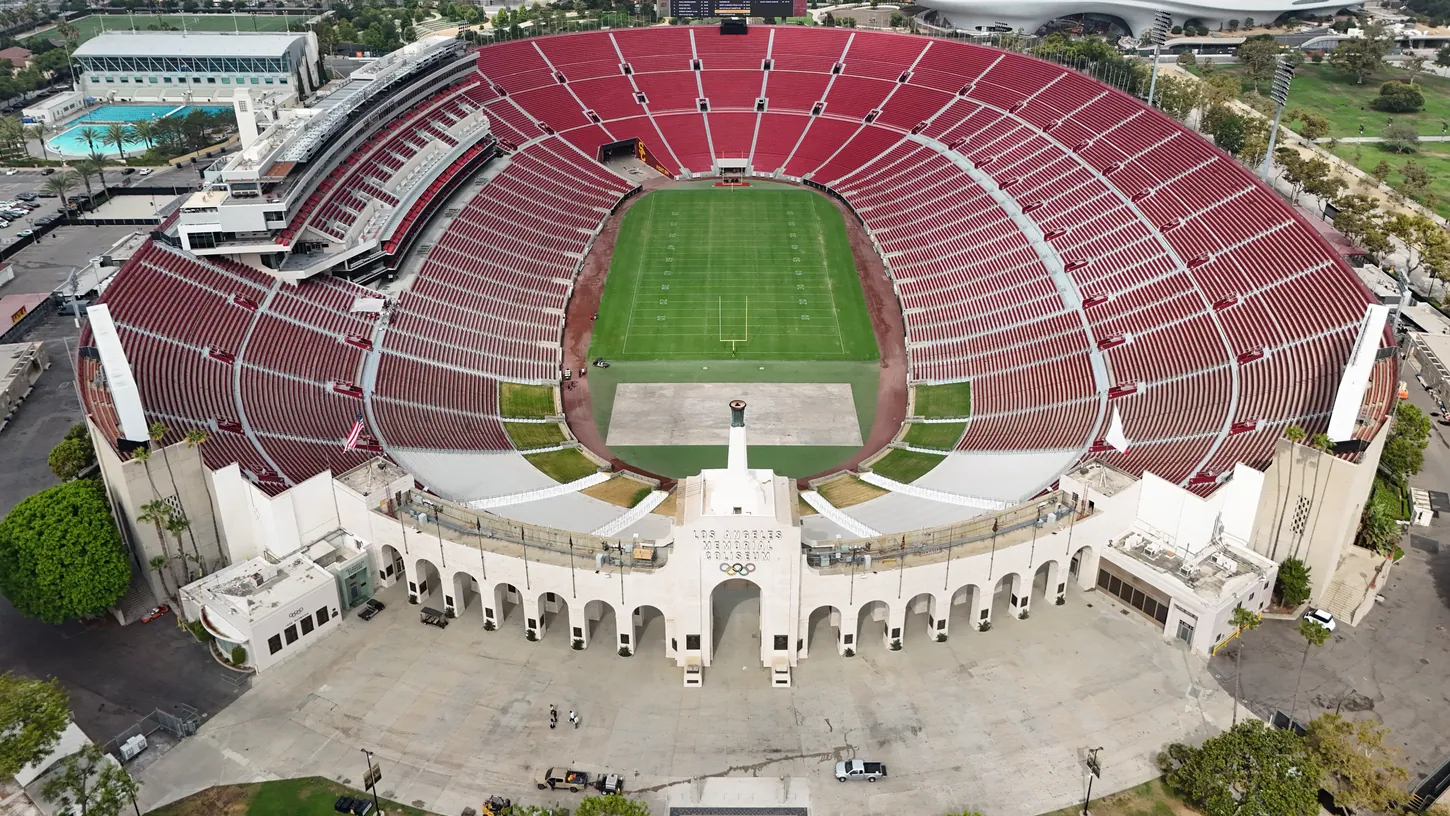
The FBI’s Los Angeles Joint Regional Intelligence Center sent the bulletin to California police at the end of February. It said Iran had allegedly aspired, as of early February, to hit unspecified California targets with drones from an unidentified vessel if the U.S. struck first. It called the information unverified.
The bulletin said the FBI had nothing on timing, method, target or perpetrators. ABC News surfaced it on the night of March 11, twelve days into Operation Epic Fury, and its first version left out the word “unverified.” The FBI’s public affairs director, Ben Williamson, said so publicly. White House press secretary Karoline Leavitt demanded a retraction on March 12 and wrote that “no such threat from Iran to our homeland exists, and it never did.” ABC added the full bulletin text and an editor’s note that day. Gov. Gavin Newsom said there was no imminent threat to the state.
The denial held up. I wrote on March 12 that the story would be a footnote by April 15, and it was. Iran’s drone carrier, the converted container ship Shahid Bagheri, was hit in the opening hours of the campaign, according to U.S. Central Command, and the footage CENTCOM released on March 5 shows it burning. Nicole Grajewski of the Carnegie Endowment told ABC that Iran “does not have the range to do this.” The same pattern played out in December 2024, when the Pentagon denied a congressman’s claim that an Iranian mothership was launching the New Jersey drones.
The Drone Cases That Did Happen Have No Public Attribution
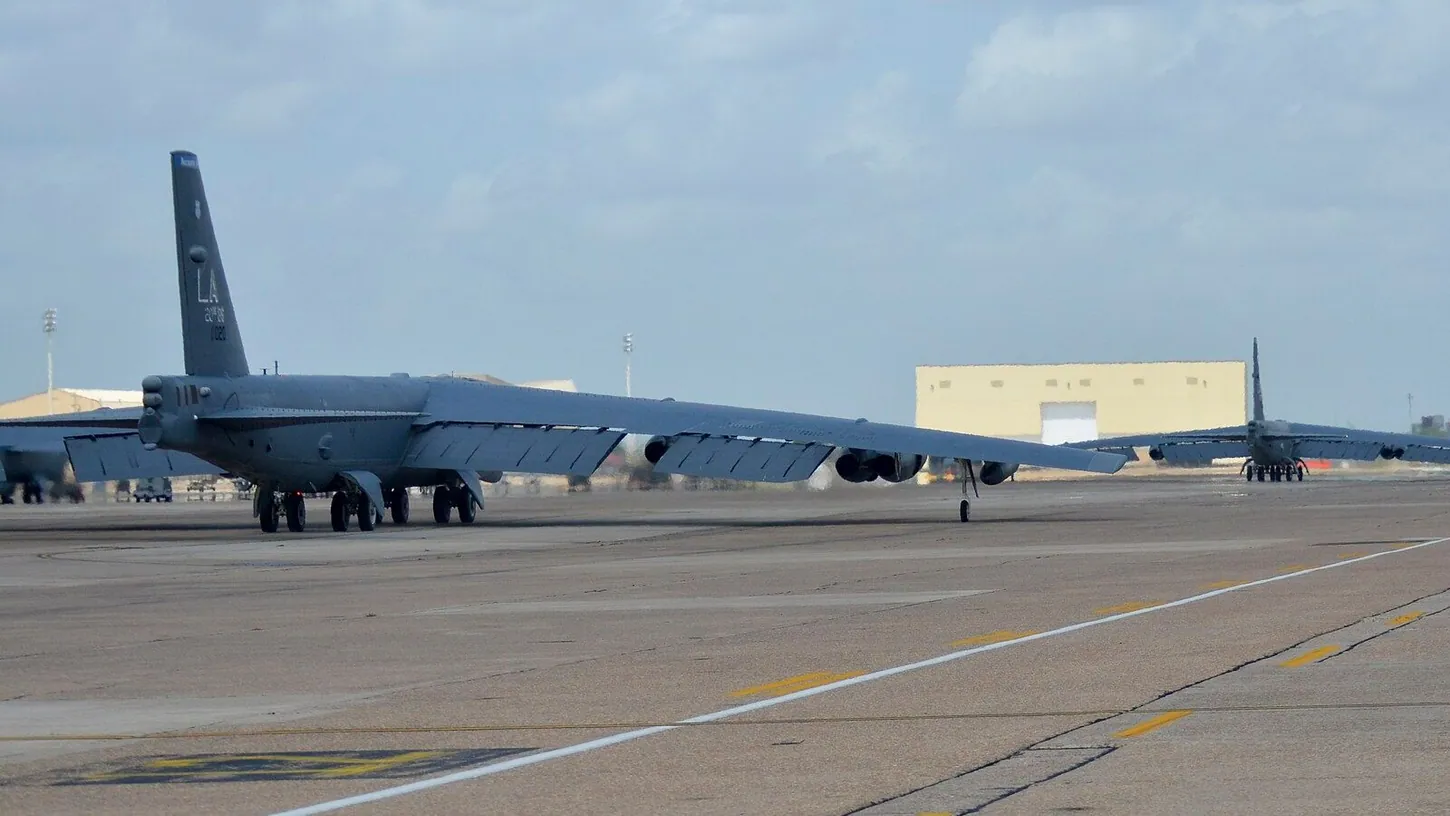
Barksdale’s security forces counted multiple waves of 12 to 15 drones over the flight line between March 9 and 15, according to a March 15 briefing obtained by ABC News. It described non-commercial signals, long-range control links and resistance to jamming.
The base issued a shelter-in-place order on March 9, and the briefing said incursions like these require the flight line to be shut down. The base hosts B-52H bombers and the headquarters of Air Force Global Strike Command, and the command disputed parts of the coverage on March 31, saying operations from Barksdale “continue unabated” while a federal investigation runs. Sen. Bill Cassidy said after an unclassified briefing on March 27 that there had been “five or so at Barksdale from the 9th through the 15th,” one by a hobbyist and four of unclear origin, and that two recovered drones might not be connected to the incursions.
The only charges publicly reported since came in October, when prosecutors in Shreveport indicted Fuad Mousa Naji for flying an unregistered DJI Air 3 near the base from March 22 to 26. That period starts a week after the incursions ended, and neither local report on the indictment connects his Air 3 to the jamming-resistant aircraft in the briefing. He is due in federal court on December 2, and an indictment is an accusation: he is presumed innocent unless proven guilty.
In New Jersey, someone presented a forged bill of lading at CAC International in Harrison on March 24 and drove off with 15 Ceres Air C31 spray drones worth $58,000 each. Warehouse workers in Dover found them a month later. New Jersey State Police recovered all 15 on April 27 with Homeland Security Investigations and Customs and Border Protection assisting, and announced no arrest. As of November 8, none has been reported in news coverage of the case.
Northcom Cannot Stop a Swarm, and a Laser Now Guards Mar-a-Lago
Army Lt. Gen. Joseph Jarrard, deputy commander of U.S. Northern Command, told a Huntsville symposium on August 13 that his command could not defend the country against a drone swarm launched inside its borders, and he called detection the harder half of the problem.
His command is now trying to tie military radars into systems local police already run. “We are ill-equipped right now to handle something like that,” he said, in remarks reported by The War Zone. Gen. Gregory Guillot had told Congress in March that Northcom defeated about a quarter of the drones it detected over installations and had one deployable counter-drone fly-away kit. Those kits are now at Mar-a-Lago, alongside Avenger missile launchers and an AeroVironment LOCUST laser photographed on October 31. NORAD confirmed the deployment at the Secret Service’s request and would not describe the threat, and the Secret Service said only that it is operating in a heightened threat environment. The FAA’s restriction over the estate warns drone operators that their aircraft may be destroyed.
At the border, Joint Task Force-Southern Border says it defeated more than 300 drones this year. Since February, the targets of only two engagements have been identified in public: Mylar party balloons and a Customs and Border Protection surveillance drone.
DroneXL’s Take
The Iran bulletin got the fastest and loudest answer any homeland drone question has received this year, and it was the one question that did not need one. A single unverified tip in a contingency memo drew a retraction demand from the White House podium. The drones over a nuclear bomber base drew a shelter-in-place order, a senator’s briefing, a fact-check from the command and, eight months later, no name.
Leavitt was right on the merits. Iran had no way to put a Shahed over Los Angeles, and the drone carrier that might have tried was on fire by March 5. Barksdale is also a live federal criminal investigation, and investigators who name uncharged suspects lose cases. But the same government found a way to say, within hours, exactly what it knew about a threat that did not exist, and in eight months it has not told the people living under Barksdale’s flight paths whether the aircraft that briefing called jamming-resistant were hobbyist drones or something else. My read is that the speed of an answer tracks who is embarrassed by the question, and in March that was a television network rather than the Air Force.
The next date on the record is December 2, when Naji appears in Shreveport. Prosecutors there have not said what his Air 3 has to do with the week before his charged flights, if anything. I suspect the answer is nothing, and that the four flights Cassidy could not account for are still the whole story.
Sources: ABC News, Mediaite, CNN, Naval News, KSLA, March 27, KSLA, March 31, The Shreveport-Bossier City Advocate, The War Zone, Associated Press via CP24, New Jersey State Police.
DroneXL uses automated tools to support research and source retrieval. All reporting and editorial perspectives are by Haye Kesteloo. Read our editorial standards.