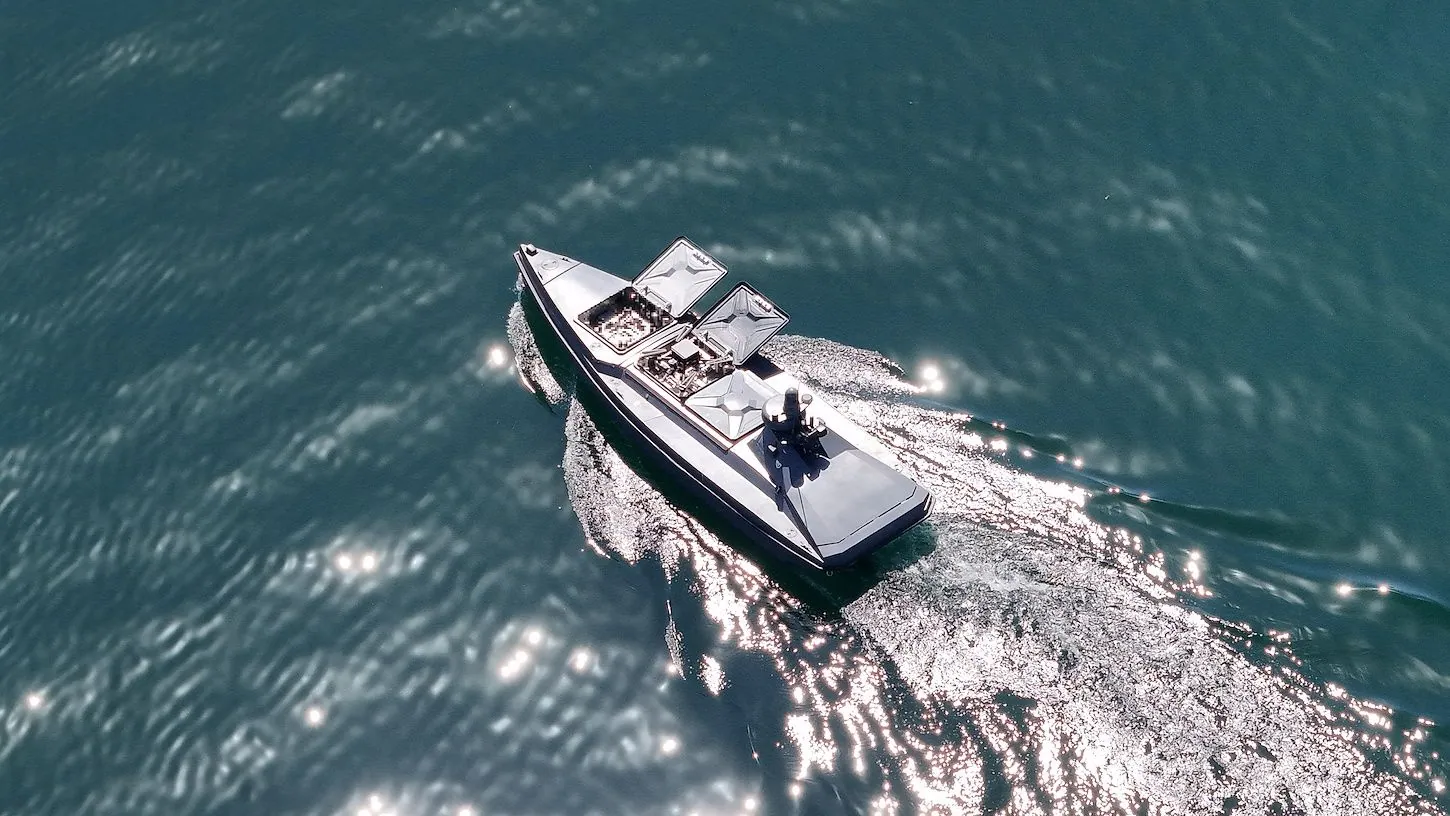
Ukraine’s defense-tech cluster Brave1 and the Ministry of Defense have tested Mavic-type reconnaissance drones from nine Ukrainian manufacturers, and the makers whose aircraft proved combat-ready are now moving to contracts to supply military units. The ministry announced the result and its requirements on November 12, and Brave1 followed with its own account a day later.
Those requirements go past the drone being replaced. Ukraine wants at least 60 minutes in the air and a drone that keeps working under jamming and without GPS. DJI rates the Mavic 3 Pro at 43 minutes and the Mavic 4 Pro at 51. In January, Defense Minister Mykhailo Fedorov promised troops a Mavic analogue with the same camera and a longer flight range. Ten months later, neither Brave1 nor the ministry has named any of the nine companies or said how many of them passed.
Brave1 Sets a 60-Minute, GPS-Free Bar for Mavic Replacements
Brave1 lists four requirements for a Ukrainian alternative: resistance to electronic warfare, meaning flight under jamming and without GPS, at least 60 minutes of flight time, control at greater distances so operators can sit somewhere safer, and an interface soldiers already know so nobody needs lengthy retraining.
The trials evaluated the nine entrants on electronic-warfare resistance, video and data transmission, flight time and other frontline capabilities, according to Brave1’s account of the tests. Brave1 ties the tougher spec to the front itself. The kill zone keeps widening, so units need drones that stay up longer and fly farther, and Brave1 says civilian drones are increasingly unable to do that.
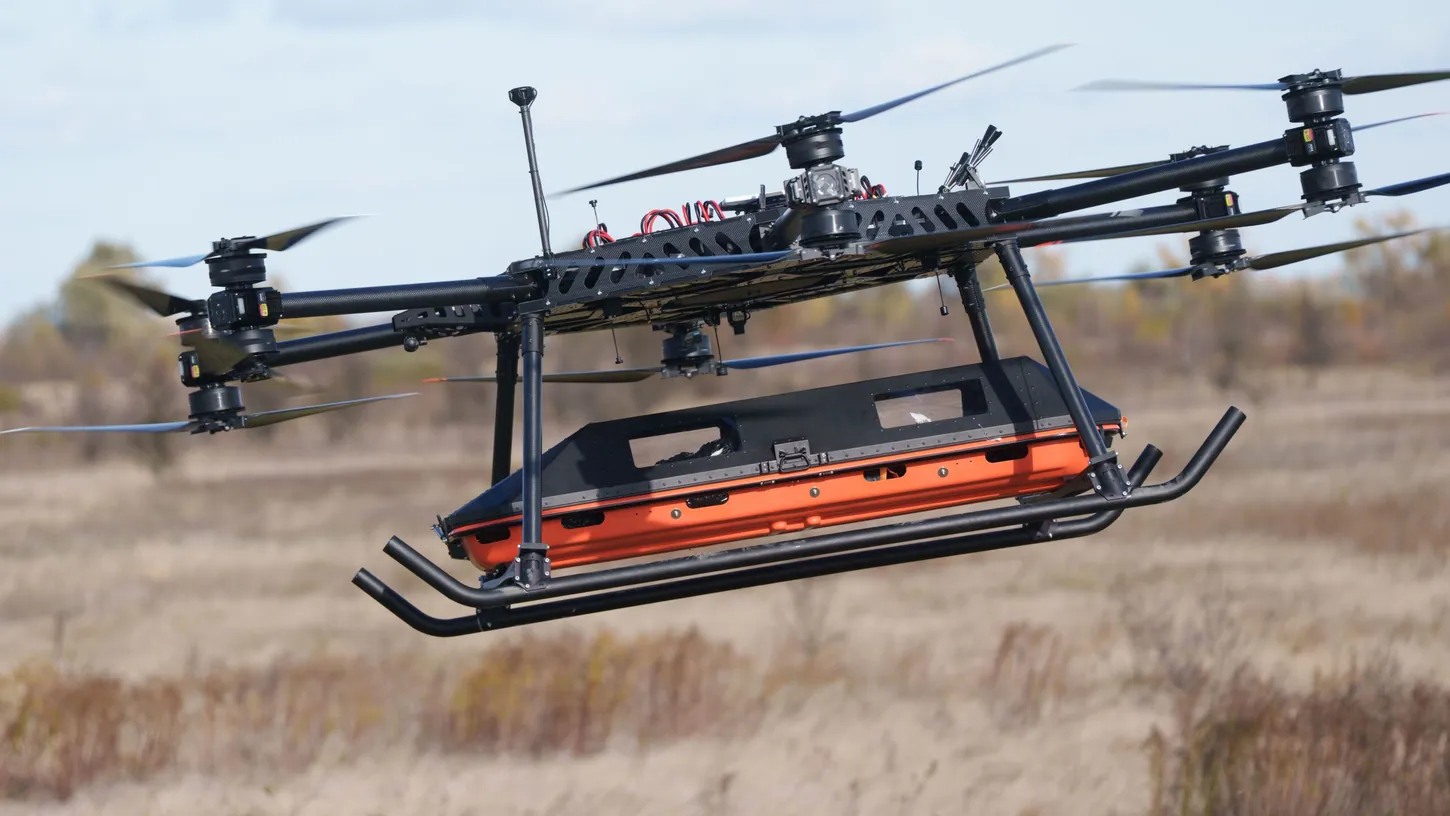
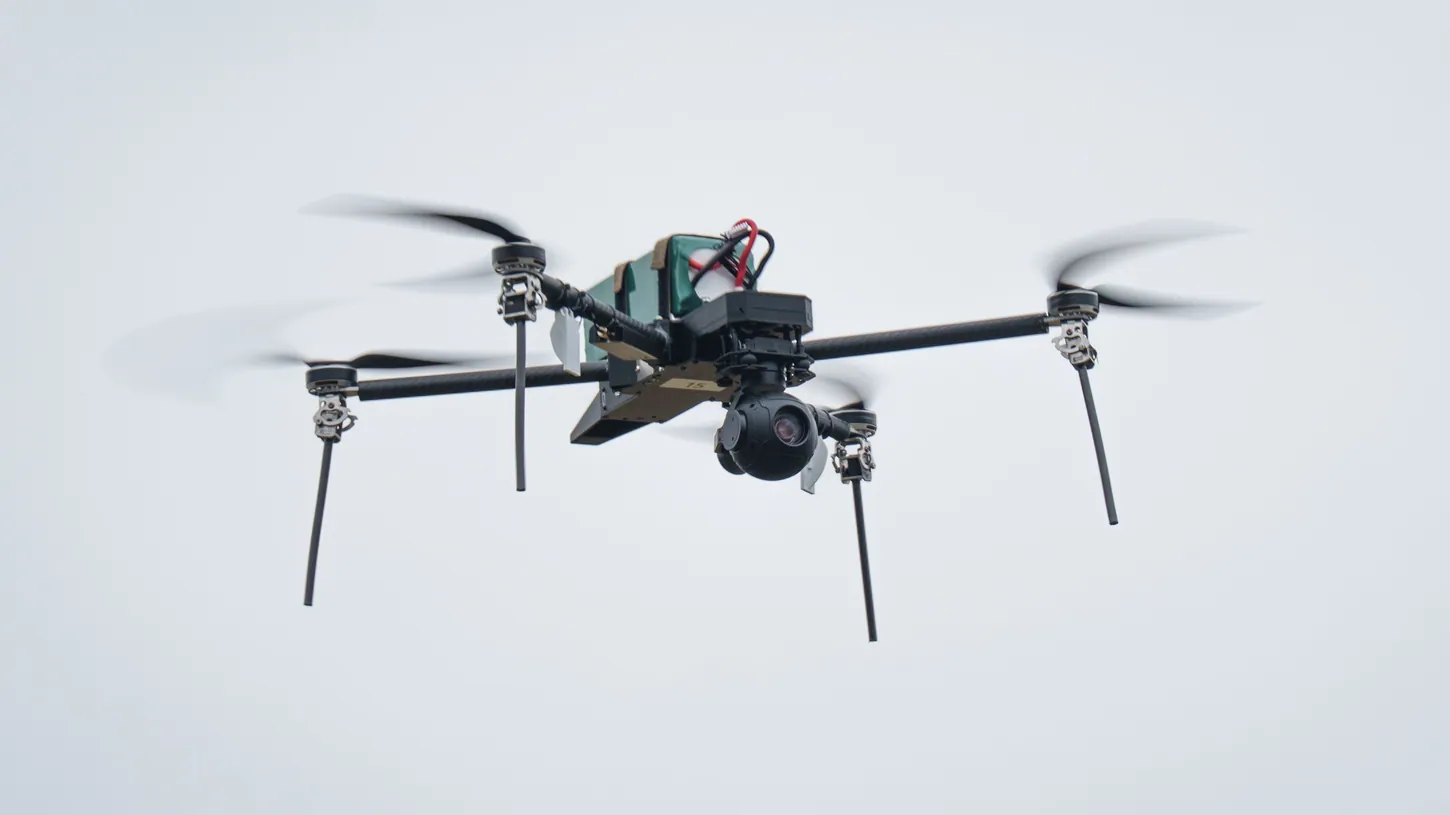
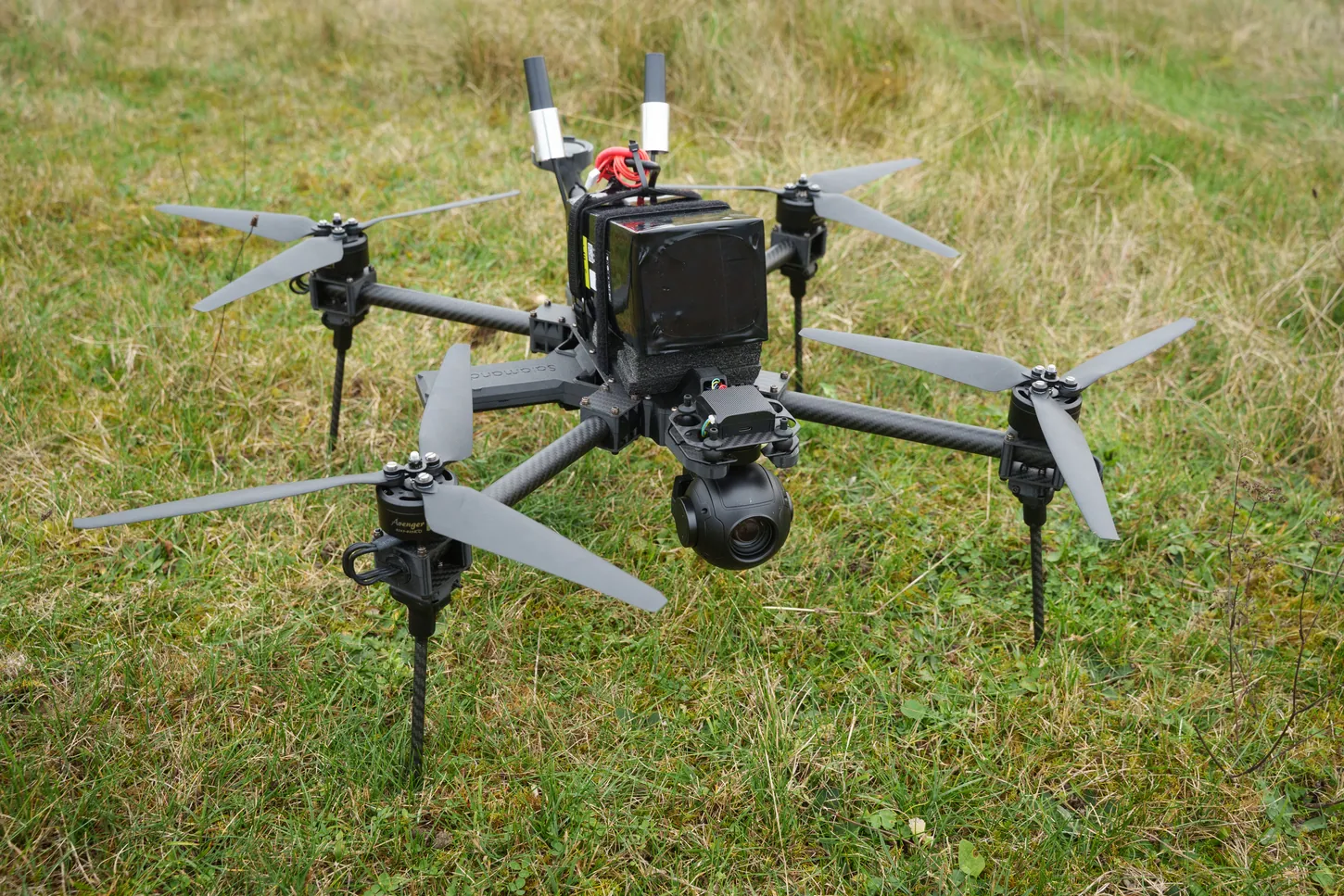
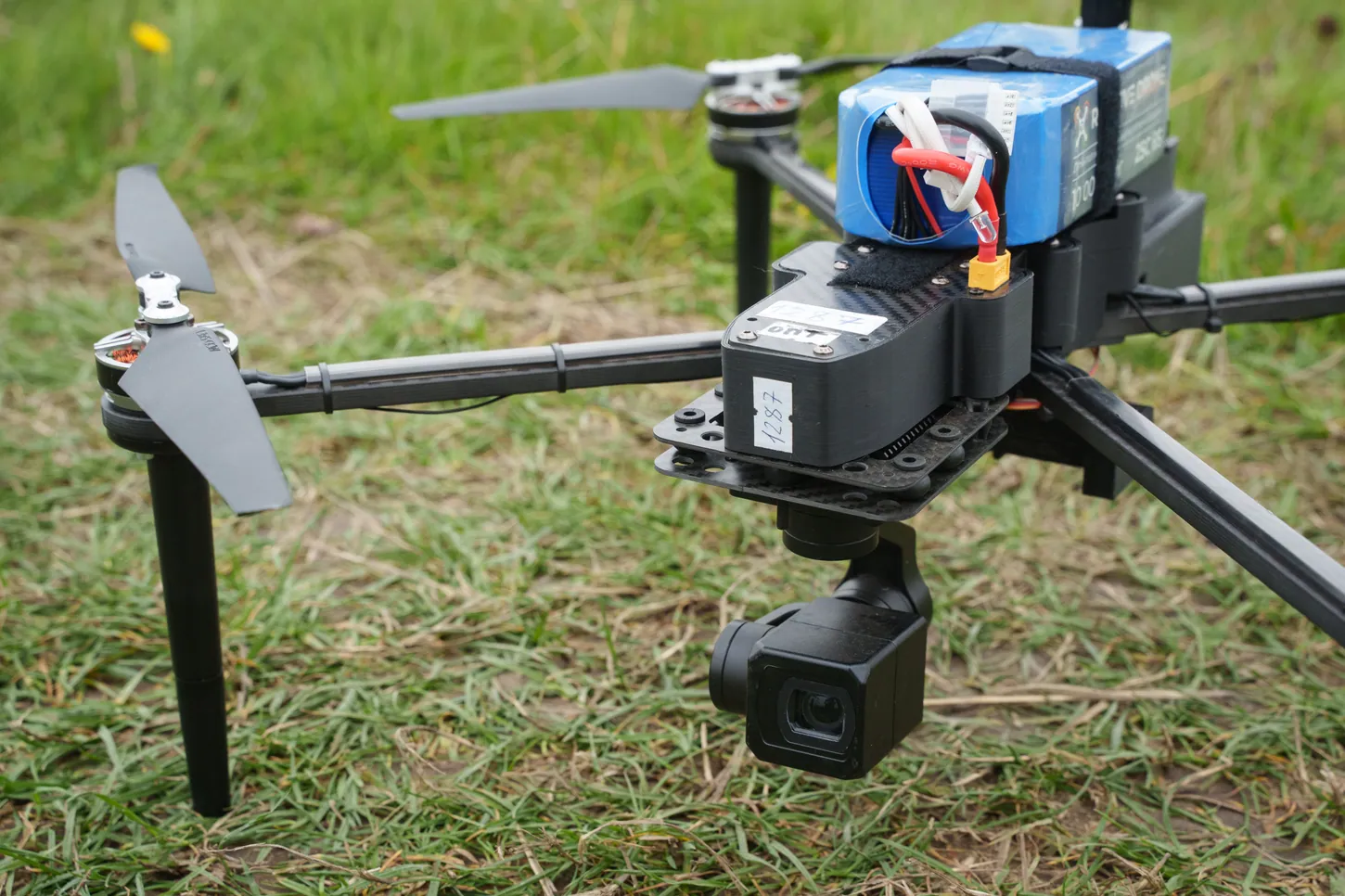
“The goal is not to create a simple copy,” Brave1 wrote. Several of the aircraft in its photos are open-frame quadcopters with a gimbal camera slung underneath and a battery pack strapped on top, though at least one white drone keeps a Mavic-like folding body.
Nine Makers Flew and Ukraine Has Named None of Them
Neither the Defense Ministry statement nor Brave1’s account says who the nine manufacturers are or how many showed combat readiness. Both also leave out the size and value of the coming contracts and where and when the drones flew. Brave1’s photos show no faces.
The effort is two years old. In November 2024, eight Ukrainian manufacturers showed their first Mavic replacements at a testing ground with the Ministry of Strategic Industries. One maker said its drone could stay up for an hour and fly about 25 miles (40 km). A Ukrainian motor cost about $150 at the time, against $70 for a Chinese one.
The pressure grew in 2025, when President Volodymyr Zelenskyy said China had halted drone sales to Ukraine while it kept supplying Russia. Ukrainian commanders already order drones with unit credits on the Brave1 Market, but both statements describe these contracts as Defense Ministry supply deals.
DroneXL’s Take
Ukraine made its own drones earn the job before giving it to them. Kyiv kept flying Mavics for two more years while its industry caught up, wrote a spec from what the front needs, and flew nine candidates against it before any contract. Washington went the other way last December, when the FCC put every foreign-made drone on its Covered List without the security audit Congress had allowed a year for. I argued then that the ban hurts American operators more than it hurts DJI. Ukraine is at war and buys from a country that also supplies its enemy, and it still tested before it switched. I’d want the names and the pass rate before calling these trials a success, because so far Ukraine has published a spec and no winners.
Sources: Brave1, Ministry of Defense of Ukraine, Brave1 on X
DroneXL uses automated tools to support research and source retrieval. All reporting and editorial perspectives are by Haye Kesteloo. Read our editorial standards.