
Putnam County Sheriff Brian Hess goes before the Putnam County Legislature’s Protective Services Committee tonight, November 18, to make the case for a Drone as First Responder (DFR) program. The meeting is at the Putnam County Office Building in Carmel, New York.
The money is already set aside. On October 28, the nine-member Legislature voted to hold the $312,000 Hess requested in contingency until he briefs lawmakers and the public on how the program would work.
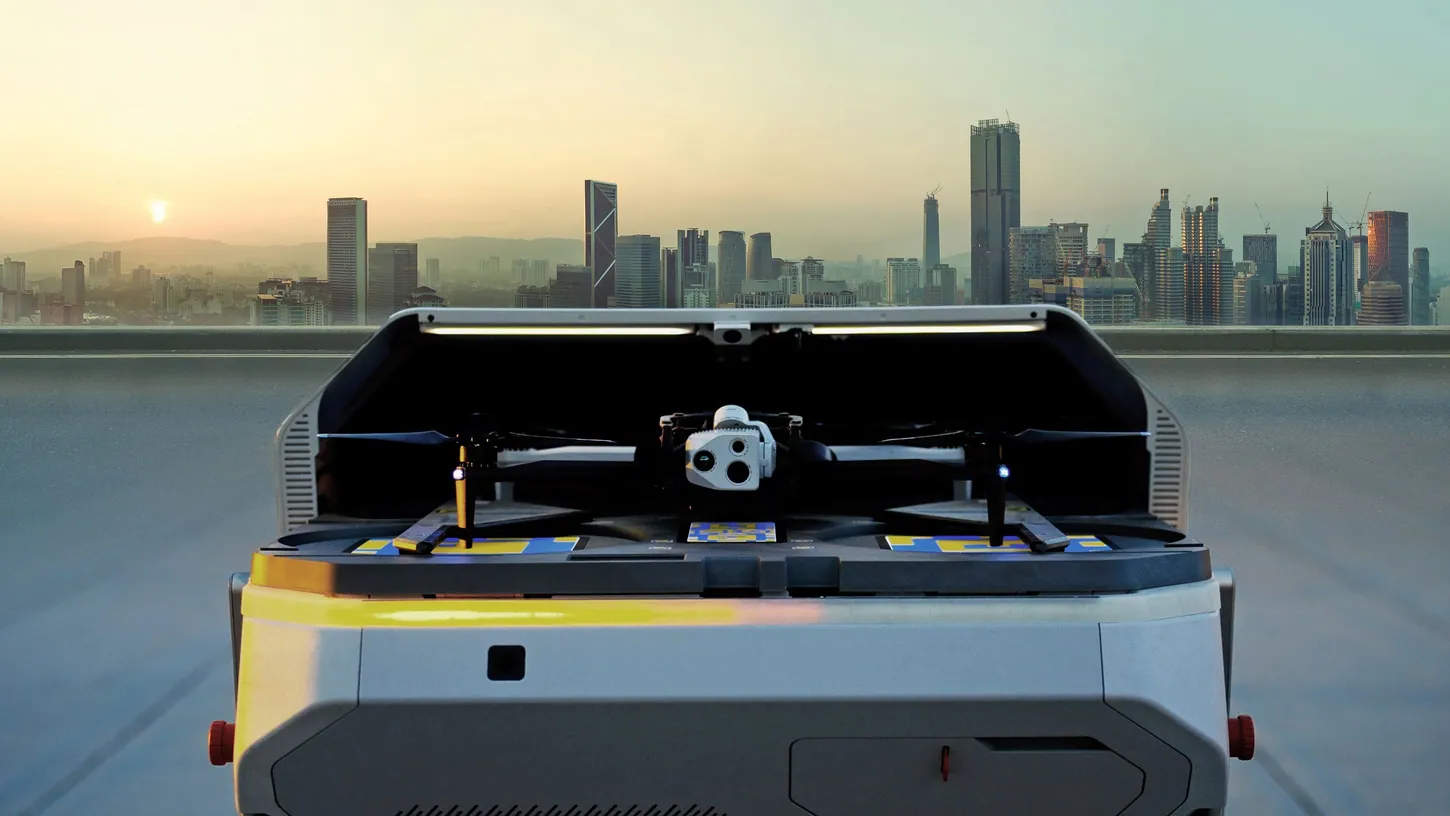
The proposed 2027 budget lists $60,000 for three drones made by Skydio.
Legislators Froze the Money Over License Plate Readers
Legislator Nancy Montgomery, who represents Philipstown and part of Putnam Valley, asked on October 20 to pull the drone money out of the sheriff’s operating budget. She pointed to license plate readers that earlier sheriffs installed, three of them in Philipstown, without public input, which left residents uneasy.
Montgomery had tried the same move at the October 8 Protective Services meeting, where Hess presented his budget. Her motion to put drone, license plate reader and surveillance spending into subcontingency failed, with Legislator Tommy Regan and Kent Legislator Toni Addonizio voting no, the Putnam County Press reported. She said the program “hasn’t been vetted in front of the public.”
Hess pushed back that night: “We don’t ask everyone’s opinion for everything we do.” By October 20 he had softened, telling legislators that if the public wanted more input, he was “OK with pushing this back,” according to The Highlands Current.
Hess Says His Drones Would Beat Deputies by More Than Nine Minutes
Hess says a dispatched drone can reach a scene in about 30 seconds. His deputies average 10 minutes, Mid-Hudson News reported. The drones would be dispatched ahead of any patrol car and relay live images to deputies while they are still en route.
The published numbers don’t line up neatly. The Highlands Current reports three Skydio drones in the budget at $60,000. Hess told the October 8 meeting the plan was six drones covering the entire county, and the Putnam County Press put the program at $276,000 in his budget presentation, not $312,000. None of the reports breaks down what the rest of the money pays for.
There is bigger money in play too. In May, legislators let the sheriff apply for a $2.5 million federal grant for a countywide drone fleet run from headquarters in Carmel. In August they approved a second application for a drone based in Philipstown for Hudson River emergencies.
Putnam’s Sheriff Is a Gap on the Hudson Valley Waiver Map
The FAA waiver list the Electronic Frontier Foundation obtained through a FOIA request, which DroneXL covered in August, names more than 1,000 agencies cleared between April 2025 and February 2026. It holds 96 New York applicants, and the Putnam County Sheriff’s Office is not one of them.
Its neighbors are. The list, published with EFF’s July report, includes the Dutchess, Rockland and Ulster county sheriffs, the Westchester County Department of Public Safety, Peekskill police and the New York State Police. The Carmel Police Department, which patrols the town where tonight’s meeting takes place, received its waiver on June 24, 2025. Putnam’s sheriff has no funded program yet for a waiver to cover.
Dutchess is the closest comparison. Its sheriff and district attorney launched a DFR program in June 2025 under a contract with Flock Safety, which also sells license plate readers. In September, Dutchess said it would stop using 65 Flock plate readers. In Rockland, Skydio CEO Adam Bry attended a Ramapo police DFR demo for the county’s town supervisors this spring.
DroneXL’s Take
Putnam should fund this program. A drone over a crash or a missing hiker 30 seconds after the call is drones for good, and I want Putnam deputies to have it rather than leave the county a blank spot between Dutchess and Westchester.
Montgomery is right about the order of operations, though. Putnam already learned what happens when plate readers go up before anyone asks, and Flock already sells its DFR camera on plate reads. The sheriff should walk in with a written policy on recording and retention, a promise of a public flight log, and a clear line that these drones don’t read plates. Maryland’s Montgomery County police had to win over residents before their council let them fly, and they now fly 12 DFR drones. If Hess brings those answers, the Legislature should release the $312,000.
Sources: Mid-Hudson News, The Highlands Current, Putnam County Press, Electronic Frontier Foundation FAA waiver records.
DroneXL uses automated tools to support research and source retrieval. All reporting and editorial perspectives are by Haye Kesteloo. Read our editorial standards.


