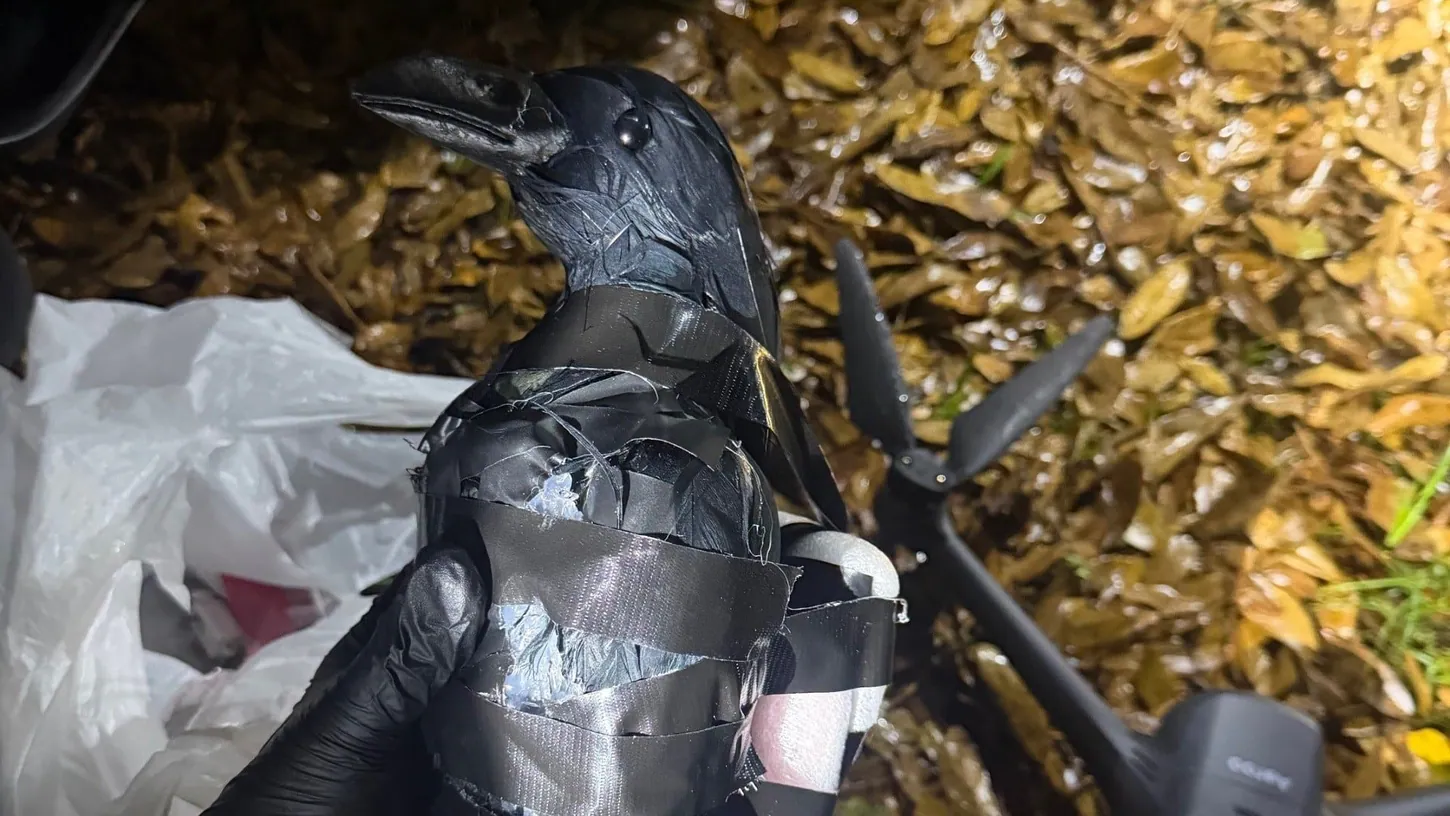
Two inmates at Valdosta State Prison in Georgia and a former inmate are charged in Dallas with running a jury duty scam that prosecutors say took about $1 million from victims. The two inmates allegedly ran their part on contraband cellphones inside the prison, and federal postal inspectors say drones and bribed prison staff helped inmates get phones inside.
A federal grand jury returned the nine-count indictment against Jamarius Micah Walker, Tyrone Gates III and Akeem Weeks on November 10, and it was unsealed November 18. The Justice Department presented the case on November 24 as part of its anti-scam surge. The 18-page indictment lays out the spoofed calls, the scripts and the crypto kiosks in detail.
The Alleged Scam Ran on Spoofed Sheriff Numbers and Crypto Kiosks
The indictment says the three men and others made hundreds of fake jury duty calls from April 2024 through at least July 2026. Spoofing made calls show a sheriff’s or other police number. Victims heard they had missed jury duty and faced arrest unless they paid at a cryptocurrency kiosk.
The indictment describes the preparation in detail. Prosecutors say the men pulled names, ages and addresses from commercial people-search sites and looked up the sheriff’s office and federal courthouse near each target. Callers followed a written script they called the “Skit,” posing as a sheriff’s office civil division. The script offered a “Criminal Route” with arrest and up to 72 hours in custody, or a “Civil Alleviation Process” that required paying immediately.
Victims got counterfeit arrest warrants from Gmail accounts named to look like federal courts, including one called usdcsherriffdepartment. They were told to withdraw cash, take it to a cryptocurrency kiosk and scan a QR code that sent the money to a digital address. Some of those addresses sat in accounts held in the defendants’ own names, according to the counts. Named victims lived in Fort Worth, Keller, Dallas and Greenville, Texas.
Gates posted on social media from his contraband phone about making “6 figures” in “State Clothes,” with the hashtag #crypto, according to the U.S. Attorney’s Office for the Northern District of Texas. Weeks was held at Wheeler Correctional Facility in Alamo, Georgia, until his parole on or about October 7, 2025, and prosecutors say he then ran his part from Georgia and North Carolina.
Each man is charged with wire fraud and concealment money laundering, which carry up to 20 years per count. Weeks faces an extra count of a monetary transaction in criminally derived property, which carries up to 10 years. Walker and Gates are in Georgia state custody, and Weeks is held in Texas on an unrelated charge. An indictment is an allegation, and all three are presumed innocent until proven guilty.
Postal Inspectors Say Drones and Bribed Staff Supplied the Phones
The indictment only calls the devices “contraband cellular telephones” and never says how they got inside. At the Justice Department’s November 24 briefing, the U.S. Postal Inspection Service said inmates got phones and other contraband with help from drones and by bribing prison employees.
CNN reports that court documents in the case include photos of a drone carrying contraband into a Georgia prison. The Justice Department’s Criminal Division summary puts it more broadly: Georgia prison gangs have used phones “smuggled into prisons by drones and corrupt prison guards” for years to run these scams.
Among other actions, that summary lists two related cases. On November 3, federal prosecutors in Illinois obtained a superseding indictment against six Georgia inmates and two others over a similar jury duty scheme. On November 9, Georgia state prosecutors indicted 17 people for smuggling contraband phones into state prisons, with racketeering among the charges.
Drone drops into Georgia prisons are well documented. Deliveries climbed again in late 2025 after a long state investigation had pushed them down, and in June a federal grand jury in Georgia charged a crew with flying drugs and phones into ten federal prisons.
The FCC’s New Jamming Rule Goes After the Phones
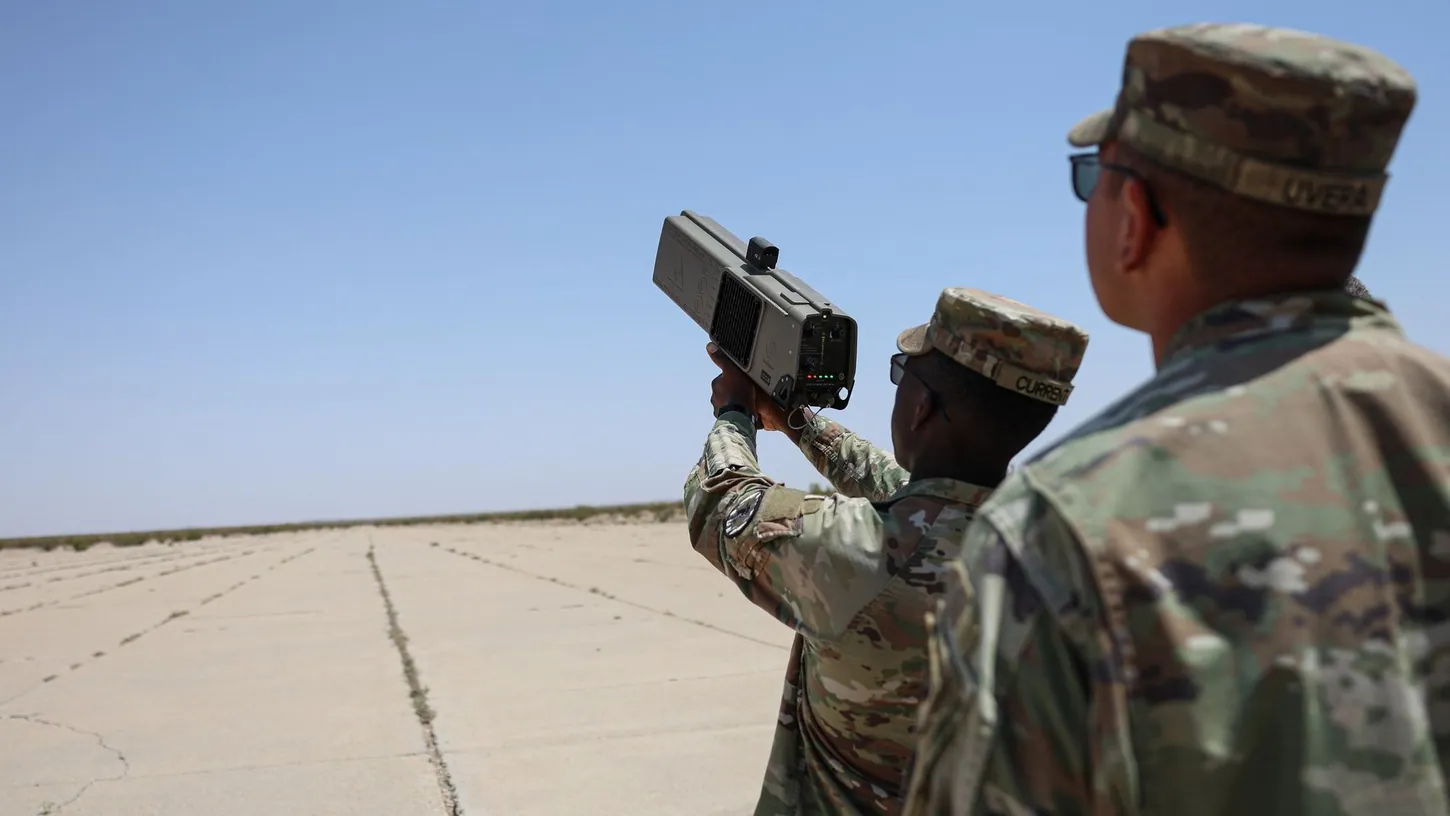
The Federal Communications Commission approved a rule on November 19 that lets state prison facilities jam contraband phones, according to the Criminal Division. The Justice Department says it allows “disruption of the signals used by prison inmates to commit crimes,” jury duty schemes included.
The draft order DroneXL read before that vote did not authorize jamming the unlicensed Part 15 links most drones fly on, though its further notice proposed jamming 2.4, 5 and 6 GHz signals in parts of a prison where such devices are banned. It left drones over prisons to the SAFER SKIES Act, which gave state and local agencies, corrections departments included, counter-drone authority. In October, 29 governors asked the Justice Department for prison-specific counter-drone training.
DroneXL’s Take
In the scheme prosecutors describe, the phone did the damage, and I think the FCC was right to go after the phone first. A jammer in the cellblock kills a scam call whether the handset came over the fence on a drone or through a bribed guard, and the government names both supply lines. That doesn’t let the drone off the hook. Whoever flies phones into Georgia prisons is the operator DroneXL keeps calling “that guy,” and every drop like it gets cited when someone proposes a rule that lands on ordinary pilots. Corrections departments already have counter-drone authority from Congress. I’d rather see them trained and using it over prison yards than see another round of restrictions aimed at the rest of us. And if a deputy calls about missed jury duty and wants crypto, hang up and call the courthouse yourself.
Sources: U.S. Attorney’s Office, Northern District of Texas, Indictment, United States v. Walker, No. 3-26CR804 (N.D. Tex.), DOJ Criminal Division, CNN, The National News Desk.
DroneXL uses automated tools to support research and source retrieval. All reporting and editorial perspectives are by Haye Kesteloo. Read our editorial standards.
Advertise with DroneXLYour company hereReach 200,000+ drone readers a month with a sponsored article, a banner on your beat, or a partnership.See the options →