Engineless RC Glider Hits 474 MPH, Then Plows Into A California Hill
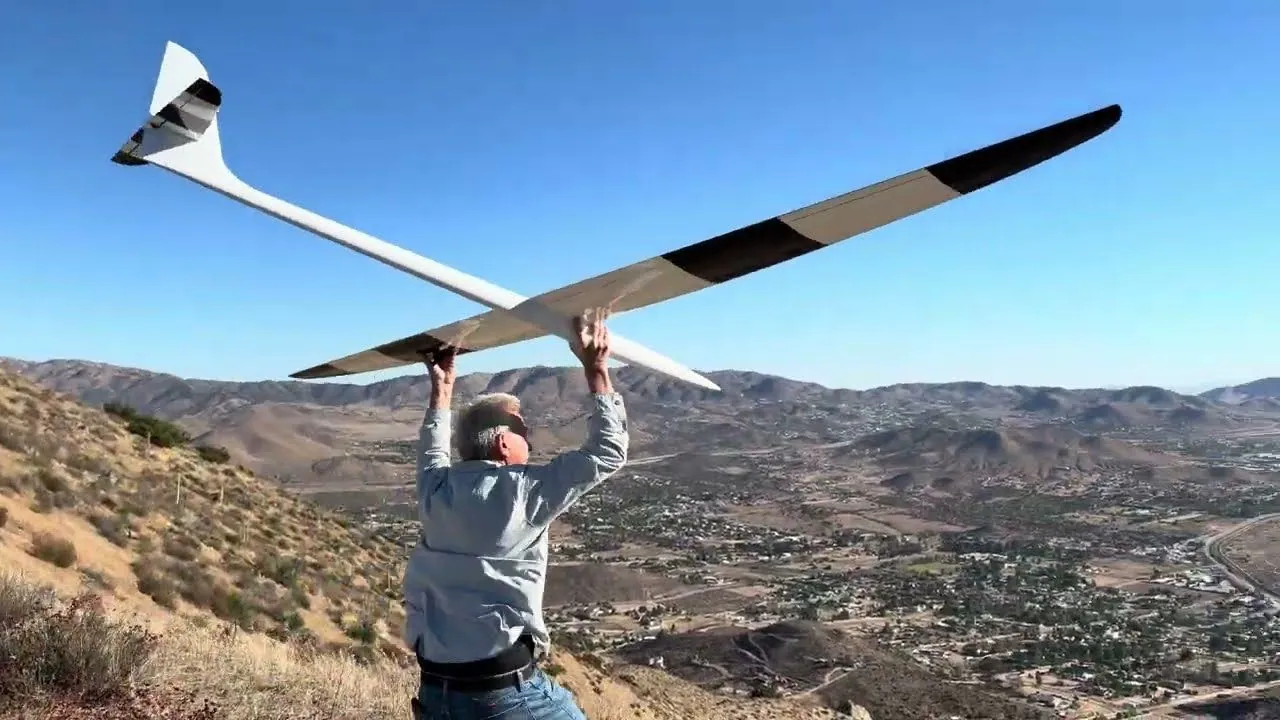
Joe Manor's Endgame 130 glider hit 474 mph at Parker Mountain on wind alone, then crashed. Here is how dynamic soaring works and why the record is 567 mph.
Sensors, batteries, LiDAR, obstacle avoidance, and the engineering that moves the industry forward.
Drone technology coverage tracks the hardware and software layer underneath specific products, the sensors, autonomy systems and airframe designs that determine what any given drone can actually do.
Autonomy and AI are the fastest-moving piece of it, and not always in a reassuring direction: an Nvidia Jetson chip guided the Russian AI drone that killed three Ukrainians near Zaporizhzhia, showing how quickly commercial AI hardware ends up in targeting systems. On the research side, DARPA’s Lift Challenge results showed a conventional helicopter design beating experimental lift concepts at a 3.84:1 ratio, a reminder that not every technology bet pays off on schedule.
LiDAR has grown from a niche surveying payload into one of the largest technology desks on the site, and VTOL and eVTOL aircraft are developing into a genuinely separate industry from rotor-based consumer drones. Sensor technology keeps expanding what a drone can be used for in unexpected ways too: Rainmaker says its cloud-seeding drones made 143 million gallons of rain, and Florida calls the practice a felony, a case that sits at the intersection of drone technology and state law neither side anticipated.
Artificial Intelligence, thermal sensing and UTM airspace management round out the desk. Every drone technology story is in the feed below.
Last updated October 22, 2026 — the feed below updates with every new story.

Joe Manor's Endgame 130 glider hit 474 mph at Parker Mountain on wind alone, then crashed. Here is how dynamic soaring works and why the record is 567 mph.
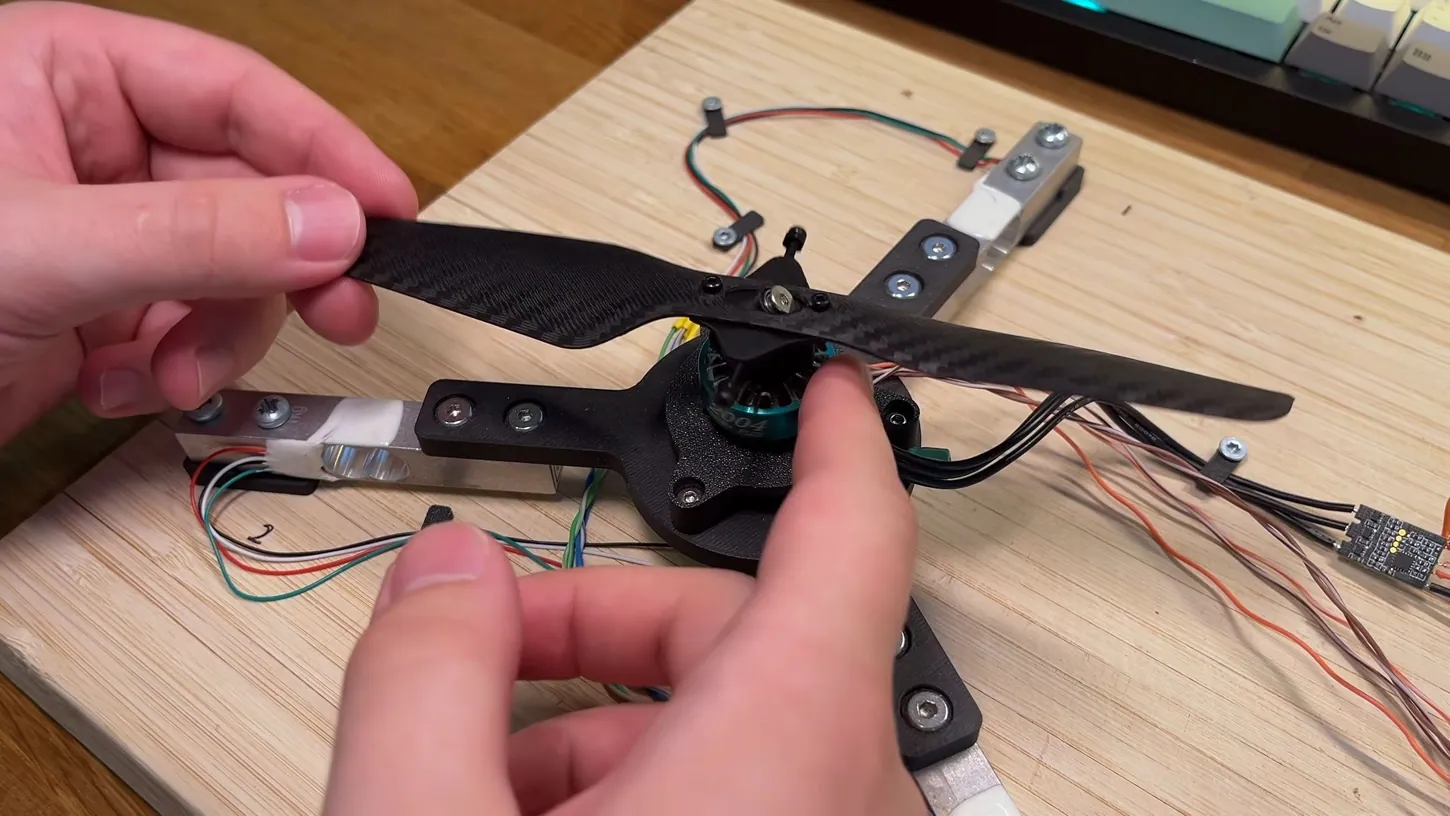
A first-time YouTuber 3D printed a micro helicopter rotor with no swashplate or servos. It lifts 140 grams on one motor, and Part 2 tries to fly it.
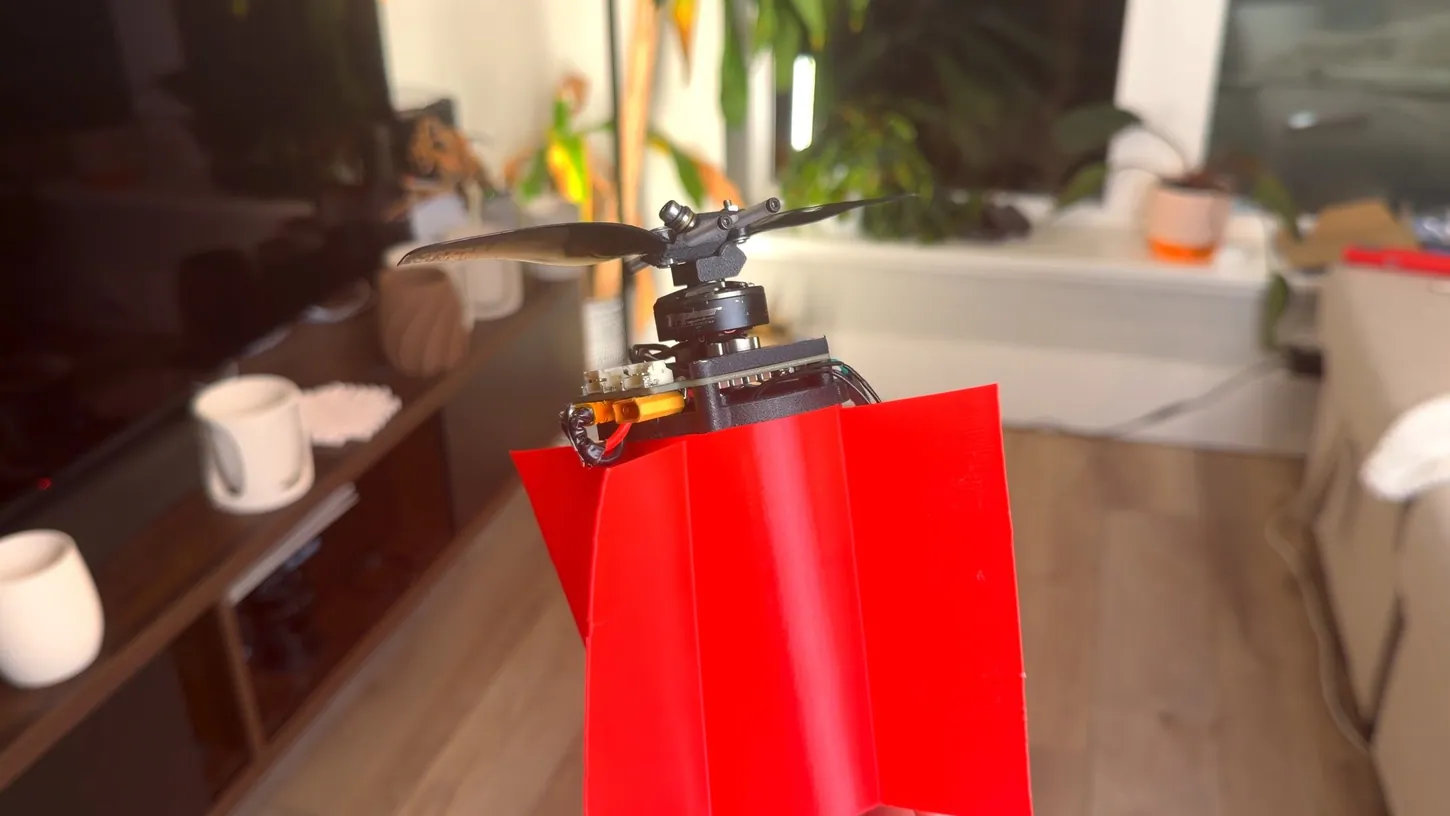
Joshua Bird's 3D printed drone hovers and steers on one motor and a 45-degree hinged propeller. An infrared beacon keeps it in his bedroom.
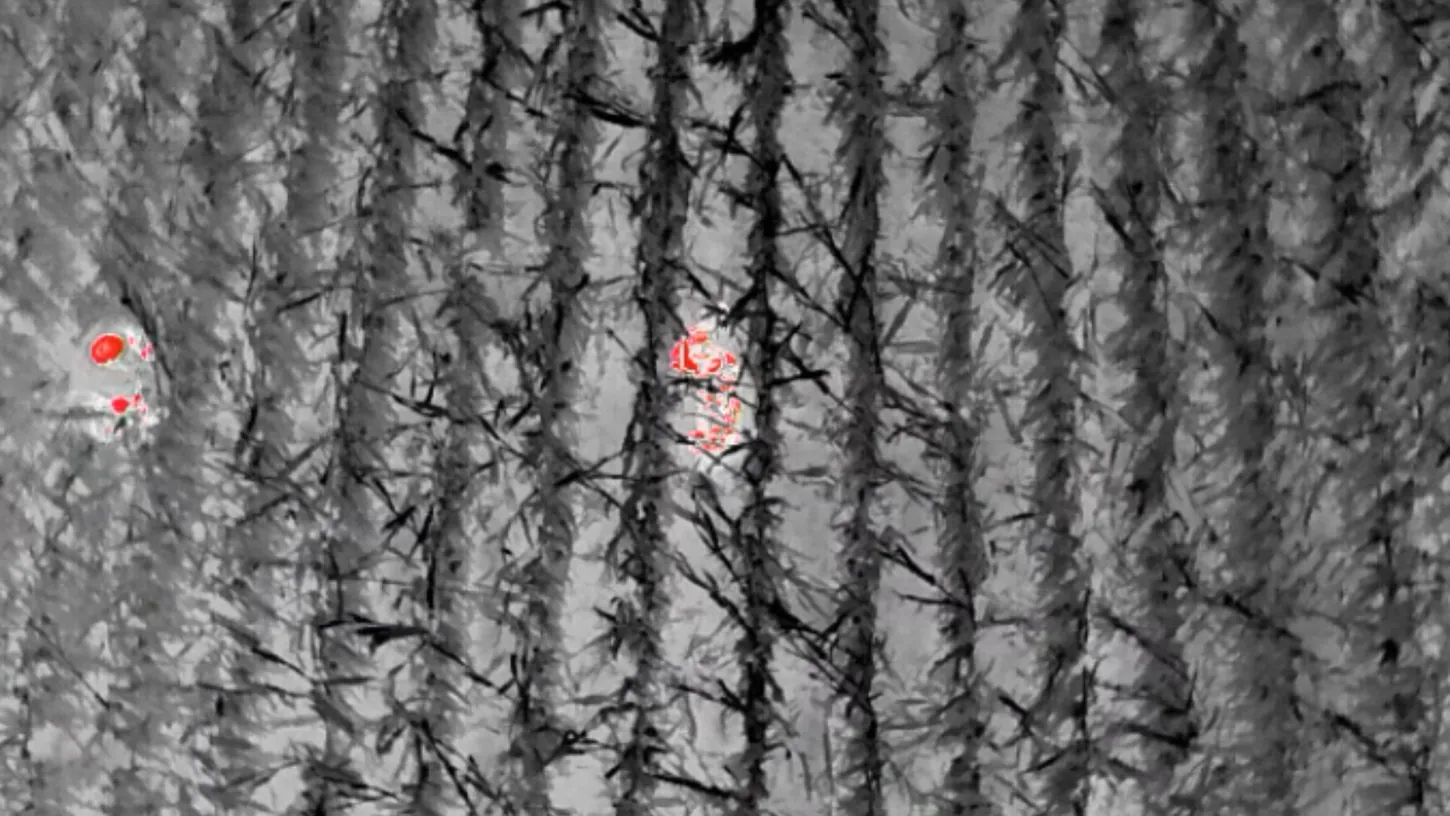
Iowa deputies feared a Harcourt crash driver was thrown clear. A thermal drone from a team a 2020 pipeline donation seeded found the driver unhurt.
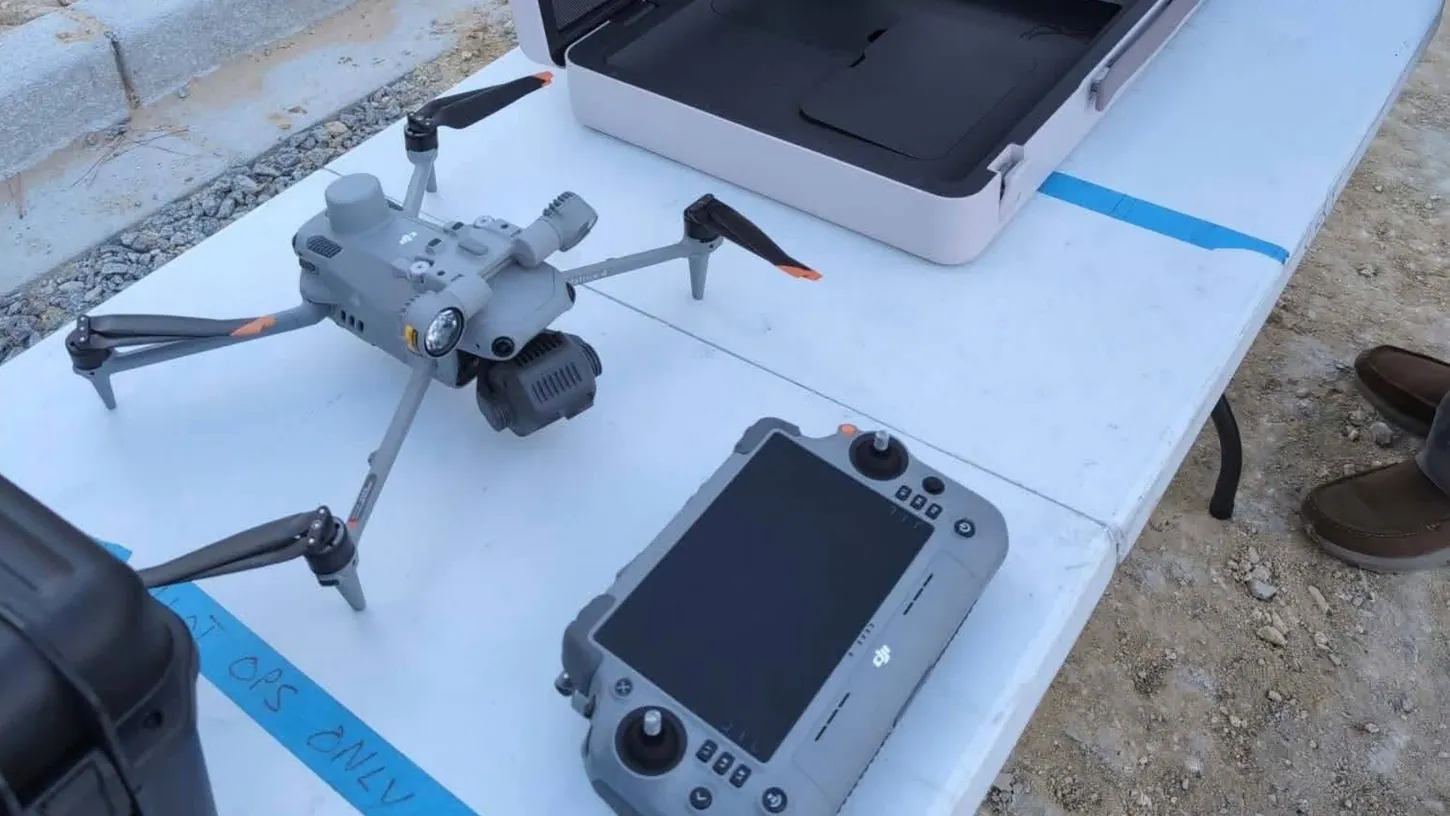
Charleston's all-volunteer Carolina Emergency Response Team trained on a new DJI Matrice 4T and called the DJI ban overreach nobody has time for.
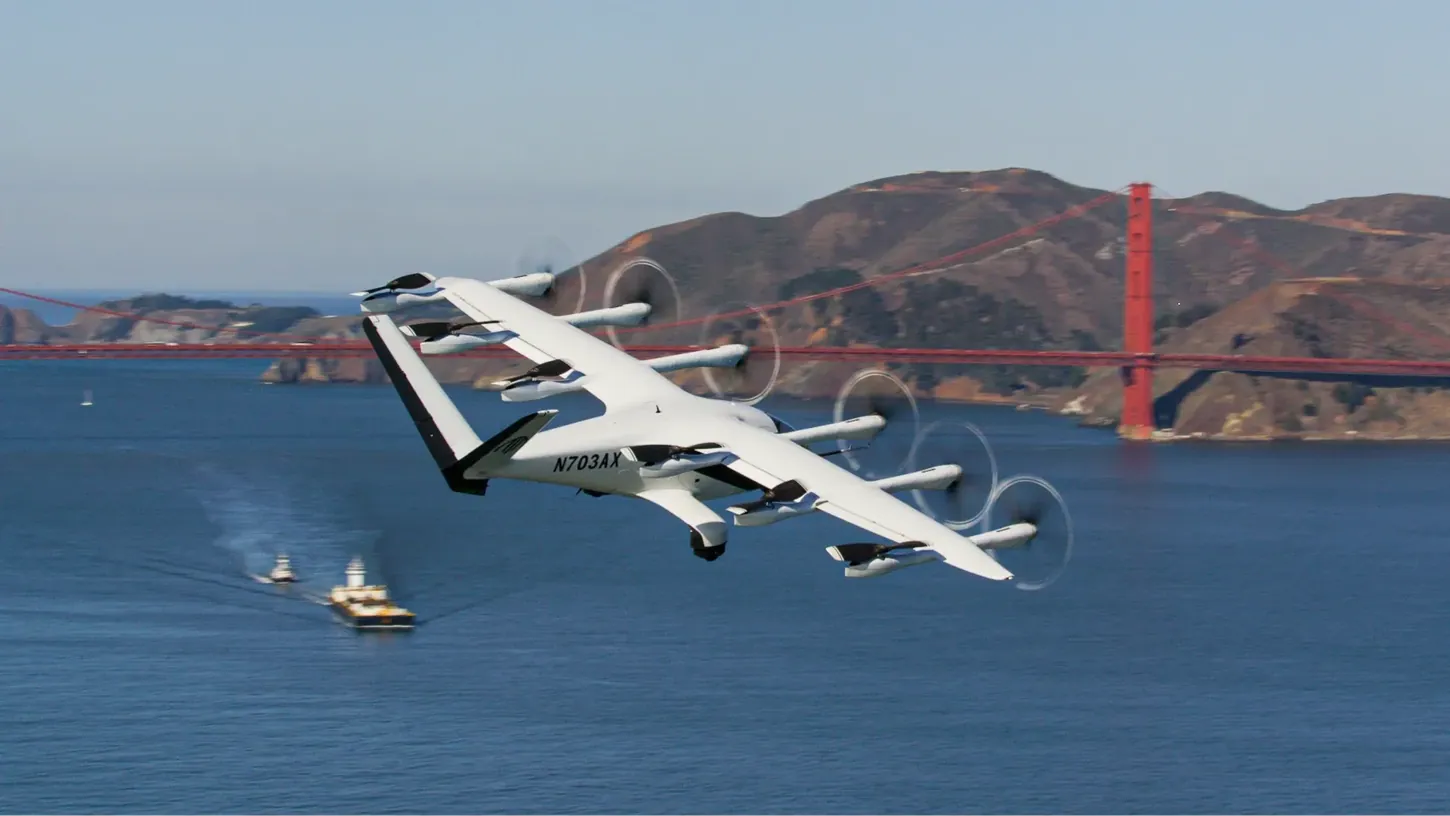
Archer flew its piloted Midnight air taxi around San Francisco Bay from Oakland airport. The uncut video shows a runway takeoff and landing, not vertical.
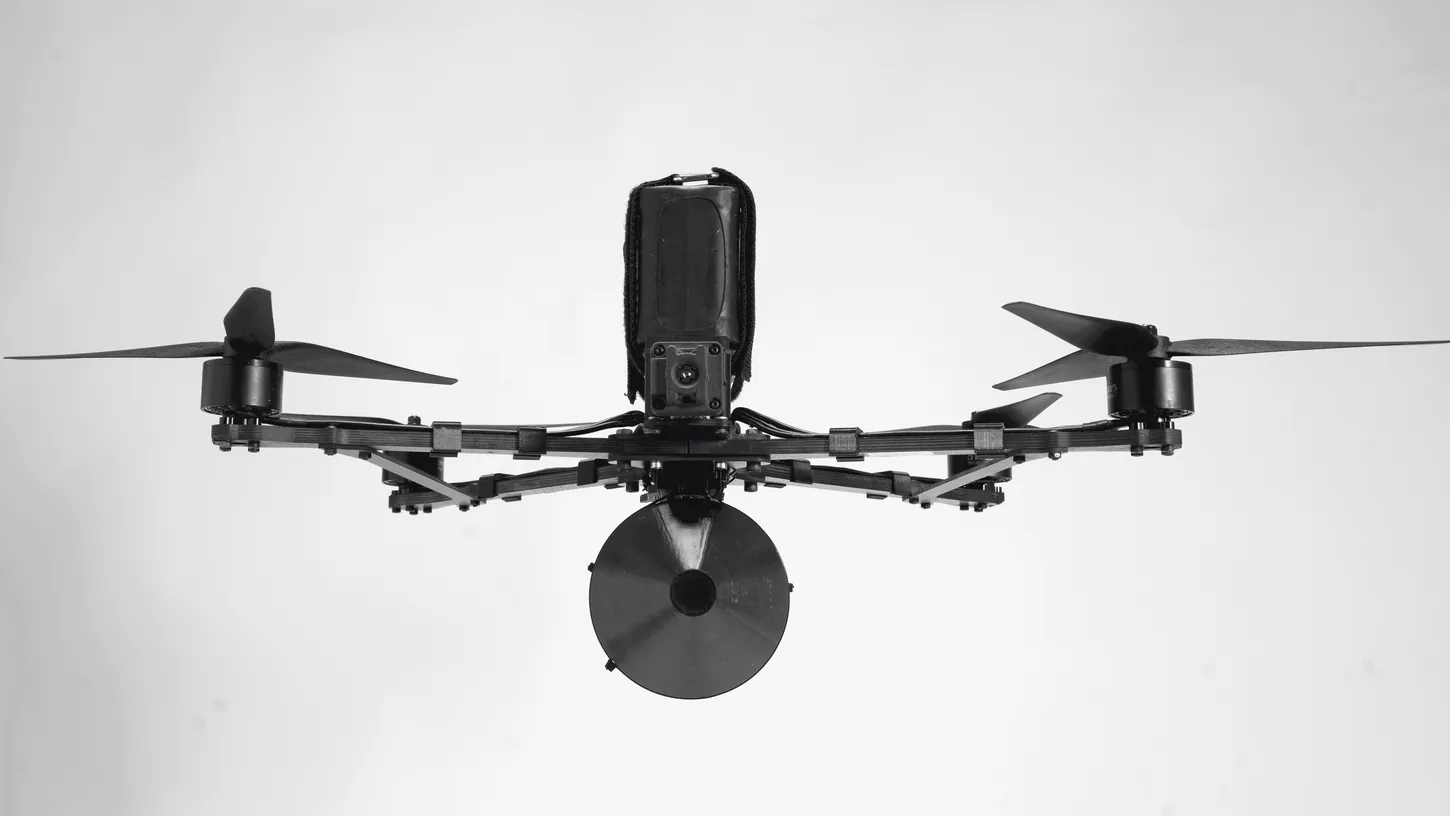
The Fourth Law says jamming loses its point once a drone flies and strikes on its own, and Ukraine finds a new Russian autonomous drone every few weeks.
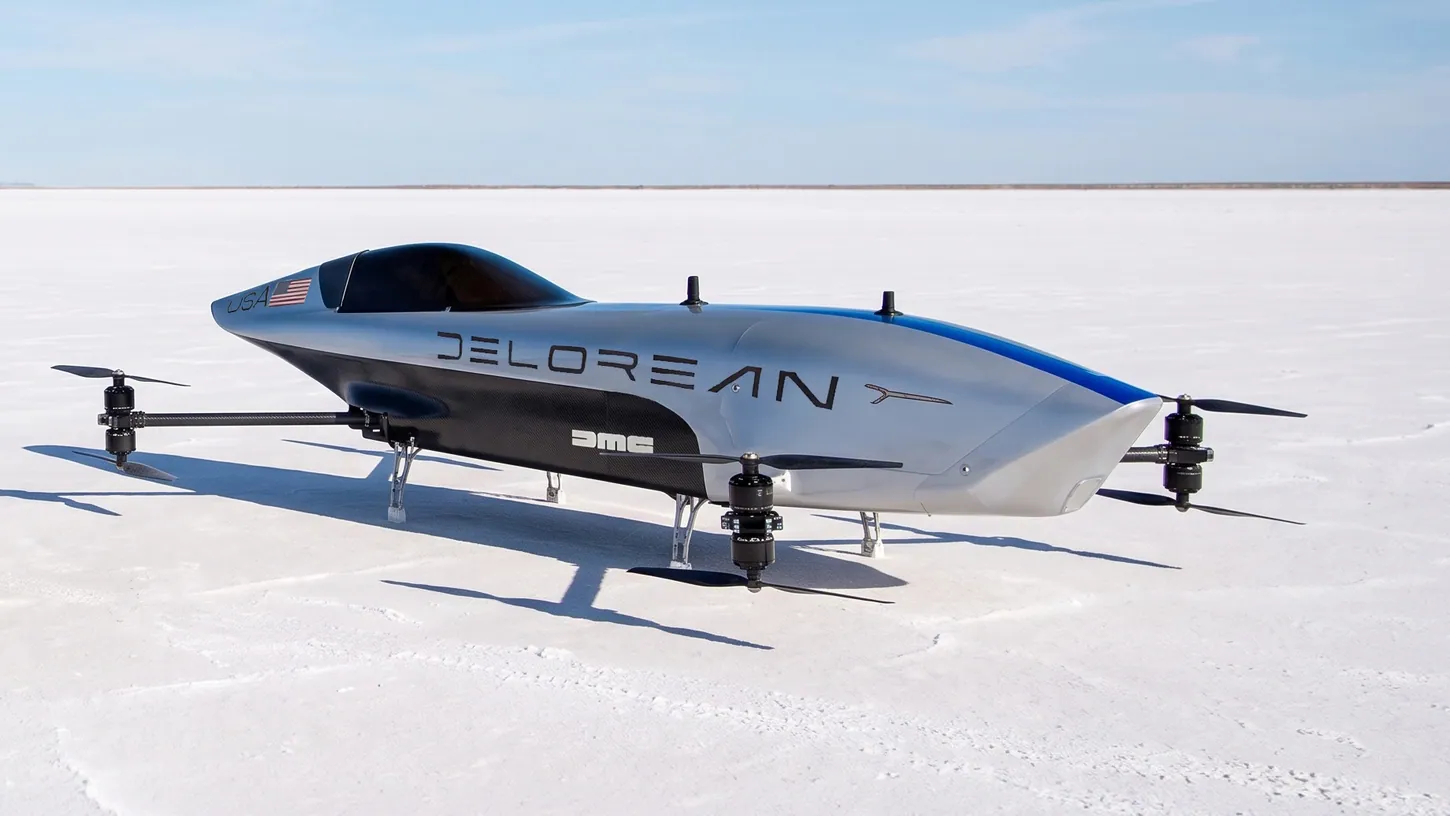
DeLorean will field the US team in Airspeeder's flying-car racing series from November. Its first racer comes from a line built to fly with nobody aboard.
This desk covers the underlying capability, an AI targeting model, a LiDAR sensor, a VTOL airframe design, rather than a specific consumer drone. A DJI Mini 5 Pro review lives on the DJI desk; a story about the AI chip guiding a targeting system lives here.
LiDAR has moved from a specialist surveying tool to a mainstream mapping and inspection payload fast enough that it now generates more coverage volume than most single technology categories, tracked separately from general drone hardware news.
VTOL covers vertical takeoff and landing fixed-wing drones generally, gas or electric, used for long-range mapping and delivery. eVTOL specifically covers electric vertical takeoff and landing aircraft, including the passenger-carrying air taxi category, which is developing into its own industry.
One email with the drone news that matters — DJI, FAA, public safety, and everything in between, straight from the newsroom. No spam, no fluff.