DOT & FAA Launch eVTOL Pilot Program in 26 States — Autonomous Cargo Flights Could Start This Summer
Check out the Best Deals on Amazon for DJI Drones today!
The same executive order that unleashed drone dominance last June is now sending electric air taxis into live commercial airspace. On March 9, the U.S. Department of Transportation and the FAA named eight projects under the eVTOL Integration Pilot Program (eIPP) that will put pre-certified aircraft into Class B and C airports alongside regular commercial traffic — not in a sandbox, but in the real national airspace. The first operations are expected by summer 2026.
- The Program: The eIPP, created under Trump’s June 2025 executive order on drone and aviation dominance, received more than 30 proposals and selected eight projects across 26 states.
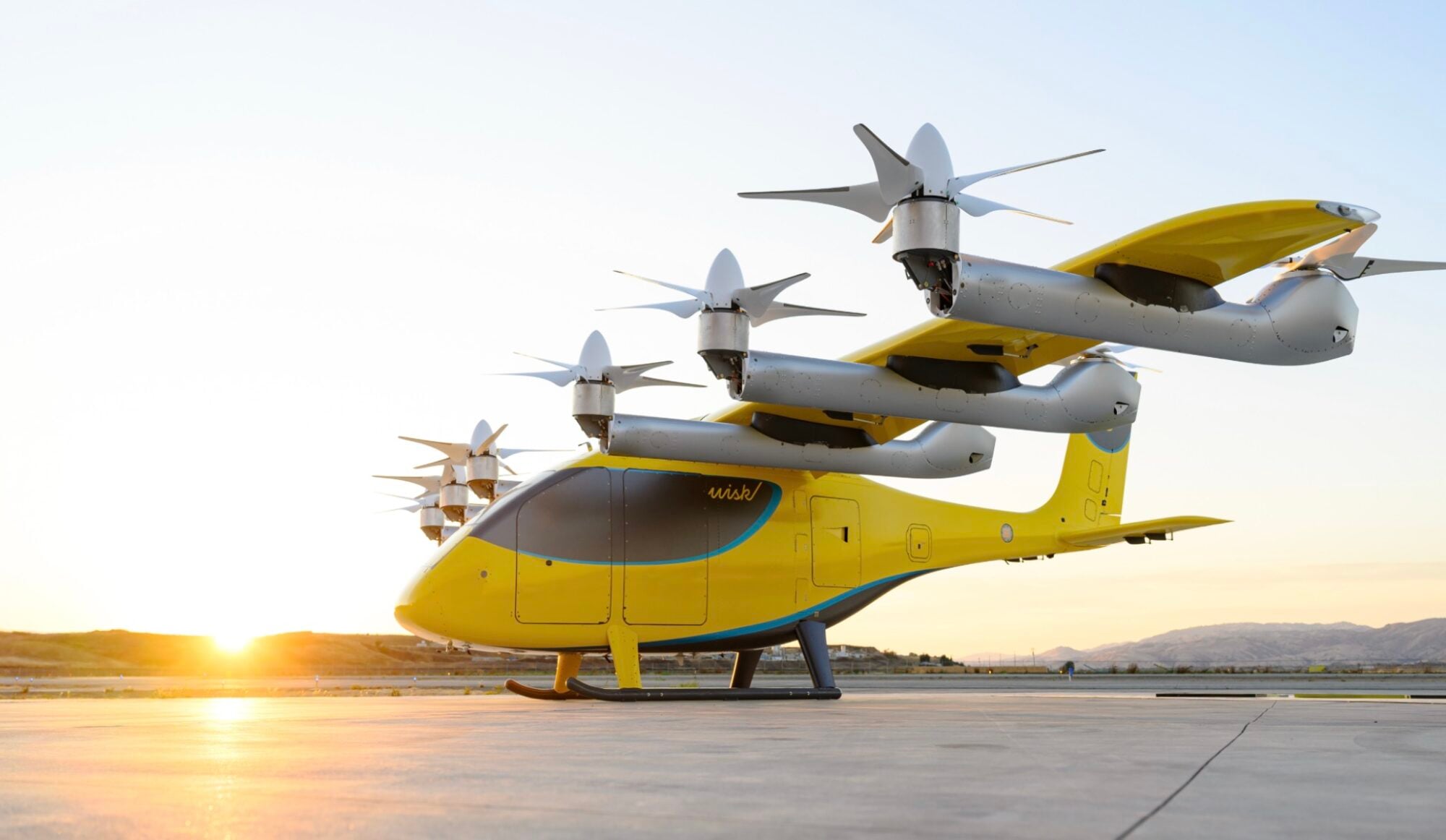
- The Operators: Archer, Joby, Beta Technologies, Wisk, Electra, Elroy Air, and Reliable Robotics are all participants.
- The Threshold: Participating aircraft can carry cargo for revenue and interact with air traffic controllers before receiving type certification — a first in U.S. aviation.
- The Source: Official DOT announcement, March 9, 2026.
The eIPP Takes eVTOL Beyond Prototype Demos Into Live Airspace
The eVTOL Integration Pilot Program sits between a closed test environment and full commercial operations. Participants sign Other Transaction Agreements directly with the FAA that define what they can and cannot do. Those agreements are still being finalized — expected “in the coming weeks” — but operations could begin within 90 days of signing. Aircraft involved generally weigh more than 1,320 pounds and will fly piloted, optionally piloted, or fully autonomous depending on the project.
This directly descends from the drone integration history DroneXL readers know well. The FAA’s original drone IPP shaped Part 107. The BEYOND program helped frame proposed Part 108 rules. The eIPP is doing the same thing for a vehicle class the FAA has called the first new category of civil aircraft since helicopters in the 1940s — as we covered when the FAA finalized its powered-lift pilot training rules in October 2024.
One constraint worth noting: participants fund all infrastructure themselves. Vertiports, charging stations, ground equipment — none of it comes from the FAA. And operational data will generally be public, unless a company designates it proprietary. That second carve-out could limit how much the program actually informs future regulation.
Eight Projects Cover Air Taxis, Cargo Drones, and Full Autonomy
The selected projects span urban air taxi networks, rural medical logistics, offshore cargo runs, and fully autonomous freight operations. Here’s the breakdown:
| Lead Applicant | Key Partners | Primary Focus |
|---|---|---|
| Port Authority of NY/NJ | Archer, Beta, Electra, Joby | 12 operational concepts including Manhattan heliport eVTOL ops |
| Texas DOT | Archer, Beta, Joby, Wisk | Regional air taxi routes connecting Dallas, Austin, San Antonio, Houston |
| Utah DOT | Ampaire, Beta, Joby | Cargo and medical flights to rural areas across 4 states |
| Pennsylvania DOT | Beta, Electra | 13-state regional connectivity, Essential Air Service-style routes |
| Louisiana | Beta, Elroy Air | Offshore energy logistics in the Gulf of America |
| Florida DOT | Archer, Beta, Electra, Joby | 3-phase program: cargo, passengers, medical, automation |
| North Carolina DOT | Beta, Joby | Piloted medical ops + autonomous flights into Virginia |
| City of Albuquerque | Reliable Robotics | Autonomous cargo out of KABQ, KDRO, KSAF airports |
The Albuquerque project is the one to watch for drone industry observers. Reliable Robotics won the only city-led slot and plans fully autonomous cargo operations through its own Part 135 subsidiary, Reliable Airways. That’s not a technology demonstration — it’s a commercial freight operation using autonomy systems the company is simultaneously certifying with the FAA. CEO Robert Rose said the system targets substantial safety improvements in regional air cargo, with flights planned between Albuquerque International Sunport, Durango-La Plata County Airport in Colorado, and Santa Fe Regional Airport.
At the other end of the spectrum, Archer’s Midnight carries four passengers at around 150 mph on 20-50 mile urban hops. As we reported last week, Archer’s eIPP selection covers Texas, New York, and Florida, with the company targeting operations as soon as the second half of 2026 — though short sellers Grizzly Research and Culper Research have both published reports questioning whether FAA certification arrives before 2028.
The Drone Executive Order Is Now Driving Manned Aviation Policy
The eIPP flows directly from Trump’s June 2025 executive order titled “Unleashing American Drone Dominance” — the same order that shaped the administration’s approach to the Remote ID and BVLOS regulatory environment drone operators are navigating right now. Transportation Secretary Sean Duffy framed the announcement as proof that “the future of aviation is here.” FAA Deputy Administrator Chris Rocheleau kept it more grounded, describing the program as generating “operational experience that will inform the standards needed to enable safe Advanced Air Mobility operations.”
Those are two different things. One is a vision. The other is a multi-year rulemaking process. The eIPP exists to bridge them — and whether it actually does depends on whether the OTAs get signed quickly and the participating aircraft can hold up under real operational conditions.
DroneXL’s Take
The drone industry spent years watching the FAA’s IPP and BEYOND programs generate data that eventually became regulation. The eIPP is the same model applied to a vehicle class with orders of magnitude more political and investor attention behind it. That cuts both ways: more pressure to move fast, but also more scrutiny when something goes wrong.
The autonomy thread is what connects this directly to the drone world. Reliable Robotics running commercial autonomous cargo out of Class D and Class C airports is the exact use case that drone delivery companies have been chasing under Part 107 and proposed Part 108 for years. If Reliable pulls it off under the eIPP framework before the broader rulemaking catches up, that sets a precedent the drone industry should be paying close attention to.
Watch the cargo projects, not the air taxis. Three of the eight projects will likely have revenue freight flights logged before any passenger eVTOL carries a paying customer in U.S. airspace. The liability calculus is simpler, the airspace is less congested, and the operators — Reliable Robotics, Elroy Air, Beta’s medical logistics work — aren’t depending on passenger certification timelines. Piloted urban air taxi service is still two to three years away at minimum. Autonomous cargo in controlled corridors could be flying commercially by Q4 2026.
Editorial Note: AI tools were used to assist with research and archive retrieval for this article. All reporting, analysis, and editorial perspectives are by Haye Kesteloo.
Discover more from DroneXL.co
Subscribe to get the latest posts sent to your email.
Check out our Classic Line of T-Shirts, Polos, Hoodies and more in our new store today!

MAKE YOUR VOICE HEARD
Proposed legislation threatens your ability to use drones for fun, work, and safety. The Drone Advocacy Alliance is fighting to ensure your voice is heard in these critical policy discussions.Join us and tell your elected officials to protect your right to fly.

Get your Part 107 Certificate
Pass the Part 107 test and take to the skies with the Pilot Institute. We have helped thousands of people become airplane and commercial drone pilots. Our courses are designed by industry experts to help you pass FAA tests and achieve your dreams.

Copyright © DroneXL.co 2026. All rights reserved. The content, images, and intellectual property on this website are protected by copyright law. Reproduction or distribution of any material without prior written permission from DroneXL.co is strictly prohibited. For permissions and inquiries, please contact us first. DroneXL.co is a proud partner of the Drone Advocacy Alliance. Be sure to check out DroneXL's sister site, EVXL.co, for all the latest news on electric vehicles.
FTC: DroneXL.co is an Amazon Associate and uses affiliate links that can generate income from qualifying purchases. We do not sell, share, rent out, or spam your email.