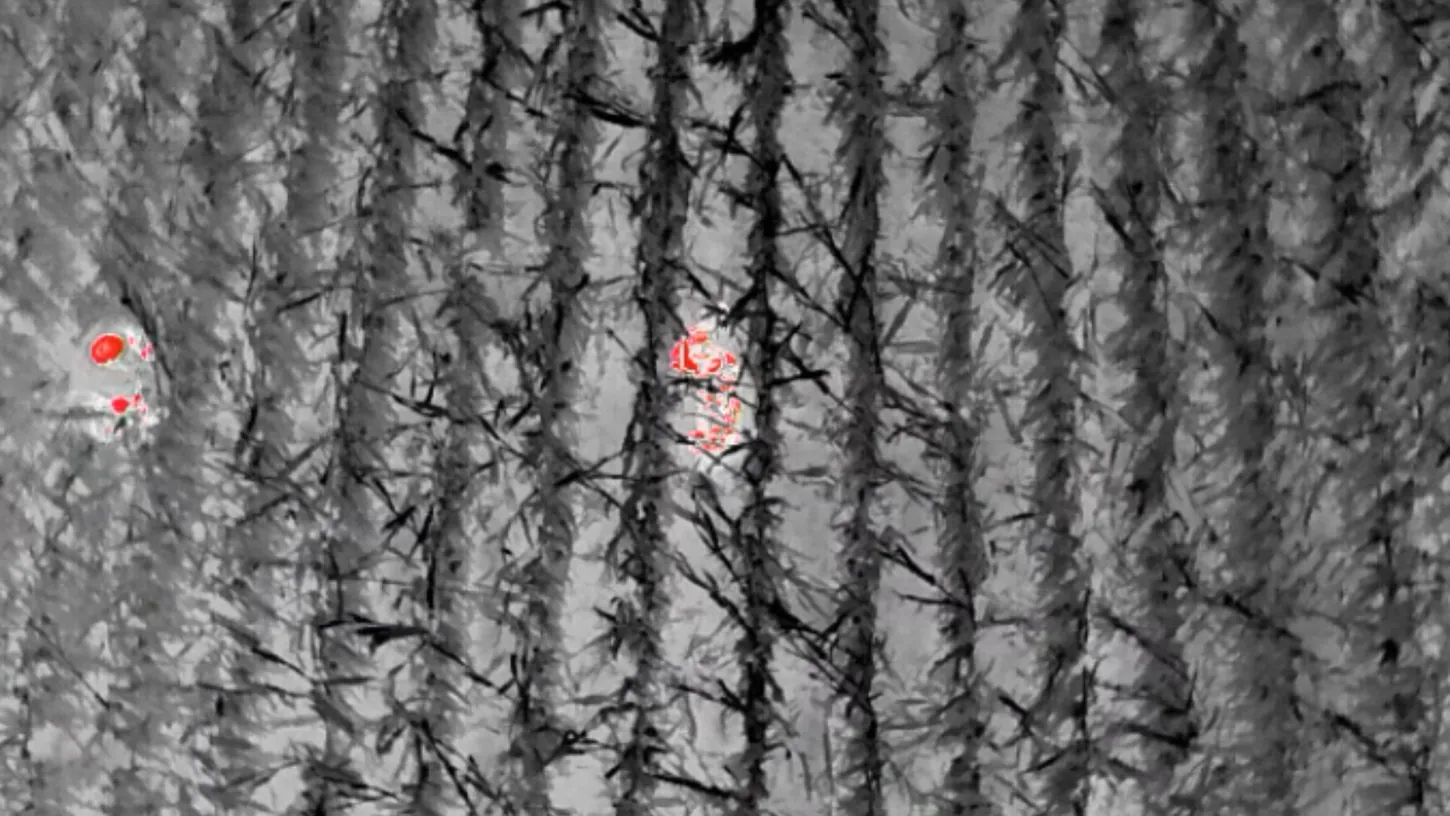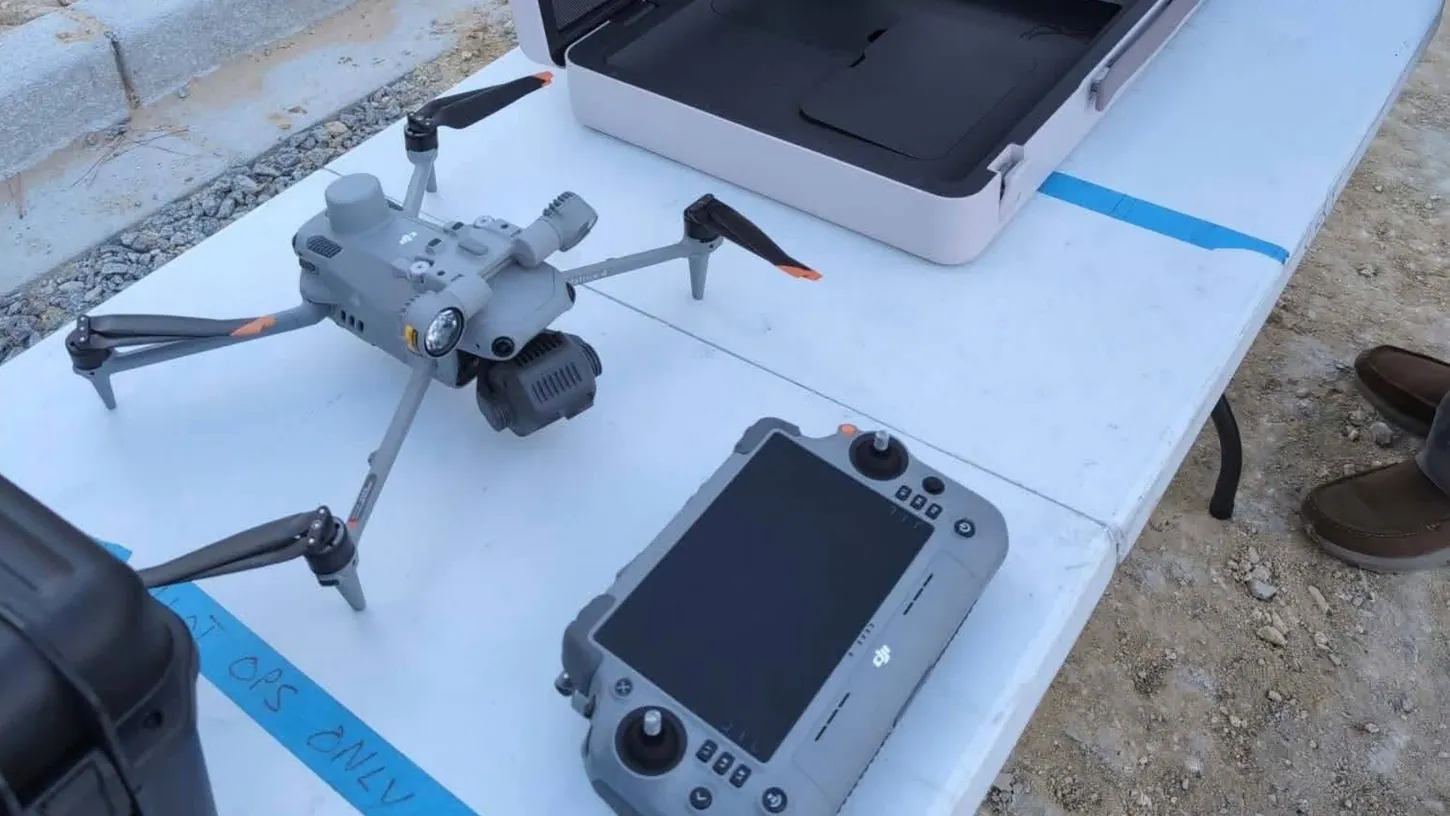
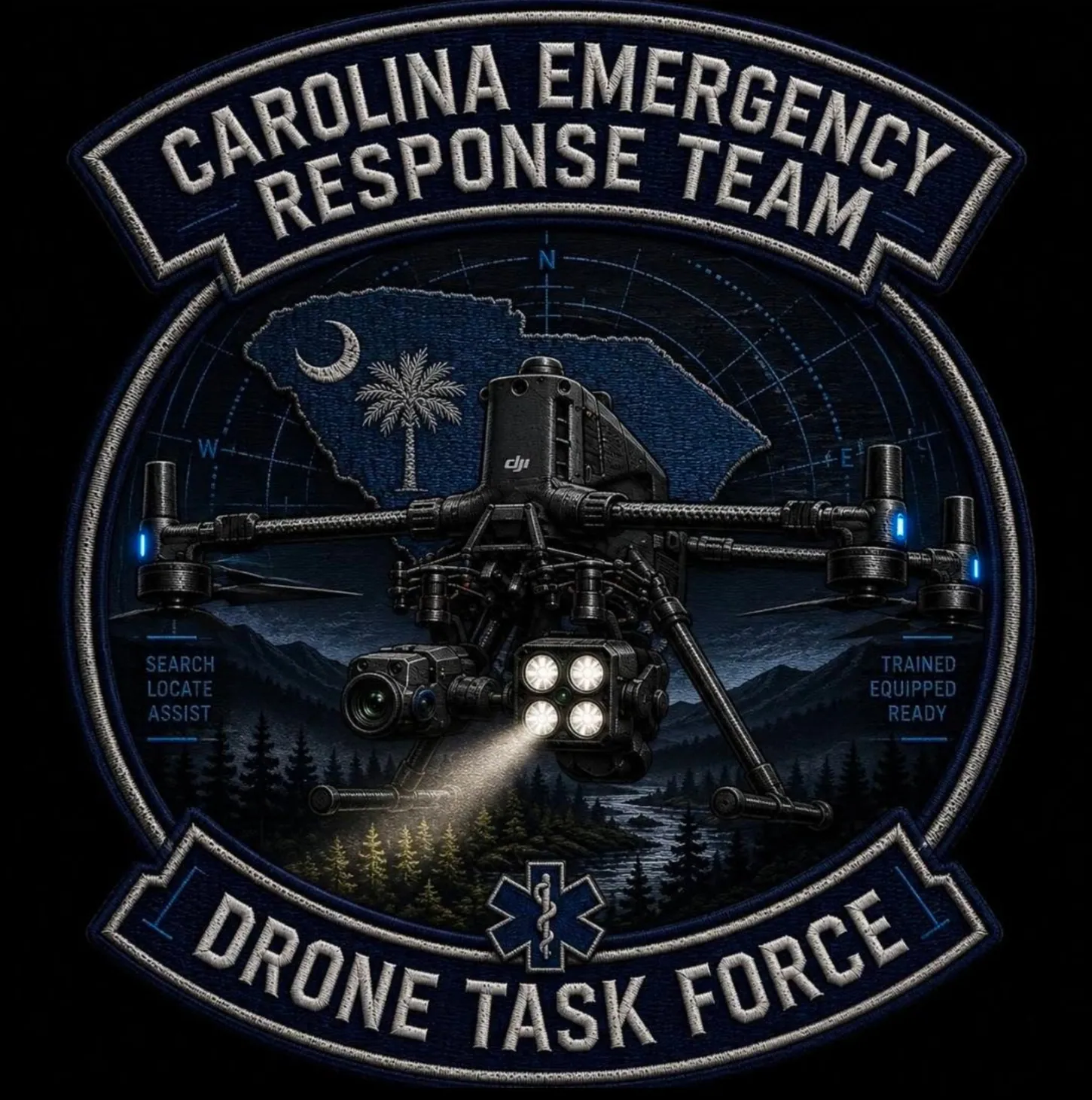
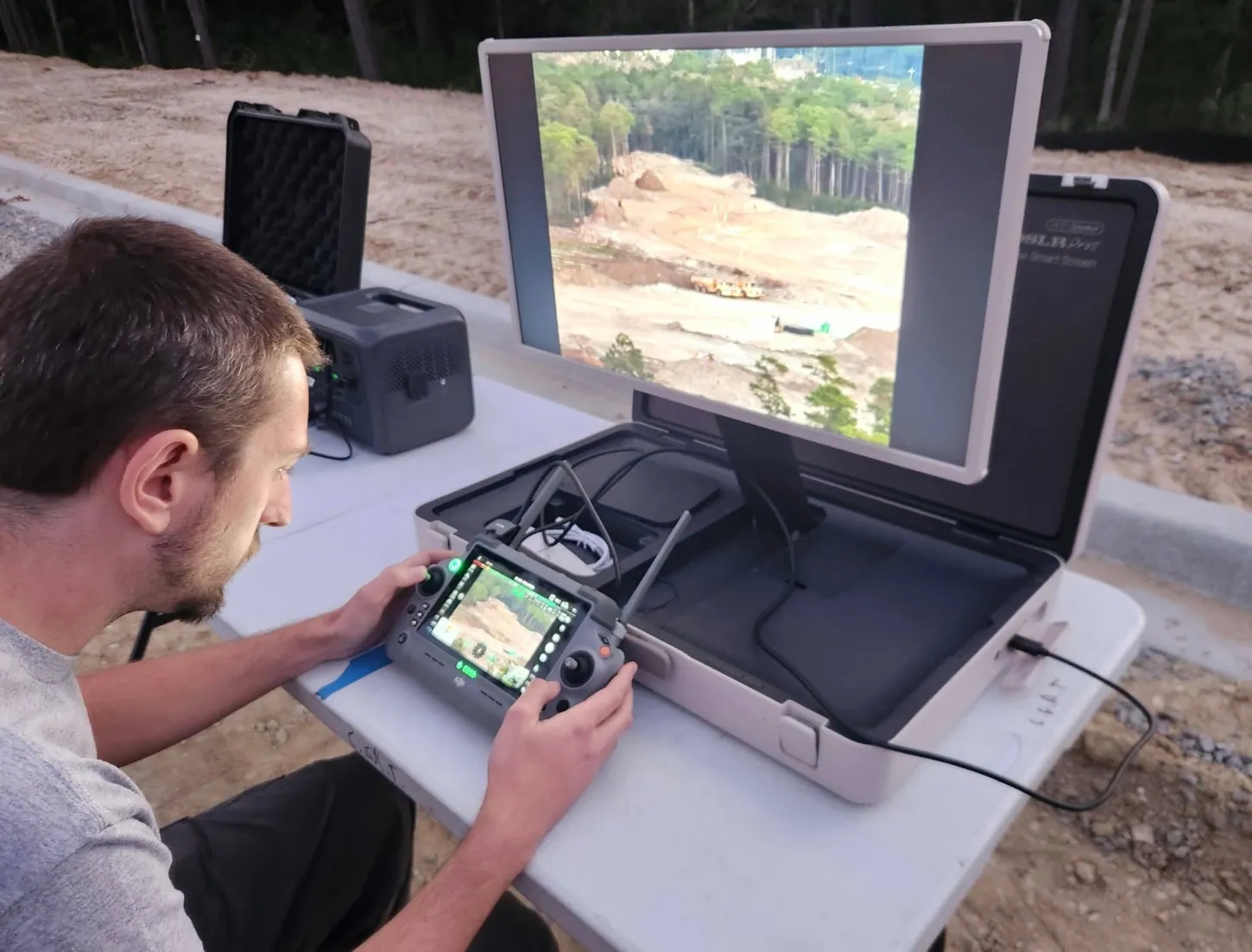
The Carolina Emergency Response Team, an all-volunteer nonprofit based in Charleston, South Carolina, put its Drone Task Force through hands-on training on a new DJI Matrice 4T thermal drone on Saturday evening, October 17, and posted the photos on Facebook the next morning. The team says the drone is for search and rescue and post-storm disaster response, and it is recruiting members who want to become operators.
The top comment under the post asked how a government agency gets around the Pentagon’s and the Federal Communications Commission’s “ban” on DJI. CERT answered that it is not a government agency, that two government agencies it did not name have “said screw it” and are flying DJI equipment anyway, and that “It’s overreach and nobody has time for it anymore.”
The FCC put every foreign-made drone on its Covered List on December 22, 2025, and a second FCC proposal would end imports of thermal drones like this one. CERT bought one anyway.
The Covered List Bars New DJI Models and Leaves the Matrice 4T Legal to Fly
The FCC’s December 22 listing blocks new DJI models from the equipment authorization needed to sell them in the United States. The Matrice 4T, authorized and on sale since January 2025, keeps its approval, and the FCC’s own guidance says already-authorized equipment can still be bought, sold and flown.
Chairman Brendan Carr said as much the day the listing went out: the action “does not disrupt the ongoing use or purchase of previously authorized drones,” as DroneXL reported when the FCC banned all foreign and DJI drones from new authorizations. The price has changed since. The Section 232 proclamation has taxed imported drones with integrated thermal imagers at 100 percent since September 3.
The “ban” the commenter had in mind is still a proposal. On July 21 the FCC’s bureaus asked whether to bar the import and sale of foreign drones with “military-grade” capabilities, a list that includes any aircraft carrying a thermal camera, and the notice itself puts the continued use of equipment already purchased outside its scope. Comments closed September 2 with 3,770 filings against and 16 in favor. As of October 19 the Federal Register carries nothing from the docket after the August 3 request for comment.
The Pentagon’s side of the commenter’s question binds the federal government, not a nonprofit. Section 848 of the fiscal 2020 defense bill stopped the Pentagon from buying or flying Chinese-made drones, the department put DJI on its list of Chinese military companies in October 2022, and the American Security Drone Act extended the purchase ban to the rest of the federal government and, since December 2025, to anything bought with federal grant money. A team that buys with donations is outside all three. South Carolina has no Florida-style ban on Chinese-made drones for its own agencies either. The one drone law it passed this year, Act 150, which Governor Henry McMaster signed on May 15 and which takes effect January 1, 2027, covers prisons, controlled airspace, military installations and weaponized drones, and says nothing about where a drone is built.
CERT did not name its two agencies, and DroneXL has not identified them, but agencies flying DJI are the rule rather than the exception. The Law Enforcement Drone Association puts the count of US police agencies flying drones at about 6,000, and told NPR this month that 80 to 90 percent of them fly DJI. The team itself was founded in 2020, deployed to North Carolina after Hurricane Helene, and took 16 volunteer applications at a single recruitment briefing three weeks later, according to Live 5 News.
DHS Evaluators Scored the Matrice 4T Highest of Any Drone They Tested
DHS’s test lab scored the Matrice 4T 4.6 out of 5 at Hudson Yards in July 2025, the highest overall mark in its Blue UAS assessment series, against 3.7 for the Skydio X10D. The public report omitted those scores. DroneXL published the addendum on October 1.
The DHS addendum, marked For Official Use Only, gave the aircraft a 4.9 for its cameras and a 4.9 for link quality, the two highest criterion scores in either document. Evaluators wrote that it held position and kept its video feed where other systems failed. DroneXL reviewed the Matrice 4T at about $7,000 in February 2025, when the aircraft was new. DJI’s spec sheet lists a 640 by 512 thermal camera at 30 Hz, 112x hybrid zoom and 49 minutes of flight time.
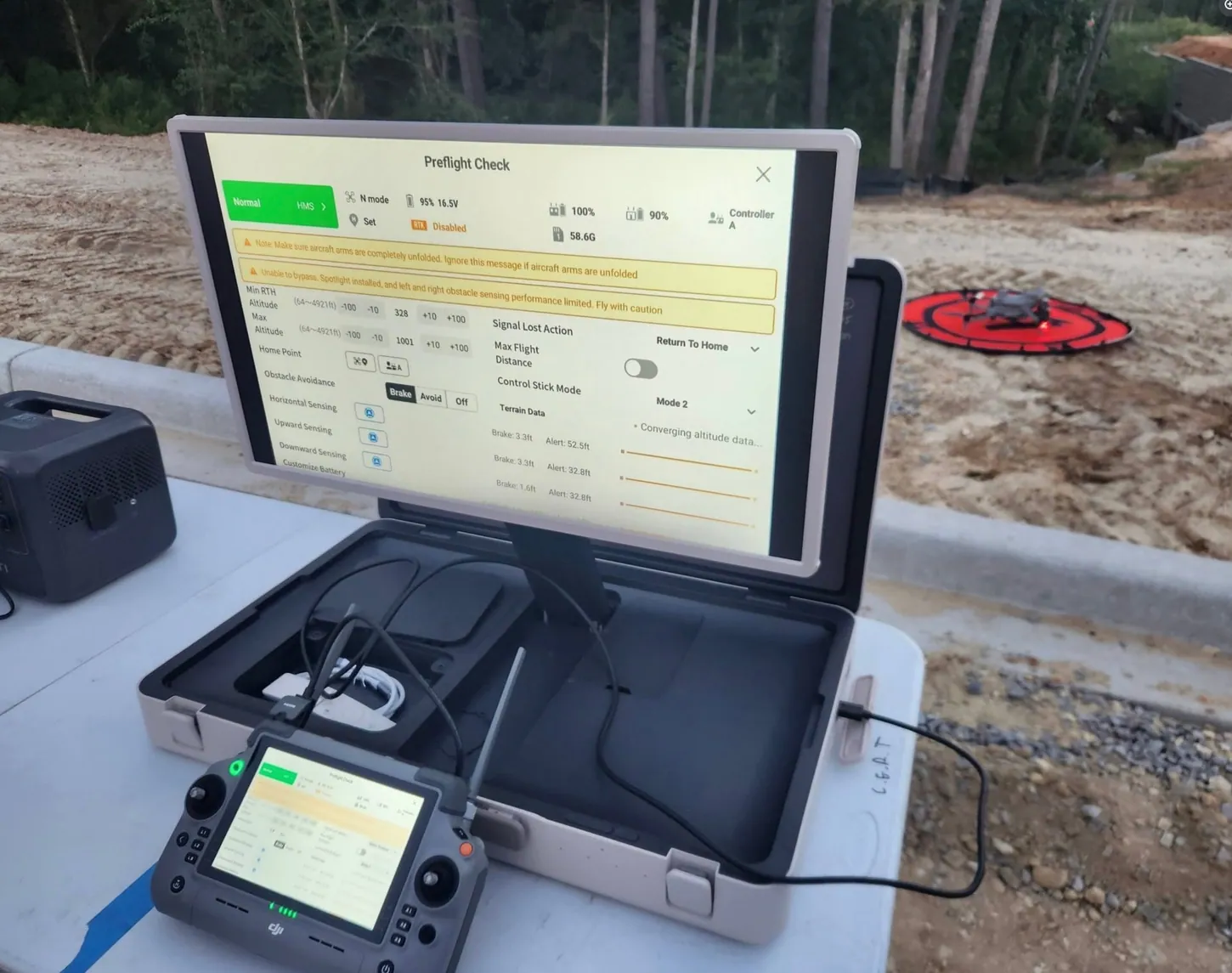
CERT’s unit carries DJI’s AL1 spotlight on top, and the preflight screen in the team’s photos shows the warning that comes with it: the spotlight limits left and right obstacle sensing, so the pilot flies with caution. The same screen shows RTK disabled, the battery at 95 percent and a 1,001-foot (305-meter) altitude ceiling, with the feed mirrored to a DSLRPros screen case on the table. The training site was a cleared construction lot at dusk, with the drone on a landing pad in the dirt.
The price gap CERT would face with an American aircraft is on the record. Weber County Search and Rescue’s Kyle Nordfors told The Hill this month that the US-made drones he has flown cost three to eight times as much and deliver less than half the capacity, with weaker thermal sensors. Ocean County’s sheriff’s office in New Jersey itemized a $29,428 thermal kit for NPR and said the taxpayers would absorb the cost of a forced switch. A volunteer team in Charleston runs on donations.
DroneXL’s Take
CERT’s answer is the one I hear from more teams every month, and it is the right one. They are not getting around anything. No rule stops a volunteer rescue team in South Carolina from buying the best thermal drone it can afford, and the best one, by the federal government’s own test scores, is the Matrice 4T. The team did not pick DJI to make a point. It picked the drone that finds people in the dark for the money it has, and that drone happens to come from Shenzhen.
The government’s case is security, and the December determination calls foreign-made drones an unacceptable risk. Ten months on, as I read the record, it holds no specific finding against DJI, and the Pentagon’s own letters filed last week say nothing more in public. A volunteer who spends a Saturday night learning to read a thermal feed so he can find someone after the next hurricane is not going to wait for one, and I don’t think he should.
If the FCC adopts its thermal-drone proposal, imports stop after the 180-day wind-down it proposed, and the next team that wants a Matrice 4T buys it used or pays the premium Nordfors put at three to eight times. CERT got its aircraft in before that door closes.
Sources: Carolina Emergency Response Team on Facebook, Carolina Emergency Response Team, FCC Public Notice DA 26-758, FCC Covered List FAQs on UAS, DJI Matrice 4 series specs, South Carolina H4679, Live 5 News
DroneXL uses automated tools to support research and source retrieval. All reporting and editorial perspectives are by Haye Kesteloo. Read our editorial standards.