

FCC Filing · DJI
DJI Mini 3 Drops To $315 For Labor Day. Skip The Other Two Bundles
Amazon has the DJI Mini 3 at $315 for Labor Day, $104 off list. The base package is a real discount. The DJI RC and Fly More bundles are not.
News, deep dives, and analysis — every FCC Filing story, newest first.
The Federal Communications Commission became a drone regulator almost by accident, and it now moves the American market faster than the FAA does. The mechanism is simple: any drone that transmits needs FCC equipment authorization before it can be sold here, so the agency can remove an aircraft from American shelves without writing a single aviation rule. It took retroactive authority in an October 2025 vote, added foreign-made drones to the Covered List that December, extended the same playbook to consumer routers in March 2026, and DJI called the action not grounded in evidence.
The live fight is PS Docket No. 26-189, a proposal to end import and marketing of already-authorized foreign drones in seven capability categories the agency calls military grade: 55 pounds and up, sprayers, thermal, LiDAR, docking stations, defense-article aircraft, and swarming systems. Working pilots read that list and see their own equipment, which is why an Ocean County rescue-tube drop into a rip current doubled as a story about the FCC wanting that drone class off the shelf. The agency has repeatedly had to soften the framework’s practical edges: DA 26-454 keeps firmware and security updates flowing to already-authorized hardware until at least January 2029, conceding that cutting off patches would be worse than the risk it was addressing. Meanwhile two commercial exits close on January 1, 2027, and small US manufacturers say the squeeze keeps tightening.
The same filings that carry the enforcement also carry the leaks, and we work both sides. Authorization is a legal prerequisite and a public record, which is why the FCC database is the most reliable source of unreleased hardware in the industry: the Osmo Pocket 4’s hard numbers, the Lito line ahead of its April 2026 launch, and the Avata 360 clearing authorization with 34 days until a ban deadline. It is also where the shell-company story unravelled, from a DJI logo found inside a Lyno Dynamics filing to the gambit backfiring on the whole industry. The feed below carries every FCC story as we publish it.
Last updated September 7, 2026 — the feed below updates with every new story.
Amazon has the DJI Mini 3 at $315 for Labor Day, $104 off list. The base package is a real discount. The DJI RC and Fly More bundles are not.

Pilot Institute read and coded all 3,824 filings in FCC docket 26-189. 98.6% oppose the military-grade drone ban as written. Sixteen support it.
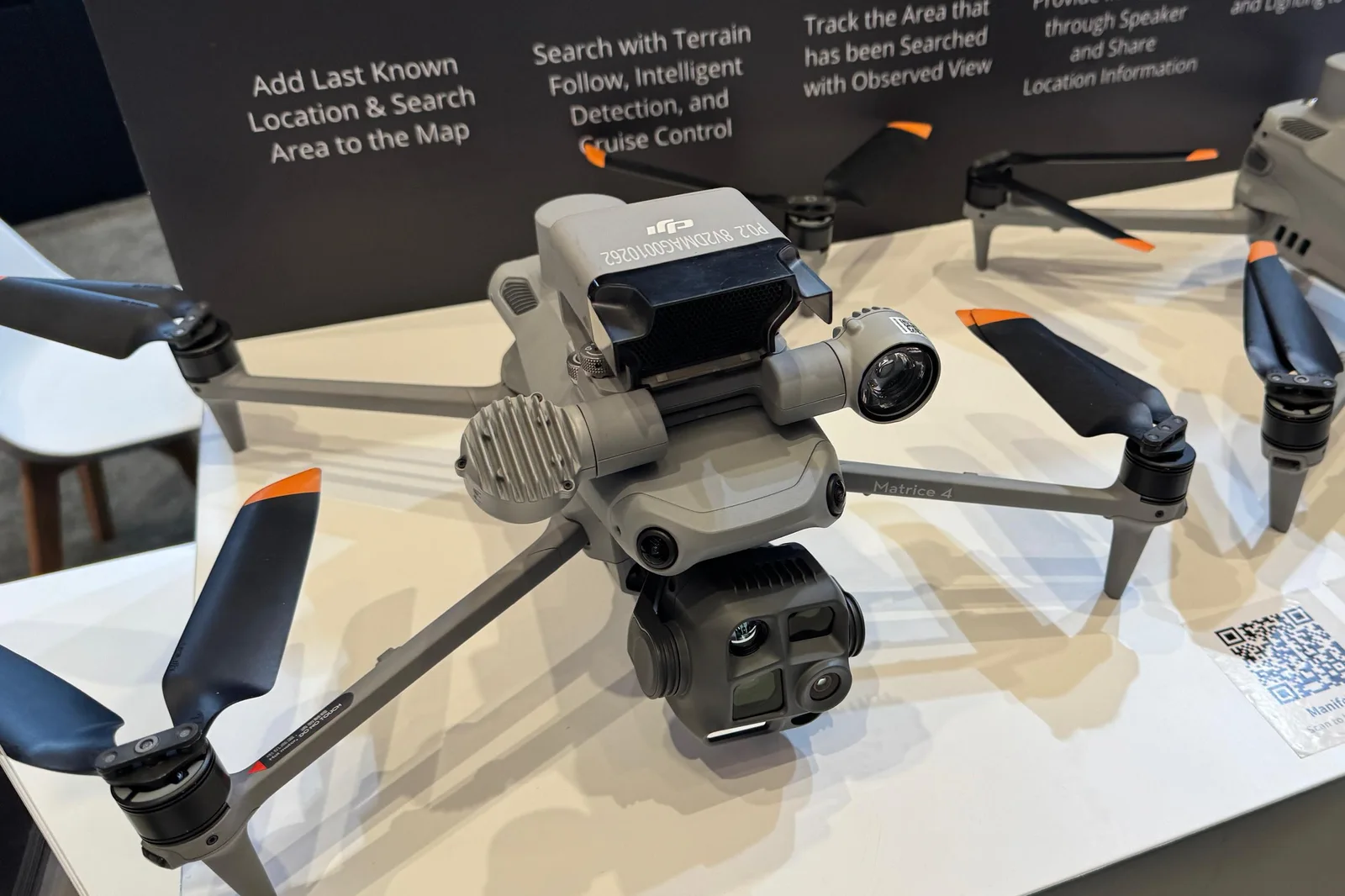
DJI's 26-page filing, signed by a former U.S. Solicitor General, says no security agency ever endorsed the FCC's seven military-grade drone categories.

Weber County rescue pilot Kyle Nordfors told the FCC no US-made drone matches what his team flies, and offered to prove it. His full comments, and how to file yours before midnight.
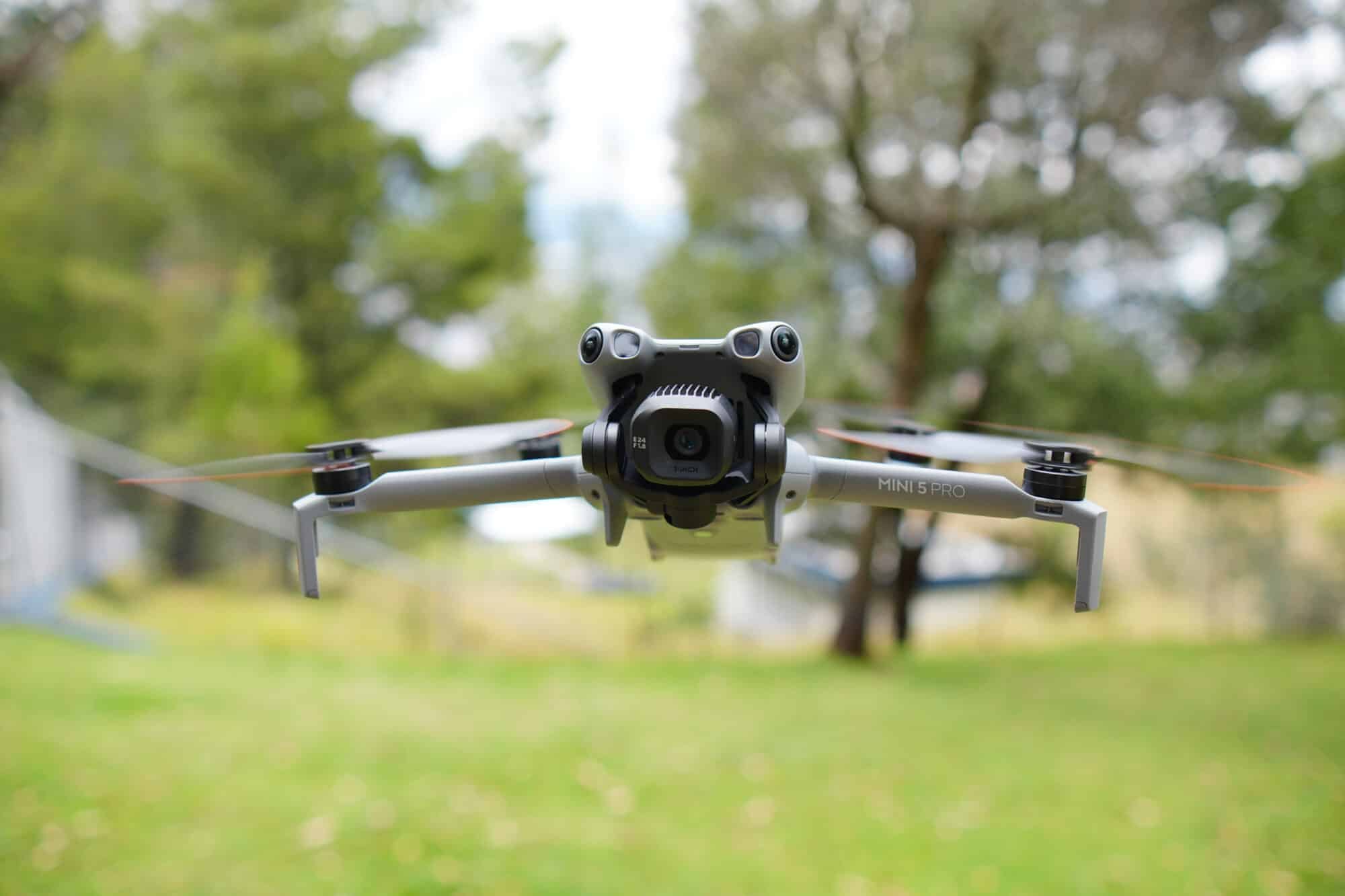
DroneXL filed comments in FCC docket 26-189 today. Read the filing in full, and use the step-by-step guide to submit your own before the window closes.
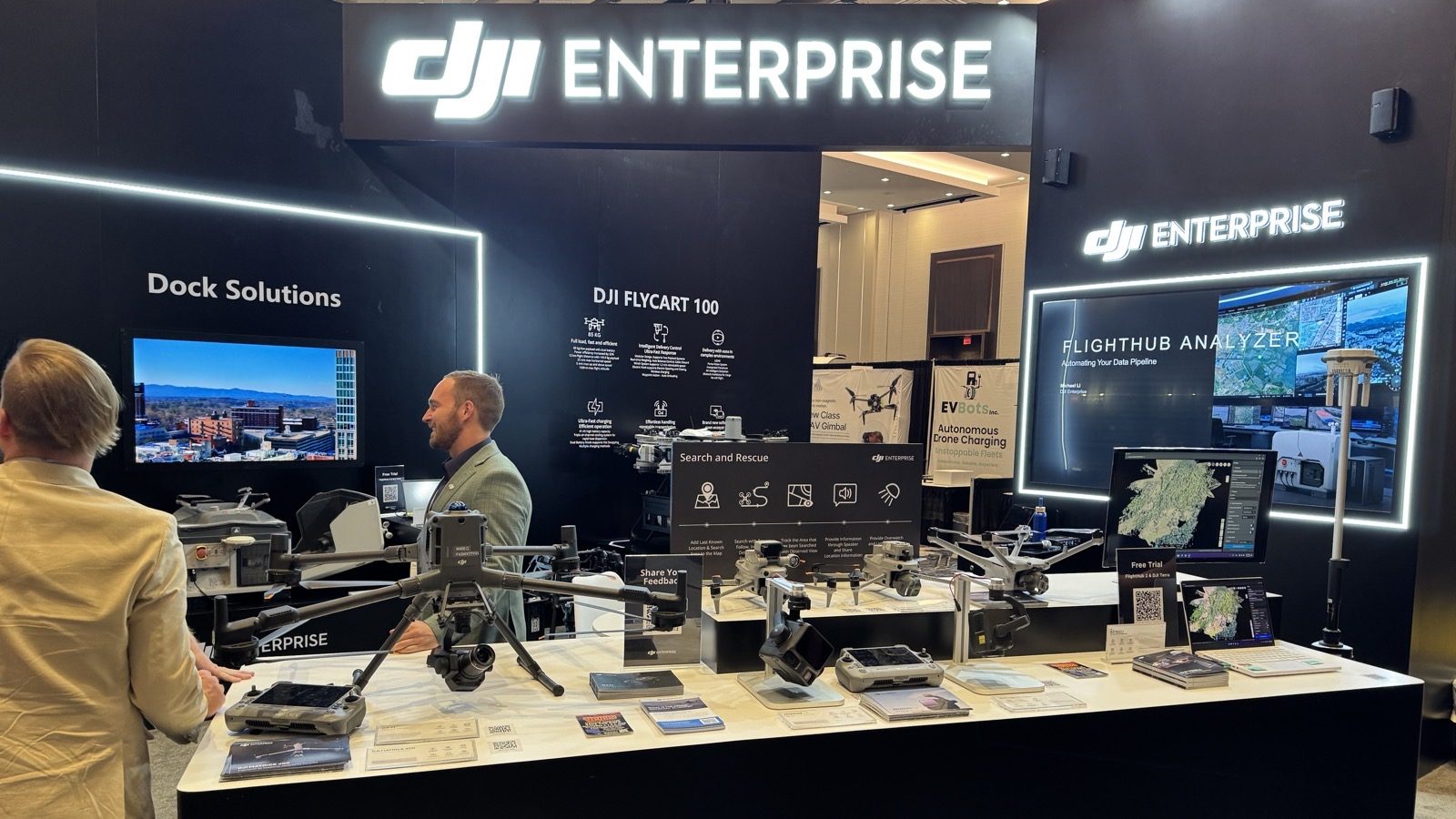
Every aircraft on DJI Enterprise's Commercial UAV Expo stand falls inside the FCC's proposed military-grade definition. Comments close today.
Fewer than 3,000 comments have been filed in PS Docket 26-189 against nearly half a million certificated remote pilots. The window closes September 2.
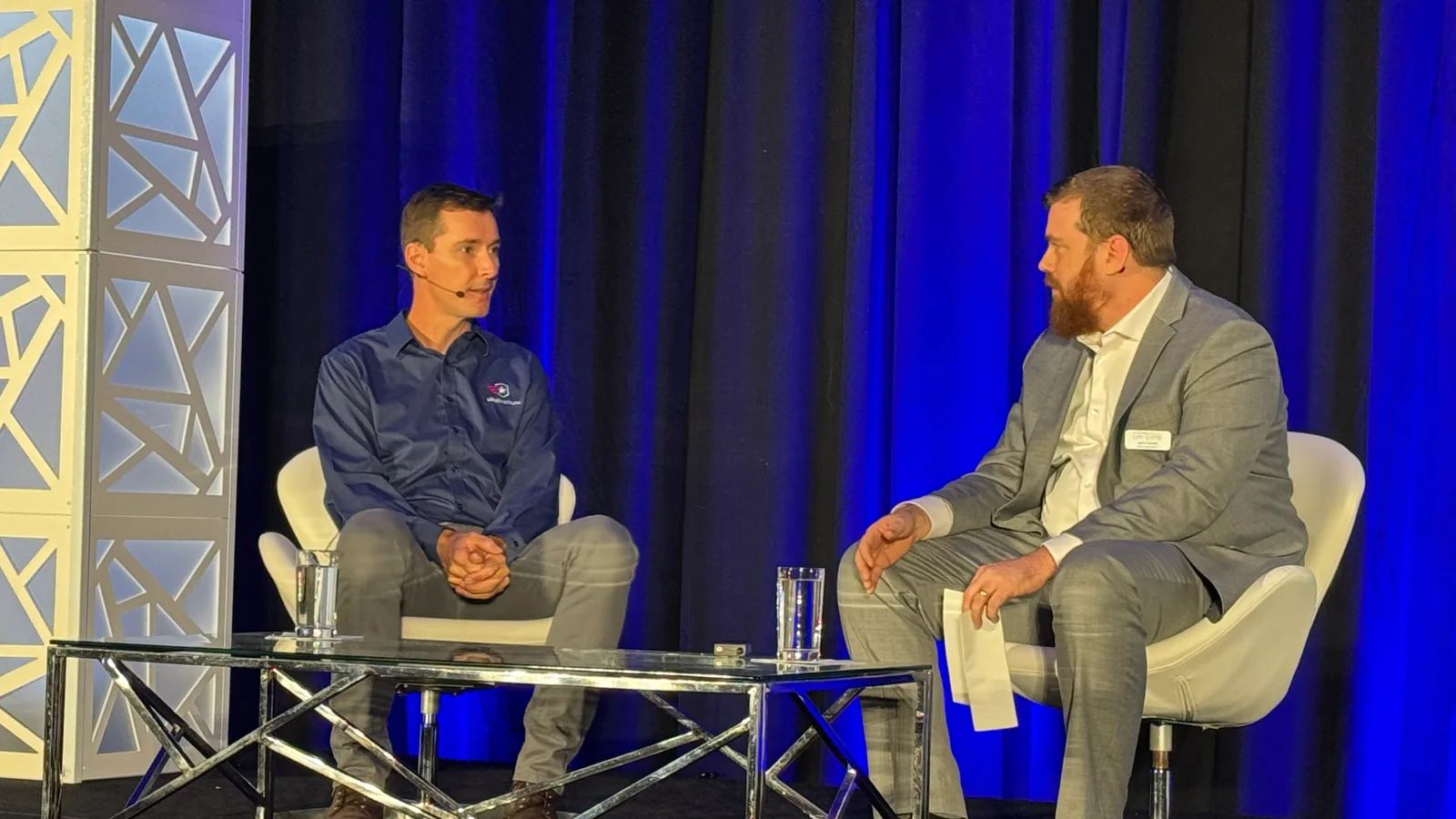
Greg Reverdiau told Commercial UAV Expo the affordable drone that created this industry is disappearing, and aviation already ran this experiment once.
Because drones are radios. Any device that transmits on regulated spectrum needs FCC equipment authorization before it can be legally imported or marketed in the United States. That authorization requirement is what turned the FCC into the most consequential drone regulator in the country after the FAA, since revoking or withholding it removes an aircraft from the American market without any aviation rulemaking.
It is the list of communications equipment the FCC deems an unacceptable national security risk. Foreign-made drones were added on December 22, 2025, and consumer routers followed on March 23, 2026. The agency gave itself retroactive authority in an October 28, 2025 vote, meaning it can reach authorizations it had already granted.
Yes, until at least January 1, 2029. Public Notice DA 26-454 waived the rules so that drones, critical components and routers authorized before their Covered List dates can keep receiving software and firmware updates, including security patches. The agency effectively conceded that cutting off patches to millions of deployed devices would create a worse security problem than the one the ban addresses. Eligibility runs off the authorization date: a drone authorized December 21, 2025 is covered, one authorized December 23 never was.
It is the FCC proceeding that would prohibit continued importation and marketing of previously authorized foreign drones falling into seven capability categories the agency calls military grade: 55 pounds or heavier, agricultural sprayers, thermal imaging, LiDAR, docking stations, aircraft designed to incorporate a defense article, and swarming systems. Comments close September 2, 2026. Industry objections center on how much ordinary commercial equipment those categories sweep in, including drone light shows.
Because authorization has to happen before a product can be sold, and the filings become public. That paperwork trail has revealed the Osmo Pocket 4's specifications, the Lito line ahead of its April 2026 launch, and the Avata 360 clearing authorization weeks before a ban deadline. It is the most reliable leak source in the industry precisely because it is a legal requirement rather than a marketing choice.
As restrictions tightened, drones with clear DJI engineering lineage began appearing under unfamiliar brand names, and researchers traced the connections through FCC filings, in one case finding a DJI logo inside a Lyno Dynamics filing. The strategy backfired: it hardened the case that the Covered List needed to reach beyond a single brand name, and the wider industry absorbed the consequences.
Owning and flying it is not what the FCC regulates. The rules govern importation and marketing, so the practical effects show up as products disappearing from shelves, replacement parts becoming hard to source, and eventual questions about update support. The firmware waiver to January 2029 is the one piece of good news for existing owners, and it is a deadline rather than a settlement.
One email with the drone news that matters — DJI, FAA, public safety, and everything in between, straight from the newsroom. No spam, no fluff.