
Pilot Institute · DJI
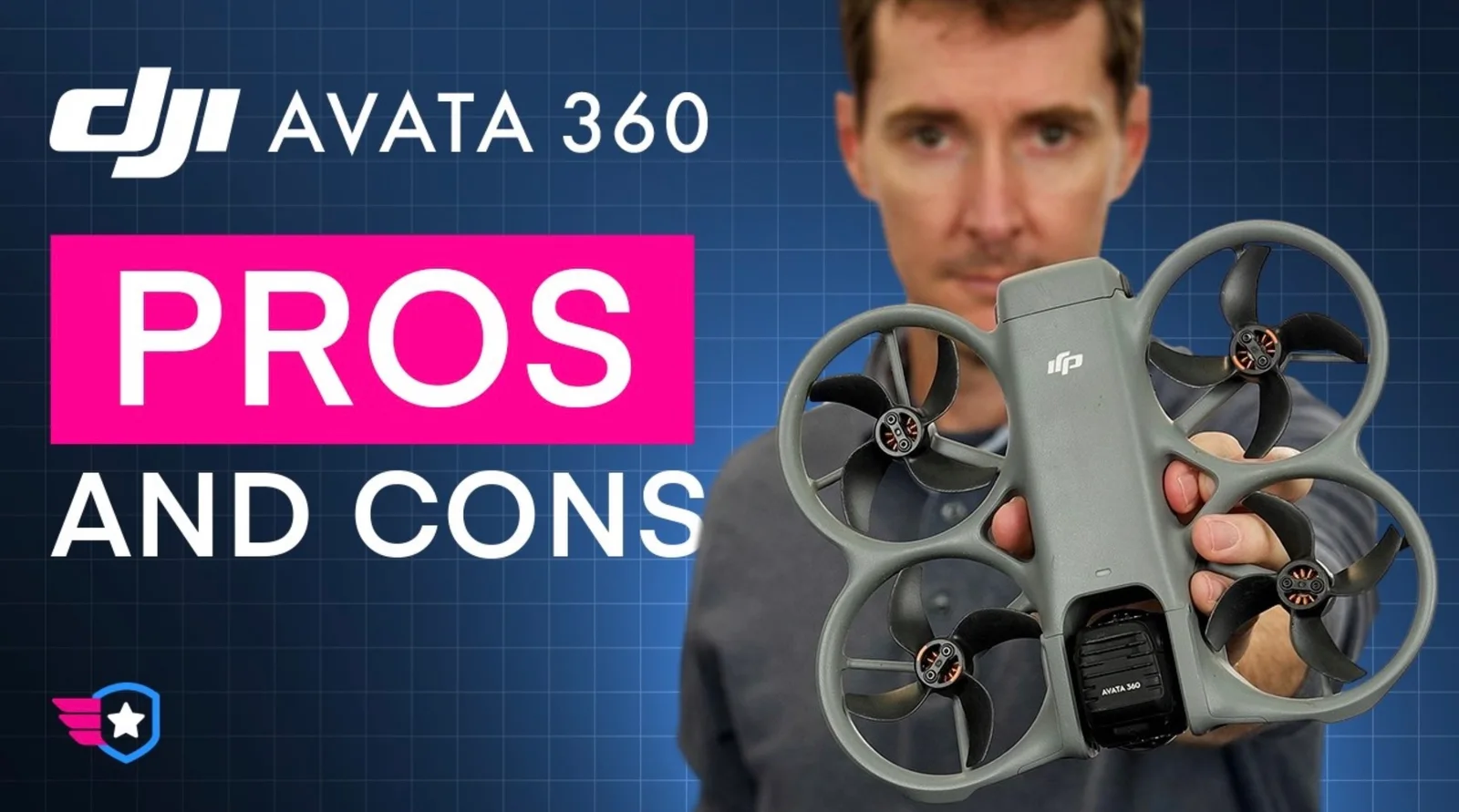
DJI Avata 360 After 3 Months: The Best and Worst of Flying 360
Pilot Institute spent three months flying and editing the DJI Avata 360. Here is what is great, what is frustrating, and who DJI's first 360 drone is really for.
News, deep dives, and analysis — every Pilot Institute story, newest first.
Pilot Institute is DroneXL’s Part 107 training partner, and this desk covers both direct licensing guidance and the plain-language FAA rule explainers pilots need once they’re actually flying commercially.
Regulatory literacy is the recent focus. The FAA’s Section 2209 drone rule opened for public comment, with an August 5 deadline to weigh in, the kind of rule change that affects real flight planning long before most pilots would otherwise notice it moving through the FAA’s process. Altitude rules get the same plain-language treatment: there are three legal ways to fly a drone above 400 feet, and one mistake that brings big fines for pilots who misunderstand the exception.
Broader FAA and drone-ban news that affects working pilots directly is tracked here too, including DARPA prize distributions, a lifesaving Everdrone AED delivery in Sweden, and the FCC weighing a ban on DJI drones in the same news cycle.
For general Part 107 background, see the Part 107 category archive and the Part 107 drone license guide. Every Pilot Institute story is in the feed below.
Last updated September 19, 2026 — the feed below updates with every new story.
Pilot Institute spent three months flying and editing the DJI Avata 360. Here is what is great, what is frustrating, and who DJI's first 360 drone is really for.
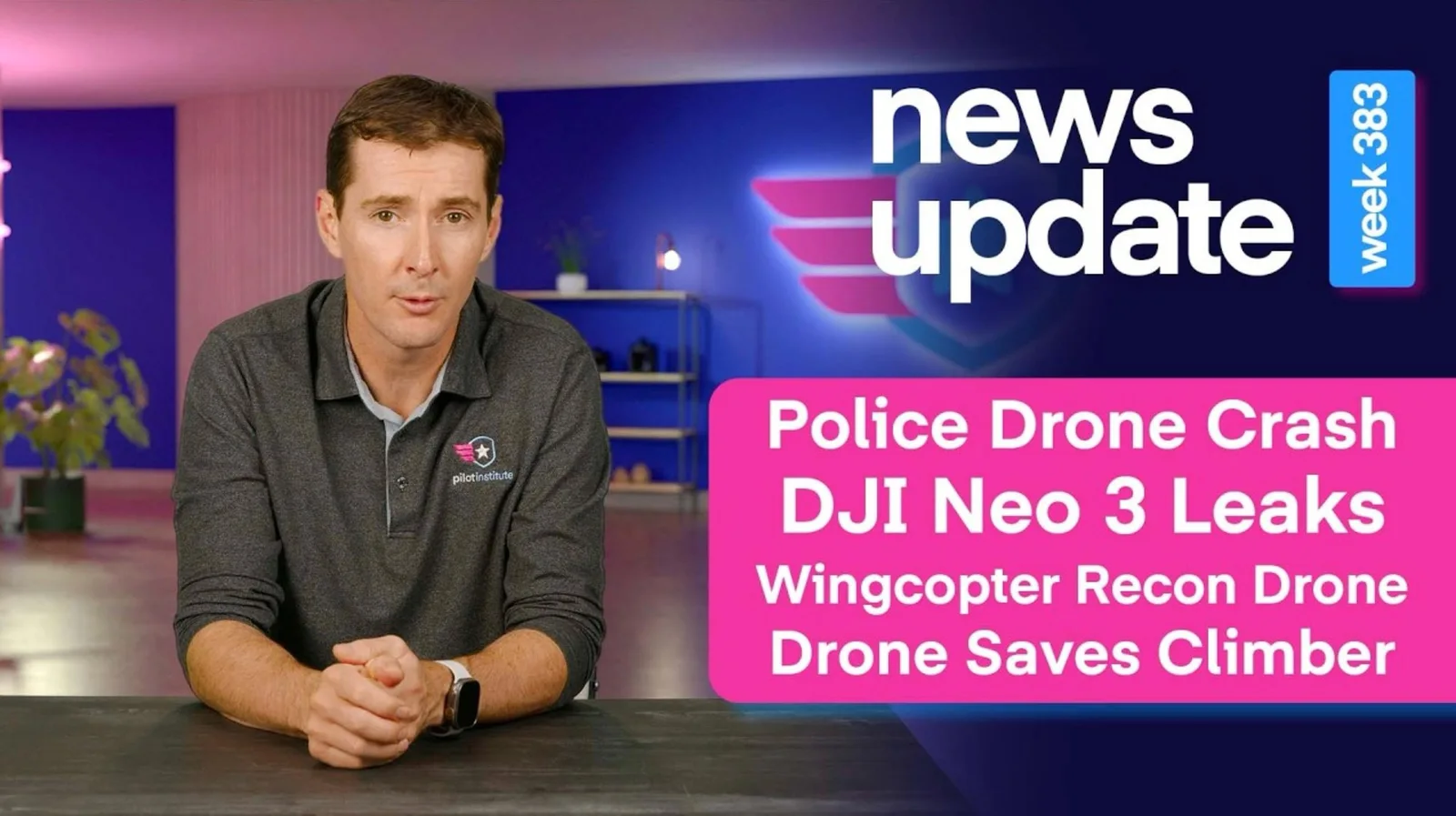
Welcome to your weekly UAS news update. We have four stories for you this week: a Boston police drone crashes, DJI Neo 3 leaks, Wingcopter unveils a new recon drone, and a search and rescue team in Canada uses drones to save a stranded climber. Let's get to it.

I sat down with revenue operations specialist Amy Wiegand to talk through the drone market squeeze, the Part 108 question mark, and the decisions drone service providers should be making today.

Welcome to your weekly UAS news update. We have three stories for you this week: a Zipline drone has a mishap near Houston, a Part 108 progress update from the TSA and OIRA, and the FCC gets over 3,800 comments on its military-grade drone proposal. Let's get to it.

Pilot Institute coded all 3,824 readable filings in FCC docket 26-189 against the 11 questions the Commission actually asked. Here is what the record says.

A real estate photographer's DJI Mavic 4 Pro is shot out of the sky in Athens, Alabama, GoPro hands 90% of the company to Starman Optical, and UAS Sentry unveils the $1,595 Nexus Observer portable Remote ID detector.

Pilot Institute read and coded all 3,824 filings in FCC docket 26-189. 98.6% oppose the military-grade drone ban as written. Sixteen support it.
Fewer than 3,000 comments have been filed in PS Docket 26-189 against nearly half a million certificated remote pilots. The window closes September 2.
The FAA's Section 2209 drone rule opened for public comment with an August 5 deadline to weigh in, a rule change directly relevant to working pilots trying to understand new restricted-flight zones before they take effect.
In specific, defined situations. There are three legal ways to fly a drone above 400 feet, and one common mistake that brings big fines for pilots who get the exception wrong, which is why this kind of guidance matters more than the bare altitude rule alone.
No. Alongside exam prep, coverage extends to ongoing regulatory literacy for certified pilots, including how new FAA rulemaking like Section 2209 actually affects day-to-day commercial flying once a pilot already holds a license.
One email with the drone news that matters — DJI, FAA, public safety, and everything in between, straight from the newsroom. No spam, no fluff.