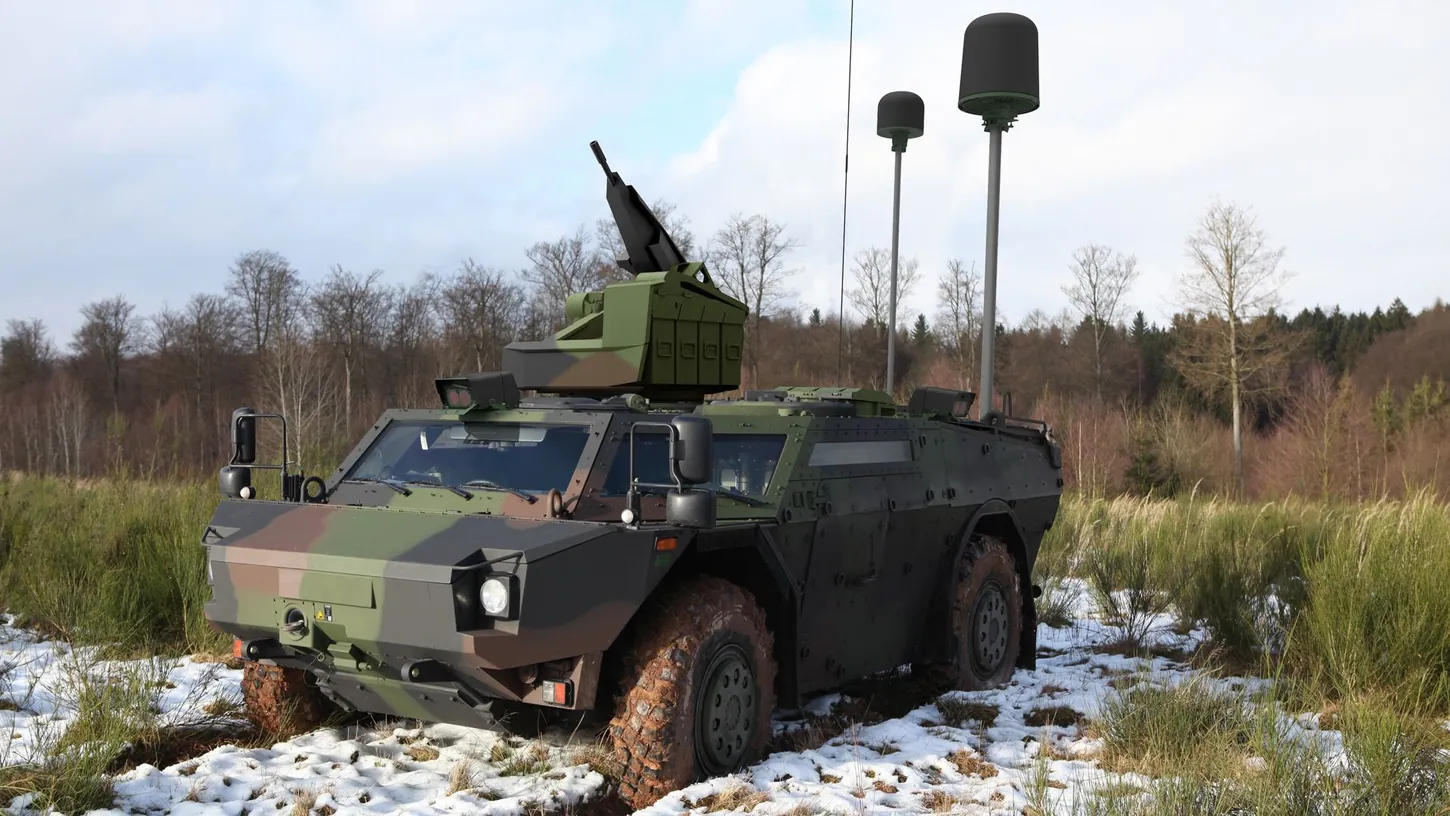
KNDS Shows AI Counter-Drone FENNEK AIR Prototype at NEDS
KNDS Deutschland presented a FENNEK AIR prototype in Rotterdam, an AI counter-drone vehicle with a 30 mm ARX30 weapon station and adaptive camouflage.
News, deep dives, and analysis — every Artificial Intelligence story, newest first.
AI in drones is two stories wearing one acronym: genuine autonomy arriving on battlefields, and a marketing word stamped on features that have existed for years. This desk keeps them separate.
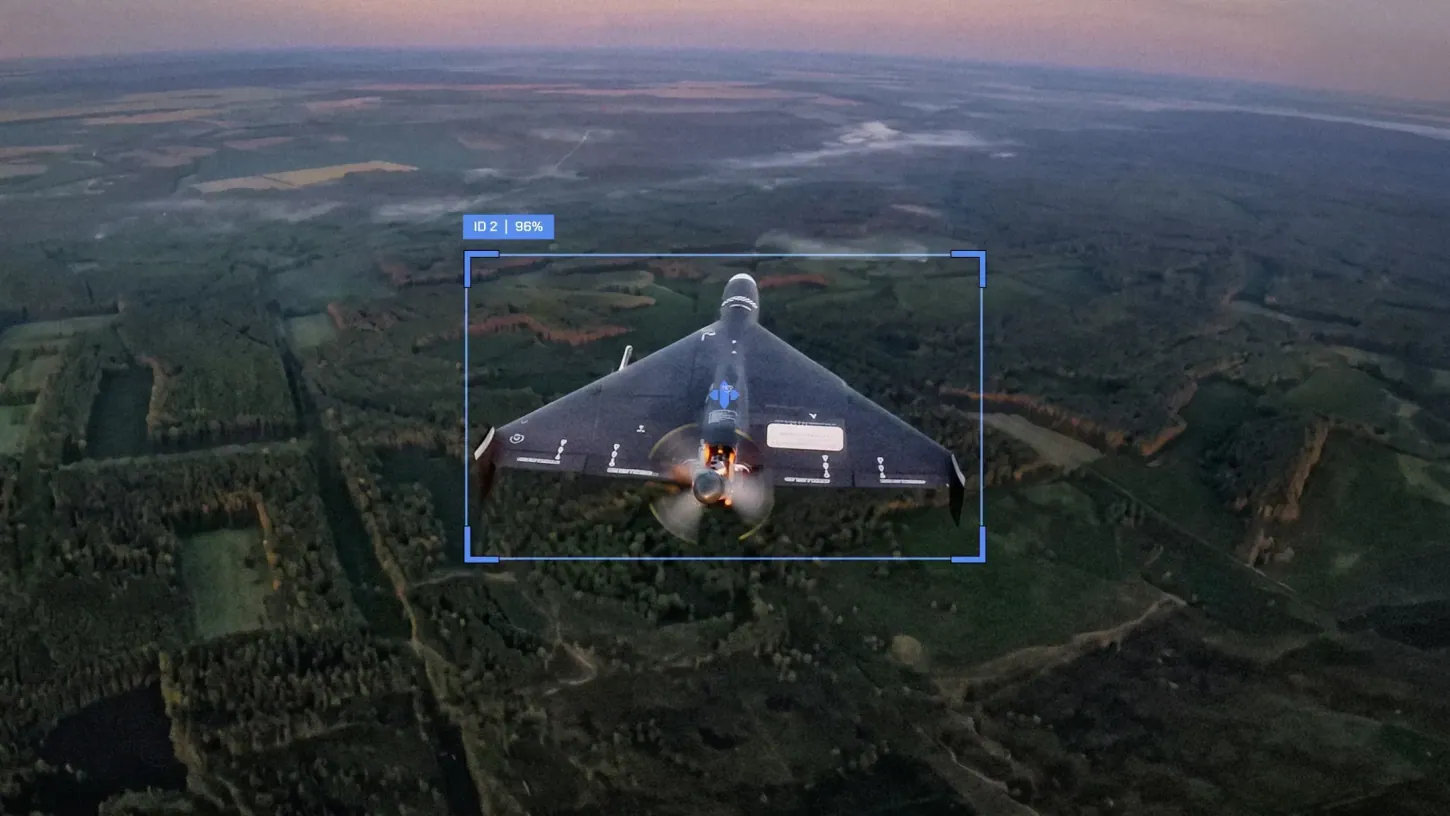
The genuine story crossed its threshold in Ukraine. Kolibri, Ukraine’s autonomous FPV, flies 25 miles and finishes strikes alone after losing link. On the other side, a Russian AI drone guided by an off-the-shelf Nvidia Jetson chip killed three civilians in Zaporizhzhia — commodity hardware, weaponized autonomy, documented. The Ukraine desk carries the battlefield context.
The civilian counterweight is real research: University of Houston is building a provable drone safety net — mathematical guarantees rather than marketing assurances. And the marketing tax is real too: DJI drew creator backlash for using an AI avatar to sell a microphone built for human creators.
Autonomy also decides the defensive race — the counter-drone desk tracks interceptors that are themselves increasingly autonomous. Every AI drone story lands in the feed below.
Last updated November 19, 2026 — the feed below updates with every new story.
KNDS Deutschland presented a FENNEK AIR prototype in Rotterdam, an AI counter-drone vehicle with a 30 mm ARX30 weapon station and adaptive camouflage.

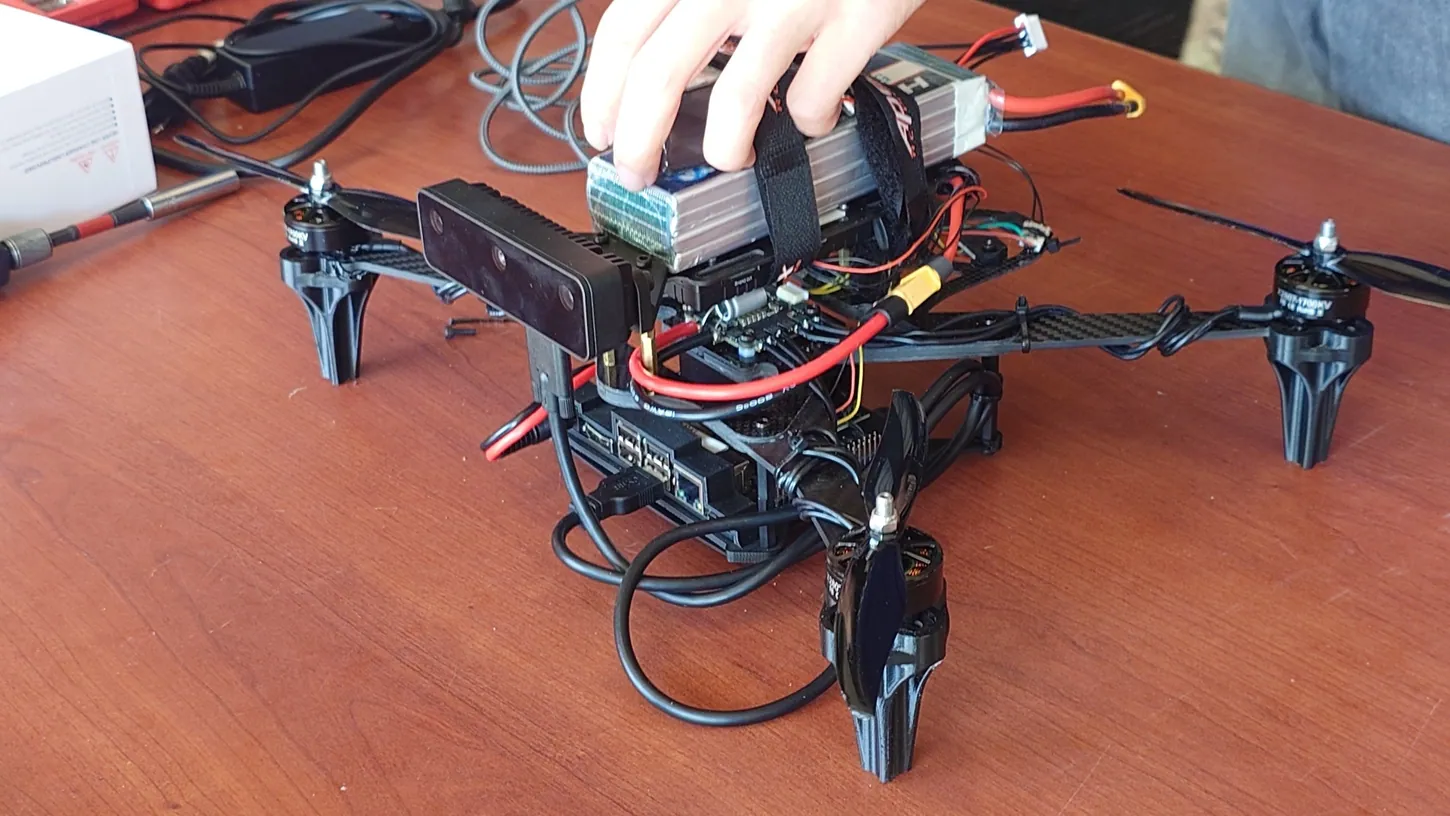
Stanford's first DroneHacks gave 100 students identical quadcopters and 48 hours to fly an obstacle course without GPS. A mostly UT Austin team won.
SkyeBrowse Realistic 3D blends original video frames onto drone and phone 3D models, free through Dec. 31, then only on Pro and Public Safety.
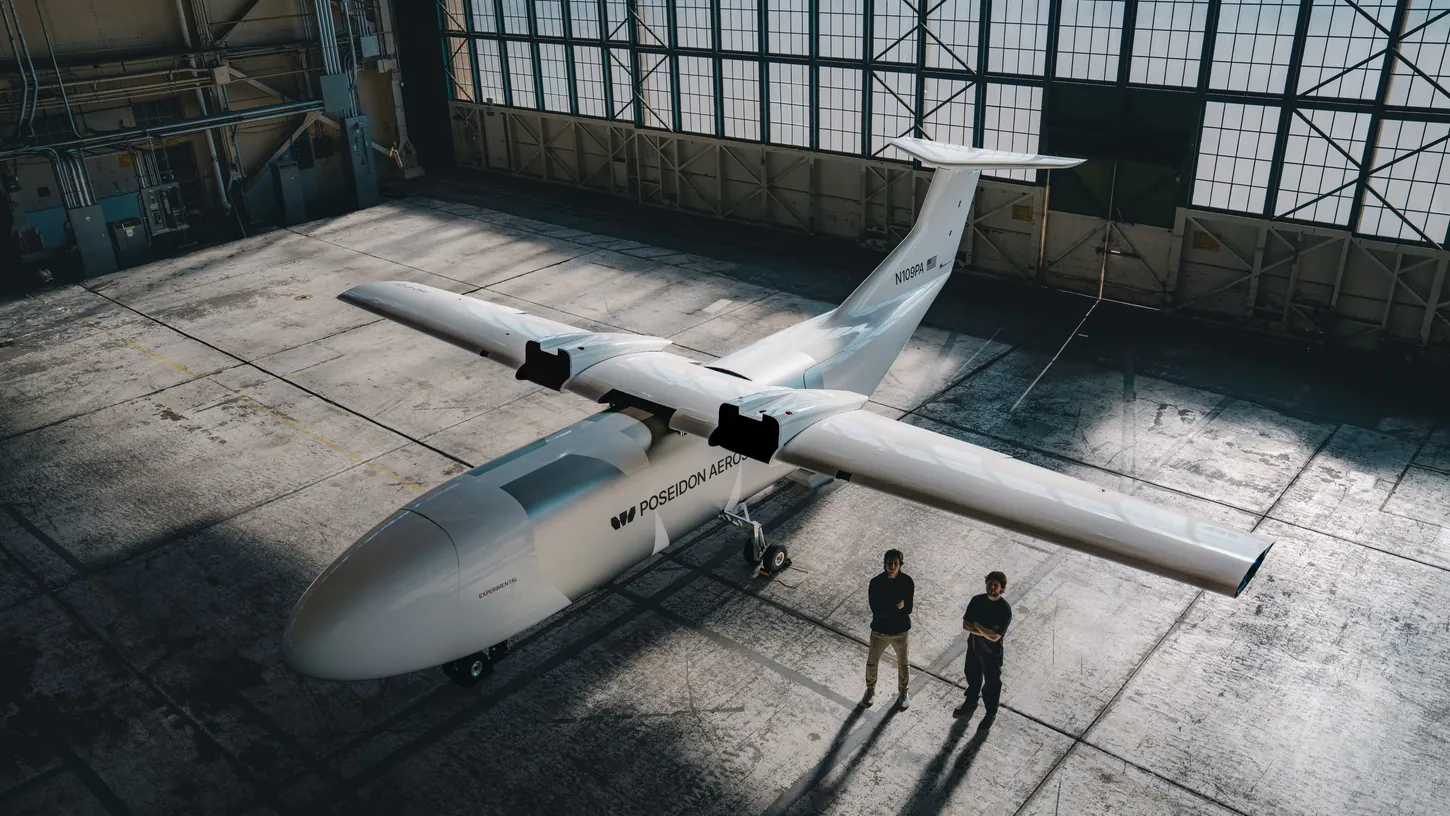
Flexcompute says Poseidon Aerospace used AI geometry prep and GPU simulation to build the Egret's aerodynamic database in three weeks, not eight months.
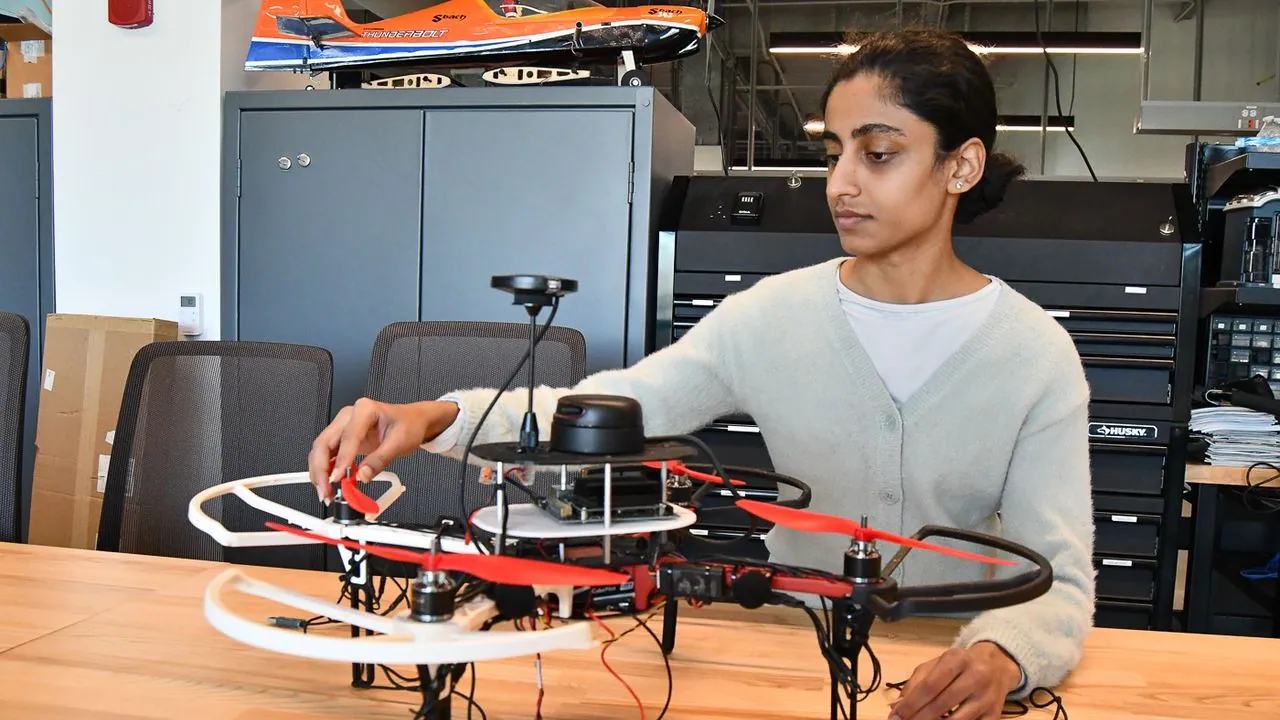
University of Cincinnati students and a NASA Ames researcher trained a model on healthy motor sound only. It flags faulty drones at about 97% precision.
The US wants five more years and a voluntary text on autonomous weapons. The Pentagon got 90 days to rewrite its own rule. Russia stalled the opening.
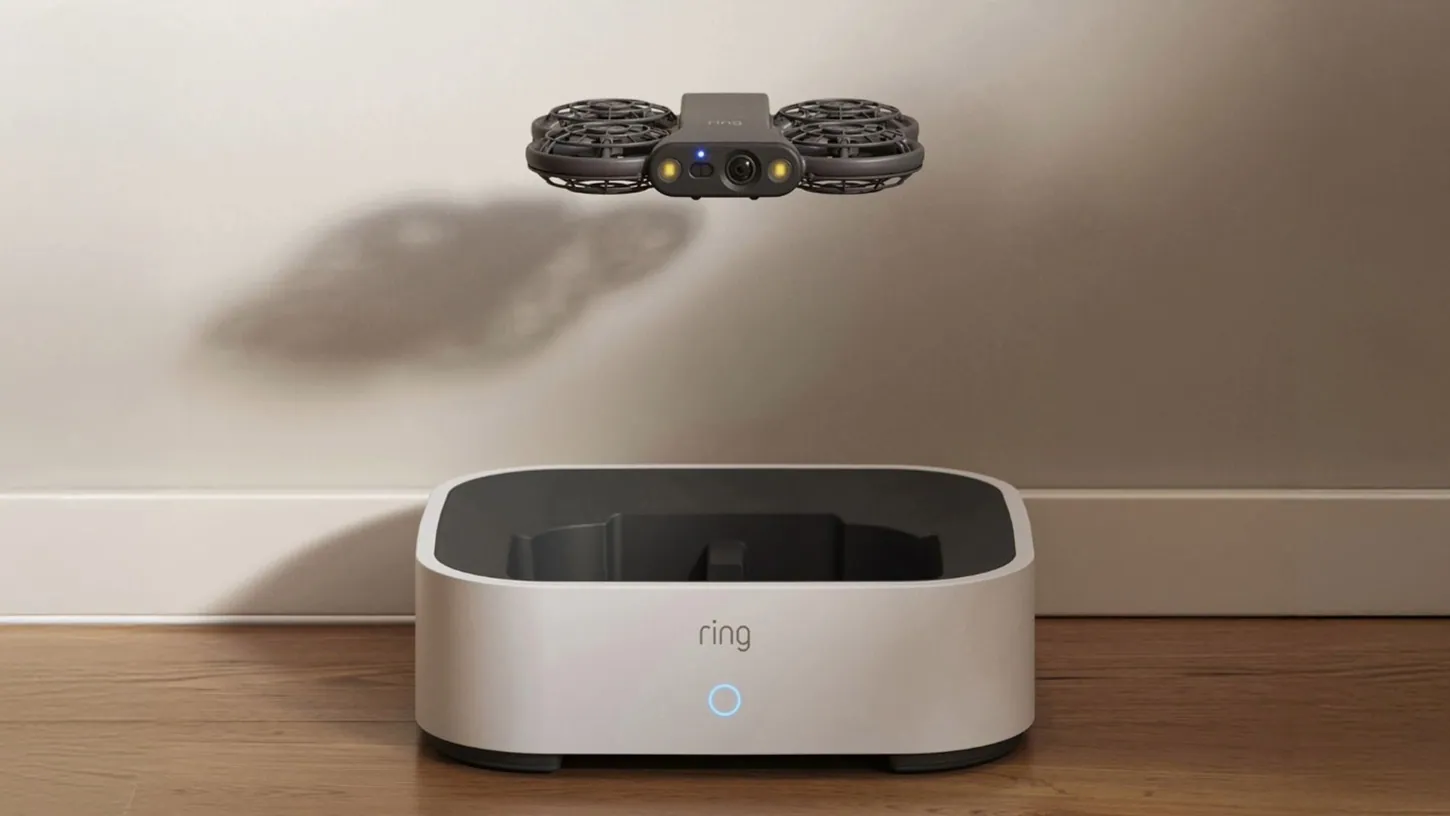
A Ring Drone Cam prototype crashed twice in a CBS demo. Ring's founder said it lost its connection and did not land. It ships without manual controls.
Ukraine is opening Avengers Labs, built mostly from drone footage, to allied defense firms at no charge. They must license their AI software back to Kyiv.
Both, and the difference is the story. Real: autonomous terminal guidance in Ukraine, a strike drone that finishes its attack after losing link, commodity Nvidia chips guiding munitions. Marketing: 'AI' stamped on obstacle avoidance and subject tracking that have existed for years.
The deployed systems mostly navigate and complete strikes autonomously after a human picks the target — but the Zaporizhzhia killing by an AI-guided drone on off-the-shelf hardware shows how thin that line has become in practice.
Seriously, yes — University of Houston's provable safety-net research is the encouraging kind, aiming at mathematical guarantees rather than assurances. It is outnumbered by the deployment pace, which is the honest summary of the field.
One email with the drone news that matters — DJI, FAA, public safety, and everything in between, straight from the newsroom. No spam, no fluff.