FAA Set to Propose New Rules for Expanded Drone Use in U.S. Deliveries

Check out the Best Deals on Amazon for DJI Drones today!
On Friday, U.S. Transportation Secretary Sean Duffy announced that the Federal Aviation Administration (FAA) is gearing up to propose rules expanding drone use for deliveries and other services, a potential turning point for the U.S. drone industry.
Speaking after touring Amazon’s Prime Air headquarters in Seattle, Duffy told reporters the FAA aims to provide “more authority and clarity” to drone developers, with a proposal expected “in relatively short order.” This development, first reported by Reuters, responds to industry demands but lands amid the FAA’s past delays and the Trump administration’s budget cuts.
These rules could unlock widespread beyond visual line of sight (BVLOS) operations, critical for companies like Amazon Prime Air, Zipline, and Wing. Yet, with precedents like Remote ID dragging on for years and agency resources thinning, the road ahead is fraught. Here’s the breakdown.
Regulatory Hope vs. Historical Delays
Duffy stressed urgency: “If we don’t have clear rules that allow innovators to innovate and create products and test products, it won’t happen here.” The FAA’s focus is BVLOS, a goal the Commercial Drone Alliance championed in February, decrying the “bureaucratic and time-consuming” approval process. The agency’s draft has input from other federal bodies, suggesting momentum.
But the FAA’s history tempers optimism. Remote ID, proposed in 2019 to track drones in real time, stumbled through industry pushback and legal fights, landing in 2023—four years later. Now, Trump-era budget cuts and staff reductions could further hamstring the FAA, making Duffy’s “short order” timeline a tall order.
Delivery Drones: Capabilities and Limits
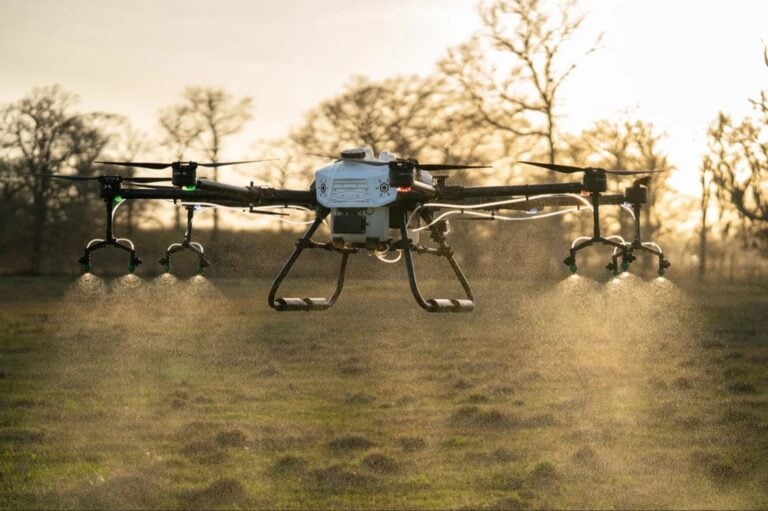
Drone delivery hinges on specialized hardware. DJI’s FlyCart 30 hauls 66 pounds over 10 miles at 45 mph, with a winch for precise drops and dual-battery redundancy—though its 28-minute flight time shrinks with cargo. Amazon Prime Air’s drones, tailored for 5-pound packages over 15 miles, have logged FAA-approved trials since 2022. Zipline’s fixed-wing drones, carrying 3.8 pounds up to 50 miles, excel in medical drops, while Wing’s nimble craft manage 2.5-pound loads over 12 miles, optimized for suburban runs.
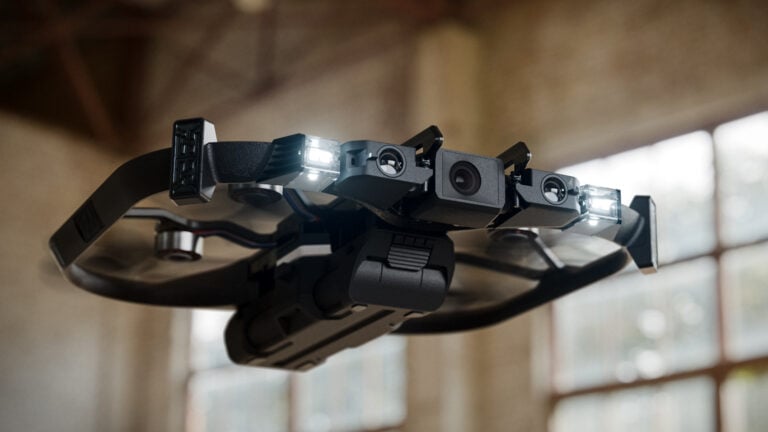
BVLOS demands more: detect-and-avoid systems (radar, AI cameras) to dodge obstacles beyond 1,000 feet. Battery life remains a bottleneck—Wing’s 15-minute flights and Zipline’s 45-minute range need boosts for broader scale. Infrastructure lags too. The FAA’s Unmanned Aircraft System Traffic Management (UTM), evolving with NASA, must enforce 200-foot horizontal and 100-foot vertical separations for thousands of flights. Urban corridors are scarce; rural hubs are nascent.
Market Stakes: U.S. Players vs. Global Leaders
China’s DJI dominates the drone industry, and recently introduced the DJI FlyCart 30 cargo drone, with more than 70% of U.S. commercial sales. Data security fears—spurred by December 2024 legislation set to ban new DJI models and January 2025 Commerce proposals to curb Chinese drones—elevate U.S. firms.
Amazon Prime Air might scale faster with BVLOS rules, while Zipline and Wing eye rapid expansion beyond niche markets. Wing, owned by Alphabet, has delivered over 350,000 packages globally, per company data.
Still, the U.S. lags. China’s JD.com runs BVLOS nationwide; Europe’s EASA has drone corridors since 2023. Duffy’s warning about importing “someone else’s technology” rings true if the FAA stalls. FlyCart 30’s $42,000 price undercuts U.S. alternatives, which often exceed that due to smaller-scale production.
Regulatory Challenges in a Strapped FAA
The proposal will likely expand Part 107 (55-pound limit, 400-foot ceiling) to cover BVLOS, higher weights, and night flights—now waiver-only. Integrating drones with manned airspace, addressing privacy, and quieting noise (FlyCart 30 hits 80 decibels; Wing’s hum annoys some) need resources the FAA may lack. Remote ID’s four-year trek suggests a 2027 finish at best, especially with cuts thinning staff for technical or public reviews.
The Chinese drone ban complicates matters. Operators might scramble for U.S.-made delivery drones—Zipline’s, Wing’s, Wingcopter’s and Amazon’s delivery drones are all proprietary—if rules outpace supply.
Potential Meets Peril
Success could transform logistics—FlyCart 30 dropping 66 pounds, Prime Air hitting 30-minute windows, Zipline and Wing scaling up—fueling a $43 billion industry by 2030, per Drone Industry Insights. But Remote ID’s delay and today’s lean FAA signal risk. Budget cuts could stretch “short order” into years, ceding ground to China.
DroneXL’s Take
Duffy’s vision excites, but the FAA’s Remote ID slog and current cuts breed doubt. FlyCart 30, Prime Air, Zipline, and Wing are poised—rules aren’t. If the FAA falters, the U.S. might import China’s drone future instead of flying its own. Timing’s everything.
Discover more from DroneXL.co
Subscribe to get the latest posts sent to your email.
Check out our Classic Line of T-Shirts, Polos, Hoodies and more in our new store today!

MAKE YOUR VOICE HEARD
Proposed legislation threatens your ability to use drones for fun, work, and safety. The Drone Advocacy Alliance is fighting to ensure your voice is heard in these critical policy discussions.Join us and tell your elected officials to protect your right to fly.

Get your Part 107 Certificate
Pass the Part 107 test and take to the skies with the Pilot Institute. We have helped thousands of people become airplane and commercial drone pilots. Our courses are designed by industry experts to help you pass FAA tests and achieve your dreams.

Copyright © DroneXL.co 2026. All rights reserved. The content, images, and intellectual property on this website are protected by copyright law. Reproduction or distribution of any material without prior written permission from DroneXL.co is strictly prohibited. For permissions and inquiries, please contact us first. DroneXL.co is a proud partner of the Drone Advocacy Alliance. Be sure to check out DroneXL's sister site, EVXL.co, for all the latest news on electric vehicles.
FTC: DroneXL.co is an Amazon Associate and uses affiliate links that can generate income from qualifying purchases. We do not sell, share, rent out, or spam your email.