NYT Warns AI Drone Swarms Could ‘Hunt and Kill on Their Own’ as Pentagon Loses War Games

Check out the Best Deals on Amazon for DJI Drones today!
The New York Times Editorial Board just issued one of the most alarming assessments of American military readiness in recent memory, and drones are at the center of it.
In a sweeping editorial series titled “Overmatched,” the newspaper warns that cheap, autonomous drone swarms are reshaping warfare faster than the Pentagon can adapt, and that the U.S. is falling dangerously behind China and Russia in this new arms race.
We’ve been covering drone warfare’s evolution for years, from Ukraine’s 9,000-drone-per-day operations to China’s DeepSeek-powered military AI. But seeing the Times’ editorial board, speaking for the newspaper itself, declare that autonomous drones will soon “work in unison to find and kill targets without any human oversight” signals a turning point in mainstream awareness of where battlefield technology is heading.
The editorial opens with a chilling anecdote: at the November 2023 Biden-Xi summit in San Francisco, Chinese aides wiped down every surface President Xi Jinping had touched, including his dessert plate, to remove any trace of his DNA. American officials concluded China fears “you could design a disease that would only affect one person.”
That’s the world we’re entering. And drones are just the beginning.
Pentagon’s Secret Assessment Paints Alarming Picture
The Times reveals details from a classified Pentagon assessment called the “Overmatch brief” that has been delivered to multiple administrations. The findings are stark: in war games pitting U.S. forces against China, America consistently comes up short.
The editorial explains why: America’s military remains built around expensive, vulnerable weapons while adversaries field cheap, technologically advanced alternatives. Former Deputy Defense Secretary Bob Work warned in 2021:
“Every single link or communication system we have is covered by a Chinese jammer. They do all sorts of cyber intrusions. And they put them all under one commander and this commander just looks at the American battle network and says, ‘How can I break it apart?'”
| U.S. Legacy System | Cost | Adversary Alternative | Cost |
|---|---|---|---|
| F-35 pilot helmet alone | $400,000 | Russia’s V2U autonomous kamikaze drone | Fraction of cost |
| Ford-class aircraft carrier | $13 billion | China’s hypersonic missile arsenal | ~600 missiles |
| Switchblade 600 loitering munition | $100,000+ | Ukrainian FPV drone | $400 |
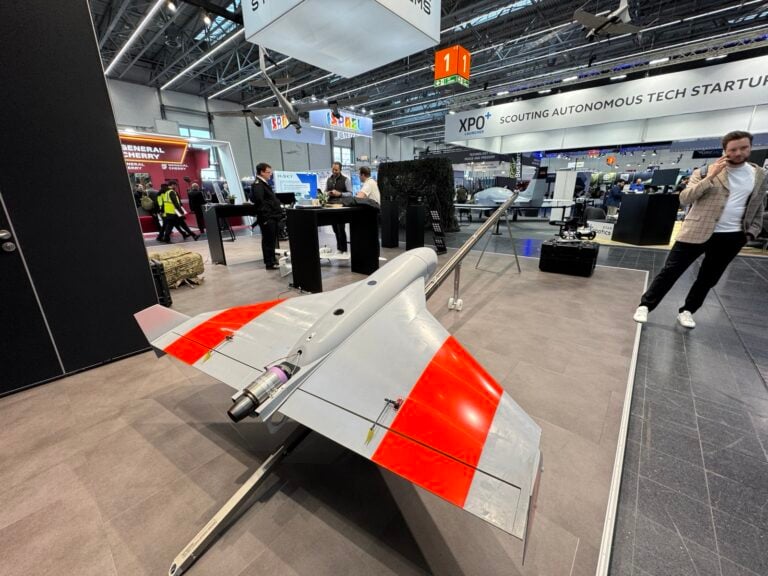
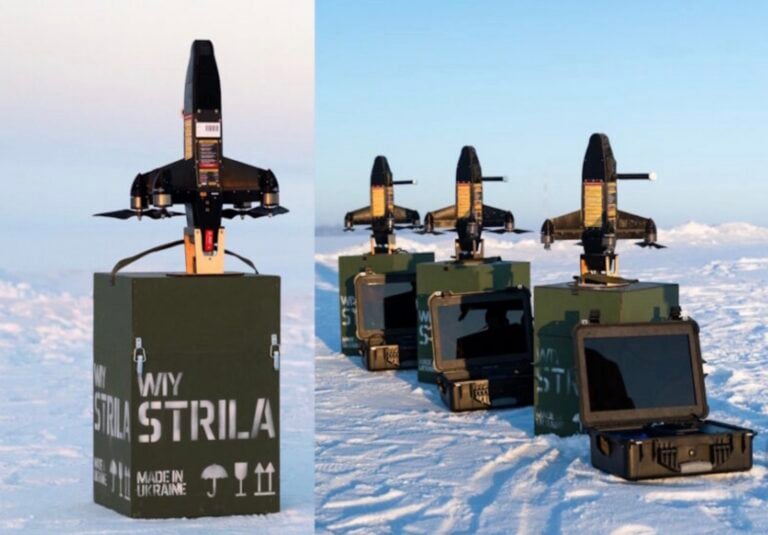
The F-35 Lightning II, America’s newest fighter, spends more time undergoing maintenance than actually flying, the Times notes. Meanwhile, Russia has deployed the V2U drone in Ukraine, a system that can fly dozens of miles (over 50 km), identify and lock onto targets, and deliver around 3 kg of explosives in a nosedive, apparently all without requiring an active human control link. Built from off-the-shelf parts at a fraction of American weapons costs, it represents the asymmetric threat the Pentagon is struggling to counter.
The Swarm Revolution: Testing Today, Combat Tomorrow
The Times editorial warns that China is testing drone swarms that could soon operate autonomously at scale. One PLA Air Force senior colonel described recent tests as a “very important step toward the PLA having ‘true swarm’ capabilities.”
The distinction matters: today’s drone warfare in Ukraine features mass deployment of semi-autonomous systems that still require human operators for targeting decisions. The fully autonomous swarms the Times fears, capable of hunting and killing without any human oversight, remain in advanced testing rather than routine combat use. But that gap is closing fast.
And China isn’t alone in this race. Western companies are developing the same technology.
Swiss-American company Auterion launched its Nemyx drone swarm strike engine in September 2025, the first system capable of coordinating drones from multiple manufacturers into a single, AI-guided attack force.
CEO Lorenz Meier declared: “Nemyx transforms individual drones into a coordinated swarm, multiplying mission impact and operational efficiency.”

Auterion is currently shipping more than 33,000 Skynode AI “strike kits” to Ukraine under a Pentagon contract, with global deliveries expected to surpass 50,000 units within six months. All of these units are capable of receiving the Nemyx swarm upgrade.
Palmer Luckey’s Anduril tested its Fury drone over the Mojave Desert on October 31, 2025, marking the first AI-controlled flight of what the Pentagon hopes will become a fleet of 1,000 robotic wingmen flying alongside traditional fighter jets.
Ukraine: Pioneering Mass Semi-Autonomous Warfare
The Times mentions Ukraine briefly, but the reality on the ground deserves deeper attention. Ukraine is pioneering what may be the transitional phase between today’s remotely-controlled drone warfare and tomorrow’s fully autonomous systems.
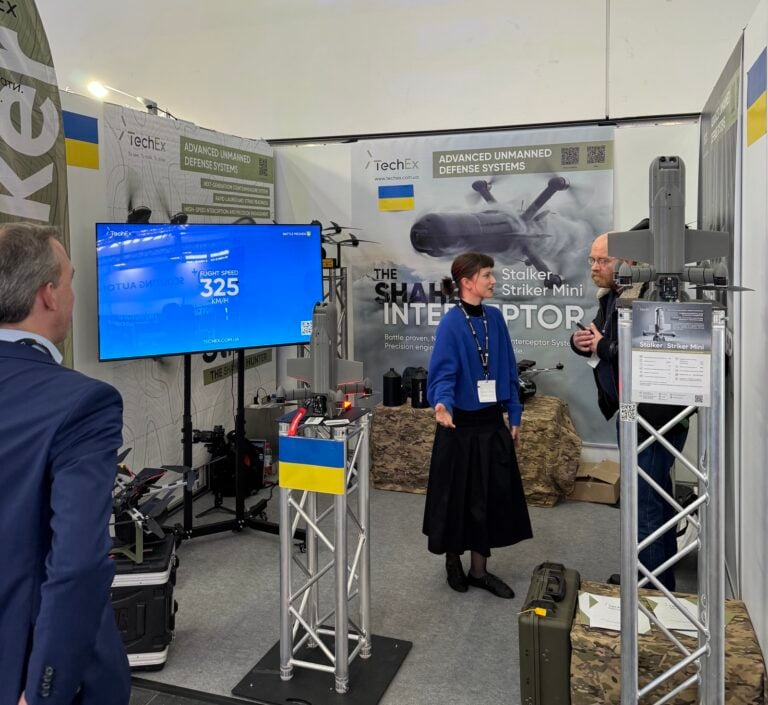
Ukraine is deploying approximately 9,000 drones per day against Russian forces. The country now has around 500 domestic drone manufacturers producing up to 200,000 FPV drones per month. President Zelensky has declared Ukraine capable of manufacturing 4 million drones annually.
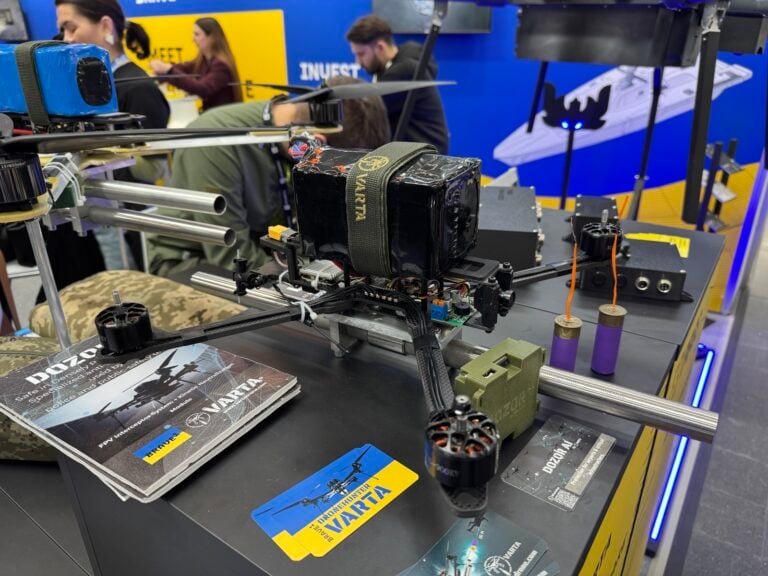
These systems increasingly feature AI assistance. Ukrainian companies like The Fourth Law have developed AI targeting modules costing just $70 that boost strike success rates from 20% to 80%. The AI handles “last-mile targeting,” maintaining lock on targets even through shadows or tree cover, but humans still make engagement decisions. Fiber-optic tethered drones now account for roughly 10% of production, immune to Russian jamming but still operator-controlled.

Ukraine has even gamified drone warfare. The “Army of Drones Bonus System” rewards soldiers with points for confirmed kills, redeemable for advanced weapons on an online marketplace. First Deputy Prime Minister Mykhailo Fedorov reported 18,000 Russian casualties in September 2025 alone through this system, with 400 drone units now participating.
The lessons are clear: cheap drones with AI assistance, operated at massive scale, can neutralize expensive conventional forces. Ukraine’s $400 FPV drones routinely destroy Russian tanks worth millions. The question is how quickly this evolves toward the fully autonomous systems the NYT warns about.
America’s AI Military Programs
The Times highlights several U.S. initiatives attempting to keep pace:
Project Maven: The National Geospatial-Intelligence Agency’s AI targeting system is now deployed in every major U.S. military command worldwide. It has suggested targets in Iraq, Syria, and Yemen that U.S. forces subsequently destroyed, and provided intelligence that Ukraine used to strike Russian targets.
Palantir’s Maven Smart System: Peter Thiel and Alex Karp’s data analytics company runs a classified network used daily by military intelligence officers worldwide, integrating information from agencies like NGA into actionable targeting data.
Anduril’s Drone Defense: Palmer Luckey’s company won an Army contract in November 2024 for an AI-powered drone defense program. The company’s software organizes information from radars and detection systems so humans can target and destroy enemy drones faster.
But the editorial also notes the risks. Israel’s use of AI-enabled surveillance systems in Gaza has “reportedly misidentified civilians as combatants and resulted in the deaths of innocent people.”
The Call for Treaties and Arms Control
The Times editorial board joins the United Nations secretary general and the International Committee of the Red Cross in calling for a new treaty on autonomous weapons systems to be concluded by 2026.
They recommend: limits on types of targets (outlawing use where civilians are present), requirements for human-machine interaction ensuring effective human supervision, and timely intervention and deactivation capabilities.
Andrew C. Weber, the Pentagon official who oversaw nuclear, chemical, and biological defense programs under President Obama, warned: “The speed of warfare will soon outpace human ability to control it.”
The editorial concludes that America must simultaneously win the race to build autonomous weapons while leading the world in controlling them.
DroneXL’s Take
This NYT editorial represents a watershed moment in mainstream recognition of what we’ve been documenting for years: autonomous drones are fundamentally reshaping warfare, and the transformation is happening faster than policymakers can respond.
But the Times misses a critical irony that should infuriate anyone who follows U.S. drone policy.
While the editorial board warns about autonomous military swarms that could work in unison without human oversight, Congress remains laser-focused on banning DJI consumer drones. The December 23, 2025 deadline approaches with no federal security review conducted. If it passes without action, DJI faces automatic addition to the FCC’s Covered List, effectively ending imports of the world’s most popular consumer drones.
Yes, DJI Mavic 3 drones have been used extensively for reconnaissance and grenade drops by both sides in Ukraine. We’ve covered this reality for years. But there’s a world of difference between soldiers modifying consumer quadcopters and the AI-powered autonomous swarms the Times warns about. China’s military isn’t building swarm capability with Mavics – they’re developing purpose-built platforms powered by DeepSeek AI that can assess 10,000 battlefield scenarios in 48 seconds. Banning DJI doesn’t address that threat. It just grounds American firefighters.

The real story isn’t DJI. It’s that Auterion raised $130 million to build exactly the kind of swarm technology the NYT warns about, and they’re Swiss-American, not Chinese. Their Nemyx system is already deploying to Ukraine. Norway just deployed the first operational NATO drone swarm. Ukrainian startup Swarmer raised $17.9 million after completing 82,000 combat missions.
Ukraine has become the world’s proving ground for the transition to autonomous warfare. Their “Call of Duty” style gamification system has turned drone warfare into a competitive sport with lethal consequences. This is where the future of combat is being written, not in congressional hearings about whether a Mavic 3 might send telemetry or aerial imagery to Beijing.
The Times editorial also exposes the fundamental tension in American defense policy. The Pentagon wants 1,000 robotic wingmen and AI-powered targeting systems, but the same government can’t decide whether to let firefighters keep their DJI drones. Blue UAS-approved contractors like Anduril have seen their drones crash during Air Force tests, yet they keep getting contracts while DJI faces bans without evidence of actual wrongdoing.
Bob Work’s 2021 warning rings truer than ever: every American military communication link is covered by Chinese jammers. That’s a military communications problem, not a consumer drone problem.
The Trump administration’s decision on December 8, 2025 to allow sales of advanced AI chips to China, which the Times calls “a mistake,” suggests the real national security priorities aren’t aligned with the DJI hysteria dominating headlines.
If America wants to win the autonomous warfare race the NYT warns about, it needs to focus on actual military capabilities, not consumer electronics. The threats are real. The solutions being pursued often aren’t.
What do you think about the future of autonomous drone warfare? Share your thoughts in the comments below.
Source: New York Times
Discover more from DroneXL.co
Subscribe to get the latest posts sent to your email.
Check out our Classic Line of T-Shirts, Polos, Hoodies and more in our new store today!

MAKE YOUR VOICE HEARD
Proposed legislation threatens your ability to use drones for fun, work, and safety. The Drone Advocacy Alliance is fighting to ensure your voice is heard in these critical policy discussions.Join us and tell your elected officials to protect your right to fly.

Get your Part 107 Certificate
Pass the Part 107 test and take to the skies with the Pilot Institute. We have helped thousands of people become airplane and commercial drone pilots. Our courses are designed by industry experts to help you pass FAA tests and achieve your dreams.

Copyright © DroneXL.co 2026. All rights reserved. The content, images, and intellectual property on this website are protected by copyright law. Reproduction or distribution of any material without prior written permission from DroneXL.co is strictly prohibited. For permissions and inquiries, please contact us first. DroneXL.co is a proud partner of the Drone Advocacy Alliance. Be sure to check out DroneXL's sister site, EVXL.co, for all the latest news on electric vehicles.
FTC: DroneXL.co is an Amazon Associate and uses affiliate links that can generate income from qualifying purchases. We do not sell, share, rent out, or spam your email.