YouTuber Jeven Dovey Warns Content Creators: FCC Drone Ban Is Worse Than You Think

Check out the Best Deals on Amazon for DJI Drones today!
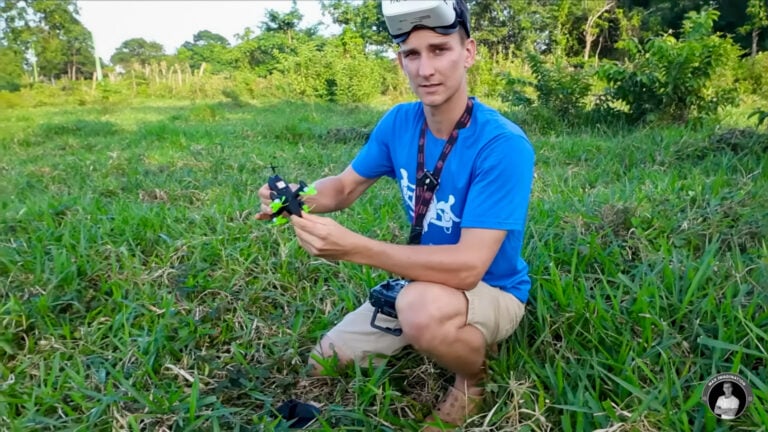
I’ve been watching content creators slowly wake up to the reality of the FCC’s December 23 drone ban, and adventure filmmaker Jeven Dovey just delivered one of the clearest explanations I’ve seen for the YouTube community. His message is straightforward but sobering: this ruling goes far beyond DJI, and the content creator community needs to start planning now.
In a video published to his Youtube channel, Dovey breaks down what the ban actually means for filmmakers who’ve built their workflows around DJI drones. The Los Angeles-based creator, known for his filmmaking tutorials and adventure content, doesn’t sugarcoat it: “This ruling is much worse than we originally thought.”

What Dovey Gets Right About the Ban
Dovey correctly identifies the key facts that many mainstream outlets have bungled. Existing drones are not affected. Your Air 3S, Mini 5 Pro, and Mavic 4 Pro will continue to work. The ban targets new products that haven’t yet received FCC authorization, meaning future releases like a hypothetical Mini 6 Pro or Mavic 5 Pro won’t be available in the United States.
He also correctly explains that you can’t simply fly to Canada or Mexico, buy a new DJI drone, and bring it back. “The US will seize your drone,” Dovey warns, noting potential fines and criminal charges for importing banned products. This is accurate, and it’s a point that many recreational pilots don’t yet understand.
As we reported when the FCC added all foreign drones to the Covered List, the scope went far beyond what anyone expected. The agency didn’t just ban DJI. They banned all foreign-made drones and critical components, including flight controllers, batteries, motors, navigation systems, and ground control stations.
The Shell Company Reality Check
Dovey raises an important point about shell companies like Skyrover and what he calls “Extra Muse” (likely referring to Skyany or similar entities). He correctly notes that “all of those are banned in the future as well.”
We’ve been tracking DJI’s shell company network since security researcher Konrad Iturbe first exposed the strategy in September 2025. The network includes Cogito, Skyrover, Skyany, Fikaxo, Jovistar, Spatial Hover, and others, all using DJI’s proprietary OcuSync communication protocols while marketing themselves as independent alternatives.
The FCC’s October 28 vote specifically targeted this workaround. As we reported, the agency granted itself retroactive authority to revoke previously authorized equipment and prohibit devices containing Covered List components. Shell companies using DJI controllers, batteries, or communication systems now face the same restrictions as DJI-branded products.
The Broader Language That Should Worry Everyone
Dovey raises a concern that deserves more attention: the FCC’s Covered List language references “communications and video surveillance equipment” alongside UAS and UAS critical components. “Because that language is broad, it could mean more than just drones,” he notes.
He’s right to flag this. The FCC’s December 22 action listed critical components including data transmission devices, communication systems, sensors and cameras, and navigation systems. As FPV pilot Joshua Bardwell pointed out in his analysis, some of these components don’t even require FCC certification in the first place, raising jurisdictional questions about enforcement.
The uncertainty itself is damaging. When nobody knows exactly what’s legal, cautious businesses stop importing, and the chilling effect accomplishes what the law itself might not.
Content Creator Exodus Already Beginning
The most revealing part of Dovey’s video isn’t the technical breakdown. It’s his candid admission about how this changes his channel’s future.
“Essentially, that part of the channel is going to go away,” he says about his drone coverage. “I think we’re going to see a lot of channels start to pivot.”
For content creators who built audiences around drone gear reviews, tutorials, and aerial cinematography, this represents a fundamental business disruption. Dovey explicitly mentions he’ll be more cautious flying, avoid risky shots, and can’t guarantee repairs will be possible. He notes his own Mavic 4 Pro is currently in limbo waiting for a gimbal repair.
This matters for the broader drone community. YouTube creators have been instrumental in building drone culture, teaching new pilots, and demonstrating capabilities that drive consumer adoption. When prominent voices start announcing pivot plans, it signals a cultural shift, not just a regulatory one.
What Dovey Misses
While Dovey’s overview is solid, there are nuances worth adding. First, DJI has confirmed that existing products can continue to be purchased and operated. The company called the FCC action “disappointing” and accused the administration of protectionism rather than legitimate security enforcement.
Second, there’s an exemption pathway. The FCC document states that the Department of Defense or Department of Homeland Security can grant specific determinations that a given UAS does not pose unacceptable risks. Whether that pathway will be used pragmatically remains to be seen, but it exists.
Third, the import question remains murky. The FCC allows retailers to continue selling existing inventory, but Customs and Border Protection operates under separate authority and has been blocking DJI shipments for unrelated reasons since early 2025. The gap between FCC permission and practical enforcement at the border could cause real problems.
DroneXL’s Take
Dovey’s video represents something important: the moment when the FCC drone ban stops being a regulatory story and becomes a cultural one. When prominent content creators start publicly discussing their pivot strategies, it signals that the damage to the American drone ecosystem is already underway.
Here’s what I expect: we’ll see a wave of “farewell to drone content” videos from US-based creators over the next few months. Some will pivot to international production. Others will shift focus entirely. A few will stockpile existing equipment and ride out the inventory as long as possible. None of these are sustainable long-term strategies.
The tragedy is that American filmmakers built an entire creative industry around aerial cinematography over the past decade. Wedding videographers, real estate photographers, documentary filmmakers, adventure content creators. All of them now face the reality that their primary tool supplier has been effectively banned from innovation in the US market.
Dovey mentions hoping for US companies to “take over this hole in the market.” But as we’ve documented extensively, domestic alternatives remain focused on military and industrial applications. Nobody is building the consumer-grade camera drones that content creators need, certainly not at competitive prices.
The FCC framed this as protecting national security ahead of major events like the Olympics and World Cup. What they’ve actually done is hand China a propaganda victory while making American content creators less competitive globally. Our filmmakers will be shooting with 2025 technology while their international counterparts fly the latest innovations.
That’s not security. That’s self-inflicted harm.
Are you a content creator reconsidering your drone strategy after the FCC ban? Let us know in the comments how you’re planning to adapt.
Discover more from DroneXL.co
Subscribe to get the latest posts sent to your email.
Check out our Classic Line of T-Shirts, Polos, Hoodies and more in our new store today!

MAKE YOUR VOICE HEARD
Proposed legislation threatens your ability to use drones for fun, work, and safety. The Drone Advocacy Alliance is fighting to ensure your voice is heard in these critical policy discussions.Join us and tell your elected officials to protect your right to fly.

Get your Part 107 Certificate
Pass the Part 107 test and take to the skies with the Pilot Institute. We have helped thousands of people become airplane and commercial drone pilots. Our courses are designed by industry experts to help you pass FAA tests and achieve your dreams.

Copyright © DroneXL.co 2026. All rights reserved. The content, images, and intellectual property on this website are protected by copyright law. Reproduction or distribution of any material without prior written permission from DroneXL.co is strictly prohibited. For permissions and inquiries, please contact us first. DroneXL.co is a proud partner of the Drone Advocacy Alliance. Be sure to check out DroneXL's sister site, EVXL.co, for all the latest news on electric vehicles.
FTC: DroneXL.co is an Amazon Associate and uses affiliate links that can generate income from qualifying purchases. We do not sell, share, rent out, or spam your email.