

Security researcher Konrad Iturbe has identified the VooMax Breeze 8K drone selling on Amazon as a rebrand of a drone already tied to Fikaxo Technology Inc., one of the suspected DJI shell companies DroneXL reported on in September 2025. Iturbe, who runs the automated bot that scans FCC filings for DJI’s proprietary OcuSync frequency signatures, told DroneXL that the VooMax listing matches product photos, FCC paperwork, and battery hardware already on file under the Fikaxo corporate identity. The Amazon listing, which DroneXL first reported yesterday, goes live at $649 for the Standard Kit and $849 for the Pro Flight Combo.
Fikaxo Technology Inc. appears on Iturbe’s public tracker of suspected DJI front companies, alongside Skyany, Skyrover, Cogito Tech, Jovistar, Spatial Hover, WaveGo Tech, Knowact Robot, Skyhigh Tech, and Lyno Dynamics. The VooMax branding represents the second known commercial identity tied to Fikaxo’s FCC filings. The first, the Fikaxo E1, was a beige rebrand of the DJI Mavic 3 Enterprise and vanished from Fikaxo’s website days after DroneXL’s original exposé.

The Evidence Iturbe Pointed To
The FCC application attachments Iturbe cited, filed through the Equipment Authorization System, contain product photos and technical documentation for the aircraft now marketed on Amazon as the VooMax Breeze. One attachment shows the drone body and gimbal assembly. A second attachment shows the battery pack. A third contains corporate contact information listing Fikaxo Technology Inc. as the applicant. The design in those FCC photos matches the VooMax marketing images Amazon is using this week.
The battery in the FCC filing is the detail that closes the loop. Drone batteries are notoriously hardware-specific. Pack chemistry, cell count, physical connector geometry, and encrypted authentication handshake between battery and flight controller are fingerprints that do not transfer between unrelated manufacturers. A battery filed with the FCC under Fikaxo’s name and showing up unchanged in VooMax’s Amazon listing is a single physical SKU wearing two different corporate brands.
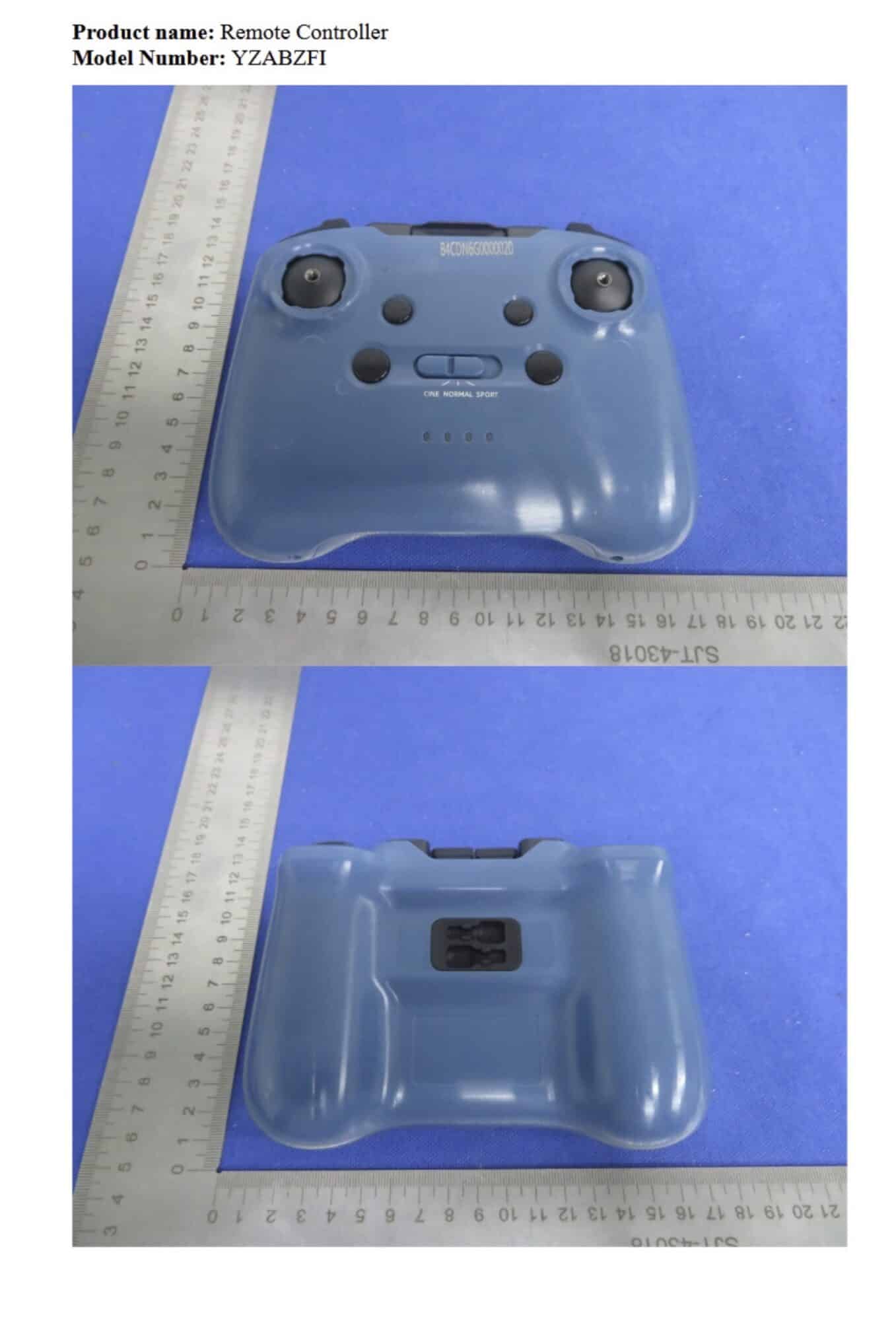
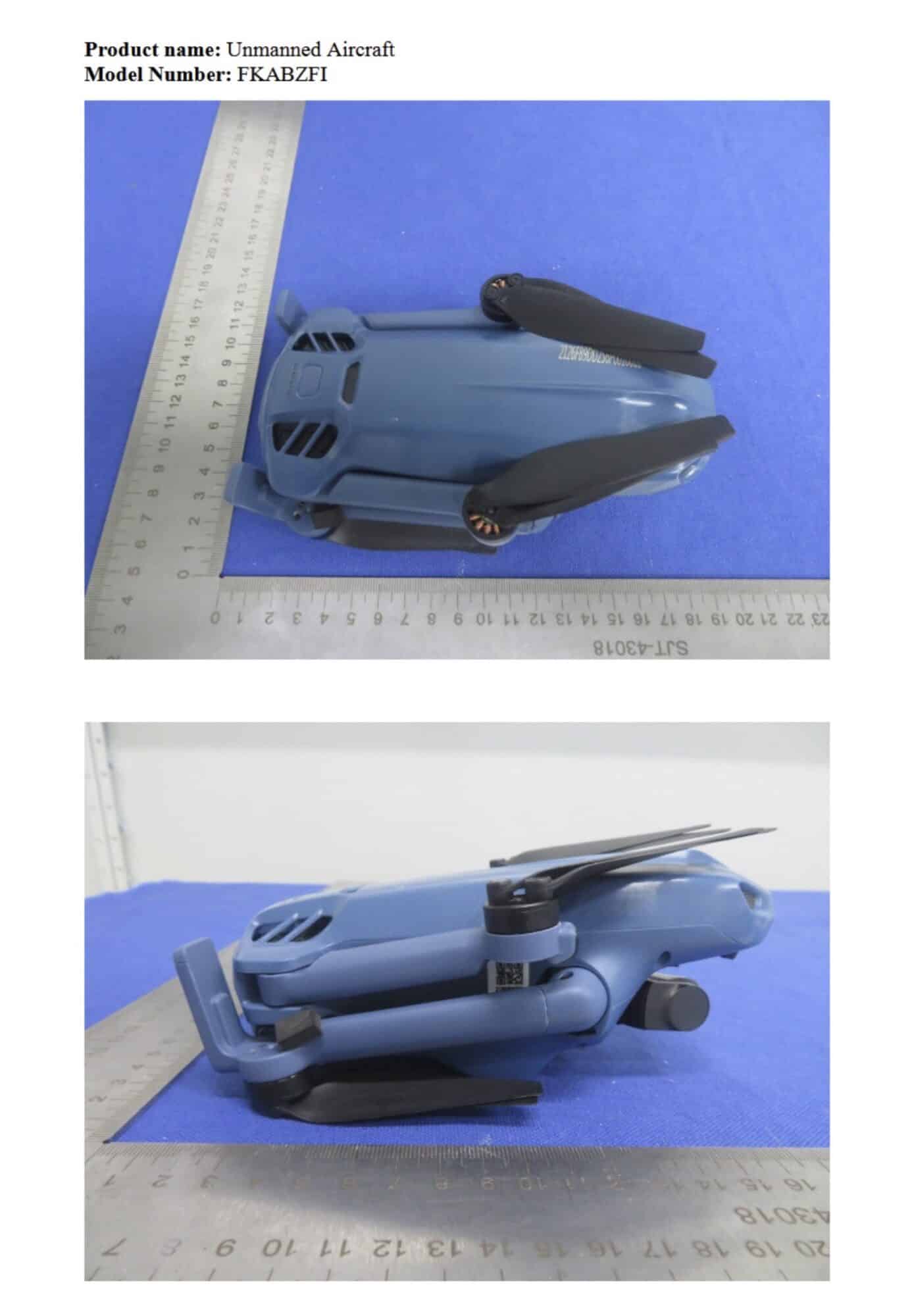
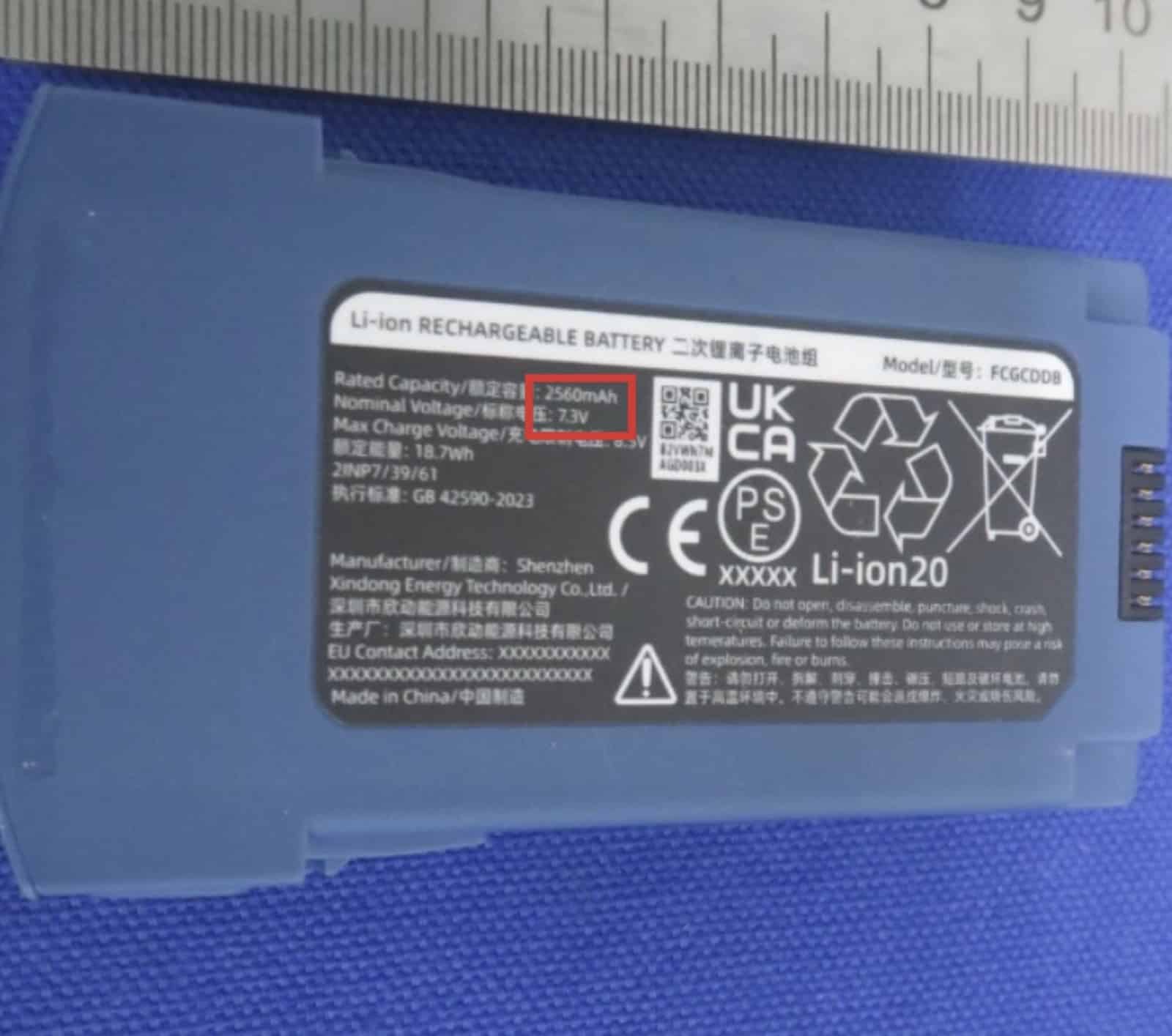
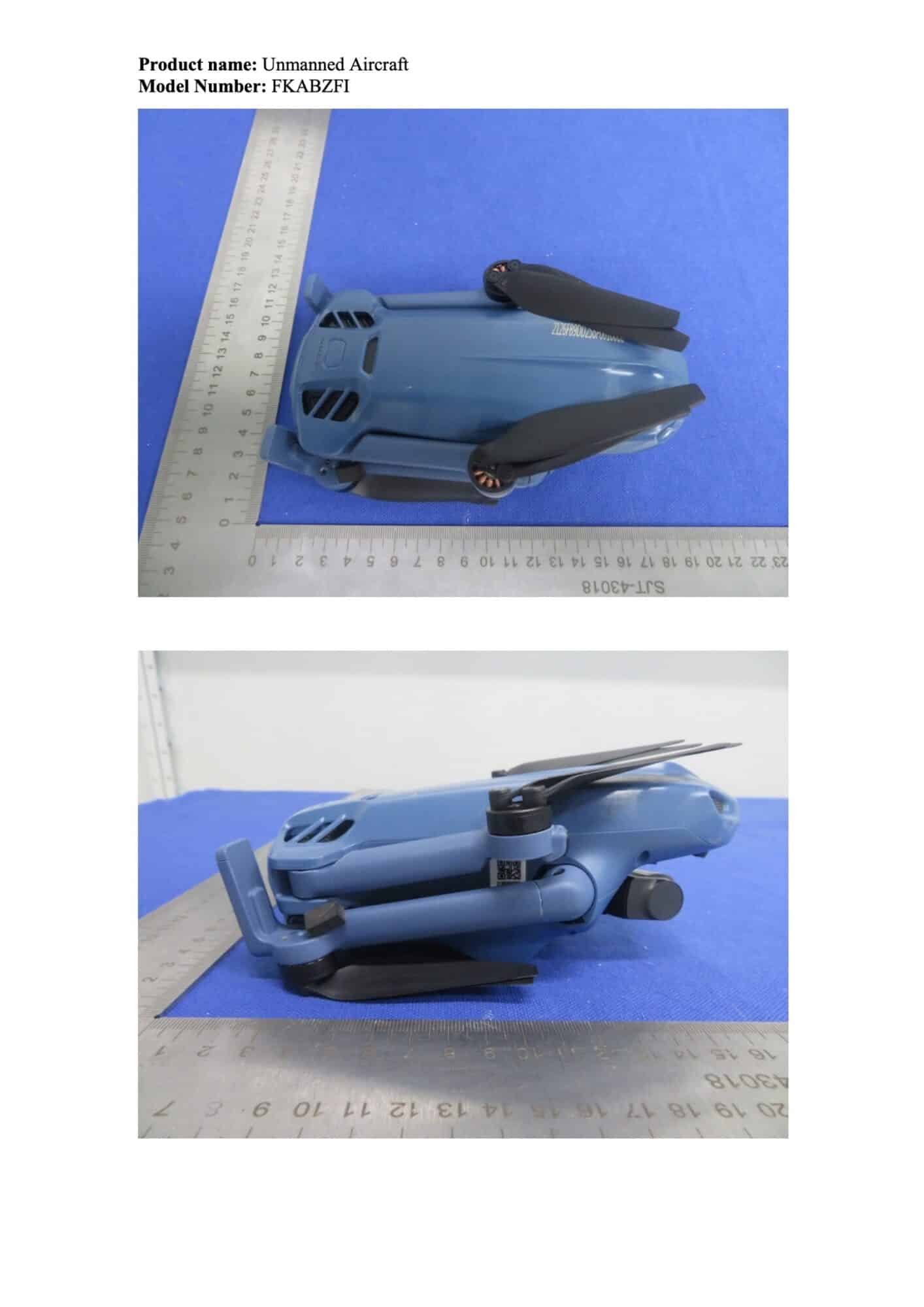
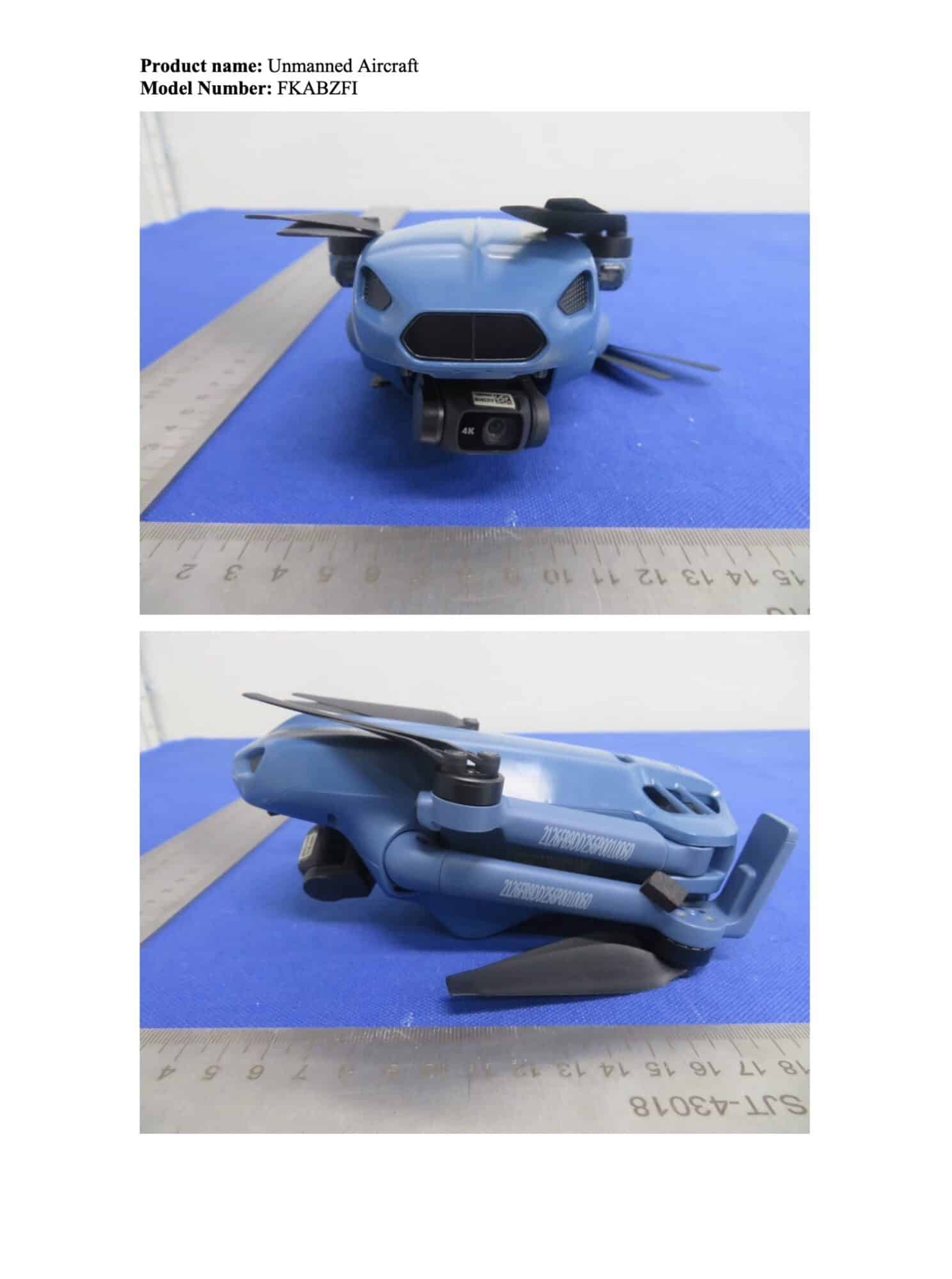
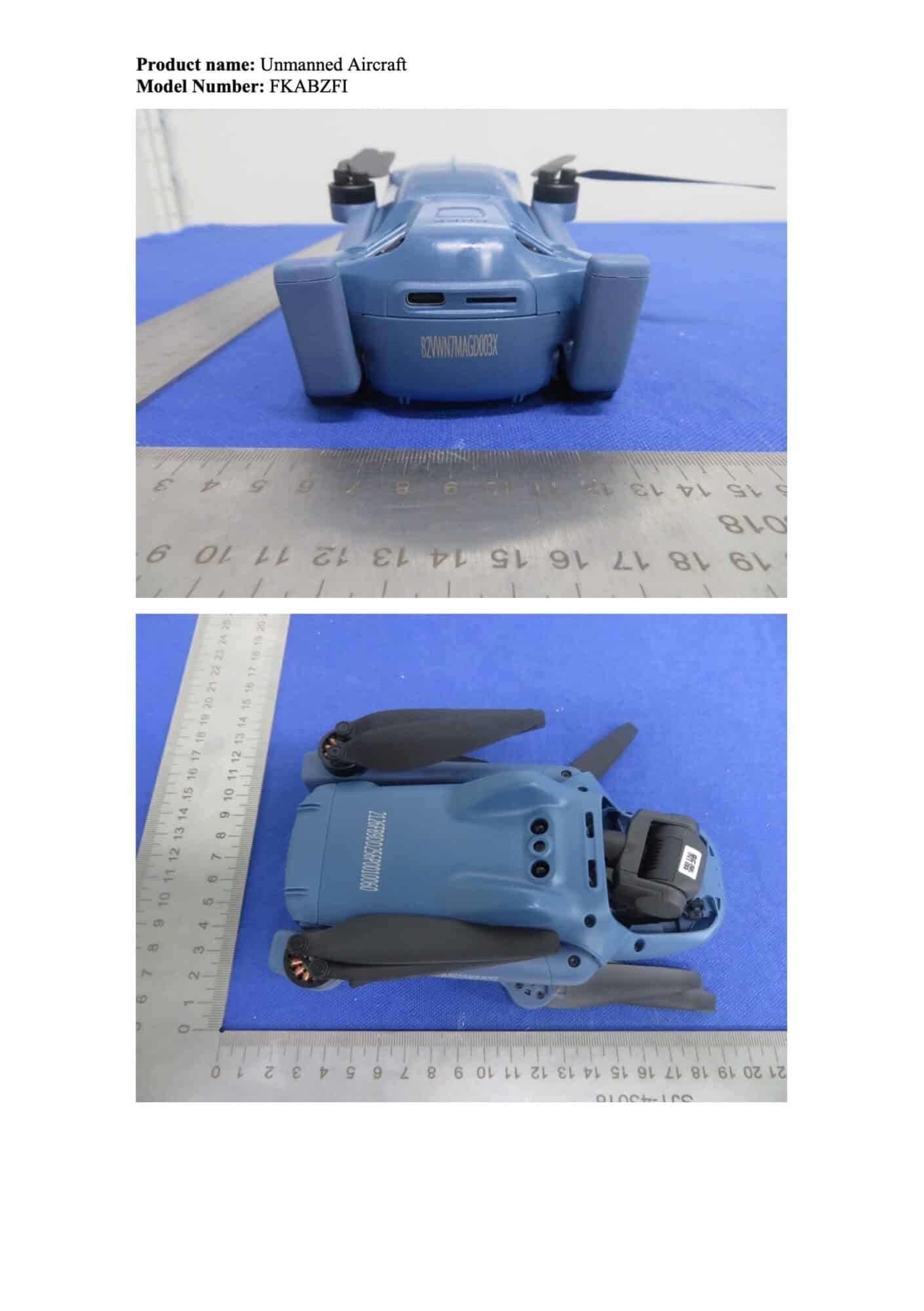
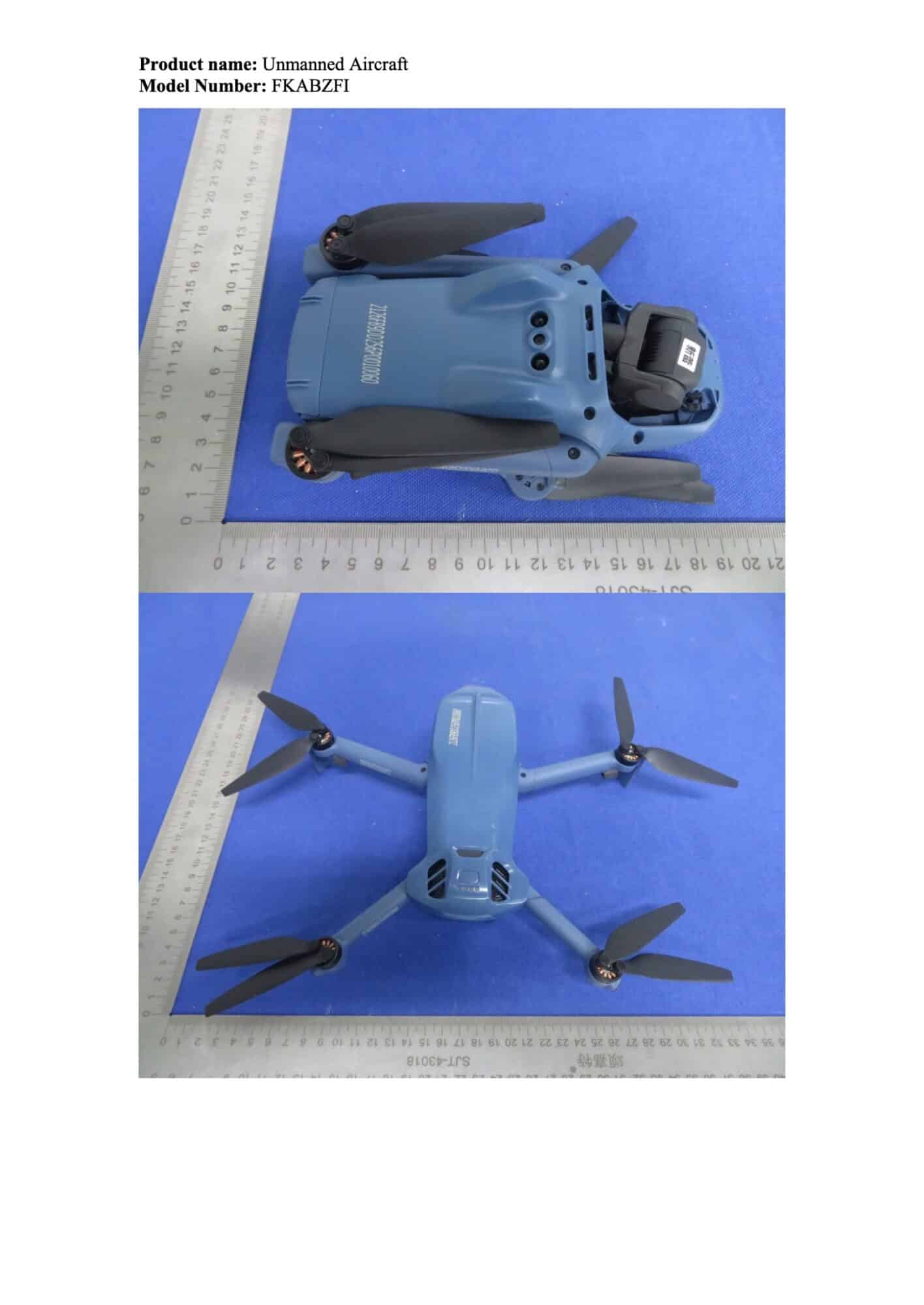
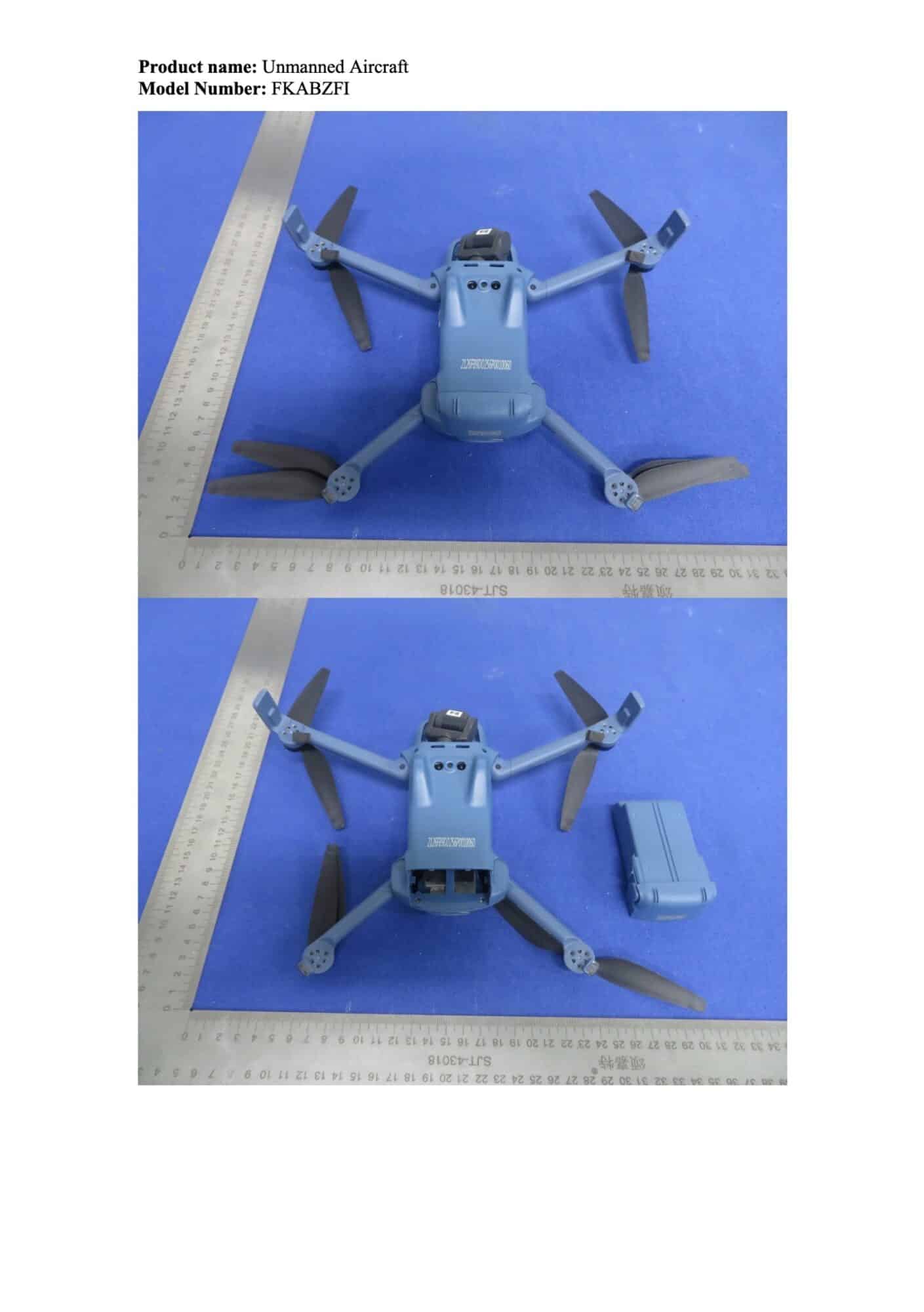
Iturbe publishes his tracking methodology, raw data, and documented shell company list on his GitHub repository. The repository also hosts the FY2025 NDAA Covered List PDF and Iturbe’s shell-detection Python script. The same methodology previously caught Cogito Tech’s Specta Air as a DJI Air 3 rebrand in March 2024, a finding DroneXL covered in the original Cogito Tech exposé.

Fikaxo’s Cleanup Is Mostly Cosmetic
When DroneXL covered Fikaxo in September 2025, the company’s footprint was visibly rushed. The website had spelling mistakes. Business contact was a Gmail address. The corporate address was a San Diego virtual office. Competitor Autel Robotics appeared accidentally in the website footer. The overall impression was a cover identity assembled over a weekend.
The FCC filing backing VooMax shows Fikaxo has tightened its paperwork since then. The contact address is now 8 The Green, Ste A, Dover, DE 19901. That is the mailing address of A Registered Agent, Inc., a commercial Delaware registered-agent service that provides a legal address for tens of thousands of corporations at $49 per year. It is the standard tool for a company that wants a Delaware corporate identity without a physical Delaware presence. The contact email has upgraded from a Gmail account to a custom domain at fikaxo.net.
The upgrade is not airtight. The FCC filing lists the contact email as [email protected]. That is the company’s own domain, but the username spells the company’s name as “fikaxio” rather than “fikaxo.” A shell operator who can’t consistently spell its own brand across its own FCC filing is a tell. Contact person Xiaoya Ren is listed at phone number +1 404-645-6389, an Atlanta area code that does not match the Delaware corporate address.
The VooMax Breeze Does Not Appear On Fikaxo’s Own Product Page
The clearest evidence that the corporate identity is purely administrative sits on Fikaxo’s public website. The Fikaxo products page lists five drones: the D380, D960, D210, D750, and D550. The VooMax Breeze is not one of them. The word “Breeze” does not appear anywhere on the Fikaxo site. A buyer who searches “Fikaxo” after ordering a VooMax Breeze off Amazon will find no trace of the drone they just bought on the paperwork-of-record company’s own storefront.

Several details on the Fikaxo site itself undercut the American-company framing. The site footer still lists a Gmail address ([email protected]) as the primary contact, contradicting the custom-domain email on the FCC filing. The copyright footer reads “©2025 FIKAXO TECHNOLOGY INC,” meaning the site has not been updated in 2026. The raw HTML contains Chinese character search labels and is hosted through 35.com, a major Chinese web hosting provider whose Chinese name appears in the site footer. The product page image filenames are WeChat exports dated October 2025, using the Chinese filename prefix “微信图片_” (“WeChat image_”). These are not the artifacts of a US-based drone manufacturer. They are the artifacts of a Chinese-operated site carrying a Delaware mailing address.
The gap between the Fikaxo product page and the VooMax Amazon listing matters because it tells the reader which entity is actually doing the selling. Fikaxo is the FCC applicant and the legal identity the FCC will encounter if it ever moves on the authorization. VooMax is the marketing and retail skin. The two do not share a product catalog, and they do not share a contact channel. A consumer who buys on Amazon under the VooMax name is relying on a retail experience that has no documented connection to the entity actually responsible for the FCC paperwork.
Iturbe’s Confirmation Closes The Conditional From Part 1
DroneXL’s Part 1 report yesterday flagged the FCC revocation risk as a conditional, contingent on whether VooMax’s aircraft contained DJI components. Iturbe’s confirmation removes the conditional. If Fikaxo’s FCC filing shows OcuSync frequency signatures, the standard DJI chipset fingerprint Iturbe’s bot screens for, then the VooMax Breeze is exactly the class of device the FCC’s October 28, 2025 retroactive revocation authority was written to target. DroneXL covered the FCC vote in October. DJI’s December 23, 2025 Covered List addition is the trigger. The authority is live.
Whether the FCC chooses to act on it against VooMax specifically is a separate question. The agency has limited enforcement bandwidth and a long list of Covered List equipment to review. But a buyer paying $649 on Amazon today is buying an aircraft whose authorization rests on that enforcement decision, not on any independent FCC validation of VooMax as an unrelated manufacturer.
The recreational-flight question is unchanged from Part 1. A sub-250-gram drone flown recreationally under the FAA’s Exception for Limited Recreational Operations is exempt from federal registration and Remote ID. The drone will continue to fly whether the FCC pulls its authorization or not. What changes with revocation is the ability to sell, import, or authorize new units, and potentially the availability of replacement parts and app updates if DJI’s backend infrastructure ever gets pulled behind the same Covered List enforcement.

The Shell Playbook Is Running At Higher Speed Post-Ban
Fikaxo was first detected in September 2025, three months before DJI landed on the Covered List. Seven months later, the same corporate shell has moved its paperwork from California to Delaware, upgraded its email domain, and partnered with a consumer brand name (VooMax) for an Amazon listing priced as a direct-to-consumer buy. That is a faster iteration cycle than any of the earlier shell companies went through before the December deadline. Skyany and Skyrover took longer to move from FCC filing to retail.
The pattern visible in the paperwork is the same pattern Skyrover tried to quiet in April with its “We’re Here to Stay” letter to US customers, which DroneXL covered earlier this month. The difference is that Skyrover is rebranding DJI models that existed on the US market before December 2025, while Fikaxo’s VooMax appears to be rebranding the DJI Lito X1, a drone DJI confirmed today is not coming to the United States through official channels pending FCC authorization.

DroneXL’s Take
I have been writing about DJI’s shell company network since Iturbe’s first Cogito Tech finding hit the FCC database in March 2024. What Iturbe does is some of the most important open-source regulatory journalism in this industry, and it deserves to be named as such. A single researcher with a Python script and a GitHub repo has done more to clarify the actual corporate structure behind Covered List enforcement than the combined output of the FCC’s own communications office.
The VooMax confirmation changes the story in a specific way. Yesterday, the question was whether VooMax was a new shell identity. Today, the answer is that VooMax is a rebrand of a shell that DroneXL readers already know. That is a smaller claim, but a cleaner one. It also means the regulatory posture is not speculative. Fikaxo is on the Covered List enforcement radar. Anything it ships is on that radar. A $649 or $849 Amazon purchase today is a bet that the FCC either does not act, or acts slowly enough that the owner has already flown the drone long enough to be satisfied with the purchase.
The products-page gap is the detail that is hardest to explain away. A legitimate American drone company with an Amazon presence at $649 and $849 price points would put that product on its own corporate website. Fikaxo has not. Five drone models sit on Fikaxo’s product page, and none of them is the one Amazon is currently selling under a different brand with the same FCC paperwork behind it. That is not a marketing oversight. That is the signature of a paperwork entity whose job is to hold an FCC authorization, not to sell drones to the public. The public-facing sale is happening somewhere else, under a different name, with a different website, and the paperwork entity is keeping a deliberate distance.
There is a real buyer here who is not wrong to be interested. The DJI Lito X1 is a genuinely strong sub-250-gram drone with forward LiDAR, omnidirectional obstacle sensing, and a 1/1.3-inch sensor, and the only reason Americans do not get to buy it officially is a regulatory fight DJI and the US government are conducting in court. A VooMax Breeze that quietly routes that hardware into the US market is, from a pure product standpoint, a compelling proposition. The problem is that the buyer is not getting DJI’s warranty, DJI’s app infrastructure on a stable US footing, or DJI’s direct accountability. The buyer is getting a Fikaxo branded box fulfilled through Amazon, and a VooMax support experience that has not been stress-tested at scale.
What I would watch from here is whether Amazon pulls the listing, whether the FCC signals any revocation action against Fikaxo’s authorizations, and whether Iturbe’s bot catches additional consumer brand names layered on top of the same Fikaxo filing set. That last one is the most informative signal. If Fikaxo starts cycling through retail brands the way the Fikaxo E1 cycled through corporate websites last fall, the strategy is shifting from “build a durable American-sounding brand” to “churn brands faster than enforcement can catch up.” That would be a meaningful change in posture, and it would tell US buyers something about how much protection they are actually getting from the name on the box.
Sources: Konrad Iturbe’s DJI front companies GitHub repository; FCC application attachment 8682625; FCC application attachment 8686478; FCC application attachment 8682622; VooMax Breeze Amazon listing.
DroneXL uses automated tools to support research and source retrieval. All reporting and editorial perspectives are by Haye Kesteloo.


