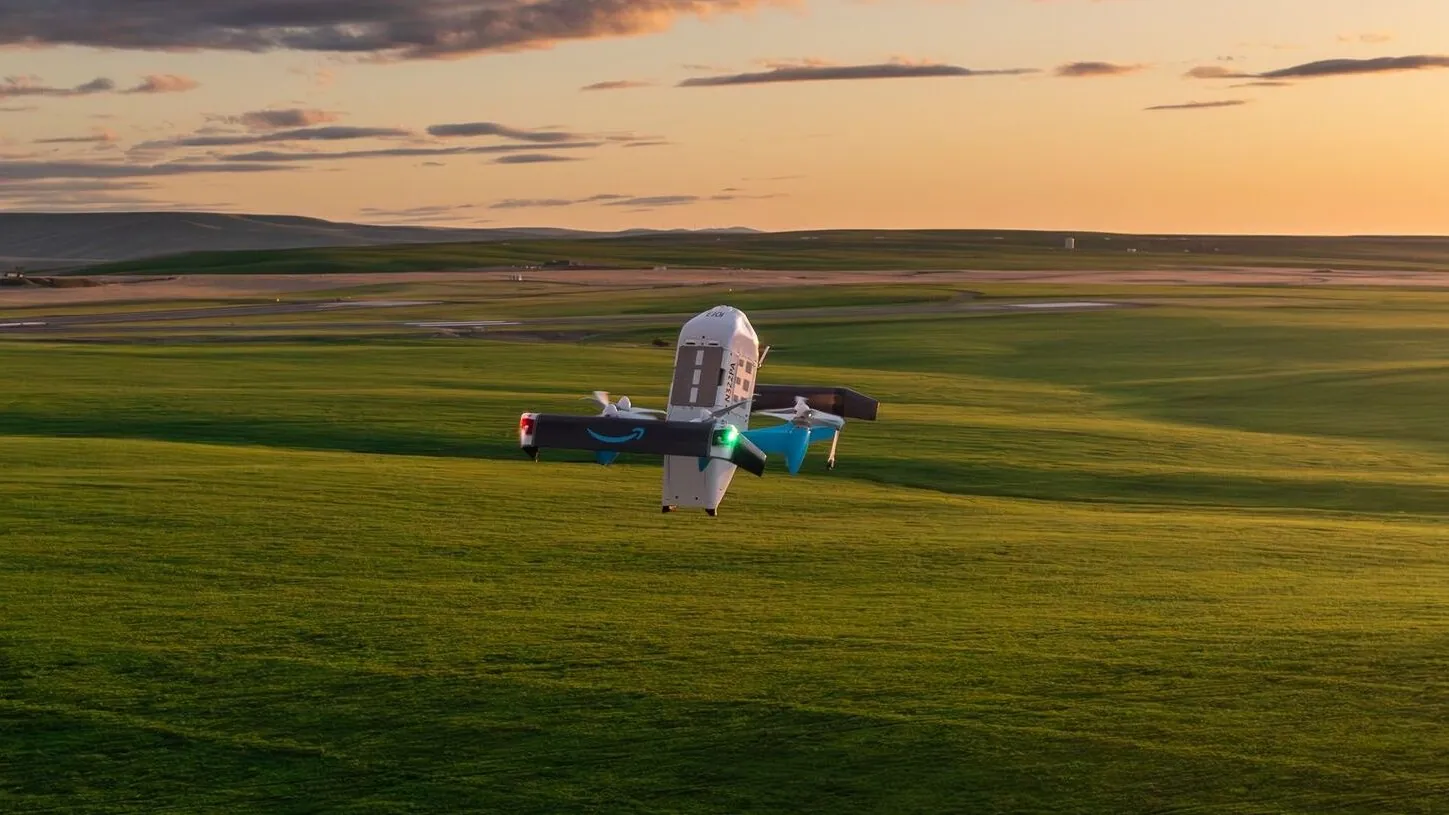
Amazon told Idaho News 6 this week that every Prime Air operation goes through a Federal Aviation Administration environmental review before launch, and that the review looks at wildlife. The company was answering a Northwest Nazarene University biologist, who said drones passing about once a minute could push birds out of the neighborhoods around its Nampa, Idaho, hub. The FAA’s public index of drone environmental reviews, last updated November 9, listed no Idaho document when DroneXL checked it on November 12. It listed none on November 2 either, three days after the first deliveries.
The complaints in Nampa began with noise, and the city has asked Amazon for its flight data. The wildlife question lands on the national environmental finding the FAA signed on July 28, which lets a hub open with no site document on that index. That finding says birds disturbed by a delivery drone are expected to leave and come back when the disruption ends.
A Reporter Counted a Nampa Drone a Minute, and a Biologist Says Birds May Leave
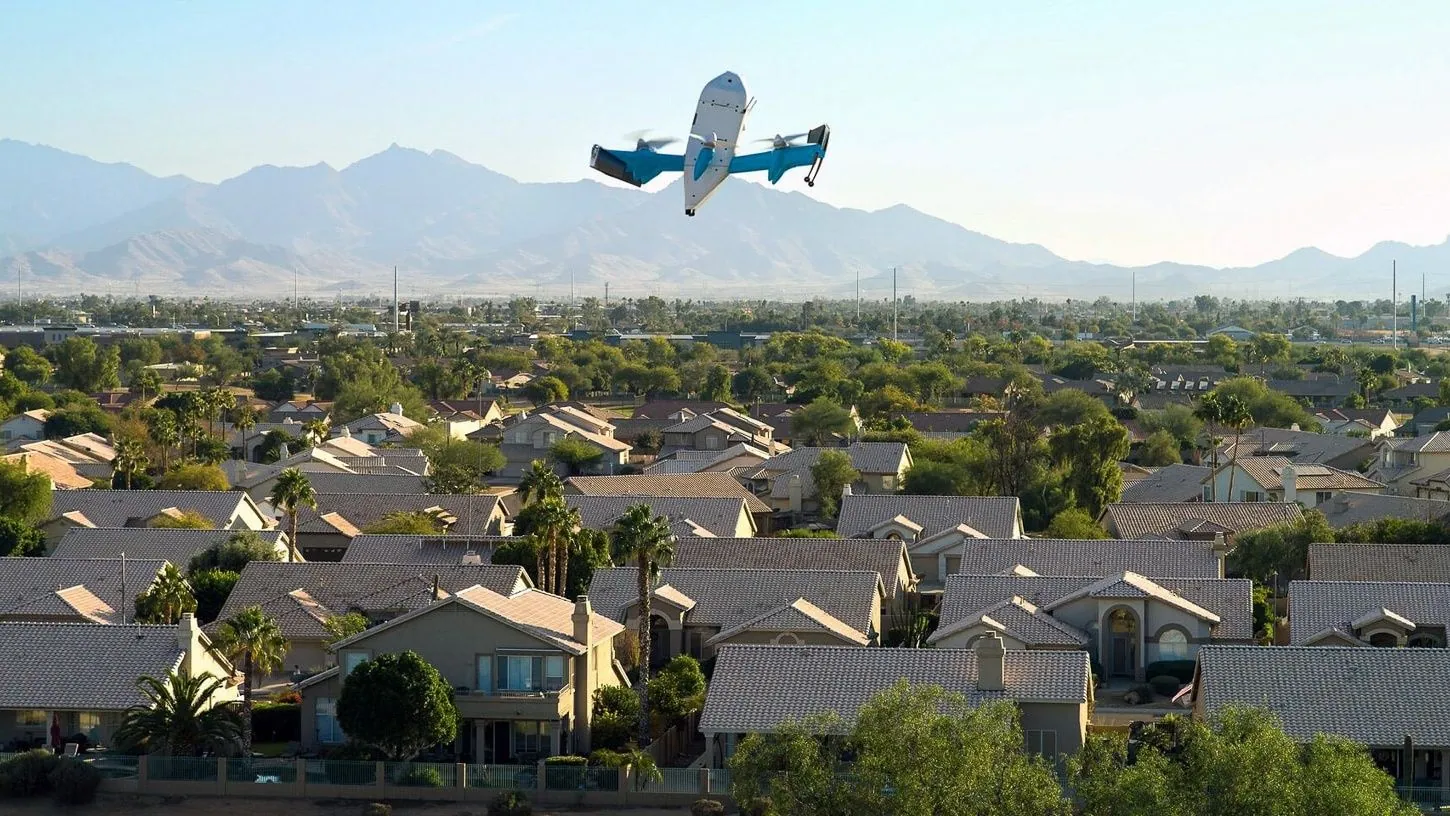
Idaho News 6 reporter Keith Burrell spent a couple of hours with neighbors near the flight path and counted a drone overhead about every minute, he reported on November 10. He took that count to David Hille, an assistant professor of biology at Northwest Nazarene University in Nampa.
Hille, who teaches wildlife biology and ecology, told the station that birds may treat the drones as predators or competitors. They flush, lose feeding time and burn energy getting away. Asked about one flight a minute, he said “it’s possible that the birds would just leave.” He also said the timing matters, because ducks and swans are moving through the Treasure Valley now and snow geese are expected soon in large numbers.
Hille was describing what could happen. The report cites no bird count or survey from Nampa, and the evidence from residents is anecdotal. One viewer told Burrell her chickens hid during the first days of flights and her dog still barks at the drones. Anna Luke, who lives near the flight path, said she has stopped seeing owls at night. Amazon’s drones in Nampa fly in daylight only, from 30 minutes after sunrise to 30 minutes before sunset, the station reported at launch.
A second count came on Wednesday. Kerri Wattier, whose neighborhood is about a mile from the hub, clicked a handheld counter for KTVB and logged 39 passes over her home between 3:30 and 4:18 p.m. Amazon spokesperson Nissa LaPoint told KTVB the same day that the company is evaluating options for Nampa, including changes to flight paths to reduce the concentration of flights over certain areas. Nampa has now logged at least two dozen inquiries from residents, the city told the station.
That hourly rate has a precedent. In Papillion, Nebraska, a television reporter counted about 50 takeoffs and landings in an hour at Amazon’s Omaha hub in September, as DroneXL reported at the time. In Richardson, Texas, one resident logged 52 overflights of her home in a day.
The FAA’s Index Lists No Review Document for Nampa
Amazon’s statement says every Prime Air operation goes through the FAA’s National Environmental Policy Act review before launch, and that the review evaluates effects on wildlife and the surrounding environment. The statement names no Nampa document, and the FAA’s public index lists none for Idaho.
A review can exist without a public document since July 28. A hub that fits the FAA’s national finding is checked against it inside the agency, with no site document and no public comment period, as DroneXL laid out in September. The finding also says the FAA will keep doing site-specific analysis for wildlife, and consulting the U.S. Fish and Wildlife Service case by case, until the two agencies sign a standing agreement. Those consultations happen between agencies. So the FAA may well have looked at birds around Nampa, and nothing on its index shows what it found.
Amazon gave one example of adjusting to wildlife. “We modified operations around a known bald eagle nest,” the company said, without naming the site, and it said it takes the same approach wherever it flies, including in areas with migratory birds. One case on the public record fits that description. In Omaha, Amazon agreed with federal officials in August to keep its drones 1,000 feet (305 meters) from eagle nests at Chalco Hills Recreation Area, according to the natural resources district that manages the park. The FAA’s Omaha assessment commits Amazon to that distance for any nest it identifies, and the national finding requires the same buffer from every operator.
The FAA’s National Finding Expects Disturbed Birds to Come Back
The FAA’s final programmatic assessment concludes that delivery drones are unlikely to harm migratory birds. Its reasoning on page 56 is that birds disturbed by a drone “would be expected to leave the area and return once the disruption ends,” and it calls the nuisance short in duration.
The assessment also rests on what it calls the limited scale of operations and on cruise altitudes under 400 feet (122 meters). It notes that the studies showing nest abandonment involved drones sent to survey birds, not package delivery. The FAA and Hille start from the same behavior, a bird that flushes when a drone comes over. They differ on what happens when the next drone arrives a minute later.
The finding does set rules for birds. Operators must stay 200 feet (61 meters) from known breeding or roosting colonies of migratory birds. They must ask the Fish and Wildlife Service field office whether a known colony or high-density nesting area lies inside the operating area, and they may not fly over one. If flights would cross a national wildlife refuge, the operator has to coordinate with the refuge’s managers.
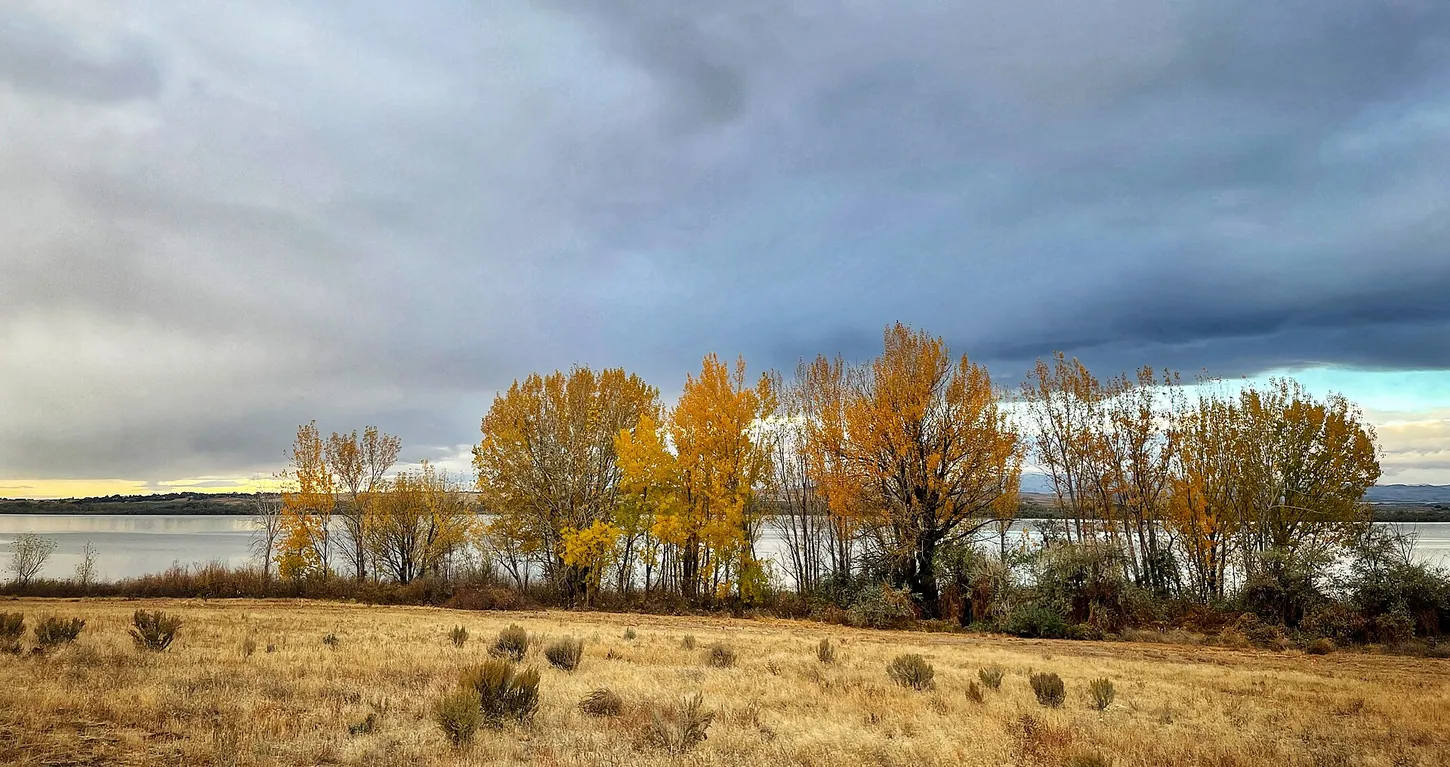
Deer Flat National Wildlife Refuge sits southwest of Nampa. It was established in 1909 as a breeding ground for migratory birds, and its Lake Lowell unit covers more than 10,500 acres (4,250 hectares), according to the Fish and Wildlife Service. DroneXL measured the distance from the Amazon fulfillment center building to the refuge boundary on OpenStreetMap’s map data and got about 6.8 miles (10.9 kilometers). That puts the eastern end of the Lake Lowell unit just inside the 7.5-mile (12-kilometer) delivery radius, with most of the lake outside it. Amazon delivers to homes. None of the reporting from Nampa describes its routes, and Amazon’s statement to Idaho News 6 doesn’t mention the refuge.
Residents who want to raise wildlife or noise with Amazon can call 1-888-280-4331 or use the customer service chat, choosing “Something Else” and then “Amazon Drone Delivery.” DroneXL’s guide for residents covers what a city can still do, and the Nampa hub’s record is on the Amazon Prime Air tracker.
DroneXL’s Take
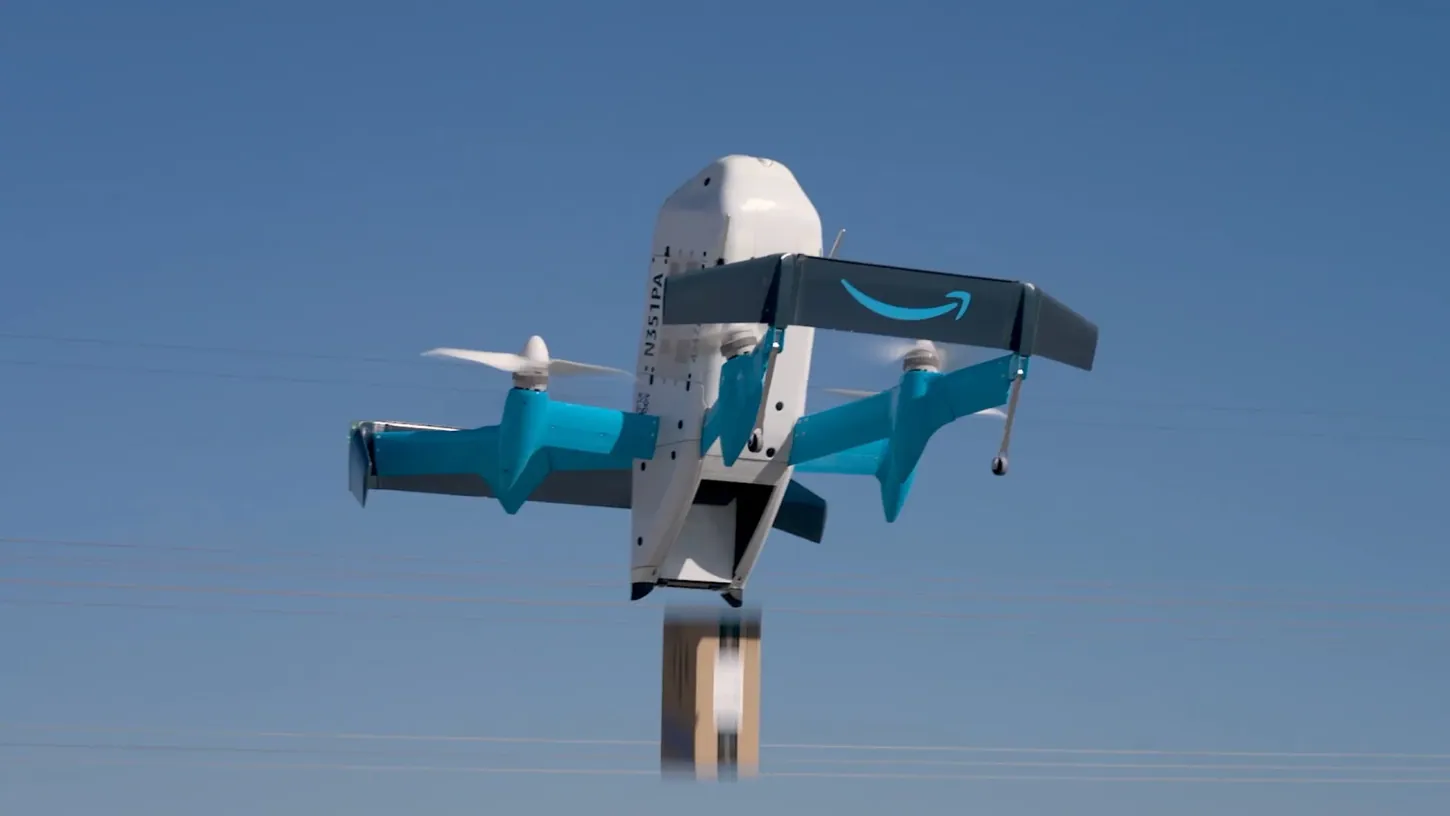
The FAA should post whatever review it did for Nampa, and Amazon should ask it to. Amazon answered a wildlife question by pointing to a federal review, and the FAA’s public index has nothing for Idaho. I don’t read that as proof the review didn’t happen, because the July 28 finding lets it happen out of sight. I do think the finding’s bird reasoning is weak at a hub this busy. It expects a bird to leave and come back when the disruption ends, and two counts in Nampa put a drone overhead every minute or so. Hille was describing a risk, and the reporting from Nampa includes no bird survey, so I can’t say he is right. A bird count under the flight paths this winter would tell us more than Amazon’s statement or his warning does. I’m for drone delivery when the cargo is worth the flight. An 83-pound MK30 with no parachute carrying a shoebox over the same yards at the rate those neighbors counted is hard to defend to the people who live there. Omaha’s eagle buffer is written in an FAA document anyone can read, and I think Nampa deserves the same.
Sources: Idaho News 6, KTVB, FAA drone environmental review index, FAA Final Programmatic Environmental Assessment, U.S. Fish and Wildlife Service
DroneXL uses automated tools to support research and source retrieval. All reporting and editorial perspectives are by Haye Kesteloo. Read our editorial standards.