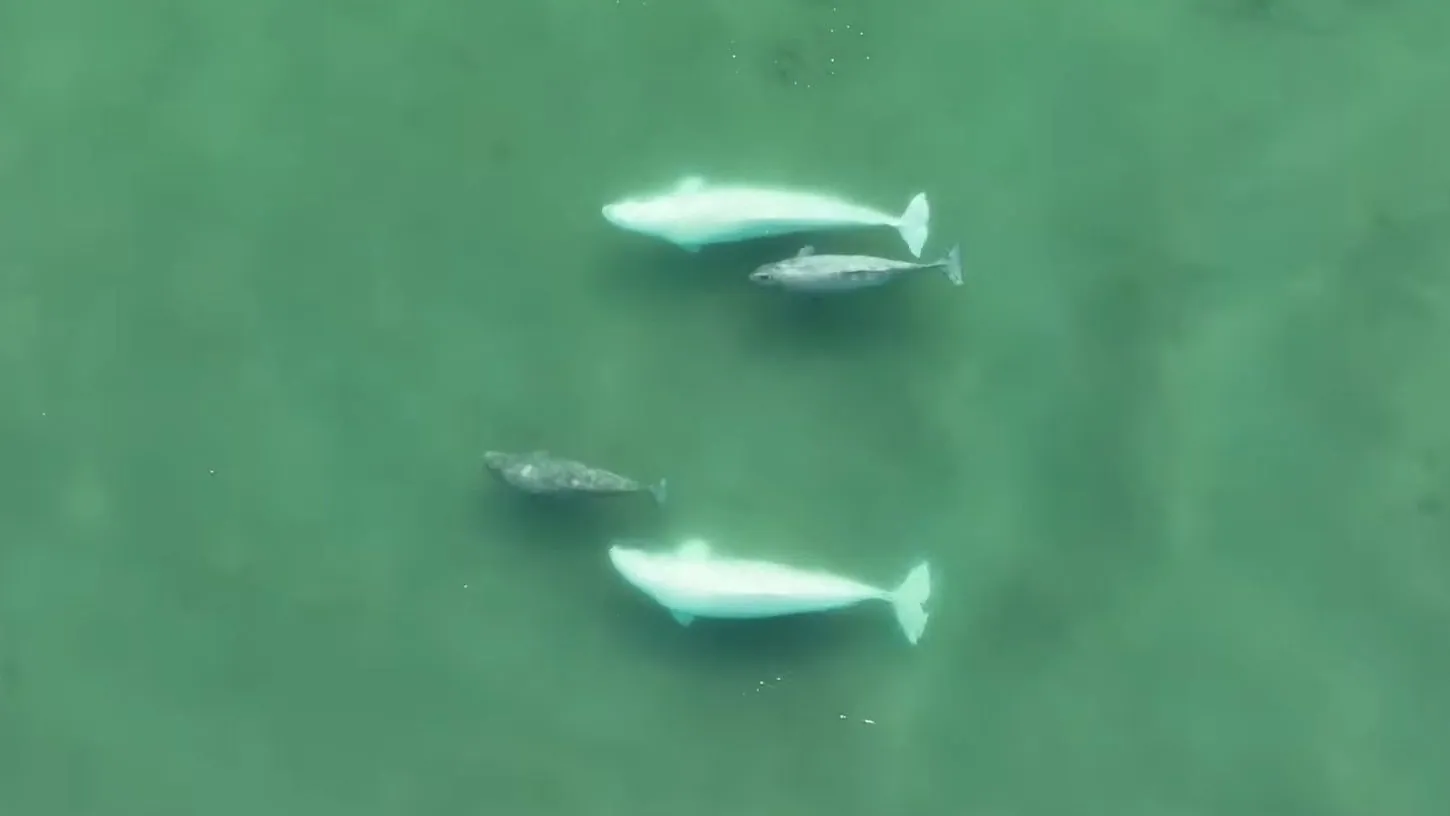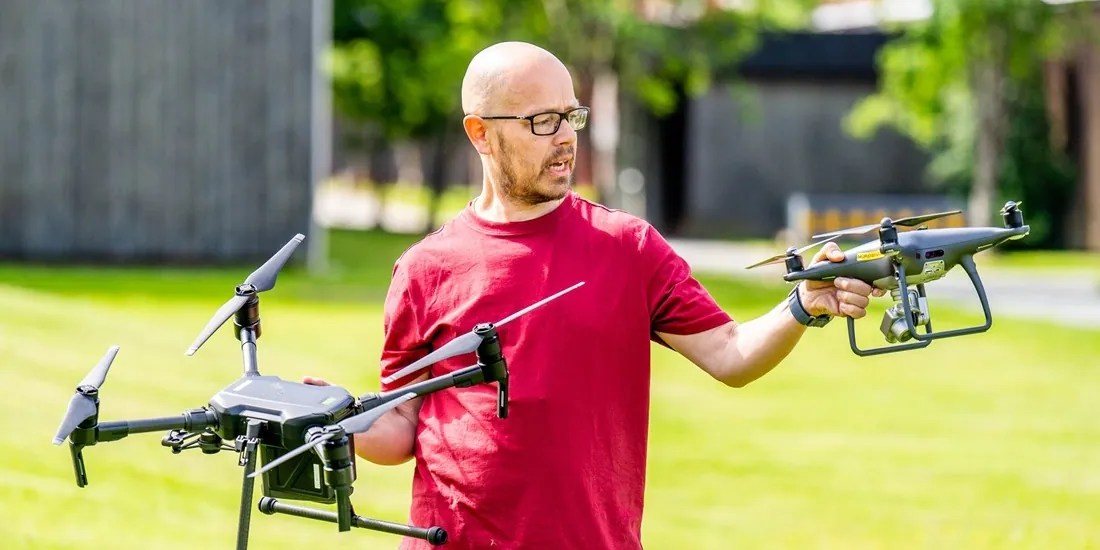
Researchers at the Norwegian University of Science and Technology (NTNU) in Gjøvik say a single altitude limit cannot keep drones from stressing wildlife, because each species reacts differently to the same flight. NTNU put the work forward on Thursday. Head engineer and PhD student Ken Hellerud and his supervisor, Professor Lizhen Huang, reviewed 39 published studies of drones and animals from 2015 to 2025.
Their answer is a framework that turns that research into numbers engineers can build into flight planning. Hellerud’s PhD is meant to end in a simulation tool that tells pilots how to fly over a given patch of ground, in a given season, with a given drone. Several of the animals in those studies showed no visible reaction to drones.
Penguins Sat Still While Their Heart Rates Climbed
Physiological monitoring found stress that behavior hid. Incubating king penguins barely moved but showed raised heart rates. Black bears’ heart rates rose by up to 123 beats per minute, even when they showed no outward reaction. Common eiders showed no measurable heart-rate response at 98 feet (30 meters).
Those findings come from the review Hellerud and Huang published in the journal Drones in April. The authors conclude that pilots need “species- and context-specific flight envelopes rather than solely uniform altitude limits.”
The evidence for hidden stress is thinner than the headline finding suggests. Only three of the 39 studies measured heart rate or other physiology directly. Hellerud screened and extracted all the data alone, and the paper itself tells readers to treat its findings with caution until someone validates them independently.
NTNU’s Planned Map Would Adjust for the Drone and the Season
NTNU pictures a live map that shows which species are likely in an area at that time of year. Pilots would enter the drone they fly and get advice on how to fly: altitude, approach direction, nesting periods. Forestry and agriculture come first, and private pilots may get access later.
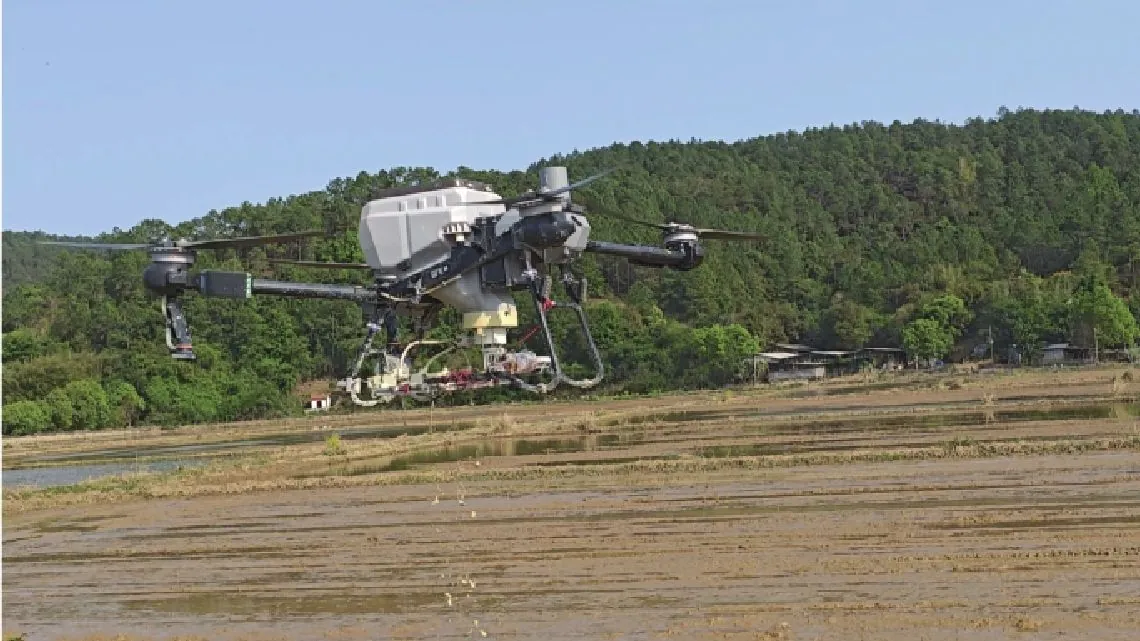
The drone matters as much as the animal. The review found that vertical approaches and low flights provoke more disturbance, and that size, model and flight pattern change the response. Hellerud points to agricultural spray drones that carry up to 220 pounds (100 kilograms). “We’re talking about a soundscape that is more similar to that of a helicopter,” he said in NTNU’s release.
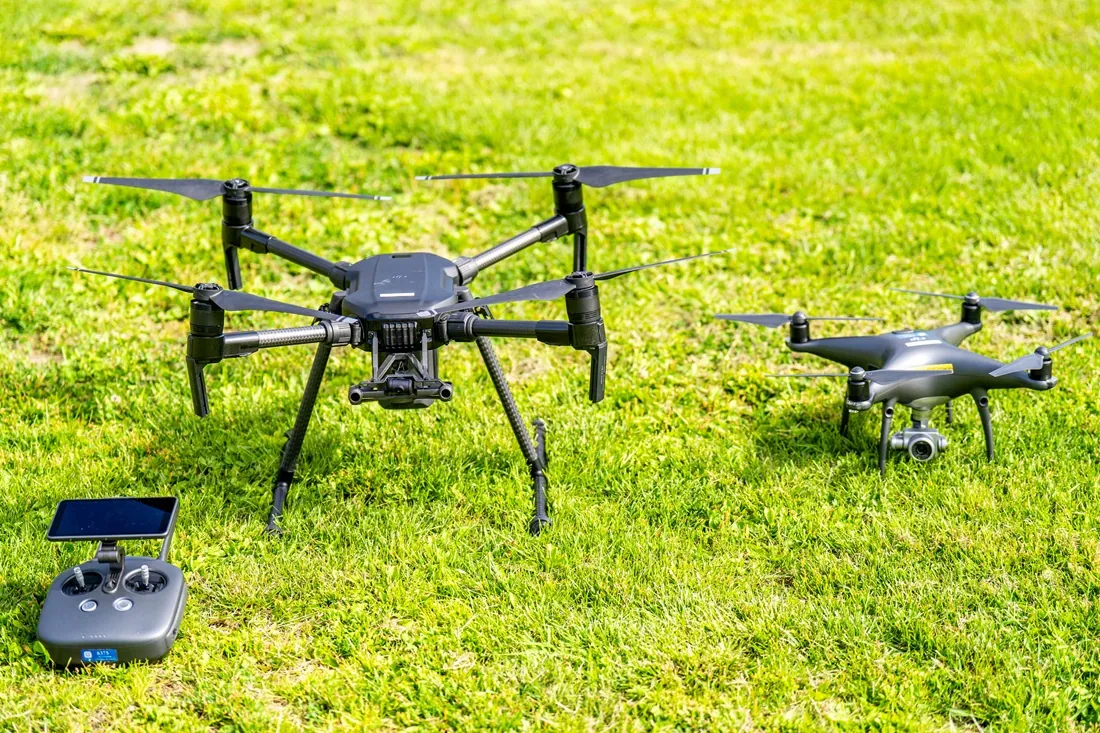
Birds of prey are the other side of the problem. Hellerud says drones in the field quickly draw attention from nearby birds, and he cites many reports of raptors attacking drones when they feel threatened, the same behavior DroneXL covered when a bird of prey attacked an FPV drone midair in 2020.
“In order to simulate something, you first need to know what to simulate,” Huang said. The framework is that first step, and the tool itself does not exist yet.
The same question is reaching US drone operations through delivery. Amazon moved its Papillion, Nebraska, drone routes 1,000 feet from bald eagle nests, and a biologist in Idaho has warned that Prime Air flights about once a minute could push birds out of Nampa neighborhoods.
Lofoten Residents Got Out Weapons, but Police Logged No Shootings
NTNU’s release says Lofoten residents shot at drones, which goes further than the NRK report it links to. Moskenes mayor Hanna Sverdrup told NRK in July that frustrated residents had brought out weapons, but Nordland police had no case of anyone shooting down a drone or threatening to.
Police did log 74 criminal cases under the aviation law in Lofoten between June 25, 2025, and July 2026, according to NRK’s report. At least 65 involved drones, and most were flights into no-fly zones around airports by pilots who did not know the zones existed. Moskenes has asked Norway’s Civil Aviation Authority to make it a national test area for digital geozones covering homes, the national park and the Reinebringen trail.
DroneXL’s Take
I like this research because it argues for less blanket restriction, not more. A fixed circle drawn around a protected area treats a 249-gram camera drone and a sprayer that carries 220 pounds the same, and it treats an eider the same as a penguin. Rules built that way end up too loose where the animals are sensitive and too strict where they are not, and pilots learn to ignore them. A responsible pilot would follow a map that tells a forestry crew to stay high and approach a nesting site from the side. I don’t think three physiology studies and one reviewer can set flight envelopes for every species yet. Until the data catches up, Norway’s existing guideline to keep drones from disturbing birds and wildlife still applies, and the pilot who flew through a roost of about 64 white-tailed kites in California did not need a simulation to know better.
Sources: NTNU via EurekAlert, Hellerud and Huang, Drones 2026, 10(4), 298, NRK.
DroneXL uses automated tools to support research and source retrieval. All reporting and editorial perspectives are by Haye Kesteloo. Read our editorial standards.
Advertise with DroneXLYour company hereReach 200,000+ drone readers a month with a sponsored article, a banner on your beat, or a partnership.See the options →