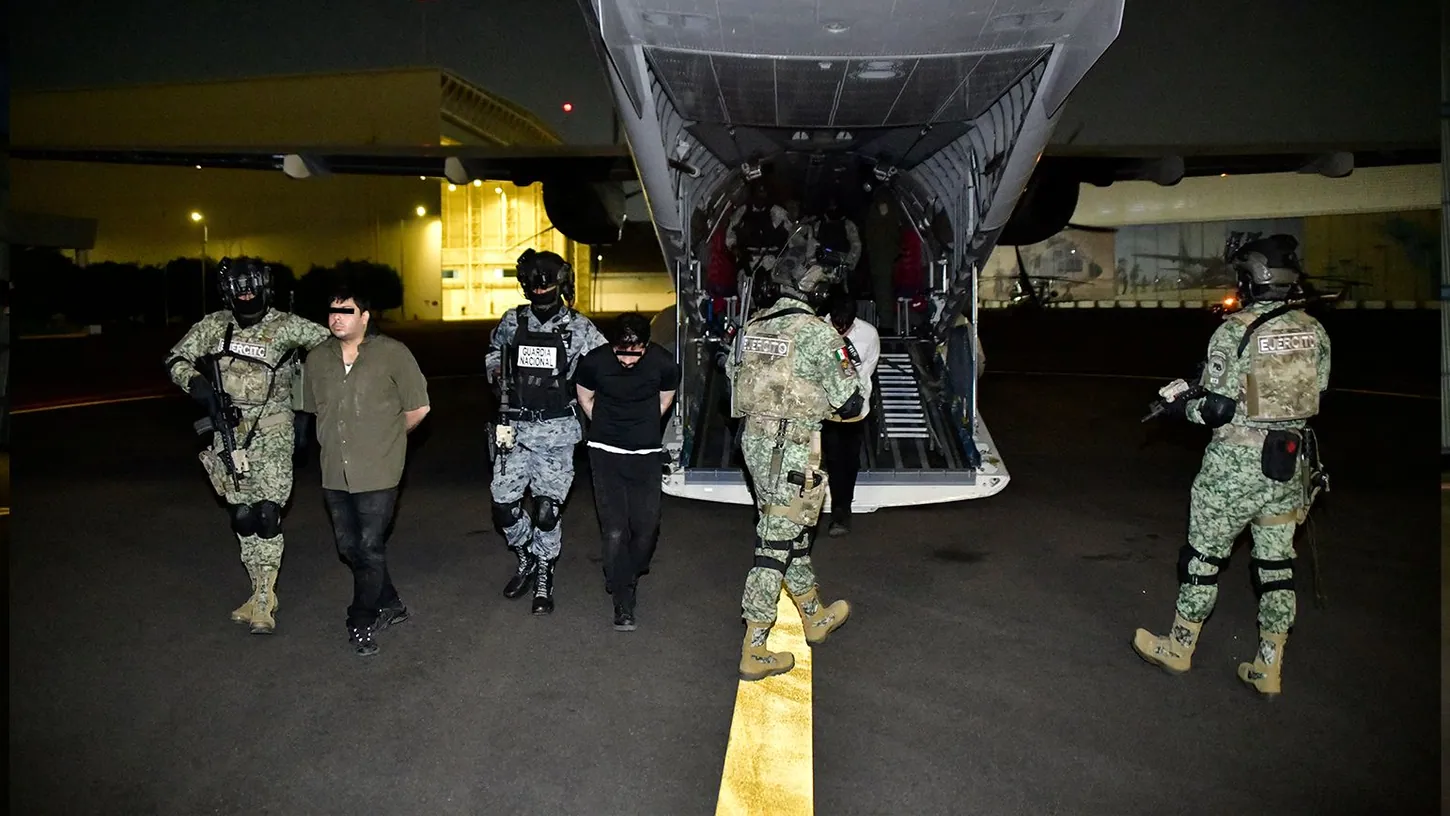
Iran used SpaceX’s Starlink satellite internet to help run its military campaign against U.S. forces in the first days of the war that began on February 28, The Washington Post reported Saturday, November 28. Four people familiar with the operations confirmed it to the paper. A classified Central Command update given to Defense Secretary Pete Hegseth this summer described Iran using the service for command and control and to oversee one-way attack drone operations, one person who knows the report told the Post.
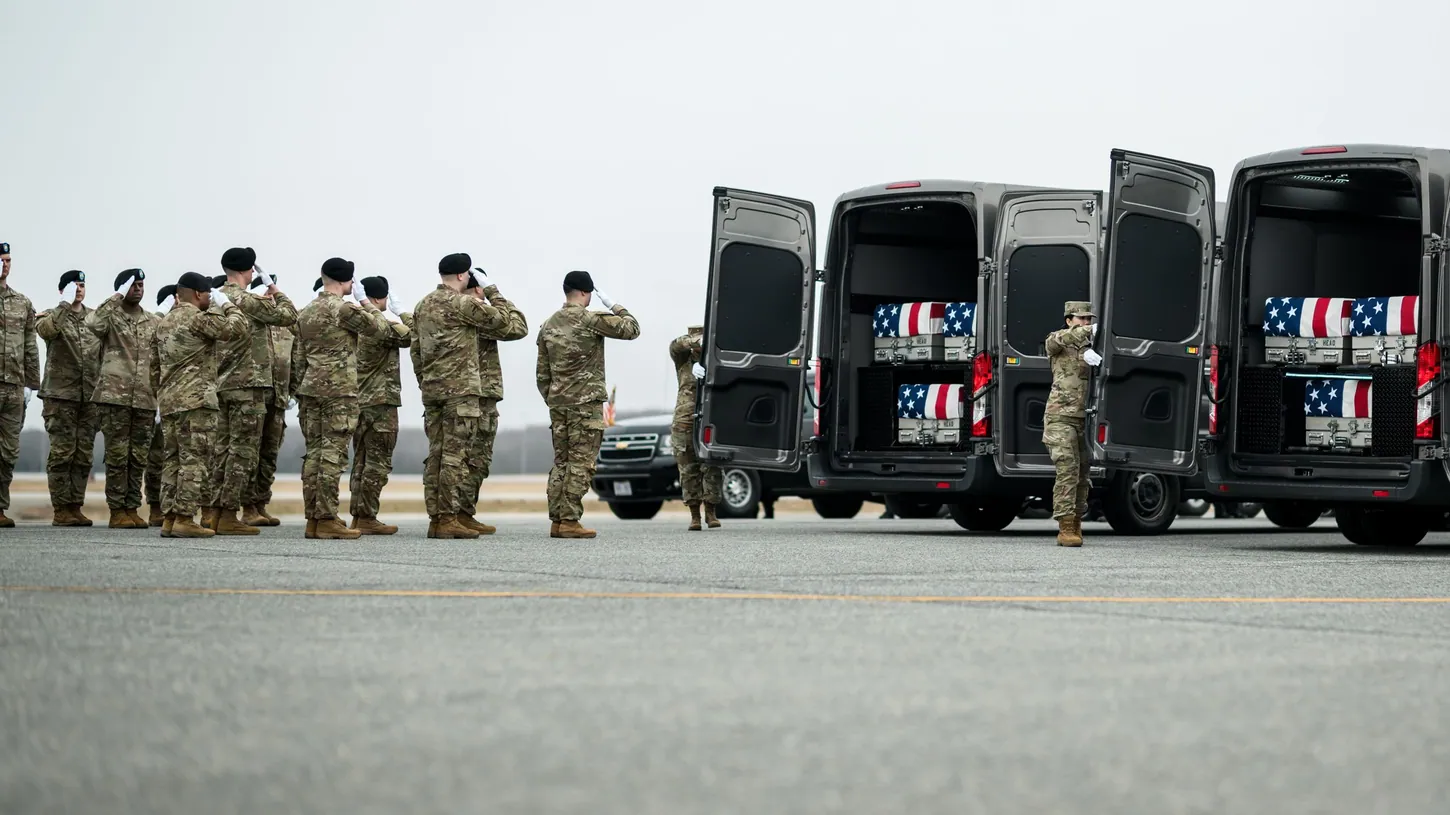
Elon Musk was enraged to learn in the first week of March of two unauthorized uses of his service, two people familiar with SpaceX’s internal discussions told the Post. One was Iran’s. The other, one of them said, was the U.S. military flying its LUCAS one-way attack drones on Starshield, the military version of Starlink, under a cheaper plan meant for ground use. On March 1, an Iranian drone killed six U.S. soldiers at Port Shuaiba, Kuwait. The Post does not report that Starlink was used in that attack, Central Command declined to tell the paper whether it was, and the Pentagon has not released the findings of its investigation.
Iran Turned to Starlink as US Strikes Hit Its Networks
Starlink gave Tehran another way to talk to its forces while the U.S. went after its conventional communications systems, according to the person familiar with the Central Command update quoted by the Post. SpaceX and Musk did not respond to the paper.
The Post’s sources spoke anonymously, citing fear of repercussions from Musk or their own organizations. Pentagon spokeswoman Kingsley Wilson told the Post: “We are not aware of the existence of a Central Command report” on the subject sent to Hegseth’s office. She declined to say whether Iran used Starlink in its military operations, including the Port Shuaiba attack. Central Command declined to answer the paper’s detailed questions.
In January, after Iran’s government cut the country’s communications during its crackdown on protesters, Starlink made service free to anyone in Iran with a terminal, The New York Times reported. Starlink is not licensed to operate in Iran, though Musk has said the service is active there, CNBC noted. Analysts told the Post that SpaceX could switch off any terminal it detects inside Iran and probably doesn’t because dissidents and ordinary Iranians depend on it. A satellite industry executive said the choice is to shut the service off over the whole country or leave it open to the Revolutionary Guards as well.
Ukraine has an answer that Iran lacks. After Ukraine obtained the wreckage of a Russian Italmas long-range drone carrying a Starlink terminal on its wing and asked SpaceX to act, SpaceX cut service in January to terminals moving faster than about 45 mph (70 km/h), the Post reported. DroneXL covered the speed cutoff when Ukrainian units first saw it. A whitelist of approved Ukrainian terminals followed in February. “Who do you trust?” one industry executive asked about doing the same for Iran, where SpaceX has no government it can rely on to run such a list.
SpaceX Tightened Starlink for Pilots Within Hours of Port Shuaiba
SpaceX imposed identity checks on Starlink in aircraft faster than 100 mph (161 km/h) within hours of the March 1 strike, the Post reported, citing pilots and emails to customers. One Charlotte-area pilot got his at 7 a.m. on March 2, and his monthly fee rose from $60 to $200.
He got his terminal working again only after giving Starlink his passport number, driver’s license number, aircraft tail number, transponder code and home airport. By the end of that week, at least two SpaceX executives had been fired over the misuse incidents, one person familiar with the internal discussions told the Post.
In the weeks that followed, SpaceX required resellers to prove they knew the identity of every customer buying and activating a terminal, and it paused its Indirect Reselling Program, which had let authorized resellers pass terminals to sub-resellers. A Starlink support page posted in April said “the current approach has created compliance risk.” Before that, a credit card was generally enough to sign up, two satellite industry executives said.
The Pentagon’s LUCAS Drones Flew on a Ground Plan
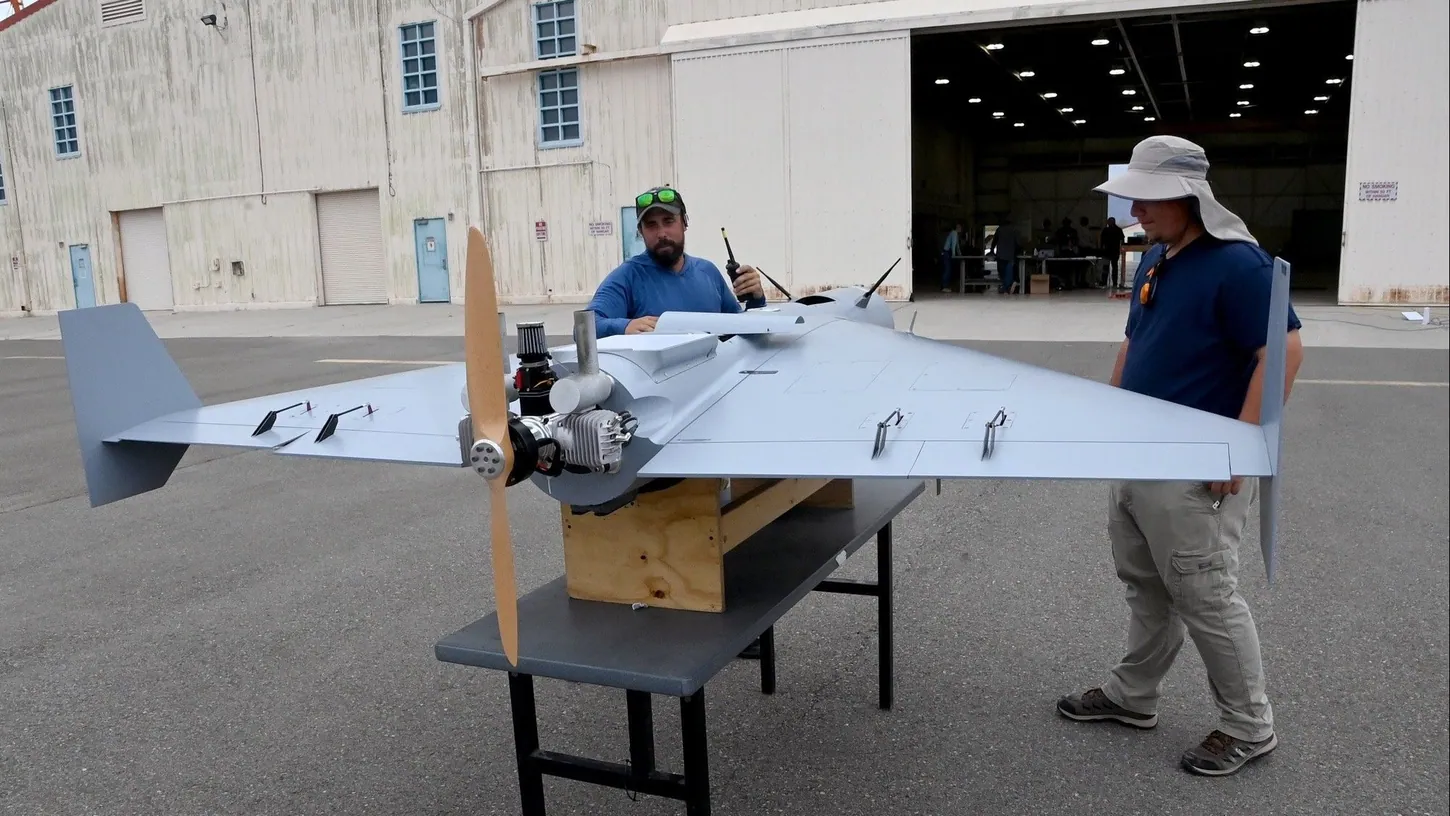
The Pentagon paid for a ground-based Starshield subscription for its LUCAS drones, the Post reported. The aerial plan cost five times as much. LUCAS, a U.S. copy of Iran’s own Shahed design, saw its first combat on February 28 in Operation Epic Fury.
Musk addressed LUCAS publicly on March 1. Replying to a post on X about Russian claims that LUCAS carried Starlink, he wrote that using the terminal on weapons violates the commercial terms of service and that such use is shut down when discovered. DroneXL reported that reply the next day, along with his statement that Starshield is a separate network operated by the U.S. government and “not under SpaceX control.”
The pricing dispute reached print in May. Reuters reported on May 26 that SpaceX argued the military had paid about $5,000 per terminal connection for a tier worth closer to $25,000 a month, a price designed for aircraft. Pentagon officials argued that drones use the link for minutes or hours. Reuters said the Pentagon ultimately agreed to pay, almost doubling the cost of a LUCAS drone from about $30,000. Musk posted on X that the Reuters story was false and, the Post reported, accused the Pentagon of “improper use of the Starlink civilian system for military purposes.” In a separate post, Reuters said, he blamed the company rather than the Pentagon. Pentagon spokesman Sean Parnell wrote on X that the reporting was wrong and called SpaceX a strong and valued partner. One person told the Post some military personnel felt “held hostage” by SpaceX during the talks.
Wilson declined to comment to the Post on the Starshield pricing.
DroneXL’s Take
The Pentagon sent its answer to the Shahed into combat on a satellite link it rents from one company, and the Post’s reporting shows what that costs. Iran, according to four of the paper’s sources, used the same constellation to coordinate attacks on American troops, and an industry executive told the paper the only choice is to cut off the whole country or leave the service open to the Revolutionary Guards. The U.S. military, meanwhile, flew LUCAS on a plan SpaceX says was the wrong one, then, Reuters reported, agreed to a price that nearly doubled the cost of each drone. Ukraine learned the same lesson in October, when a Starshield speed cap slowed its interceptor drones and Reuters’ sources traced the order to the White House, which a senior official denied. I think a one-way attack drone the U.S. sends into combat needs a link the military owns or has under a contract it can’t lose in a pricing fight, and the price of that link shouldn’t be argued out on X.
Sources: The Washington Post, Reuters via Defense News.
DroneXL uses automated tools to support research and source retrieval. All reporting and editorial perspectives are by Haye Kesteloo. Read our editorial standards.
Advertise with DroneXLYour company hereReach 200,000+ drone readers a month with a sponsored article, a banner on your beat, or a partnership.See the options →