
Iran · United Kingdom
MI5 Chief: Iran Hasn't Shown the UK Drone Reach That Sent B-1s Home
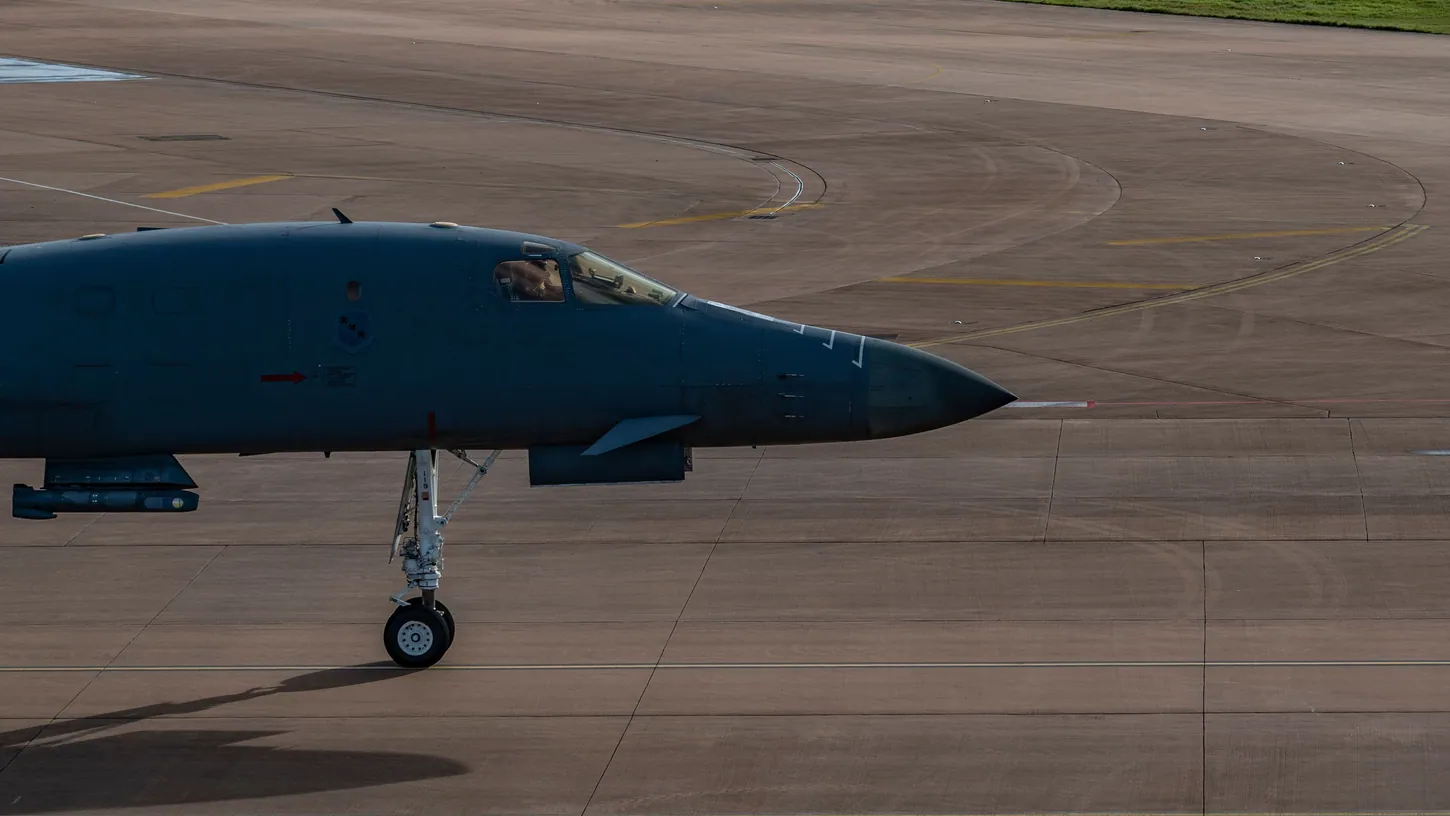
MI5 chief Ken McCallum says Iran's UK operations have been nowhere near the drone capability feared at RAF Fairford, where the US pulled its B-1s.
News, deep dives, and analysis — every Iran story, newest first.
Iran drone coverage tracks the IRGC’s production and export network, the proliferation of Shahed-136 derivatives, and the US response to a supply chain that has proven difficult to sanction into submission.
The US recently escalated its approach: it put a $15 million bounty on Iran’s IRGC-linked KIPAS drone network, a step that functions as an admission that sanctions alone weren’t working. Iranian drone exports have also reshaped global risk pricing well beyond direct military use: drones repriced global energy, and the math currently favors the attacker, a reminder that Shahed-derived weapons affect markets, not just battlefields.
Verifying proliferation claims is its own recurring story. Reporting on Shahed-136 derivatives reportedly reaching Cuba, cited as 300 units, found the number was never actually confirmed by any source, and separately, CNN reported a downed US pilot saw an Iranian drone swarm, while the intelligence community wasn’t confident the pilot saw what was reported. Both stories are covered with the same caution: a claim and a confirmed fact are not the same thing.
Related coverage lives on the Ukraine and Russia desks, where Iranian-designed weapons see the most combat use. Every Iran drone story is in the feed below.
Last updated October 13, 2026 — the feed below updates with every new story.
MI5 chief Ken McCallum says Iran's UK operations have been nowhere near the drone capability feared at RAF Fairford, where the US pulled its B-1s.
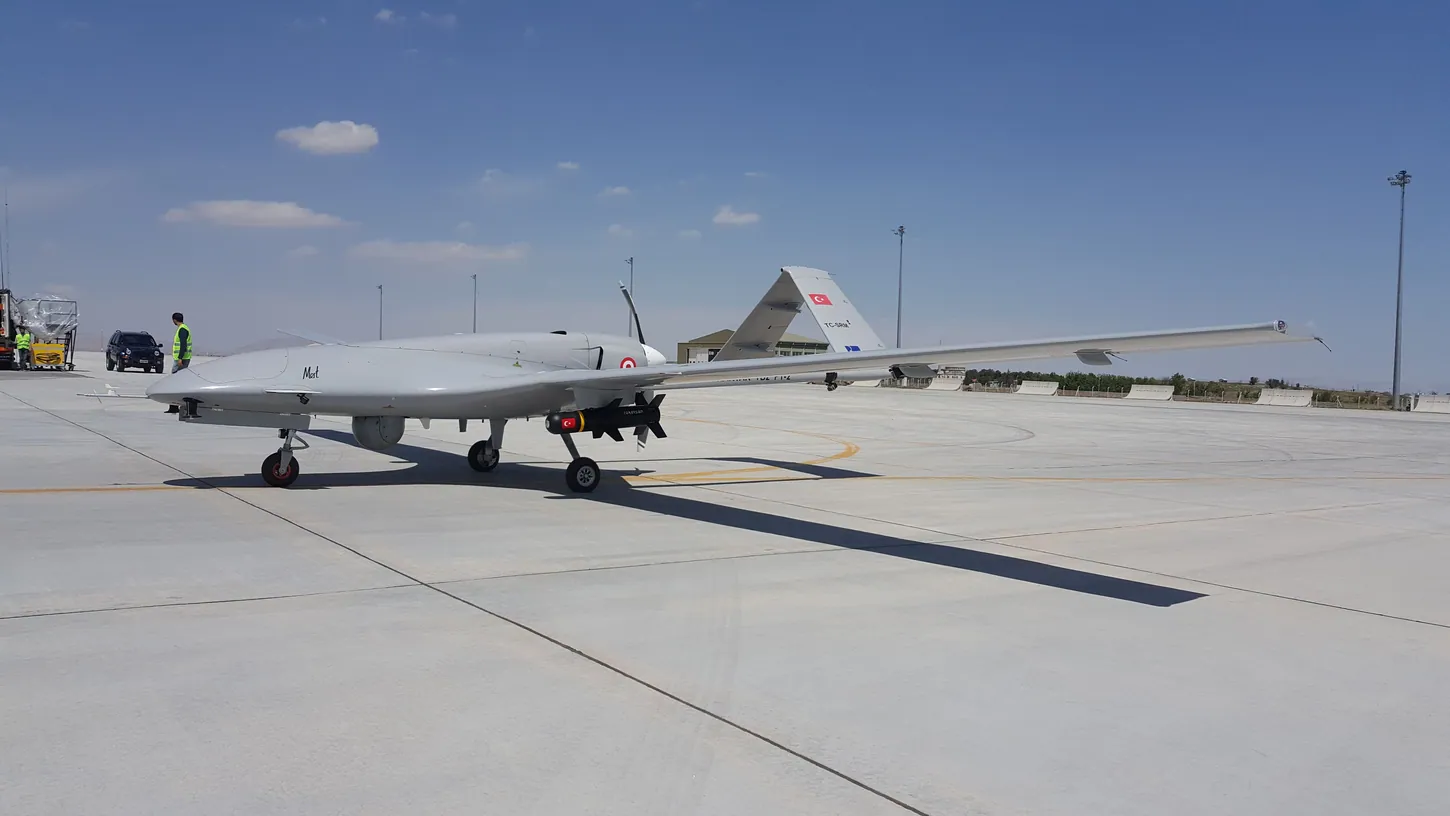
Robi Sen warns drug traffickers could arm African groups with drones, but his paper calls its drugs-for-drones barter claim an unverified lead.
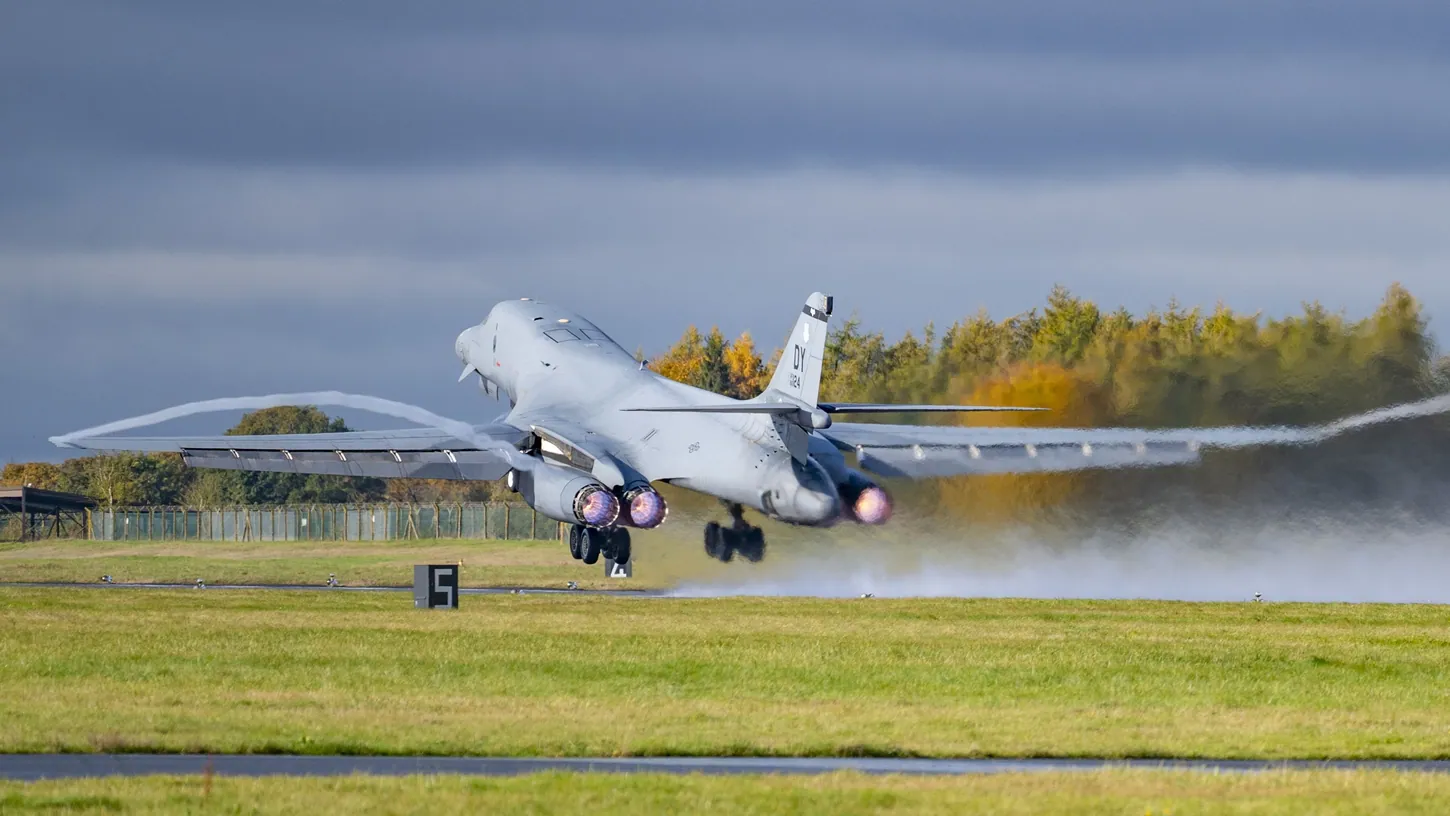
US and British officials say a feared IRGC drone attack, which some liken to Ukraine's Spiderweb raid, led the US to pull all 12 B-1s from RAF Fairford.
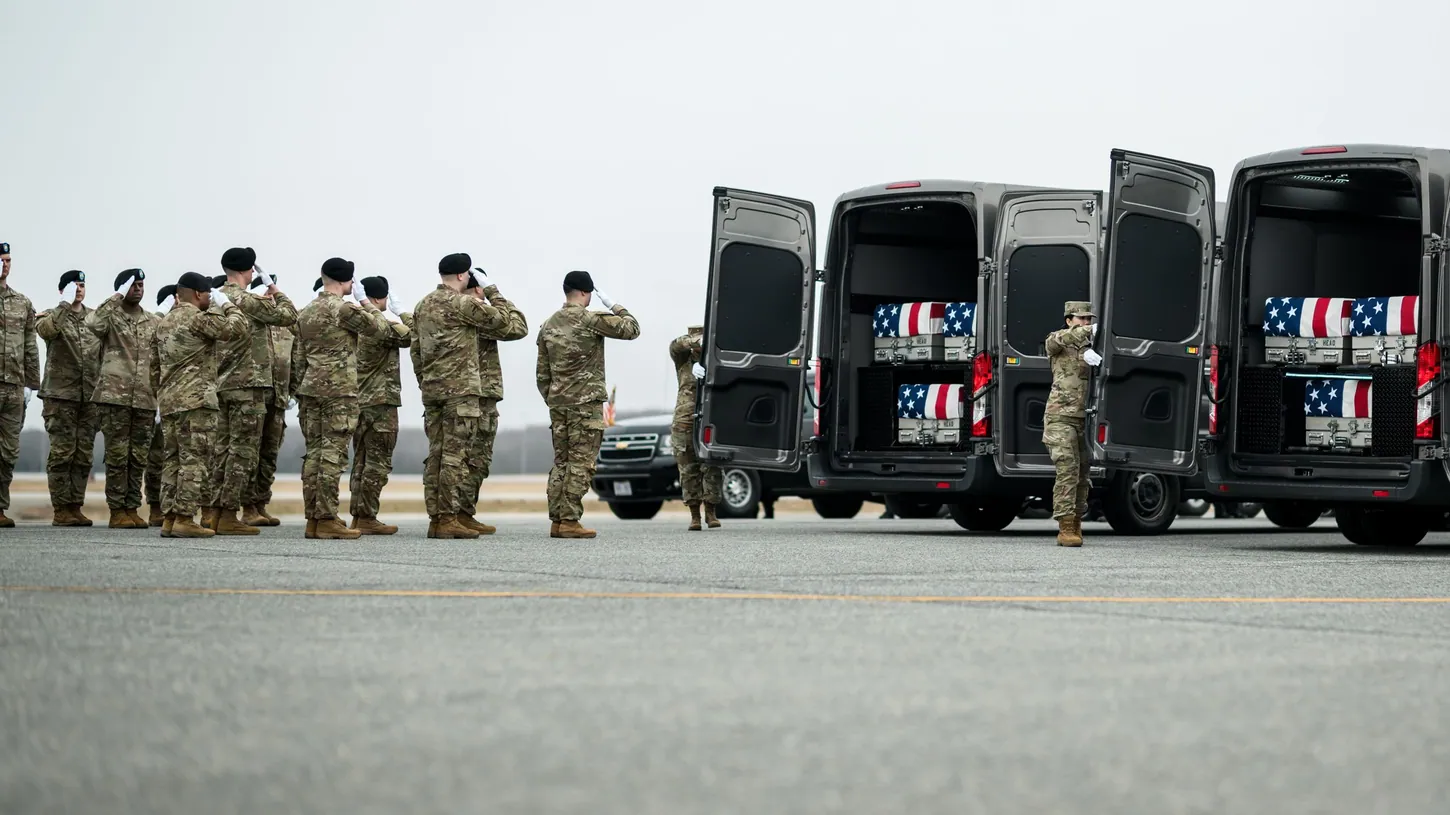
Nine soldiers wounded in Iran's March 1 Port Shuaiba strike tell AP the Army sent them to barracks, logged them as not combat wounded and delayed TBI care.

A Pensacola charter hauled a US Air Force Shahed-136 clone out of the Gulf near Eglin. The base confirms a test article went down but won't name it.

The first official Pentagon accounting of the Iran war lists as many as 30 MQ-9 Reapers destroyed, more than every crewed aircraft loss combined.

The State Department's Rewards for Justice program is offering up to $15 million for tips that disrupt KIPAS, the IRGC Qods Force drone builder the US has sanctioned since 2021. The poster names seven officials. Most wire reports counted six.

A $20,000 drone against a $4 million interceptor: how strikes on refineries and tankers pushed oil past $100 and made drone defense an energy policy problem.
The US put a $15 million bounty on Iran's IRGC-linked KIPAS drone network, an unusual step that amounts to an admission that existing sanctions alone were not disrupting Iran's drone production and export network.
Yes. Coverage has tracked a disputed report of Shahed-136 derivatives, known as Cuba-300, with a claimed 300-unit count that no source has actually confirmed, illustrating how difficult it is to verify Iranian drone proliferation claims even when they appear in credible outlets.
Coverage treats such claims carefully. CNN reported that a downed US pilot saw an Iranian drone swarm, but the intelligence community was not confident the pilot actually saw what was reported, a distinction worth preserving rather than treating an initial claim as confirmed fact.
One email with the drone news that matters — DJI, FAA, public safety, and everything in between, straight from the newsroom. No spam, no fluff.