

Ohio’s DFR Gamble: Dublin’s DJI vs. Columbus’s Skydio
Check out the Best Deals on Amazon for DJI Drones today!
Two neighboring Ohio police departments made opposite bets on the drone equipment question dividing American law enforcement. With the FCC deadline just seven days away, their choices reveal what’s at stake for agencies that depend on this technology to save lives.
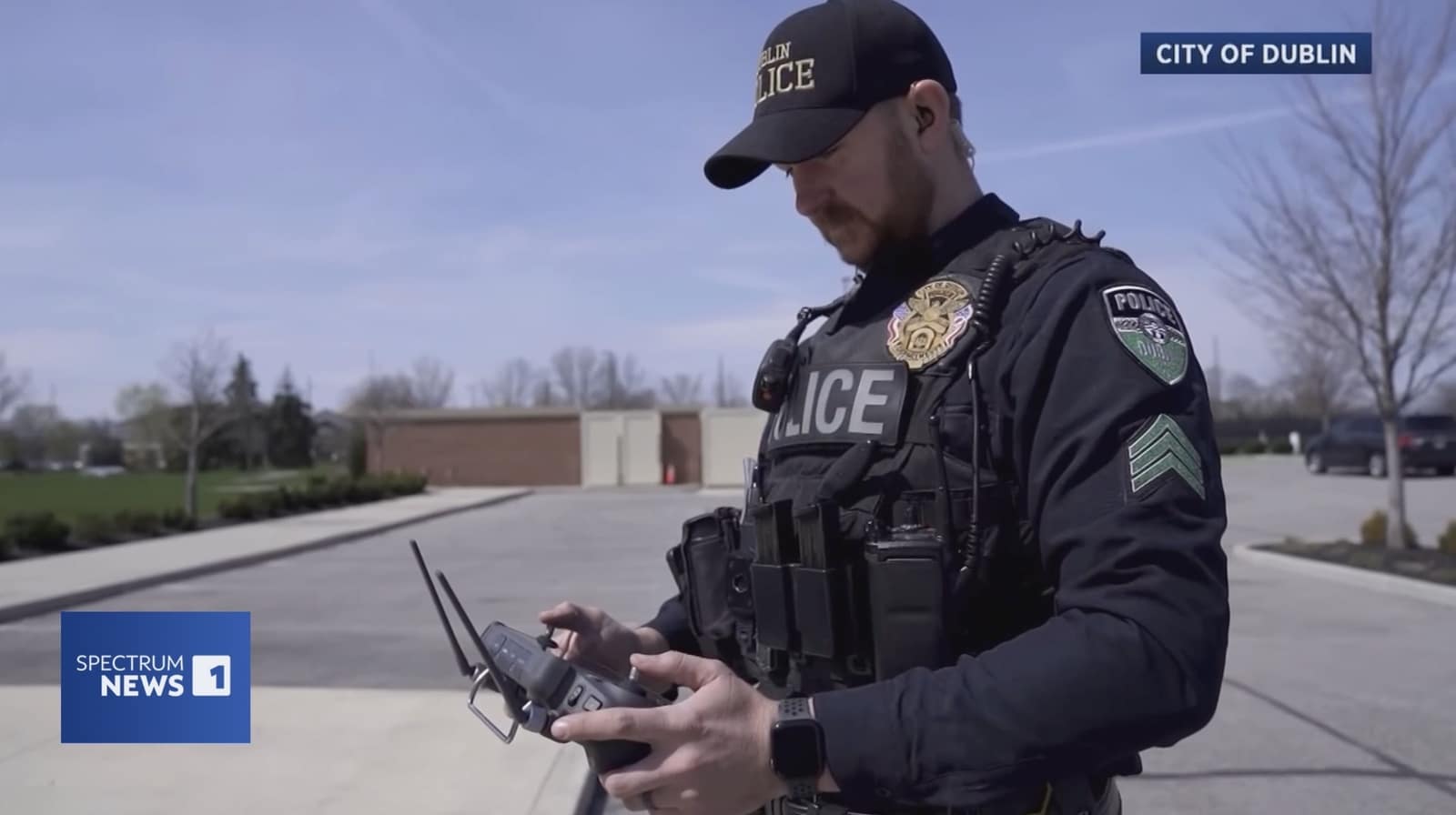
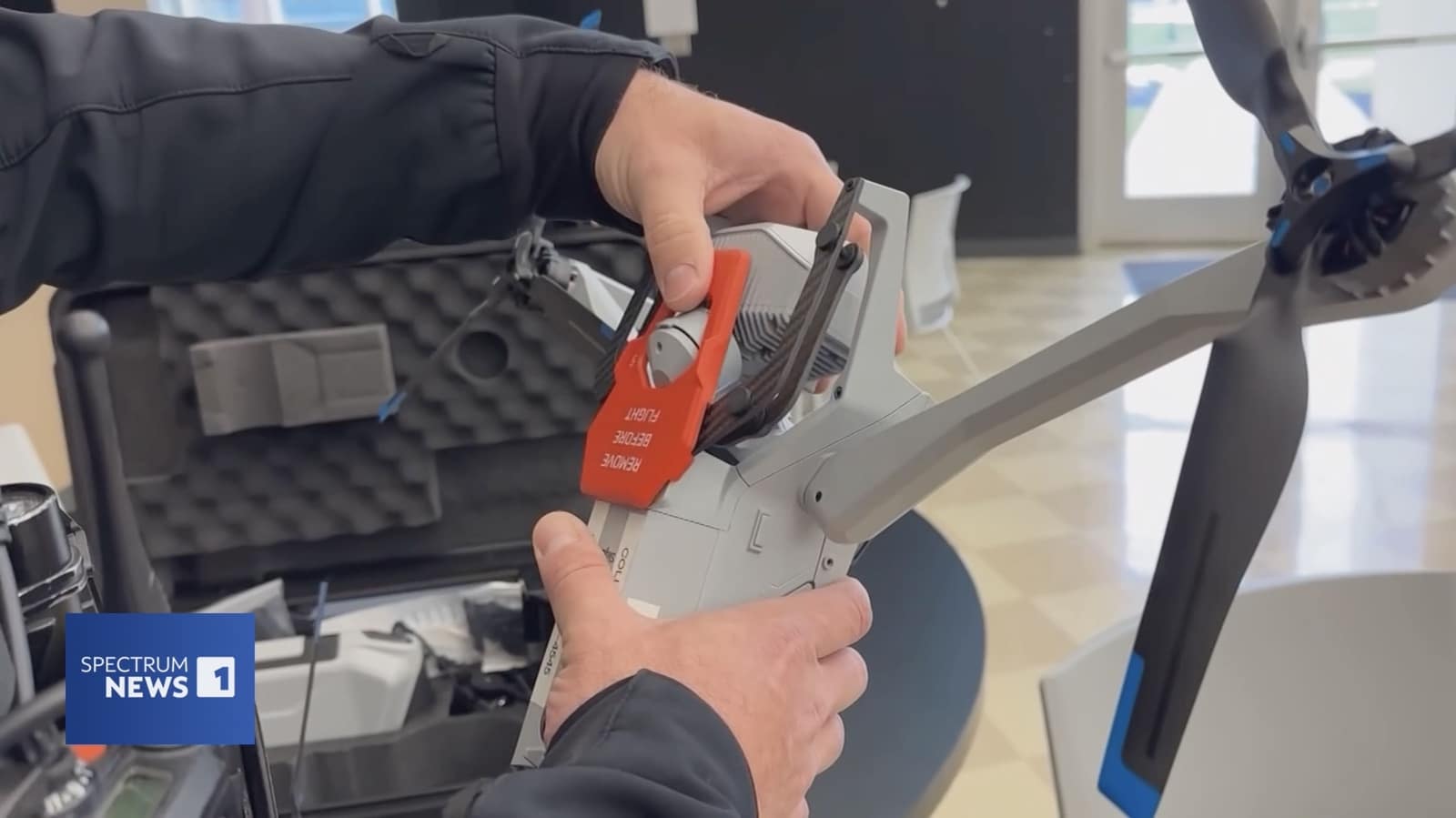
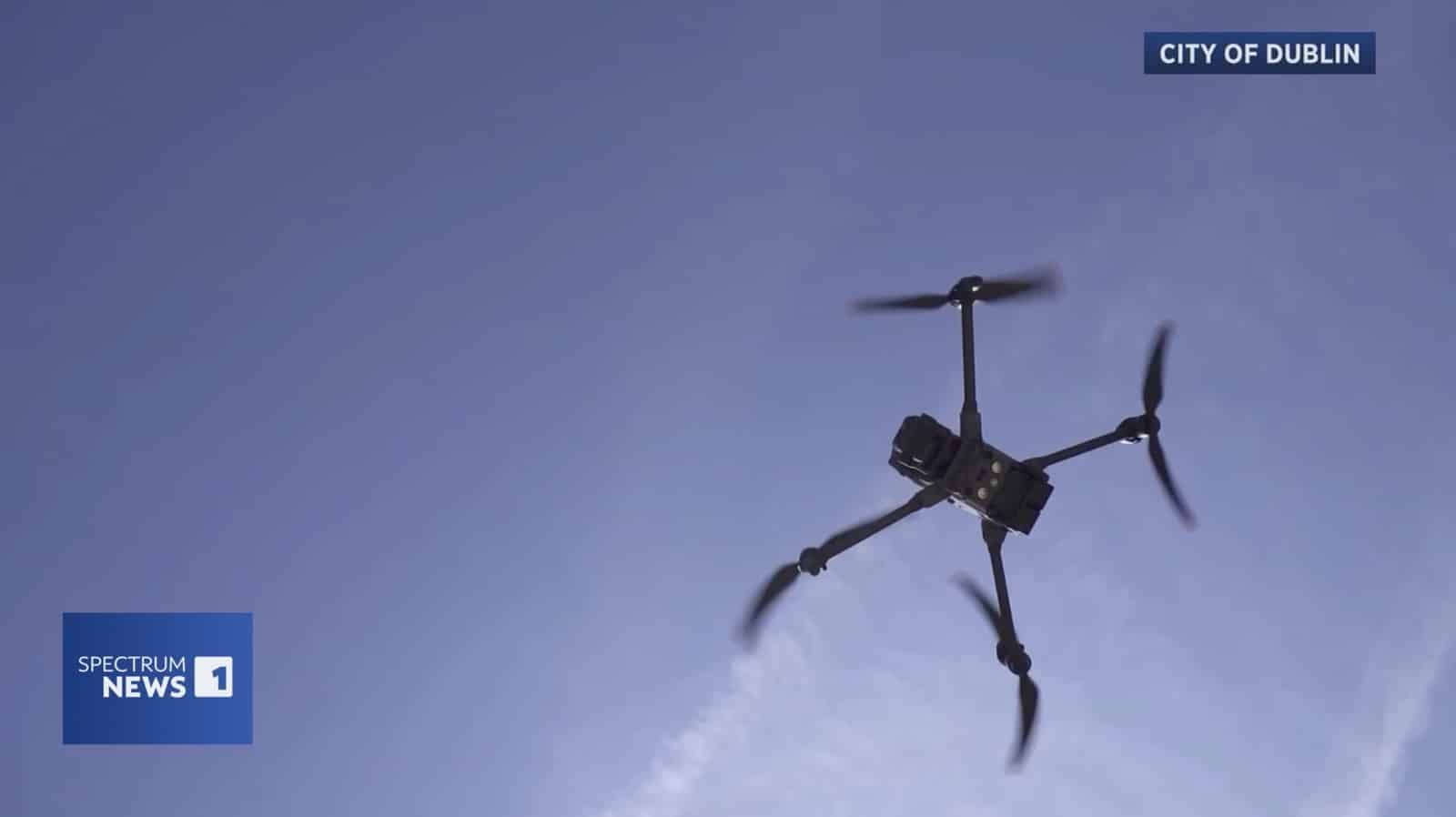
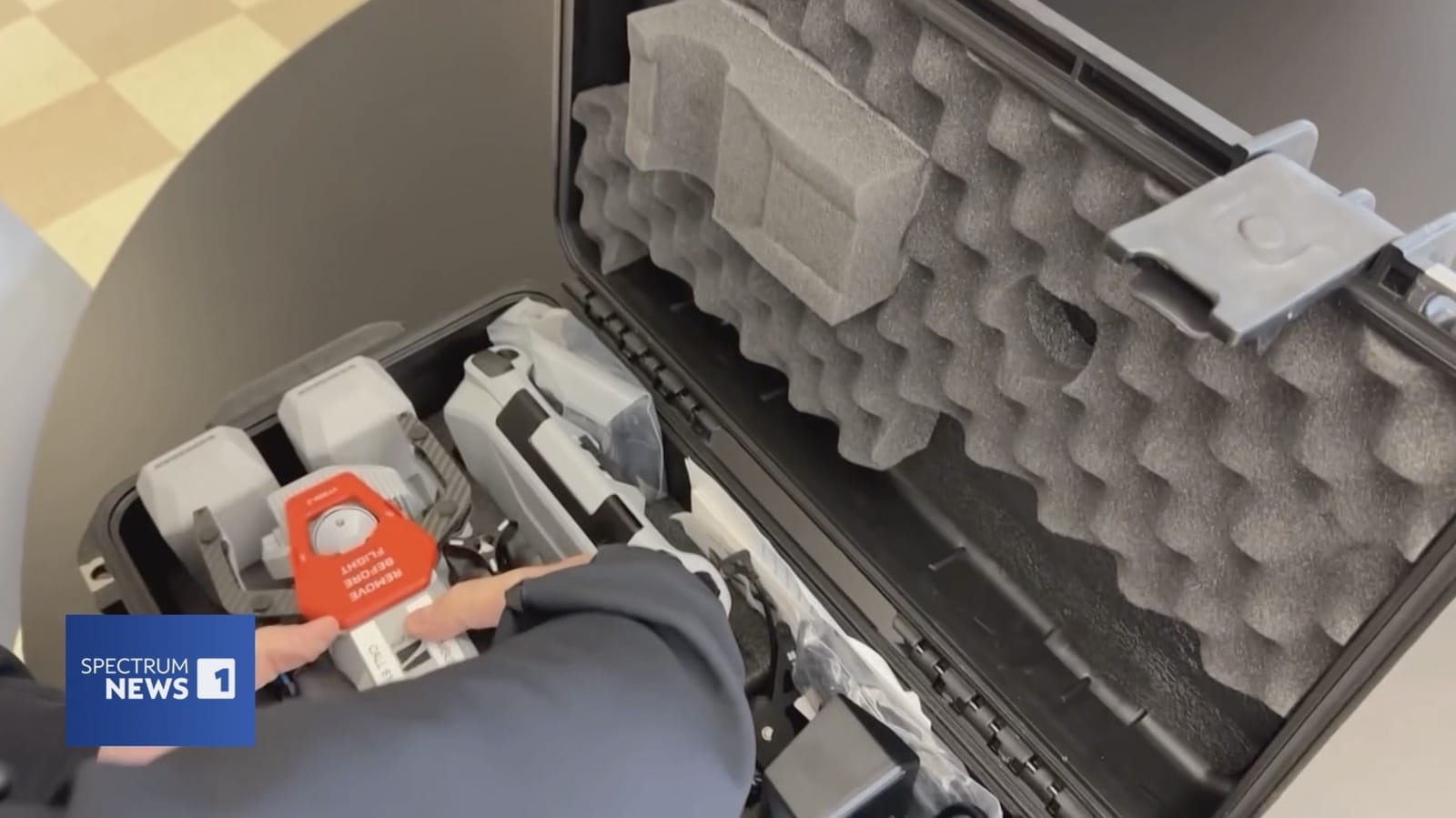
Dublin Police Department conducts its Drone as First Responder (DFR) operations using DJI Matrice 30T drones integrated with Paladin’s autonomous deployment platform. Columbus Division of Police launched its RAVEN program last month using Skydio X10 drones. Same state. Same mission. Opposite equipment choices. One faces regulatory uncertainty that the other doesn’t.
A Spectrum News 1 report from Cassidy Wilson profiles both departments without mentioning the equipment divide or the December 23 deadline. The local TV piece treats this as a simple story about police modernization. It’s more complicated than that.
The Equipment Split Nobody Is Discussing
Dublin’s DFR investment totals approximately $492,000 over three years, covering four DJI M30T drones with thermal imaging, Paladin’s autonomous deployment platform, and rooftop docking stations positioned across the city. The system launches drones within 90 seconds of a 911 call, giving officers situational awareness before they arrive on scene.
“These drones are game-changers,” Sergeant Andrew Clark told ABC6 when the program launched. “They allow us to see what’s happening before officers even step out of their cruisers.”
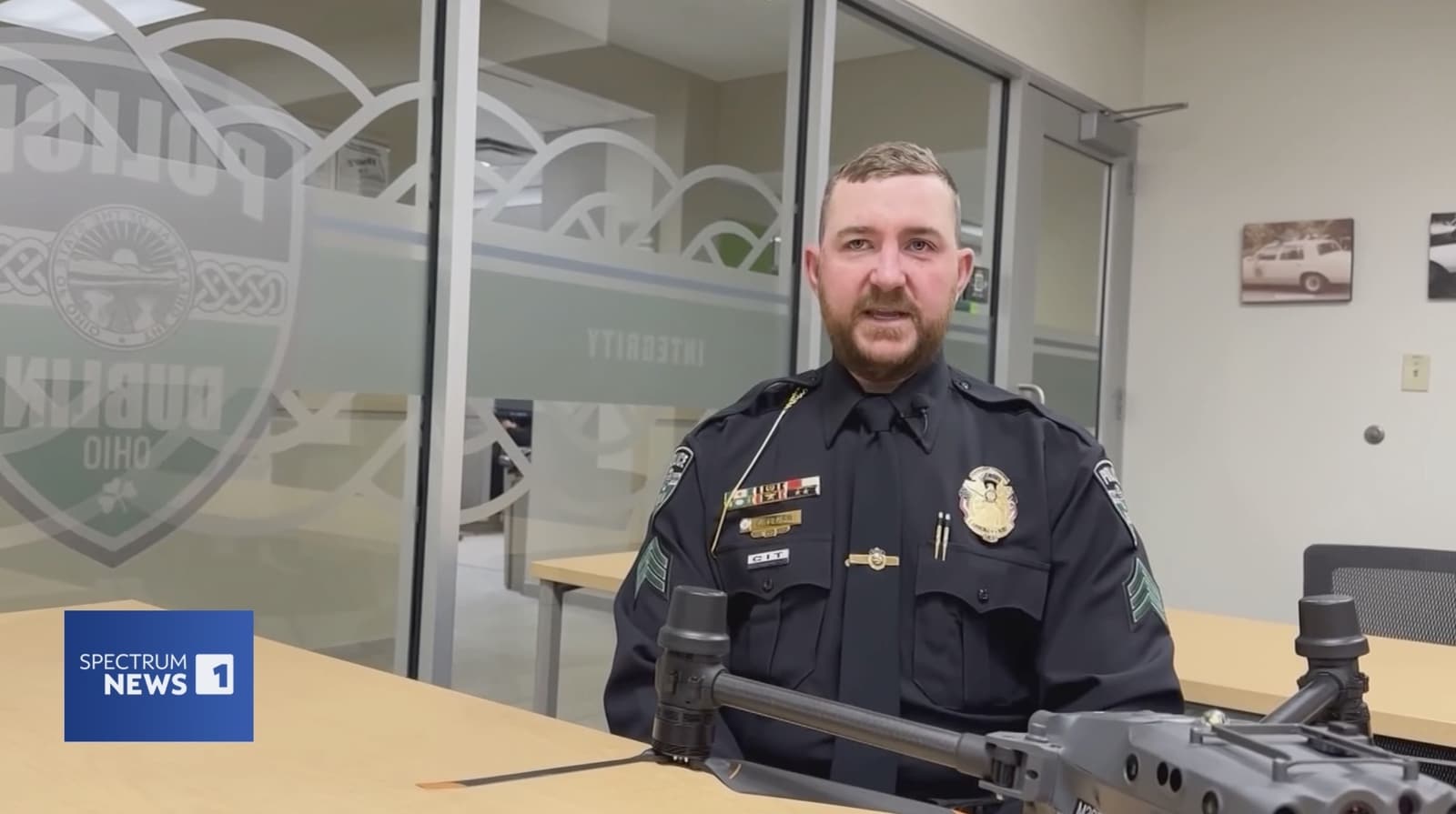
Columbus took a different path. The department purchased five Axon Air Skydio X10 drones for $172,000 and launched the RAVEN (Rapid Aerial Visual Enforcement Network) program on November 18. During the current pilot phase, four drones deploy from patrol cruisers rather than fixed docks.
“This is kind of like a supplement to what we’ve been doing for about the last 50 years with the helicopter,” Officer Tyler Hinkle told Spectrum News. “It’s just another tool that we can use to enhance situational awareness on critical runs, missing people.”
The cost difference is significant but requires context. Dublin bought a complete autonomous system with fixed infrastructure, docking stations, and software integration. Columbus bought hardware that officers carry in cruisers. If Columbus pursued a comparable autonomous DFR setup with Skydio Docks and Remote Ops software, their costs would likely approach or exceed Dublin’s investment. The price gap reflects different concepts of operations as much as different equipment brands.
| Factor | Dublin PD | Columbus PD |
|---|---|---|
| Equipment | DJI Matrice 30T | Skydio X10 |
| Software Platform | Paladin DFR | Axon Air |
| Investment | ~$492,000 (3 years) | $172,000 (5 drones) |
| Deployment Model | Autonomous from rooftop docks | Manual from patrol cruisers |
| Response Time | 90 seconds | Not specified |
| FAA Certified Pilots | About 20+ (as of spring 2025) | 14 (as of November 2025) |
| Program Launch | Spring 2025 | November 2025 |
| Direct Section 1709 Risk | High (DJI) | None under current statute |
The December 23 Question Dublin Didn’t Plan For
Section 1709 of the FY25 National Defense Authorization Act requires a federal security review of DJI by December 23, 2025. If no agency completes that audit, DJI automatically joins the FCC’s Covered List, blocking new equipment authorizations and procurement.
No U.S. agency has publicly confirmed starting the mandated review, despite DJI requesting it since March 2025. The NDAA required a security determination but never assigned which agency should conduct it.
Dublin’s existing DJI drones won’t stop flying on December 24. The immediate Covered List effect targets new FCC authorizations and federal procurement. But depending on how the FCC, carriers, and supply chains implement restrictions, replacement batteries, repair parts, and future firmware updates could become more difficult or expensive to obtain over time. That’s the long-term sustainment risk Dublin now faces.
Columbus is insulated from the Section 1709 / DJI Covered List issue, though not from other potential future regulatory changes. Skydio is an American manufacturer on the Department of Defense’s Blue UAS approved list. Their supply chain and FCC authorizations remain unaffected by whatever happens to DJI on December 23.
That regulatory certainty has value beyond the hardware cost. Columbus doesn’t have to apply for security waivers, argue with IT departments about data concerns, or worry about supply chain disruptions. That “peace of mind” factor partly explains why agencies pay a premium for Blue UAS equipment.
The Paladin Connection
Dublin’s choice of Paladin as their DFR software provider adds complexity. DroneXL reported yesterday that Paladin Drones is in litigation with its former Vice President of Sales. Court filings from the former VP allege the company owes him a $250,000 bonus and unpaid commissions. The filings describe accusations of corporate sabotage and an attempted leadership coup. Paladin disputes these claims, and the litigation remains ongoing with no judicial findings to date.
Paladin has built much of its DFR footprint on DJI hardware to date. The company’s EXT module enables LTE-based control for DJI M300 and M30 series drones, allowing beyond-visual-line-of-sight operations that make autonomous DFR programs possible. If DJI hardware faces sustained restrictions, agencies using Paladin’s DJI-based systems would face similar supply chain challenges as any other DJI operator.
That said, corporate litigation is common in high-growth startups, and software doesn’t stop working because of sales commission disputes. Unless the lawsuit freezes Paladin’s operations, the immediate risk to Dublin’s daily flights is likely low. The longer-term question is whether Paladin’s business model can adapt if DJI hardware becomes harder to obtain.
Stamford, Connecticut recently launched a similar Paladin-powered DJI M30 DFR program that beat fire trucks to a high-rise blaze on October 10. The system works. The question is whether agencies can sustain these programs as federal restrictions evolve.
Ohio’s Statewide DFR Pilot Faces the Same Question
Ohio’s budget includes $2.5 million for a two-year Drones for First Responders pilot program under House Bill 96. DriveOhio manages the initiative in partnership with SkyfireAI and CAL Analytics. Applications opened in November, with agency selection currently targeted for early 2026 and field operations planned for summer, according to state officials.
Richard Fox, director of DriveOhio’s UAS Center, told WOSU that the program aims to bring drone technology within reach of smaller departments that lack resources for independent adoption. Rural agencies covering large areas with limited staff could benefit most.
But the statewide program must now answer the same question Dublin and Columbus answered differently: which equipment platform should Ohio recommend to agencies that may operate these drones for years?
Meanwhile, Ohio legislators are working on drone privacy protections. HB251, which passed the House in November, would require search warrants for police drone surveillance beyond disaster response, traffic investigations, and exigent circumstances. The bill represents an attempt to establish guardrails as drone adoption accelerates statewide.
Florida Already Lived This Experiment
Ohio agencies watching the DJI deadline should study Florida’s experience. When Florida banned Chinese drones for state agencies in April 2023, Senator Tom Wright estimated agencies possessed approximately $200 million worth of DJI equipment. The state allocated just $25 million in replacement funding.
DroneXL’s investigation documented the results: grounded fleets, inadequate replacement funding, and Blue UAS alternatives that failed more frequently than the DJI equipment they replaced.
Orlando Police Sergeant David Cruz testified before the Florida Senate Committee: “With DJI in five years of DJI, we saw no losses, no issues, no failures. In one and a half years, approximately between two different manufacturers, we had a total of five losses.”
Palm Beach County Sheriff’s Office documented a Skydio battery that caught fire through spontaneous thermal combustion while sitting on a deputy’s vehicle floorboard. Senator Wright, who originally sponsored legislation to expand drone use for first responders, became the ban’s most vocal opponent: “I hope to hell we don’t have anyone lose a life to this silly rule.”
Based on DroneXL’s analysis of Florida agency procurement data, agencies now pay anywhere from 3 to 14 times more for Blue UAS alternatives. St. Cloud Police Department’s DFR program costs $890,000 over five years using Skydio equipment. A comparable DJI setup would cost roughly $150,000 to $250,000 over the same period, though direct comparisons depend on mission profiles and service levels.
DroneXL’s Take
Dublin and Columbus made their equipment decisions based on the information and priorities available at the time. Dublin launched earlier, chose proven DJI hardware, and built an impressive autonomous DFR capability that reaches emergencies in 90 seconds. Columbus launched later, chose the regulatory safe harbor of Skydio, and is still evaluating where drones prove most useful during an eight-week pilot.
Neither department made a wrong choice. They made different choices reflecting different risk tolerances and operational priorities.
The problem is that federal policy has created a situation where local agencies must bet taxpayer money on regulatory outcomes they cannot predict. Dublin invested nearly half a million dollars in a system that faces long-term sustainment questions if DJI lands on the Covered List. Columbus paid for regulatory certainty that comes with higher per-unit costs and a different operational model.
We’ve been tracking this December 23 deadline since the FCC granted itself retroactive ban powers in late October. As we’ve documented extensively, DJI drones save American lives every week. If restrictions proceed through bureaucratic default rather than evidence-based security findings, the policy will have real consequences for agencies that depend on this technology.
Arizona Fire Chief Luis Martinez warned last week: “In my opinion, lives are going to be lost because this air capability is going to be taken away.”
Dublin’s DFR program works. Sergeant Clark’s team can reach any emergency in 90 seconds with thermal imaging and situational awareness that keeps both officers and the public safer. Whether they can sustain that capability over the coming years depends partly on decisions made in Washington, not Columbus.
If you’re a Part 107 operator or public safety professional watching Ohio’s DFR split, the lesson is clear: equipment decisions now carry regulatory considerations that didn’t exist two years ago. Plan accordingly, and plan for uncertainty. The December 23 deadline is seven days away, and no federal agency has publicly confirmed beginning the security audit Congress mandated over a year ago.
What do you think about Dublin’s DJI bet versus Columbus’s Skydio choice? Should Ohio’s statewide program recommend one platform over the other? Share your thoughts in the comments below.
Discover more from DroneXL.co
Subscribe to get the latest posts sent to your email.
Check out our Classic Line of T-Shirts, Polos, Hoodies and more in our new store today!

MAKE YOUR VOICE HEARD
Proposed legislation threatens your ability to use drones for fun, work, and safety. The Drone Advocacy Alliance is fighting to ensure your voice is heard in these critical policy discussions.Join us and tell your elected officials to protect your right to fly.

Get your Part 107 Certificate
Pass the Part 107 test and take to the skies with the Pilot Institute. We have helped thousands of people become airplane and commercial drone pilots. Our courses are designed by industry experts to help you pass FAA tests and achieve your dreams.

Copyright © DroneXL.co 2026. All rights reserved. The content, images, and intellectual property on this website are protected by copyright law. Reproduction or distribution of any material without prior written permission from DroneXL.co is strictly prohibited. For permissions and inquiries, please contact us first. DroneXL.co is a proud partner of the Drone Advocacy Alliance. Be sure to check out DroneXL's sister site, EVXL.co, for all the latest news on electric vehicles.
FTC: DroneXL.co is an Amazon Associate and uses affiliate links that can generate income from qualifying purchases. We do not sell, share, rent out, or spam your email.

