FCC Exempts Four Foreign Drone Models From Import Ban as DJI Court Battle Continues
![Review And Rewrite This Article For Publication. Do All Of The Following: 1. Fact-Check: Verify Dates, Locations, Quotes, Agency Names, And Acronyms. Mark Anything Uncertain With [Verify]. Did The Article Reference And Link To The Original Source? Flag If Missing. 2. Devil'S Advocate: In 3–4 Sentences, Assess Whether The Article Is Factually Sound, Well-Written, And Reads As Human. Be Blunt. 3. Humanize: Fix All Ai Patterns — Break Parallel Sentence Pairs, Remove Em-Dashes Used As Dramatic Pauses, Cut Redundant Consecutive Sentences, Remove Rhetorical Counting Devices. Strip These Words: Crucial, Vital, Key, Significant, Notably, Importantly, Essentially, Arguably, Landscape, Ecosystem, Trajectory, Transformative, Game-Changer, Groundbreaking, Unprecedented, Cutting-Edge, Robust, Seamless, Leverage (Verb), Utilize, Going Forward, In Conclusion, In Summary. Vary Sentence Length. Make The Take Section One Editor'S Sharp Opinion, Not A Summary. 4. Seo: Give 5 Alternative Title Ideas, A Permalink Slug, And A Meta Description (Under 155 Characters). Output Order: Devil'S Advocate Assessment → Revised Article With [Verify] Flags → Seo Block.](https://dronexl.co/wp-content/uploads/2025/02/DJI-Dock-3-and-Matrice-4D-and-4TD-Usher-in-Versatile-Drone-in-a-Box-Solution-for-Remote-Operations-0022.jpg.webp)
Check out the Best Deals on Amazon for DJI Drones today!
Our earlier report today confirmed the news: the FCC has removed the first four drone systems from its “Covered List.” What that report didn’t have space to unpack is the regulatory logic behind the timing and the specific manufacturers chosen. Looking at those details, a pattern emerges — one that goes well beyond a routine exemption and cuts to the heart of why DJI and Autel remain sidelined while smaller, non-Chinese competitors are finding a path forward.
- The Development: The FCC has exempted four drone models — SiFly Aviation Q12, Mobilicom SkyHopper Series, ScoutDI Scout 137, and Verge X1 — from the December 2025 foreign drone import ban, based on a Pentagon no-national-security-risk determination.
- The “So What?”: None of the four approved models are from Chinese manufacturers. DJI and Autel, the two biggest names affected by the ban, remain fully blocked from importing new models or critical components into the US.
- The Legal Context: DJI challenged the FCC decision in the US Court of Appeals for the 9th Circuit, arguing the agency “carelessly restricts DJI’s business in the US and summarily denies US customers access to its latest technology.”
- The Source: Reuters reporting by David Shepardson, published March 18, 2026 (paywalled).
Four Models Clear the Pentagon’s Security Review
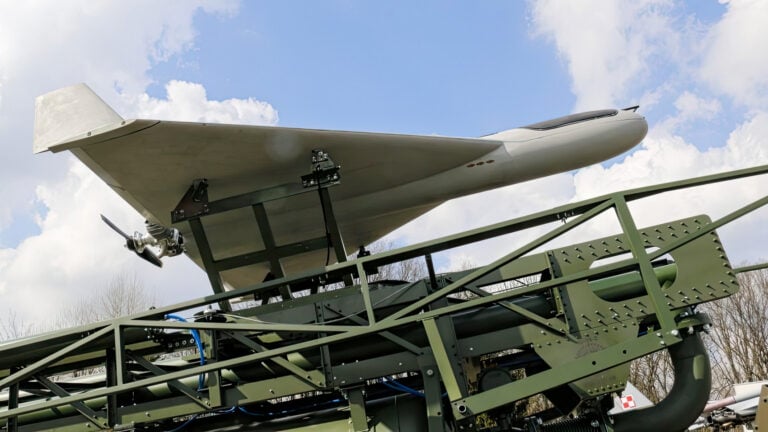
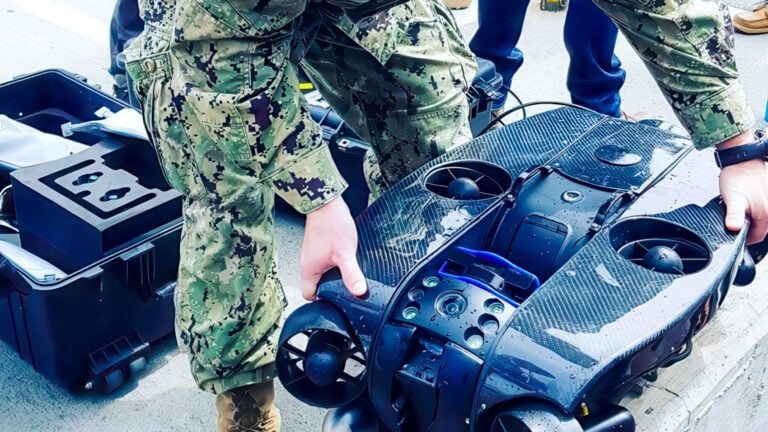
Under the framework the FCC established when it added all foreign-made drones to the Covered List in December 2025, a manufacturer can petition for removal by submitting to a Department of War (DoW) national security review. If the DoW determines the system poses no unacceptable risk, the FCC grants an exemption. As we detailed in our initial coverage, the four systems that cleared this process are the SiFly Aviation Q12, the Mobilicom SkyHopper Series, the ScoutDI Scout 137, and the Verge X1 — all from non-Chinese companies. SiFly is US-based out of California, Mobilicom is Israeli, and ScoutDI is Norwegian.
SiFly petitioned the FCC directly, making the case that the Q12 poses no national security risk and committing to an onshoring plan for covered components. The argument held up under DoW review, and the other three manufacturers navigated the same pathway to get there.
This isn’t the first time the FCC has carved out exemptions. In January, the FCC exempted Blue UAS drones from the foreign ban following a DoW review, and extended import exemptions for some foreign-made models and critical components through January 1, 2027. Wednesday’s announcement builds on that precedent — but with a cleaner outcome.
DJI and Autel Stay Blocked — The Chinese Dronemaker Gap Widens
Every exemption granted so far has gone to a non-Chinese manufacturer. DJI and Autel — both China-based — remain under the full weight of the December ban, unable to bring new models or critical components to the US market. Companies not on the exempt list can still sell existing, previously authorized products, and Americans can continue using the drones they already own, but the pathway to anything new is closed.
FAA research published earlier this month put DJI’s share of detected US drone platforms at over 96%. The ban is, in practical terms, aimed at a single company — one that happens to control nearly the entire commercial market.
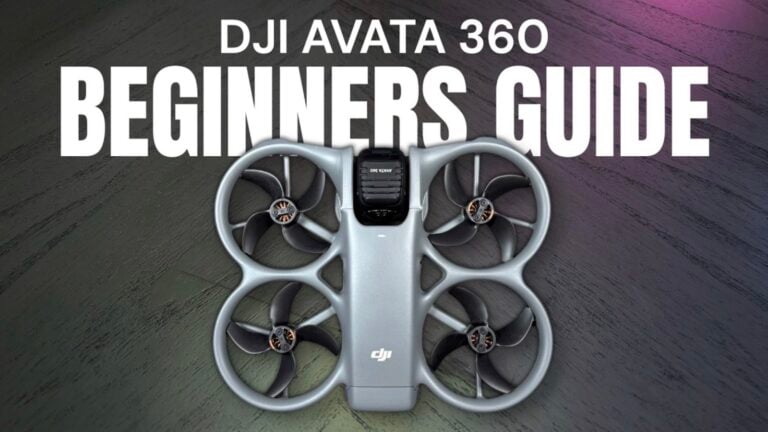
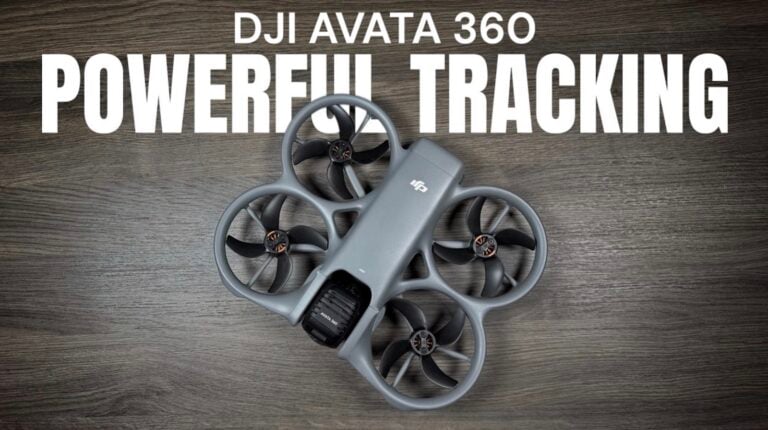
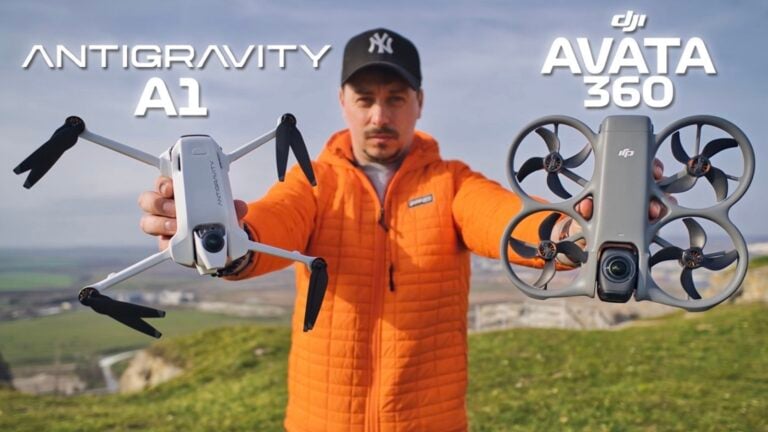
DJI filed suit against the FCC in the US Court of Appeals for the 9th Circuit in February, and the company did not hire a standard telecom litigator to make its case — it retained Biden’s former Solicitor General and a former chief of the FCC’s own Enforcement Bureau. DJI’s central argument is that the government had more than a year to produce evidence of an actual security threat and never did. In the meantime, the DJI Avata 360 stands as the most recently FCC-authorized DJI product — one of the last models American buyers can still purchase through legitimate channels, having cleared authorization before the December cutoff.
Autel faces the same wall. No exemption application has cleared DoW review for any Autel product, and nothing in the current framework creates a mechanism for Chinese-owned manufacturers to realistically navigate the process.
FCC Chair Brendan Carr’s Stated Rationale
FCC Chair Brendan Carr told Reuters the agency is “trying to strike a balance here of national security and mitigating those risks by making clear there’s an end date for these foreign drones, which is these models are done.” He added the current approach “strikes the right balance between national security and not needlessly disrupting consumer use.”
It’s a carefully hedged statement. When Carr laid out his “American drone dominance” vision at CES 2026 in January, he framed the ban explicitly as an industrial policy instrument — a tool to grow a domestic drone sector, not merely to manage a security risk. Those are genuinely different goals, and the FCC has shown little interest in being held to one standard or the other.
The cost of the ban is already being counted at the state level. Oregon’s Department of Aviation surveyed 25 states and found 467 restricted drones, projecting up to $2 billion in national exposure from the ban’s reach into public safety and government fleets. Separately, the Texas Farm Bureau has warned the ban threatens agricultural operations that depend heavily on foreign-made equipment — and have no ready domestic replacement.
The Exemption Pathway Is Open — But Narrow
Wednesday’s announcement confirms that the exemption process functions — but it’s a slow, resource-intensive pathway that most small drone companies don’t have the regulatory bandwidth to navigate. For Chinese manufacturers, the question is more fundamental: no DoW security review of a Chinese-owned company is realistically going to produce a no-risk determination under current policy, regardless of what any individual manufacturer can demonstrate about its actual products.
The January exemption order cracked a door open for retailers, but it came with enough fine print to limit its usefulness in practice. This batch is more straightforward: four enterprise systems, Pentagon-cleared, no Chinese ownership in the picture. For manufacturers still outside the exemption list, the signal is unambiguous — a DoW no-risk determination and a credible onshoring plan are the price of admission.
DroneXL’s Take
Four exemptions, all non-Chinese. That’s not a coincidence, and it’s not a neutral outcome of a neutral process.
I’ve been covering this regulatory saga since before the December vote, and the pattern is becoming harder to ignore: what the FCC calls an “exemption process” functions in practice as a mechanism for rewarding non-Chinese manufacturers, not for evaluating security risk on its merits. That might actually be defensible industrial policy. What it isn’t is the rigorous, evidence-based security review that would justify the breadth of the original ban — and the FCC has shown no interest in pretending otherwise.
The SiFly Q12 case is worth studying because SiFly didn’t wait to be exempted — it petitioned the FCC directly, made the security case, and committed to onshoring covered components. That’s the model any non-Chinese manufacturer should be replicating: a Pentagon no-risk determination plus a credible supply chain plan. DJI and Autel can’t replicate it, and not simply because of where they’re headquartered. What the FCC Public Notice makes clear is that the DoW’s review extends to the entire component supply chain — motors, batteries, flight controllers — not just the airframe. That’s a substantially broader gatekeeping role than the FCC has traditionally exercised, and it arrived with very little public scrutiny.
DJI’s 9th Circuit case is the piece of this story that gets the least attention relative to how much it matters. If the court finds the FCC acted without sufficient evidence of actual threat, the agency will be forced to produce publicly what it has never had to show: a documented, specific basis for the ban. As I’ve written before, a procedural win for DJI doesn’t automatically reopen the US market, but it changes the terms of the fight considerably.
More exemptions will come through 2026 as European, Israeli, and US-based manufacturers complete their DoW reviews — by Q4, a dozen or more approved models is a reasonable expectation. But volume alone won’t address the underlying problem. None of these enterprise systems compete with DJI at the scale the commercial and public safety markets actually need, and the agricultural sector is already operating without viable alternatives. The FCC will eventually be able to point to a growing exemption list and call the market “open.” Whether that claim holds up for the Part 107 operator trying to replace an aging DJI fleet is a different matter entirely.
Editorial Note: AI tools were used to assist with research and archive retrieval for this article. All reporting, analysis, and editorial perspectives are by Haye Kesteloo.
Discover more from DroneXL.co
Subscribe to get the latest posts sent to your email.
Check out our Classic Line of T-Shirts, Polos, Hoodies and more in our new store today!

MAKE YOUR VOICE HEARD
Proposed legislation threatens your ability to use drones for fun, work, and safety. The Drone Advocacy Alliance is fighting to ensure your voice is heard in these critical policy discussions.Join us and tell your elected officials to protect your right to fly.

Get your Part 107 Certificate
Pass the Part 107 test and take to the skies with the Pilot Institute. We have helped thousands of people become airplane and commercial drone pilots. Our courses are designed by industry experts to help you pass FAA tests and achieve your dreams.

Copyright © DroneXL.co 2026. All rights reserved. The content, images, and intellectual property on this website are protected by copyright law. Reproduction or distribution of any material without prior written permission from DroneXL.co is strictly prohibited. For permissions and inquiries, please contact us first. DroneXL.co is a proud partner of the Drone Advocacy Alliance. Be sure to check out DroneXL's sister site, EVXL.co, for all the latest news on electric vehicles.
FTC: DroneXL.co is an Amazon Associate and uses affiliate links that can generate income from qualifying purchases. We do not sell, share, rent out, or spam your email.