

Five Georgia high schools will soon keep drones waiting on charging pads, ready to fly at an attacker before police can reach the building. The state set aside $550,000 to test the idea this fall. The drones are piloted by people at a company in Texas, and they carry pepper spray, sirens, and strobes, not just cameras.
It’s one of the most aggressive school-security experiments in the country, and it raises questions that don’t have clean answers.
What Georgia Is Actually Buying
Five schools were picked for the pilot: Coffee County High in Douglas, Forsyth Central in Cumming, Gainesville High, River Ridge High in Woodstock, and Statesboro High. Lawmakers set aside $550,000 in the 2026 state budget to fund it, which works out to roughly $110,000 per school.
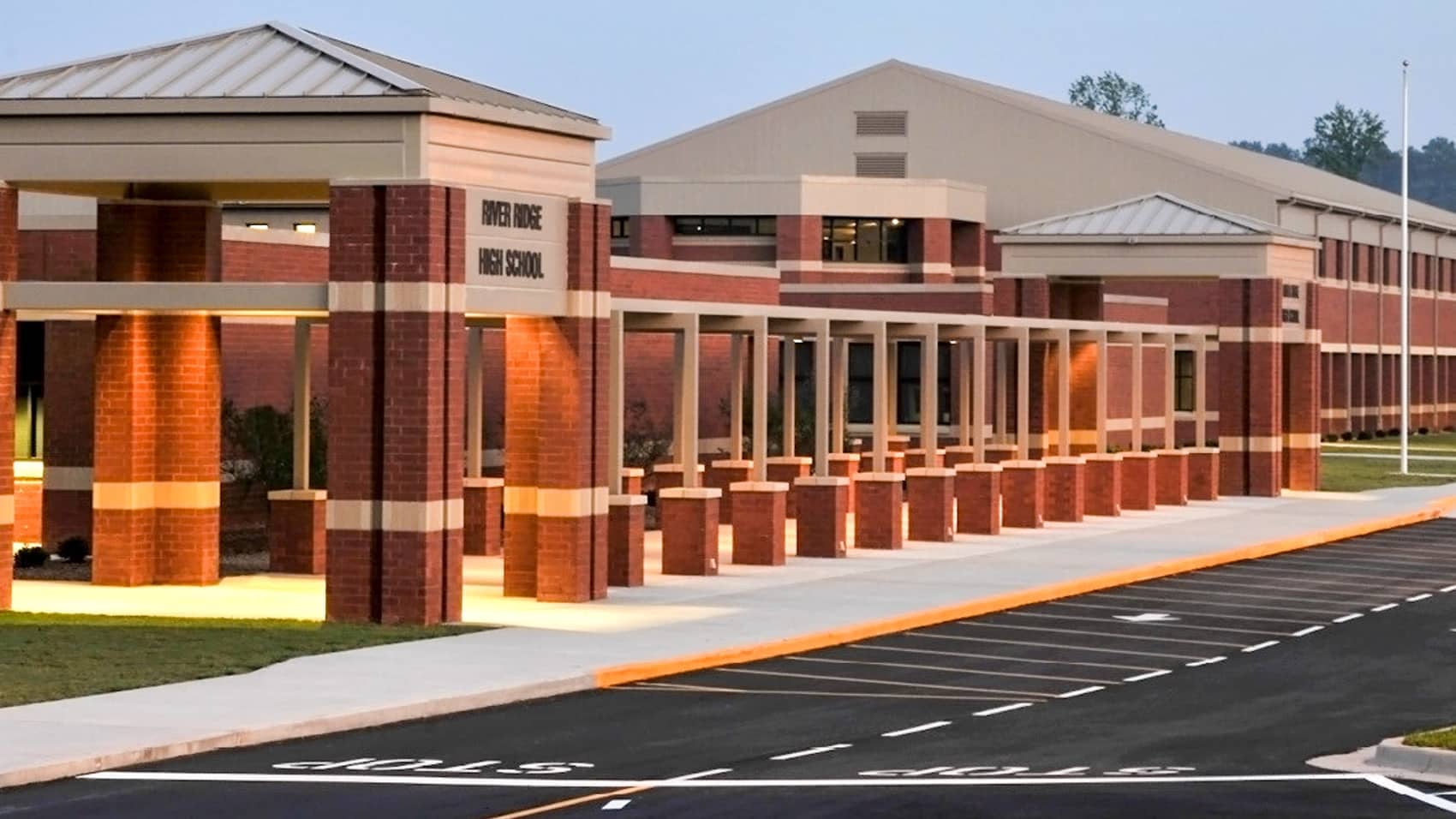
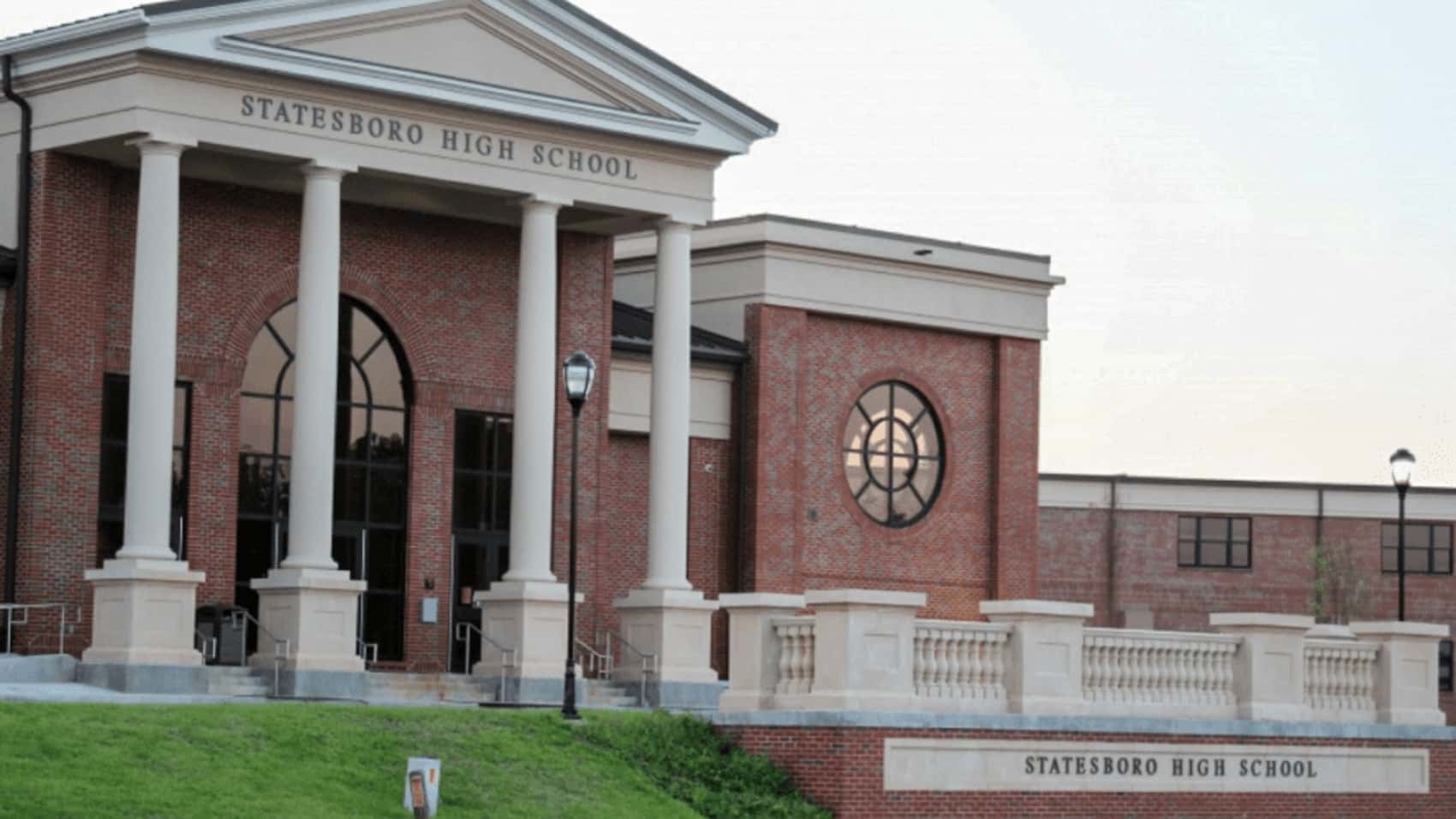
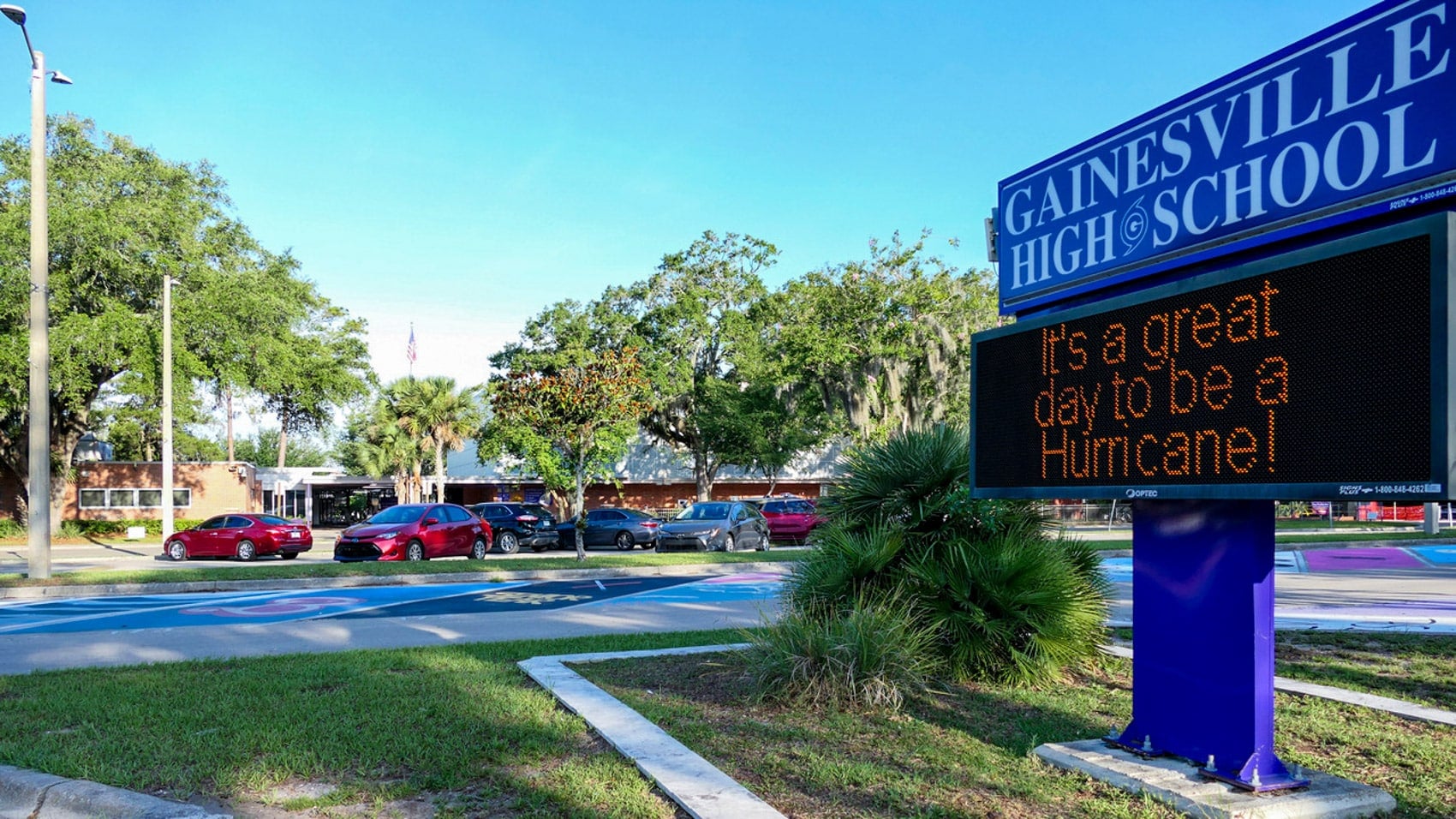
The vendor is Campus Guardian Angel, an Austin, Texas company founded by Justin Marston and Bill King. They call the product an Active Shooter Suppression System, and the name tells you the ambition. This isn’t a camera package. It’s a fleet of small drones meant to physically intervene during an attack.
Installation is set for the summer, with the pilot running through the 2026 to 2027 school year. Georgia is testing, not committing, and that distinction matters for how we read the whole thing.
How the System Works
The drones live on charging pads spread throughout each building, never more than a short flight from any hallway. When a staff member triggers an alert through an app that both school personnel and the company can access, a pilot takes over remotely and flies the nearest drone toward the threat.

The target response time is 15 seconds from alert to arrival. That’s the number that makes school officials lean in, because it’s a fraction of how long police typically need to enter a building and find a shooter.
Speed is the point. The drones move at 30 to 50 mph (48 to 80 km/h) inside a school and up to 100 mph (161 km/h) outdoors, and they can fly through a window if that’s the fastest way in. Each one carries a speakerphone so the operator can talk directly to whoever is on the other end.
The Non-Lethal Payload
The first move isn’t force. The drone reaches the attacker and the operator speaks through the onboard speaker, identifying the drone and ordering the person to stop.
If that fails, the system escalates. The drones can deploy pepper spray in a gel form, blast sirens, fire strobe lights to disorient, and deliver a kinetic strike by ramming the attacker. The goal isn’t to kill. It’s to break concentration, deny a clear line of sight, and buy time while clearing corners and rooms ahead of arriving officers.
One design choice stands out. These drones are human-piloted, not autonomous. A trained operator makes every decision about when to talk, when to spray, and when to strike. That keeps a person accountable for each action, which is the right call for a machine carrying weapons into a building full of children.
Remote Pilots, Local Drones
As reported by WABE, the piloting happens from Campus Guardian Angel’s headquarters, not from inside the school. Operators sit on standby far from Georgia, and the drones stay pre-positioned on site, ready to hand control to whoever picks up the alert.
Georgia isn’t the first test. The company is already running pilots in Florida, including at Deltona High, and has staged demonstrations at schools in Arkansas and Oklahoma. The Georgia rollout is the latest and one of the largest state-backed trials yet.
There’s a legislative backdrop too. House Bill 1023, which would have required weapon-detection systems in schools, passed the Georgia House but stalled in the Senate. Rep. Matt Dubnik, who chairs the House Appropriations Subcommittee on Education, helped steer the drone funding through instead.
Schools are reaching for layered security wherever they can find it, and drones are the newest layer on the shelf.
The Questions That Don’t Have Easy Answers
A demonstration is a controlled event. A real attack is chaos, and that gap is where every honest concern lives. Fifteen seconds is impressive on a stage, but an app alert can be delayed, a threat can be misread, and a panicked building is nothing like a rehearsal.
There’s also the comms problem. A drone piloted over the internet from another state depends on a connection holding up under the worst possible conditions, and any link can lag, drop, or be jammed. A weapon that needs a stable signal has a single point of failure.
Then there’s the harder stuff. Pepper spray and a ramming drone in a hallway full of fleeing teenagers carries its own risk of harm. Always-present drones raise privacy questions about what they capture on an ordinary Tuesday. And $110,000 per school is money that could also buy counselors, door locks, or detection gear. None of these kill the idea, but none should be waved away either.
DroneXL’s Take
I want to be honest about what this is and what it isn’t. It isn’t a solution to school shootings, and anyone selling it that way is overselling. It’s a tool meant to buy seconds in the worst minutes of a person’s life, and in those minutes, seconds decide who goes home.
The human-piloted design earns real respect from me. The easy pitch in this era would be a fully autonomous system that makes its own calls, and the company chose instead to keep a trained person responsible for every action.
And not just any trained person. Christian “Amari” Van Sloun is on the team, a Drone Racing League pilot and one of the top-ranked FPV racers in the United States. Put reflexes like that behind the controls, and the machine becomes an asset instead of a liability.
What I can’t endorse yet is the certainty. The hard numbers come from demos, and demos are where everything works. The real test is whether a drone reaches an attacker in time, makes the right call, and protects kids while the building is screaming and the network is straining. We won’t learn that from a brochure.
So I land where Georgia did. Test it, watch it closely, and judge it on lives, not on how it looks in an empty hallway. If it saves even one child, the questions were worth asking. If it fails when it counts, far better to learn that in a pilot than in a statewide mandate.
Photo credit: Campus Guardian Angel, Wikipedia.


