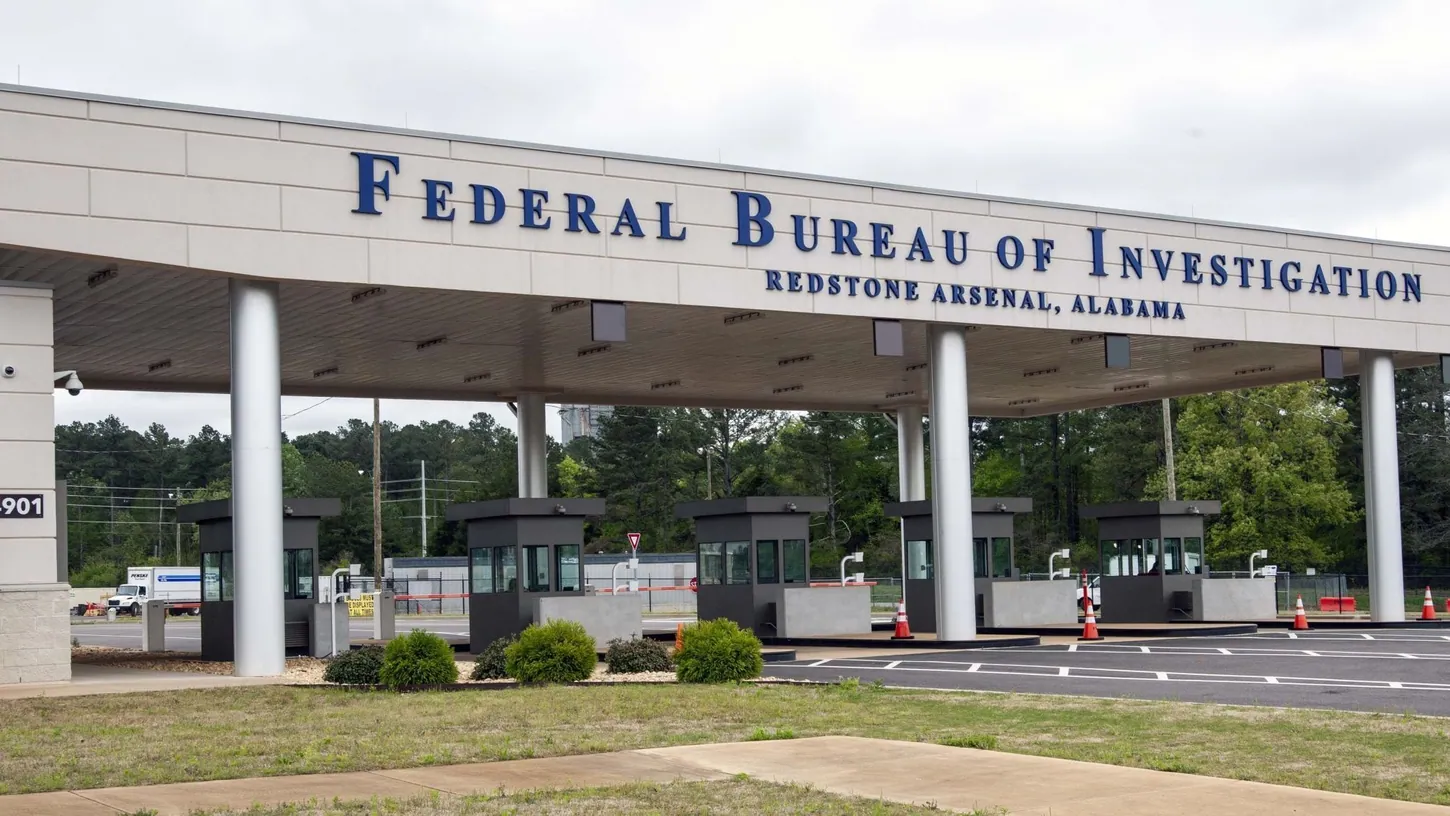
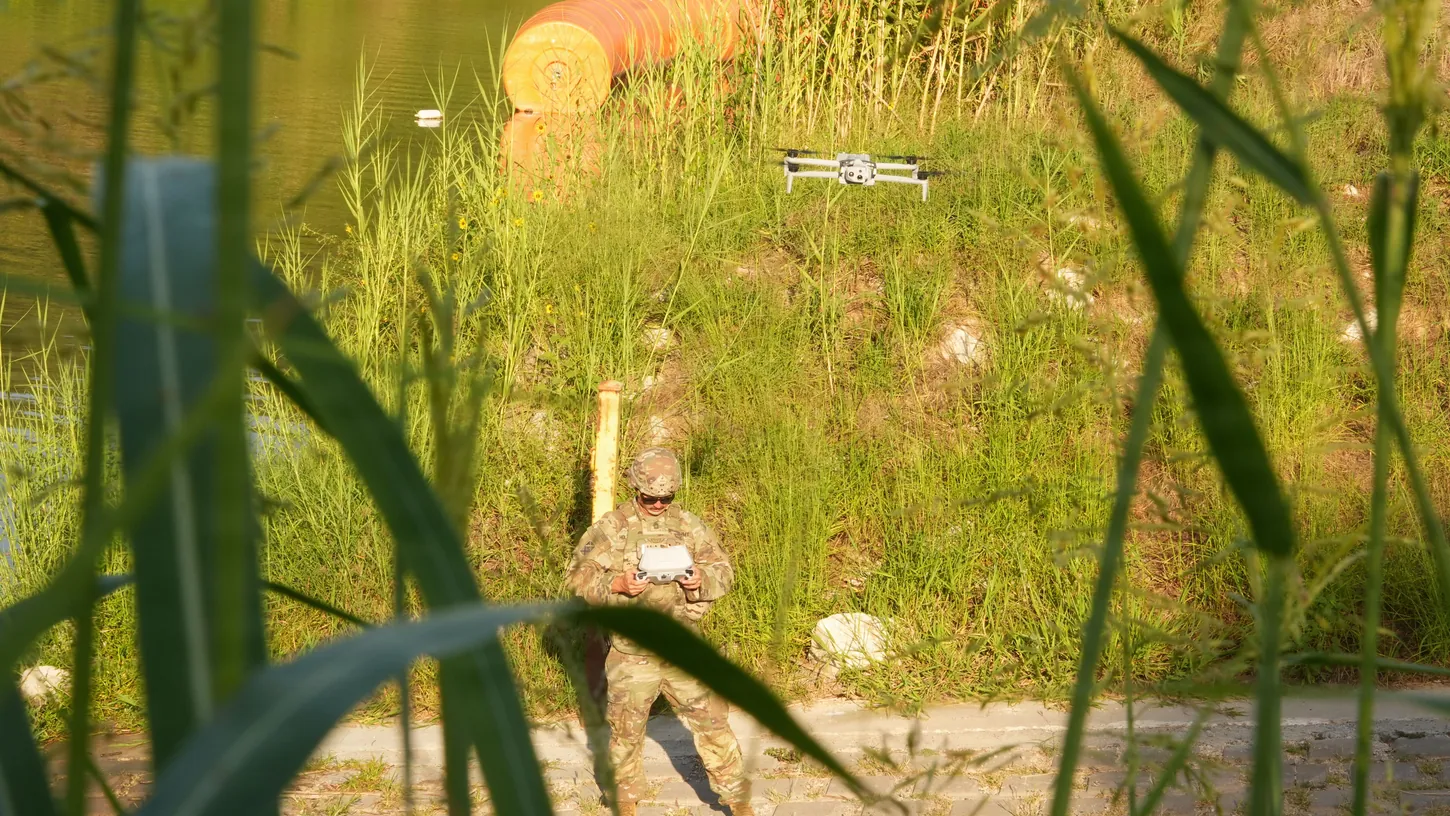
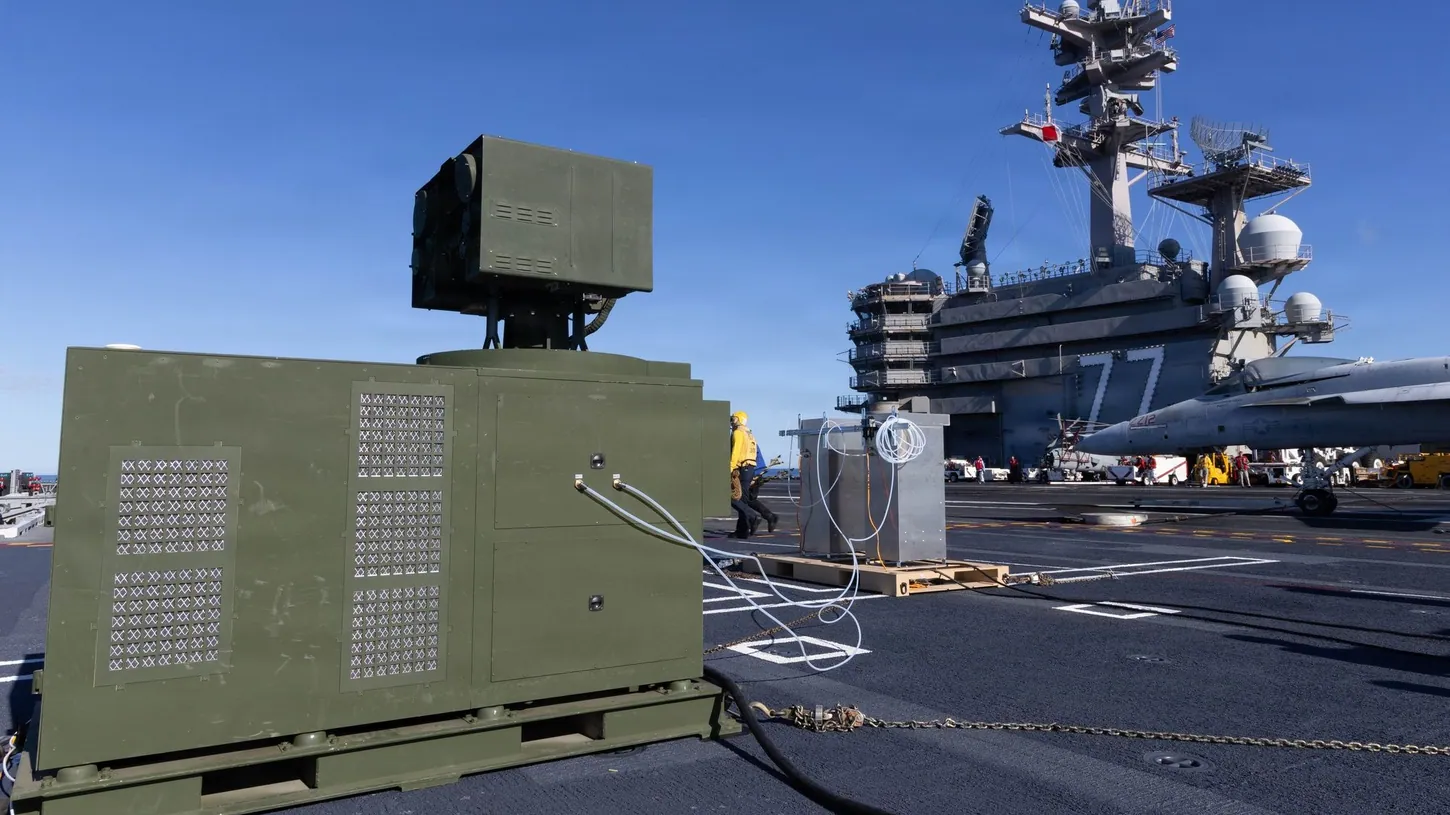
The Albuquerque International Balloon Fiesta is a no drone zone through October 11, and the FBI says it has counter-drone personnel in place to enforce it. FBI Albuquerque, working with the Federal Aviation Administration and the Albuquerque Police Department, warned on September 30 that anyone flying inside a 4-nautical-mile (7.4-kilometer) ring around Balloon Fiesta Park faces drone confiscation, loss of their pilot certificate and civil fines of up to $75,000 per violation.
This is the first Fiesta since local police gained counter-drone authority of their own, and it follows a summer in which the same federal playbook seized more than 700 drones at World Cup venues. DroneXL tracked that crackdown city by city.
The FBI’s warning says the restriction is in place for the duration of the event. The FAA notices that create it switch on at 5:30 a.m., switch off at noon, and run again from 4 p.m. to 8 p.m.
FAA’s Fiesta Restriction Runs 10.5 Hours A Day Across Two NOTAMs
Despite the FBI’s whole-event framing, the FAA built the Fiesta restriction from two daily windows. NOTAM FDC 6/5920 closes the airspace from 5:30 a.m. to noon Mountain time, and FDC 6/6087 closes it again from 4 p.m. to 8 p.m., for 10.5 restricted hours a day.
Both cover the same circle, centered on the park, from the surface to 8,000 feet (2,438 meters) above sea level. Both are issued under 14 CFR 91.145, the FAA’s rule for aerial demonstrations, so they apply to every aircraft, crewed or not, unless Albuquerque Tower clears the flight. The morning restriction took effect October 2, a day before opening, and runs through the final morning on October 11. The evening restriction covers October 3 through October 10, and it is the only notice the FBI’s release links. A duplicate evening notice, FDC 6/6191, carries identical terms after the FAA replaced an earlier version over a text error.
The only drones flying legally inside those windows belong to the Fiesta. Its 2026 schedule lists a drone light show, sponsored by Sandia Resort & Casino, at 5:45 a.m. every day and at 7:45 p.m. on October 3, 4, 8 and 9. DroneXL covered those shows in 2024, when Verge Aero flew an estimated 500 drones per performance.
Saturday, October 10, doesn’t fit the pattern. The evening restriction expires at 8 p.m. that night, while the schedule puts the drone show at 9 p.m. and the AfterGlow fireworks at 9:15 p.m.
Outside the windows, the TFR is not in force and north Albuquerque’s normal airspace rules apply. The Fiesta’s own website still tells visitors there are no drones within 4 nautical miles, with no hours attached.
Local Police Gained Counter-Drone Powers Three Months Before The Fiesta
The SAFER SKIES Act, signed December 18, 2025, lets certified state and local police run counter-drone operations on their own authority. A Justice and Homeland Security rule implementing it took effect July 1. That authority expires December 31, 2031, unless Congress extends it.
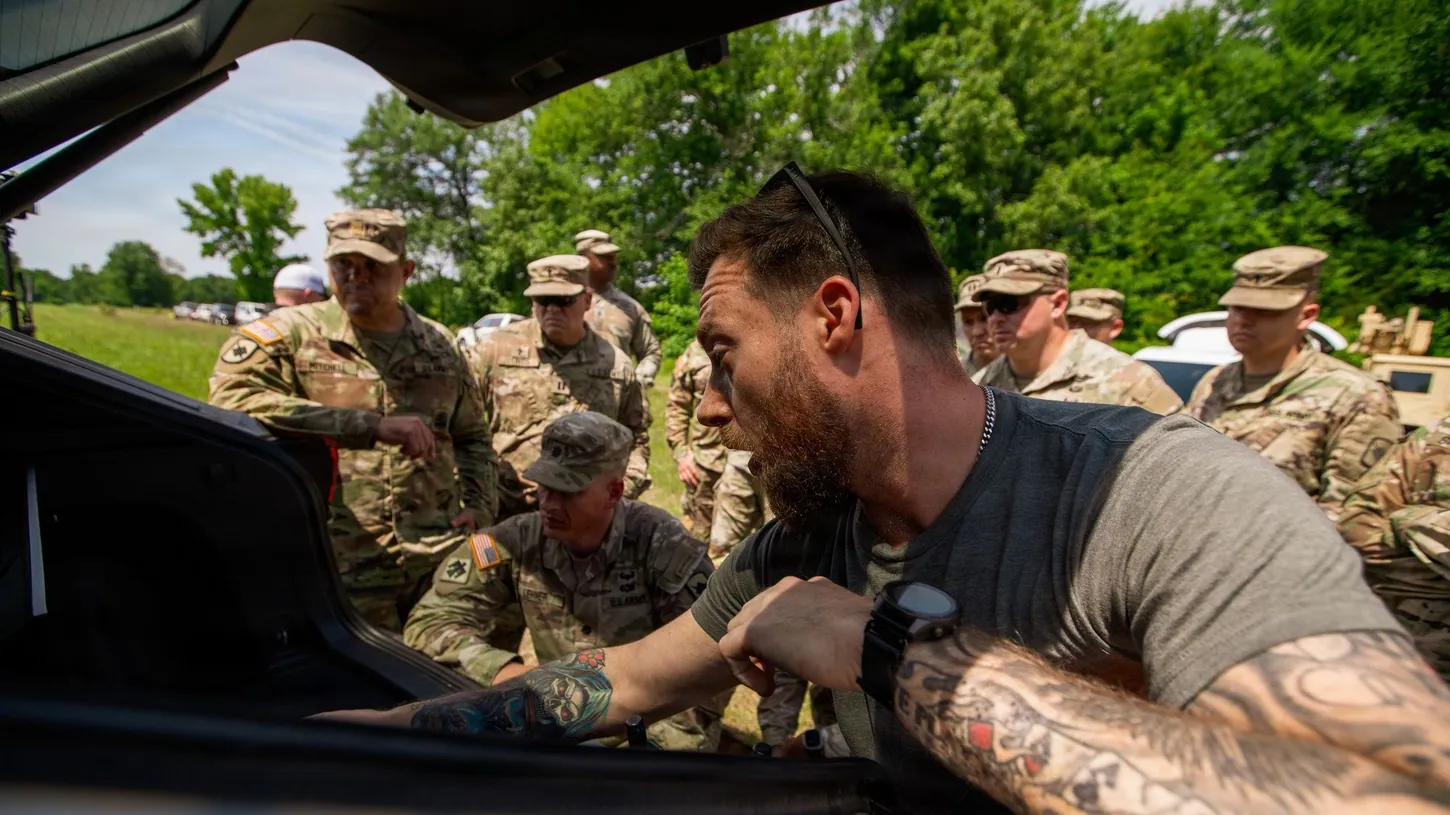
The interim final rule sets two tiers. Detection and warning certification comes from an online course. Mitigation certification, which reaches as far as forcing an aircraft down, requires resident training at the FBI’s National Counter-UAS Training Center. When the rule published on July 6, just 61 officers across roughly 46 agencies held mitigation certification, a gap DroneXL laid out when 1,500 agencies lined up for the new powers.
The FBI says its personnel are working with trained state and local partners at the Fiesta. Its release does not say which tier, if either, Albuquerque Police officers hold, so whether a city officer or a federal agent would be the one to take a drone down is not on the record.
Turning off Remote ID will not help a pilot hide, either. The release calls a disabled or noncompliant Remote ID broadcast a separate federal violation, and adds: “Authorities use multiple detection methods, whether Remote ID is broadcasting or not.”
Anyone who sees an unauthorized drone at the Fiesta can report it to 911, on-site officers, 1-800-CALL-FBI or tips.fbi.gov.
FBI Enforcement Since The World Cup Has Ended In Federal Charges
The FBI says any Fiesta drone caught in restricted airspace now gets referred to the FAA for mandatory enforcement action. Beyond the $75,000 civil ceiling, federal prosecutors can seek criminal fines up to $100,000 and up to one year in federal prison.
The FAA’s own 2019 Fiesta warning cited civil penalties above $30,000. The harder line since then has a record behind it. Federal agencies seized more than 700 drones at World Cup venues this summer and opened around 120 federal cases, with about a dozen arrests, building on the 600 seizures the FBI reported in early July. One of those cases belongs to a 26-year-old Houston cinematographer charged after a two-minute DJI Mavic 3 flight to film a church, who now faces up to a year in prison.
The FAA has also run a faster case-processing program, DETER, since April. Russ at 51 Drones walked through what it changes in July: reduced penalties for qualifying first-time violators who accept responsibility and give up their appeal rights.
DroneXL’s Take
The restriction is justified. A balloon pilot steers only by climbing or descending into different winds, so a drone wandering over the launch field is a hazard the balloon can’t dodge. What I object to is the FBI telling the public the zone runs for the whole event when the FAA’s own notices say 10.5 hours a day. Precise rules get obeyed. Vague ones teach pilots that TFRs are guesswork, and the World Cup showed where that leads: 700 drones seized and about a dozen arrests, which reads to me as hundreds of pilots who never checked the airspace. A release that printed the two windows would have done more for compliance than another counter-drone team. If you’re in Albuquerque this week, pull up both NOTAMs in B4UFLY, and leave the drone in the bag whenever balloons are in the air, TFR or not.
Sources: FBI Albuquerque, FAA NOTAM FDC 6/5920, FAA NOTAM FDC 6/6087, Federal Register, Balloon Fiesta 2026 Schedule of Events, The Paper.
DroneXL uses automated tools to support research and source retrieval. All reporting and editorial perspectives are by Haye Kesteloo. Read our editorial standards.