
Zipline · Zipline
Zipline Promises Ivory Coast A 300% Return, Not What It Costs
Côte d'Ivoire approved an eight-year Zipline deal for 10 drone hubs serving 12 million people, backed by a $150M US award. The price is unpublished.
News, deep dives, and analysis — every Zipline story, newest first.
Zipline is the world’s largest autonomous delivery operator, and the company that turned drone delivery from a demo into infrastructure. Founded in 2014, it began flying blood to rural Rwandan hospitals in late 2016 and crossed 2 million commercial deliveries in January 2026; the first million took 2,684 days, the second just 699. That January it also raised $600 million at a $7.6 billion valuation, a round that grew to $800 million by March.
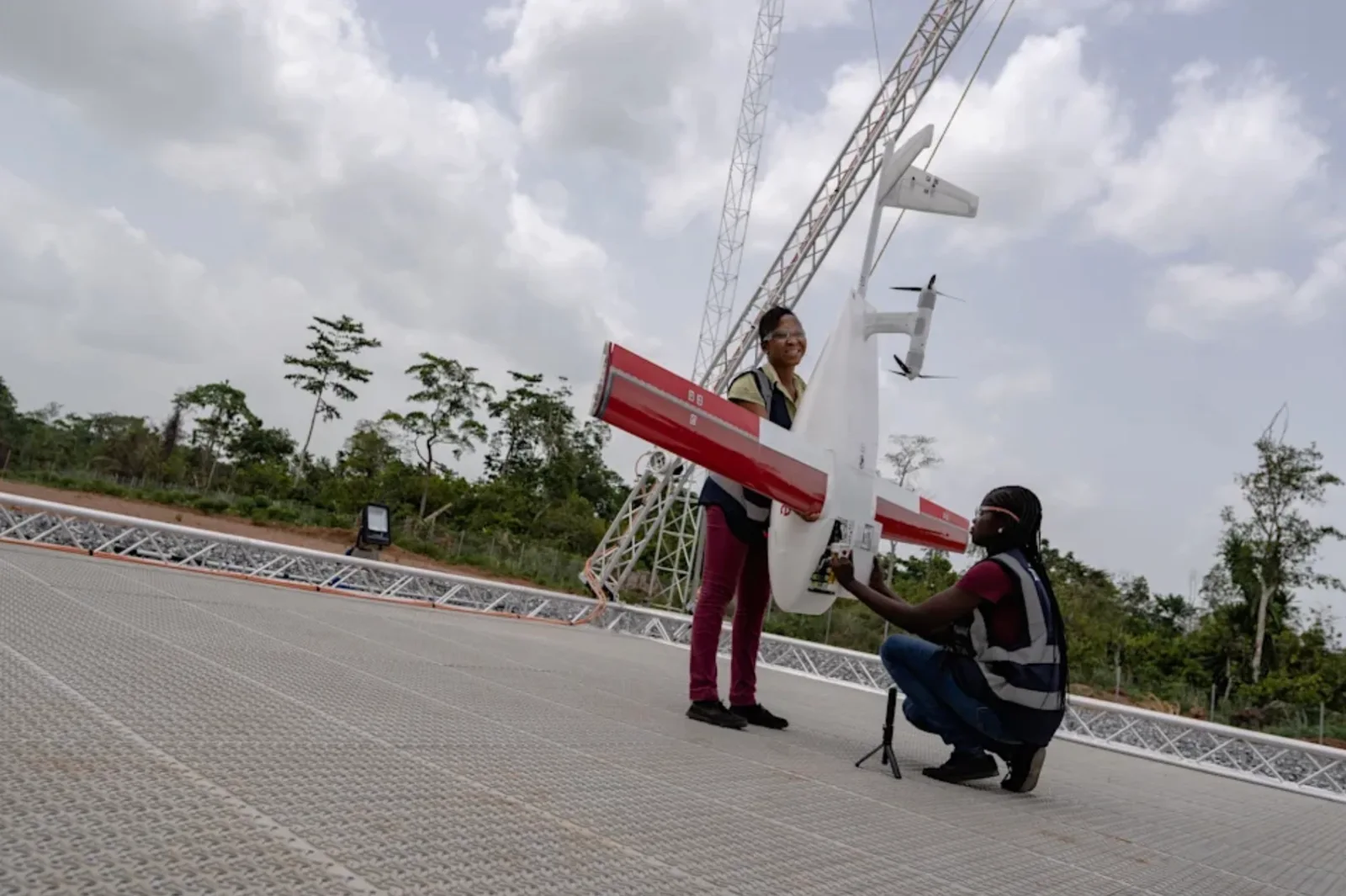
Two aircraft do the work. Platform 1, the catapult-launched fixed-wing Zip, parachute-drops packages and covers up to 120 miles round trip for medical networks across Africa. Platform 2, in customer service since January 2025, hovers at 300 feet and lowers orders on a tethered droid with dinner-plate accuracy. In the US, the Walmart partnership that started in 2020 now anchors the country’s densest drone delivery market across Dallas-Fort Worth, and health systems are following: Cleveland Clinic’s prescription program went live in August 2026 and BayCare is building a 16-hospital Tampa Bay network. By this summer, US flights made up more than 70% of Zipline’s daily global volume.
The record isn’t spotless, and we cover that too: a Zip flying for Walmart parachuted onto a Greenville, Texas street in July 2026 after an in-flight fault, exactly as its last-resort protocol intends, and Nigeria’s Kaduna operation paused after a change in state government. From the economics of a $1 delivery to BVLOS approval in all 50 states, the feed below carries every Zipline story as we publish it.
Last updated September 22, 2026 — the feed below updates with every new story.
Côte d'Ivoire approved an eight-year Zipline deal for 10 drone hubs serving 12 million people, backed by a $150M US award. The price is unpublished.
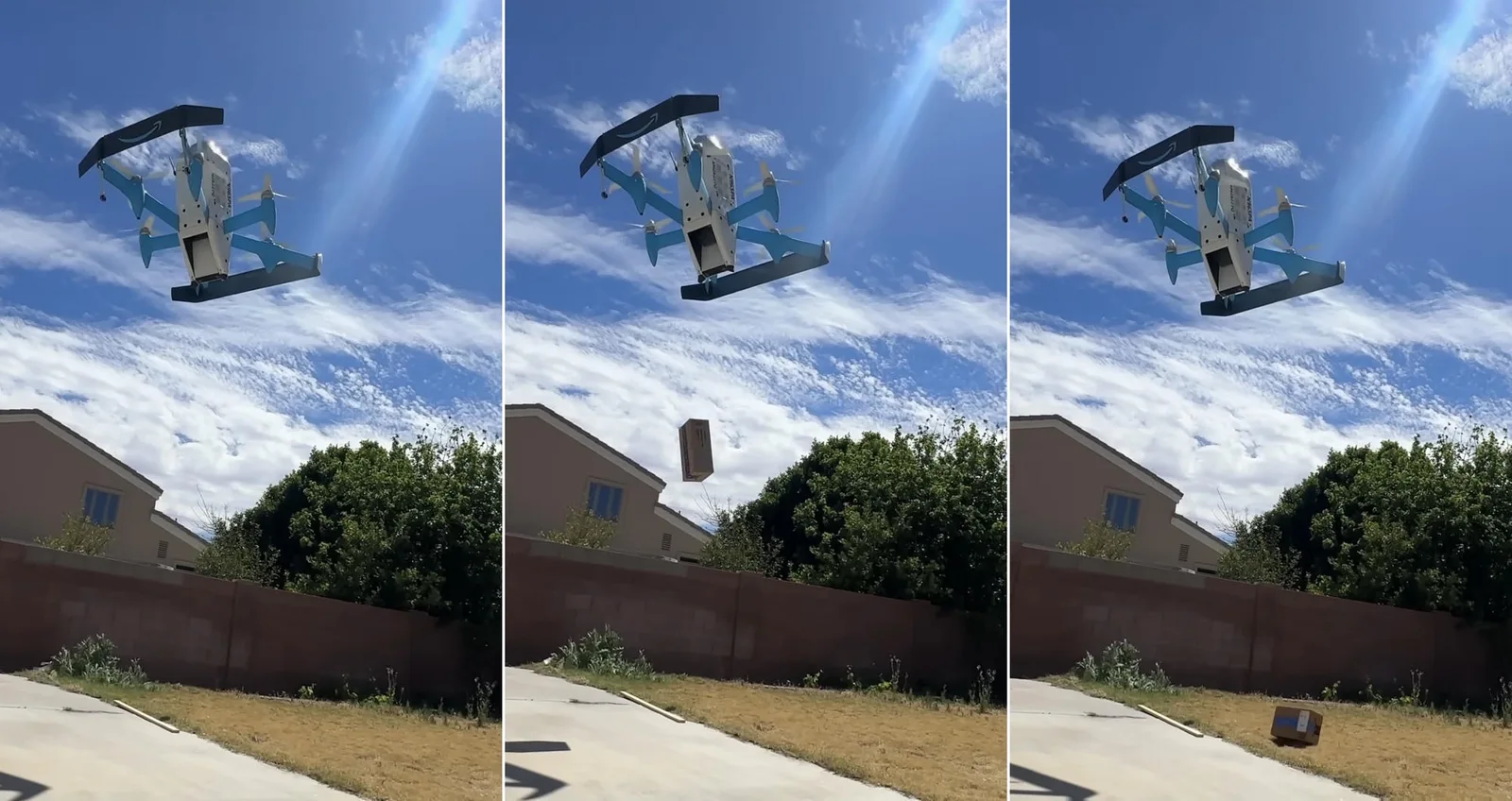
Ten states restrict dropping objects from aircraft more tightly than the FAA. Amazon's MK30 is the only delivery drone that releases packages in flight.

Zipline is in talks to raise $1 billion at a $20 billion valuation, nearly triple its January price. The FAA rule its US plan needs is still unpublished.

DroneXL sent Amazon, Wing and Zipline the same drone delivery safety questions on one deadline. One company answered. Its answers are published in full.

The FAA's draft environmental assessment for Zipline covers Houston, San Antonio, Austin, Amarillo and El Paso. Public comments close October 11.

A permit at a Tacoma Walmart is the first public sign of Wing in Washington, a state whose attorney general fought the FAA's delivery shortcut.
A Zipline software update has its drones dive to build speed and climb to brake. Here is why gravity makes them faster, quieter and cooler.

Welcome to your weekly UAS news update. We have three stories for you this week: a Zipline drone has a mishap near Houston, a Part 108 progress update from the TSA and OIRA, and the FCC gets over 3,800 comments on its military-grade drone proposal. Let's get to it.
The Zip hovers at roughly 300 feet while a small delivery droid descends on a tether, using a downward camera and thrusters to correct for wind and place the order within about a 3-foot target, then reels back up. The aircraft never lands. The system carries up to 8 pounds, covers a 10-mile radius, and cruises at up to 70 mph.
Each aircraft performs more than 500 safety checks per second and can cancel a delivery, return to base, or deploy an emergency parachute with an audible alert. Zipline has flown well over 120 million commercial autonomous miles and completed more than 2 million deliveries since 2016 without a serious injury.
Its densest market is Dallas-Fort Worth, where it reached 17 Walmart locations by December 2025. Houston launched in April 2026 and Austin is next in Texas. Cleveland Clinic runs a prescription program in Beachwood, Ohio, and Zipline has named Phoenix and Seattle among its 2026 expansion markets.
In the Texas network, the published delivery fee has been $0.99 plus a 20% service fee capped at $6. CEO Keller Rinaudo Cliffton has argued a Zipline flight can cost about $1 at scale, versus roughly $9 to $11 for traditional ground delivery. Cleveland Clinic's prescription service adds no extra cost for patients.
It delivers 75% of Rwanda's blood supply outside Kigali to more than 800 health facilities, and University of Pennsylvania research found an 88% reduction in maternal deaths from postpartum hemorrhage at supported facilities. A $150 million US State Department award is funding expansion across five African countries.
Yes. Zipline flew the first US BVLOS drone delivery in November 2023 in Salt Lake City, using an onboard acoustic detect-and-avoid system that hears aircraft up to two miles away. Following the June 2025 drone Executive Order, it became the first company permitted to fly BVLOS commercially in all 50 states.
One email with the drone news that matters — DJI, FAA, public safety, and everything in between, straight from the newsroom. No spam, no fluff.