
China · COVERED LIST
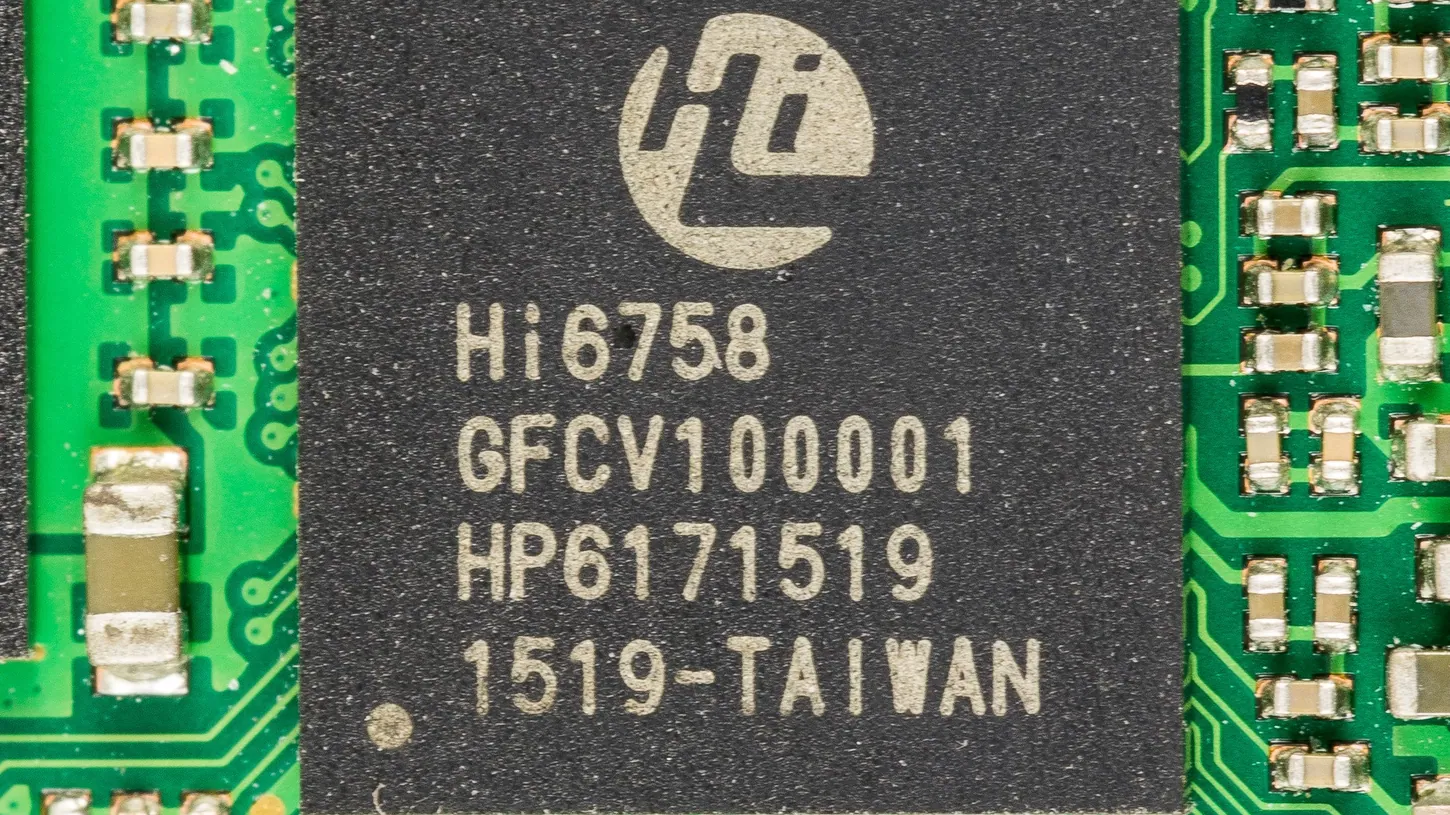
FCC Catches Huawei Surveillance Chips in Its First Parts Ban Case
The FCC blocked a dash cam and a wireless video transmitter over HiSilicon chips, the first case under the rule that also bars DJI boards from new drones.
Export controls, the Shenzhen supply chain, and the geopolitics of the world’s drone-manufacturing superpower.
China is the center of gravity of the civilian drone industry, and the US response to that fact — bans, tariffs, scrutiny, subsidy — is the single biggest force acting on this market. This desk tracks both sides of it.
The policy front moves weekly. The White House summoned 40 drone companies as the tariff deadline and Beijing loomed. The FCC’s posture keeps hardening — its legacy-import precedent shows exactly how DJI grandfathering could work, and its rhetoric now stretches to labeling drone light shows military-grade swarm technology. The full regulatory thread lives on the FCC desk and the NDAA desk.
For buyers, the fight arrives at the checkout before it arrives in law: the Osmo 360 II launched with 8K60 and no American price, the latest in a pattern of global launches that skip the US. Our DJI desk tracks the company at the middle of all of it.
The industrial race is the long game — whether the US can build what it is trying to ban. Every China drone story lands in the feed below.
Last updated October 22, 2026 — the feed below updates with every new story.
The FCC blocked a dash cam and a wireless video transmitter over HiSilicon chips, the first case under the rule that also bars DJI boards from new drones.
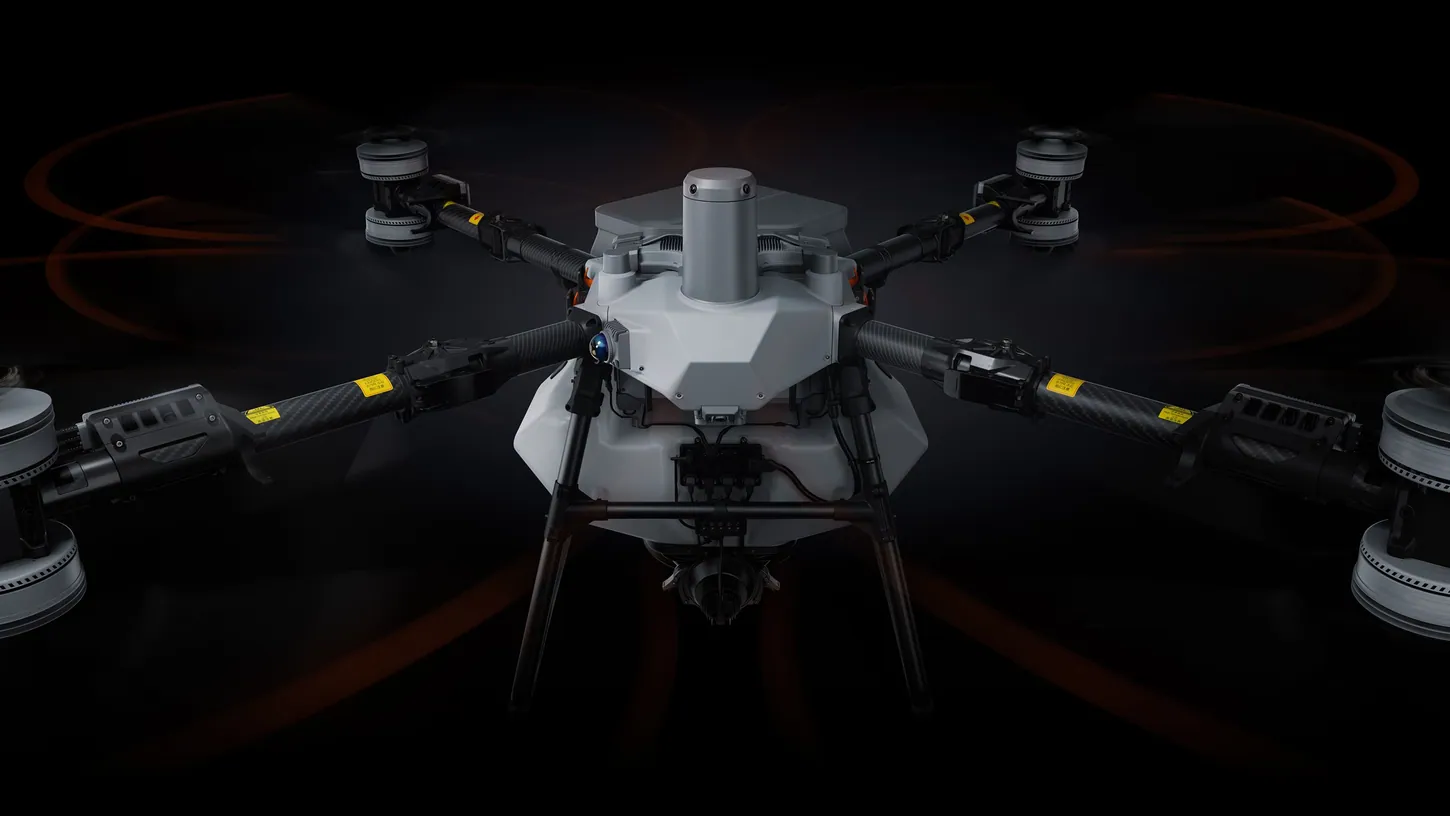
From Nov. 18, China requires export licenses for 48-volt heavy-lift drone motors, ESCs and big carbon props, and US buyers get no fast lane.
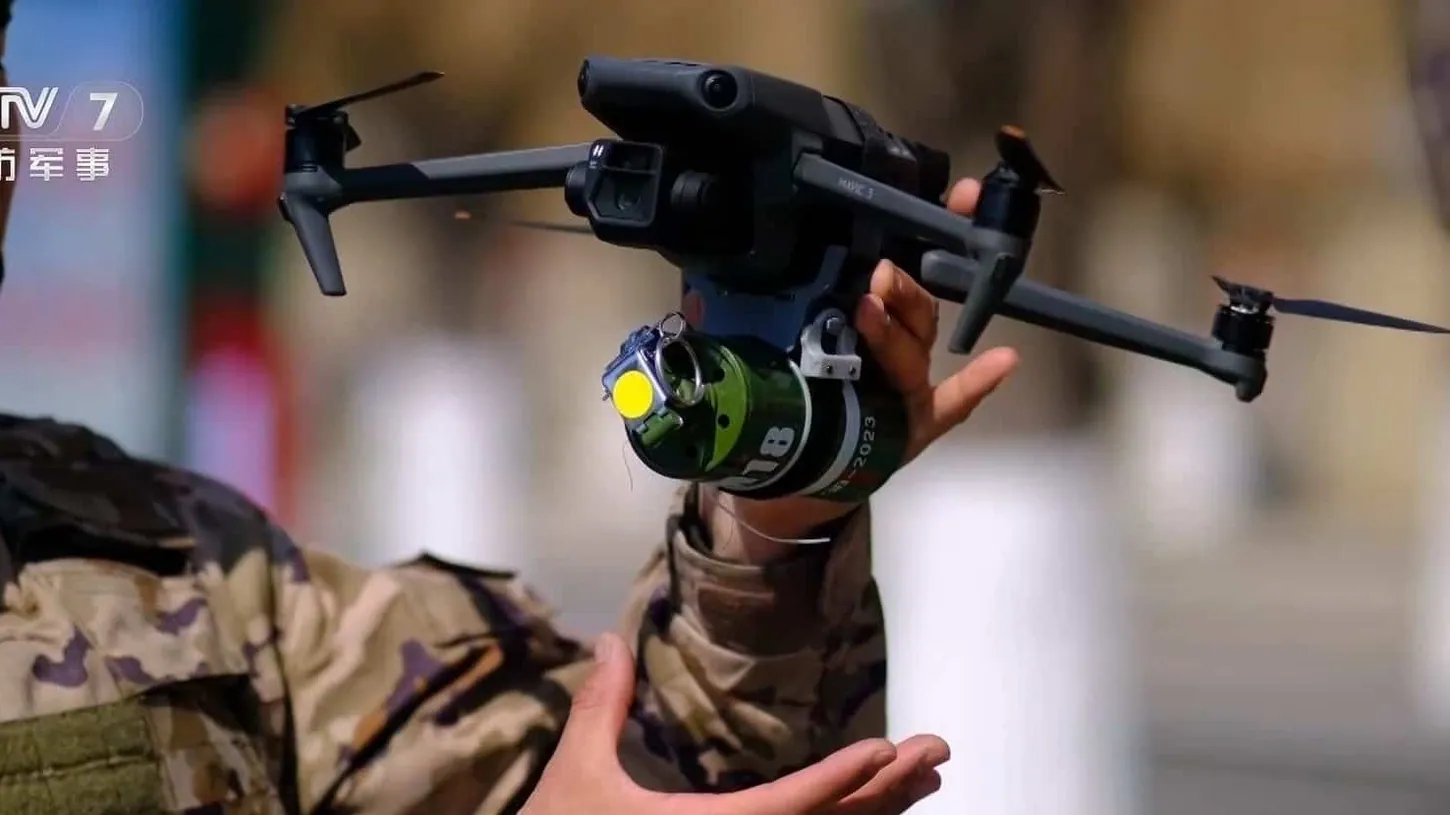
A CSIS study of 90 Chinese military sources finds the PLA studies Ukraine's drone tactics within four months, trains a year later, and tenders for DJI.

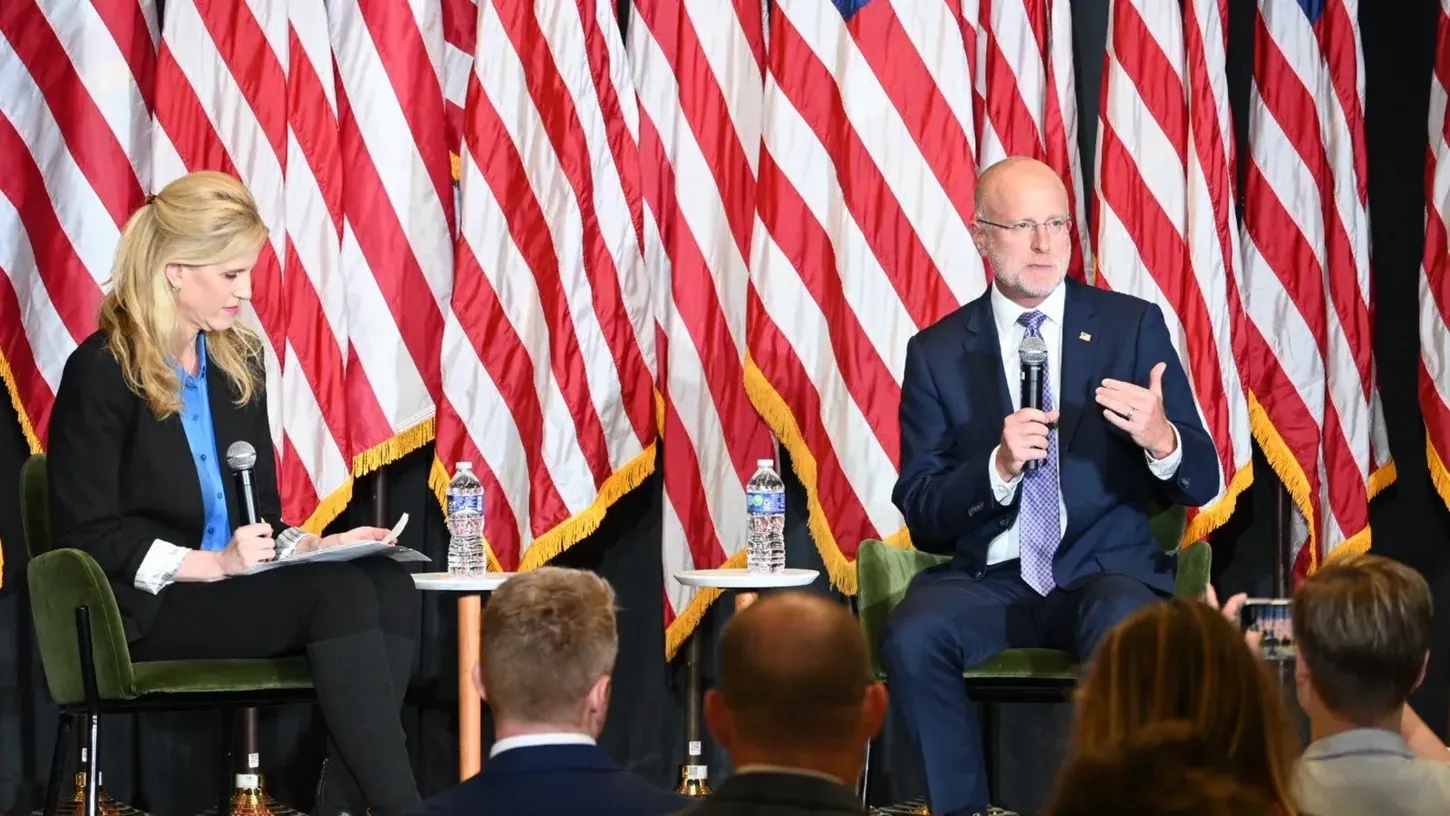
Greg Reverdiau: the FCC votes Oct. 29 to cut off Chinese test labs, DroneSense adds LAANC through Aloft, and DJI's Dock 4 swaps batteries in 25 seconds.
The FCC votes October 29 on ending recognition of every mainland China test lab by December 1, 2028. DJI's Osmo Pocket 4P was tested at one of them.

Amprius will turn a U.S. EV battery line into a 12-million-cell drone factory. Its filing shows $22 million of the $75 million grant is funded so far.

RFE/RL took apart a Geran-4 Seeker: a $25,000 Chinese hobby turbojet, two SIM cards, a mesh modem, Texas Instruments chips. Russia builds 3,000 a month.

A Chinese drone-registration entry names the DJI Matrice 5TD at 2.6 kg, and a leaked render prints the name. The dock drone gains 750 g on the Matrice 4TD.
Not outright — but the pressure is layered: FCC scrutiny, import friction at customs, tariff deadlines and procurement bans for agencies. The practical result reaches buyers first: products launching worldwide with no US price, and grey-market listings at prices DJI never set.
Security arguments about data and control, and an industrial argument about rebuilding domestic manufacturing. The White House summoning 40 drone companies as the tariff deadline approached is the industrial policy made visible.
US and allied manufacturers competing on procurement rules rather than price — and the buyers lose cheap capable hardware while the domestic industry scales. Whether that trade is worth it is the actual policy question, and it is genuinely contested.
One email with the drone news that matters — DJI, FAA, public safety, and everything in between, straight from the newsroom. No spam, no fluff.