

In a bid to further streamline drone delivery operations, Alphabet subsidiary Wing has publicly demonstrated the capabilities of their new “autoloader.” It is a Y-shaped stand that is intended to simplify the process of air-bound product delivery from retailers to consumers. The autoloader, set to be rolled out later this year, takes up no more space than a parking spot and enables a delivery box to be hung and left until collected by a drone.
Wing’s Autoloader in action
The concept of the autoloader, while seemingly simple, holds significant implications for the scalability of drone delivery. Instead of isolated base stations, Wing’s vision includes a network of autonomous drones operating between charging and delivery stations, increasing efficiency and reducing human intervention.
“Adding the autoloader may seem like a minor change, but it paves the way for a potentially massive expansion of drone delivery,” said Adam Woodworth, Chief Executive at Wing. The potential of affordable autoloaders opens up opportunities for bringing additional retailers into the network.
Drone delivery is still in its nascent stage, confined by regulators to limited areas. However, as the technology matures, expectations are high for millions of people to have access to drone delivery services from Wing and other competitors this year.
READ: ZIPLINE UNVEILS NEXT-GEN PLATFORM 2 DRONE TO BOOST AERIAL DELIVERY FOR MILLIONS
During the demonstration in Palo Alto, California, the drone safely transported packages without taking special measures to avoid obstacles. Three parking spots were marked off with traffic cones, showing how far operations have matured. Wing has successfully completed more than 340,000 drone deliveries in countries such as Australia, Finland, as well as in Virginia and Texas in the US.
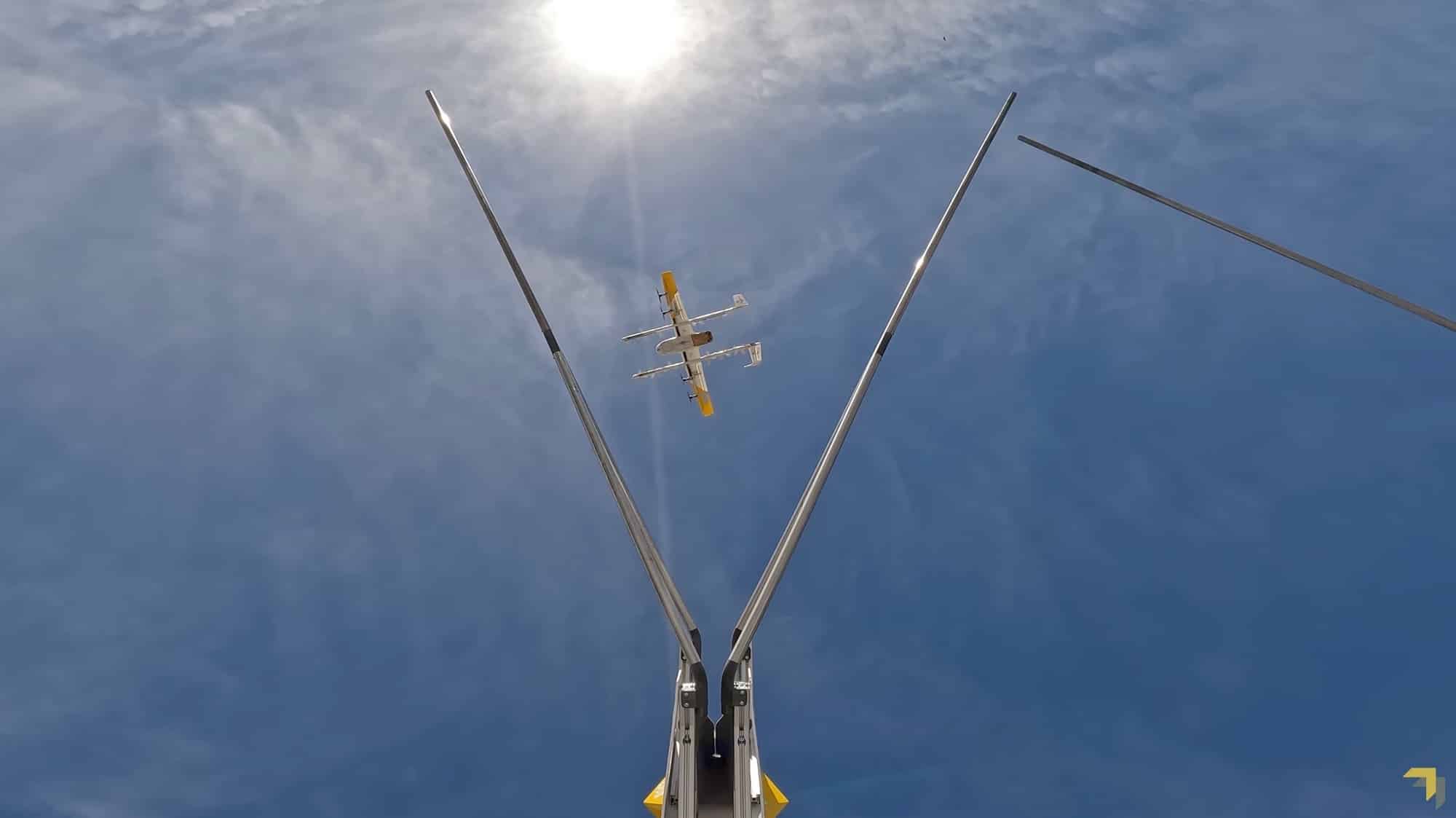
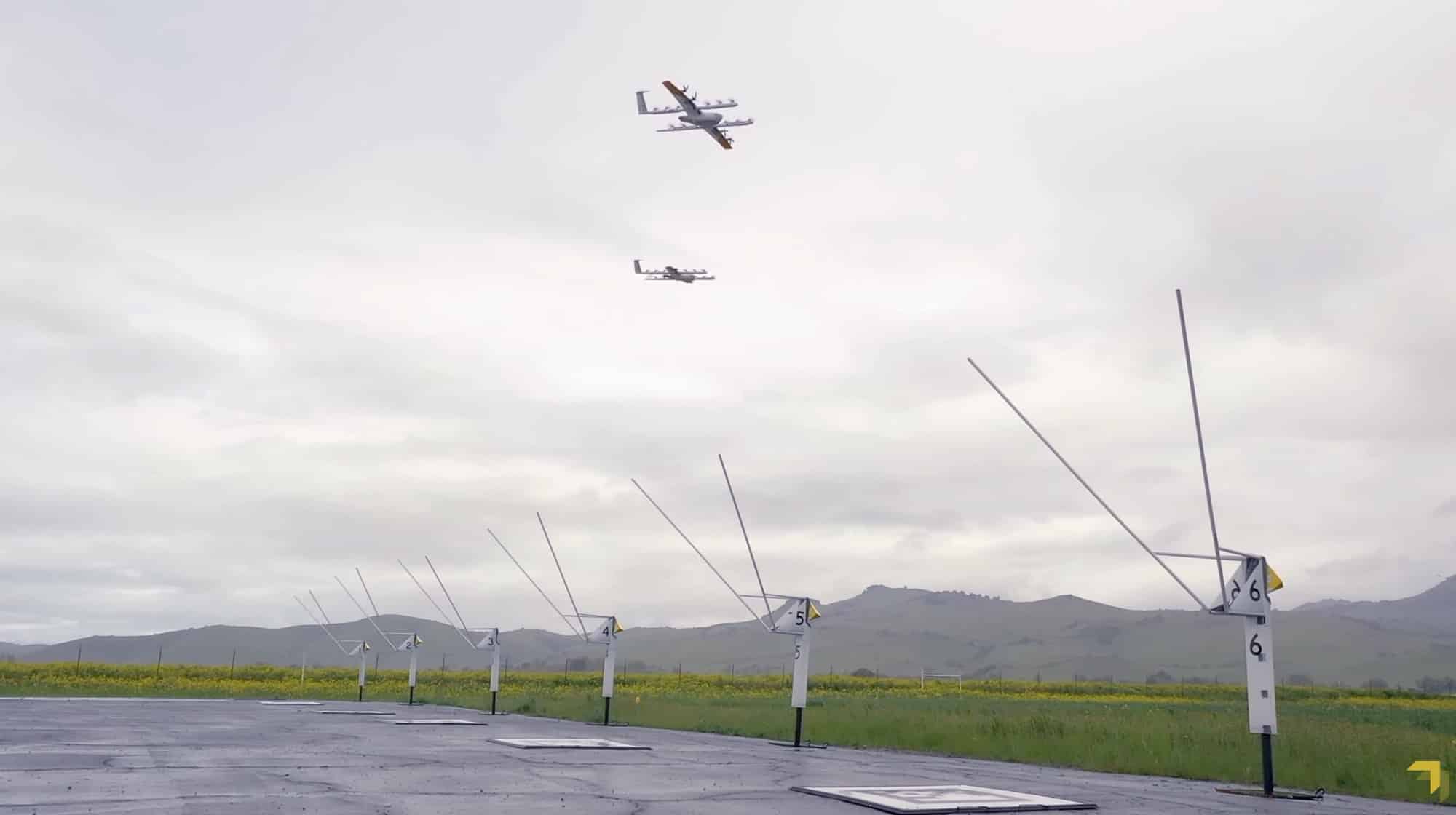
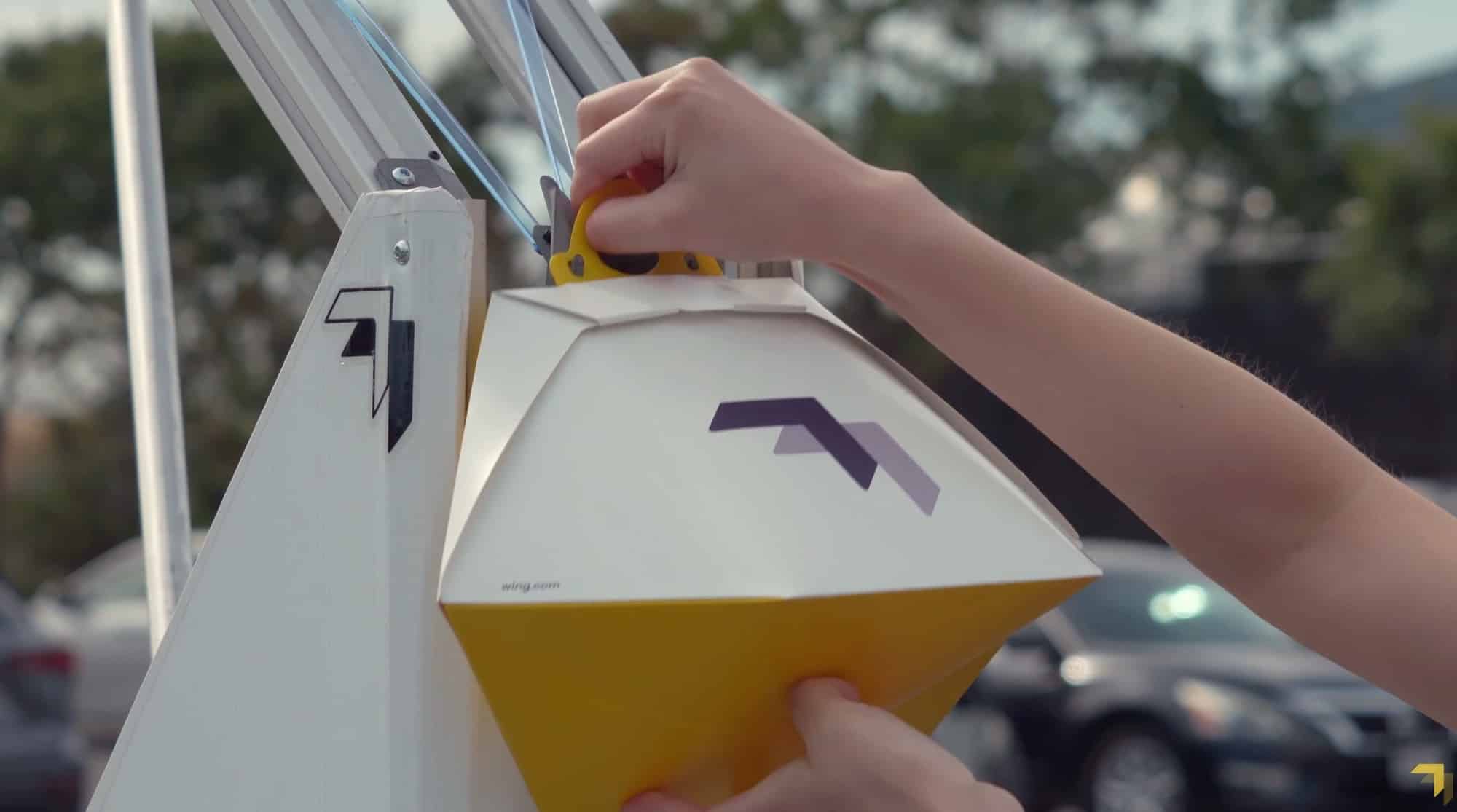
Although devoid of computer controls or moving parts, the autoloader boasts impressive design features. Two poles guide the drone’s hook to a narrow slot, ensuring secure attachment of the package. The package, slot, and drone hook are all designed to complement each other, preventing the hook from reattaching once the package has been released.
“We are at the point in this journey where I think that this is a thing that’s going to happen,” Woodworth added.


