Washington Commercial Drone Fees Jump 10x to $150 After Jet Tax Repeal
Washington will charge commercial drone operators $150 per aircraft a year from January 2027, up from $15, in the bill that repealed its luxury jet tax.
Washington and the drone industry: legislation, procurement, security reviews, and agency policy beyond the FAA.
US government drone policy coverage tracks the federal agencies actually setting the rules, separately from the state and local coverage found elsewhere on the site, because a Congressional bill and a city drone permit move on entirely different tracks.
The FAA generates the largest volume of coverage, from rulemaking to the 1,000-plus agencies now cleared for Drone as First Responder flights. The FCC has become just as consequential lately through certification, not flight rules: it functions as a chokepoint for any drone sold in the US, which is how DJI models have ended up blocked without a direct FAA ban attached.
Defense spending moves the largest dollar amounts of anything covered here. The Pentagon committed $1.3 billion to drones in two days, split between counter-drone systems and domestic parts manufacturing, and the White House summoned 40 drone companies as a tariff deadline and Beijing loomed, pulling industry directly into a policy meeting usually reserved for agency staff. The Department of Defense desk tracks these contracts as they land.
NASA, the Department of Homeland Security and FCC filings round out the federal picture. Every US government drone story is in the feed below.
Last updated August 24, 2026 — the feed below updates with every new story.

Washington will charge commercial drone operators $150 per aircraft a year from January 2027, up from $15, in the bill that repealed its luxury jet tax.
Western states are spending millions on cloud seeding. The one drone operator in the boom faces two state felony bans and a stalled FAA flare petition.
The FCC's swarm rule names drone light shows as military-grade. The US industry flies Korean and Chinese hardware. Comments close September 2.
Saildrone and Lockheed Martin fired two JAGM missiles from a Surveyor USV at RIMPAC 2026, the first missile launch from the company's uncrewed ships.
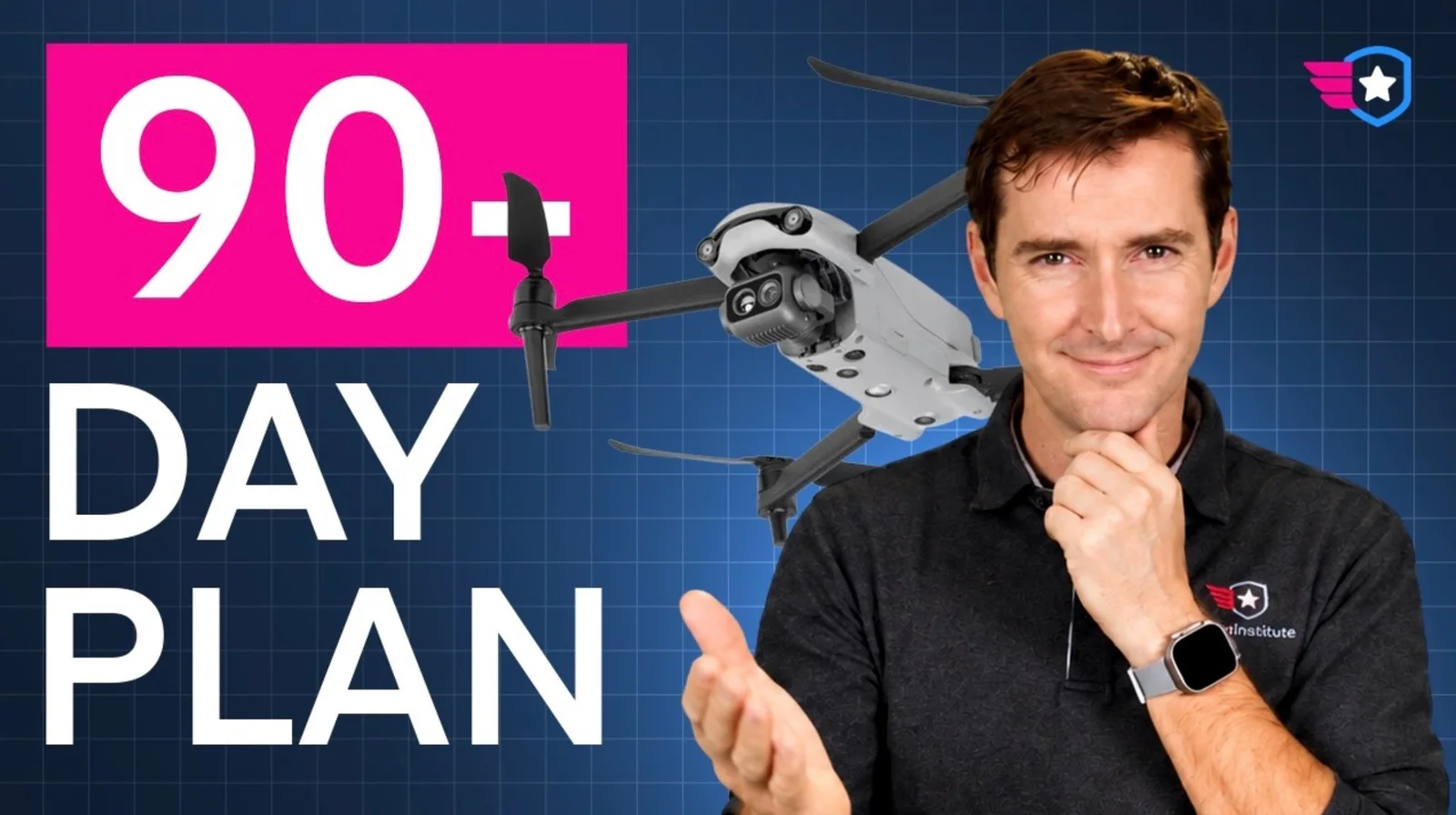
The FCC wants to redefine 'military-grade' drones so broadly it could stop sales of thermal, LiDAR, and dock-equipped models already on the market — including the LiDAR sensor in a 151-gram DJI Neo 2. Pilot Institute's Greg Reverdiau breaks down all seven categories and how to file a comment before September 2.
Welcome to your weekly UAS news update. We have three stories for you. DJI gets a big win. We have a new drone tariff. And then lastly, we have a Chinese drone maker that is somehow getting FCC clearance. So, let's get to it.
A new Part 107 pilot asked Facebook if the DJI ban killed his drone business before launch. 268 comments show what operators face ahead of September 3.
The Navy and Defense Innovation Unit are investing $50 million in Shield AI's X-BAT, a tail-landing fighter drone that has never flown. The Air Force is deliberately sitting this one out, and the hard part is the landing.
The FAA, by a wide margin, covering everything from Drone as First Responder waivers to airspace rulemaking. The FCC has become the second-most consequential agency recently through its certification decisions affecting DJI specifically.
Through equipment certification. Any drone sold in the US needs FCC authorization for its radio components, which has made FCC certification labs and their guidance on drone screening a real chokepoint, blocking new DJI models even without a direct FAA flight ban.
Both. The Department of Defense desk covers major contracts and programs, such as the Pentagon committing $1.3 billion to drones in two days, alongside the civilian rulemaking coming out of the FAA and FCC, because the two increasingly move together on China-related restrictions.
One email with the drone news that matters — DJI, FAA, public safety, and everything in between, straight from the newsroom. No spam, no fluff.