Drone Pilots Who Don't Adapt Won't Last Two Years: A 90-Day Plan
Part 2 with Amy Wiegand: how drone service providers handle regulation they can't control, build a 30, 60, 90-day plan, and what will separate survivors.
News, deep dives, and analysis — every Remote ID story, newest first.
Remote ID is the broadcast license plate of American drone flight: most registered drones must transmit who and where they are, all flight long. It was sold as accountability infrastructure, and it is becoming exactly that — in every direction.
What the rule requires is covered in our FAA hub; the practical wrinkles are what this desk tracks. Sub-250g recreational flying escapes the mandate — one more reason the under-250g class dominates — while commercial operators comply regardless, and standard Remote ID is a condition of most BVLOS authorizations.
Use has followed design: agencies identify rogue pilots by the broadcast, and DETER turns those identifications into enforcement faster than before. The less comfortable side of the accountability is the data trail — AUVSI has been selling FAA drone-registration data the agency itself stopped publishing, which is the kind of story a broadcast-ID regime was always going to produce.
The navigation infrastructure underneath is not immune to the same scrutiny: White Sands was jamming GPS when a medevac crew flew into a mountain — the biggest recent story on this desk, and a reminder that identity and position both depend on signals someone can deny. Every Remote ID story lands in the feed below.
Last updated October 13, 2026 — the feed below updates with every new story.

Part 2 with Amy Wiegand: how drone service providers handle regulation they can't control, build a 30, 60, 90-day plan, and what will separate survivors.
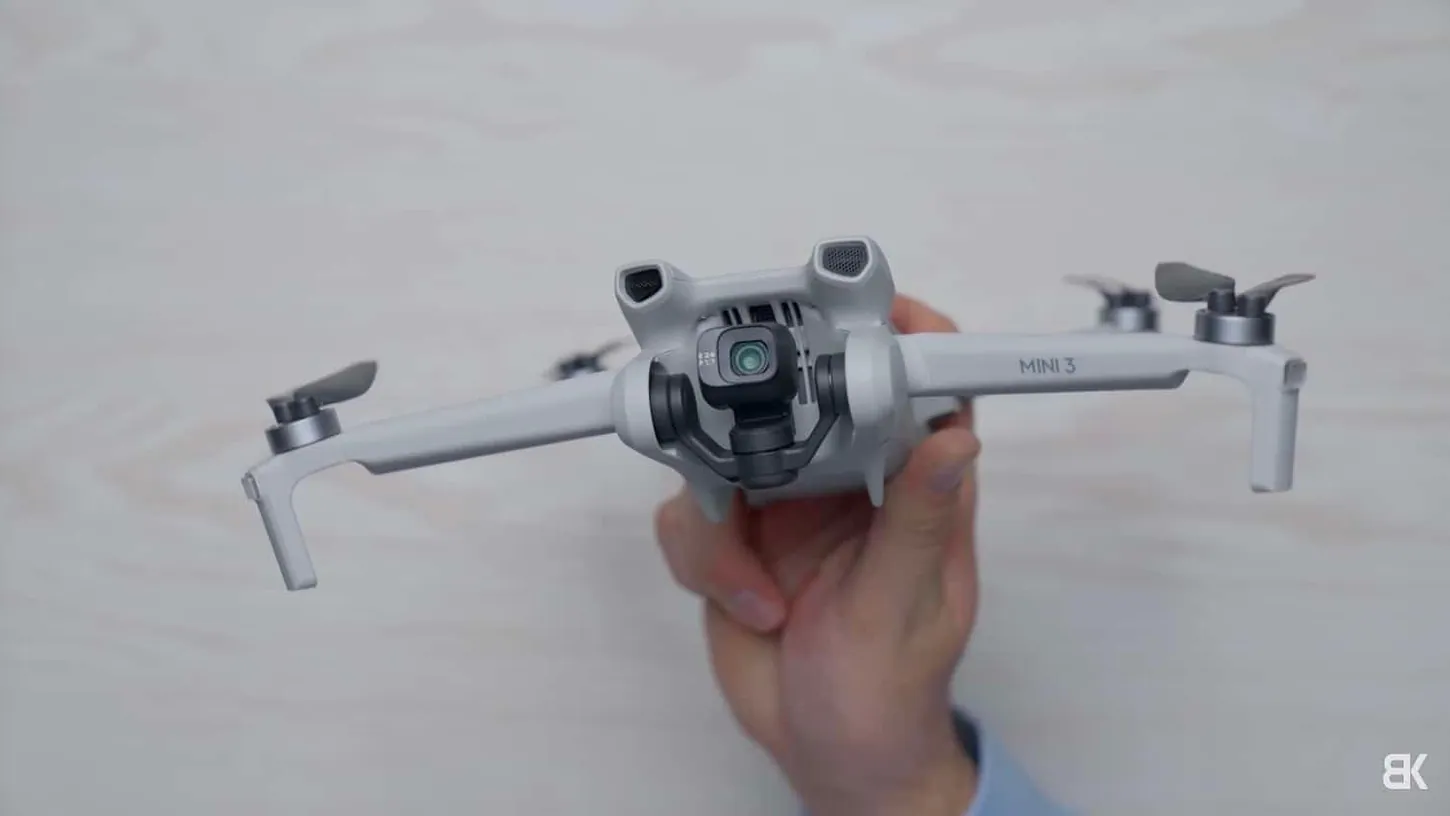
Amazon has the DJI Mini 3 at $269 for Prime members through October 7, $150 off list and level with its June low. The Fly More Combo is $600.
Zing is testing radio modules from Seoul's NUCODE for smaller Remote ID hardware, but the FCC Covered List makes no exception for an ally's parts.

FBI counter-drone teams are enforcing the Balloon Fiesta TFR, but the FAA's two NOTAMs run 5:30 a.m. to noon and 4 to 8 p.m. daily, not around the clock.

Amazon has the DJI Mini 3 at $315 for Labor Day, $104 off list. The base package is a real discount. The DJI RC and Fly More bundles are not.

A real estate photographer's DJI Mavic 4 Pro is shot out of the sky in Athens, Alabama, GoPro hands 90% of the company to Starman Optical, and UAS Sentry unveils the $1,595 Nexus Observer portable Remote ID detector.

NTSB says military GPS jamming was active when a New Mexico medevac crew hit a mountain. The same notice covered drone altitudes out to 389 kilometers.

AUVSI sells a drone registration database for up to $8,500, but the FAA's public registration file stopped in 2023 and federal rules limit bulk lookups.
If it requires registration, almost certainly yes — recreational sub-250g flying is the main exception. Fly commercially and the answer is yes regardless of weight in most cases, with heavier batteries bringing DJI's Minis into compliance.
Anyone nearby with a receiver — that is the design. Fire agencies have identified rogue pilots by it during emergencies. The less comfortable half of the story is the paper trail: AUVSI has sold FAA registration data the agency itself stopped publishing.
Standard Remote ID is a condition of most BVLOS authorizations unless the FAA says otherwise in writing — which makes it infrastructure for the industry's future, not just an enforcement tool.
One email with the drone news that matters — DJI, FAA, public safety, and everything in between, straight from the newsroom. No spam, no fluff.