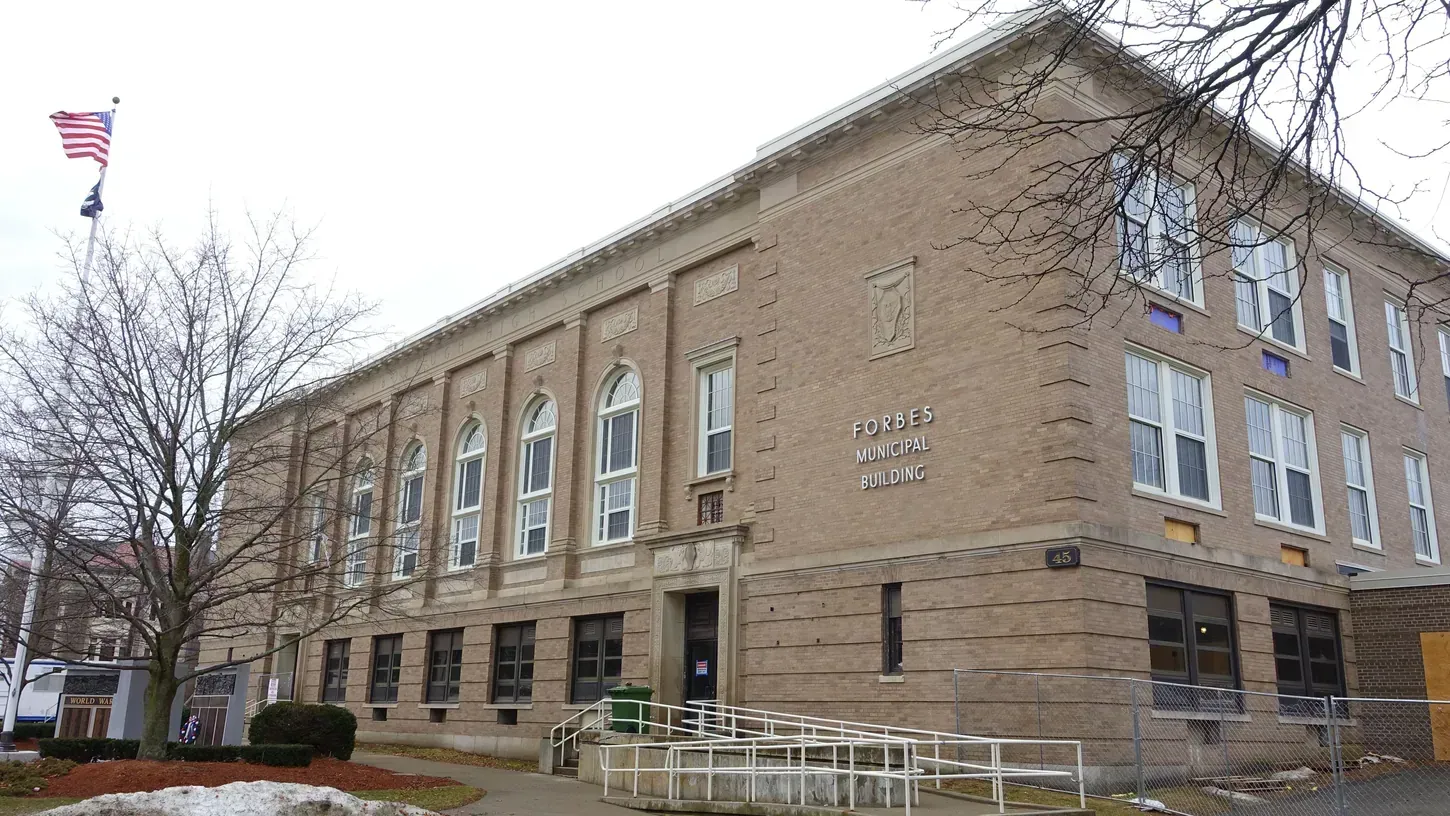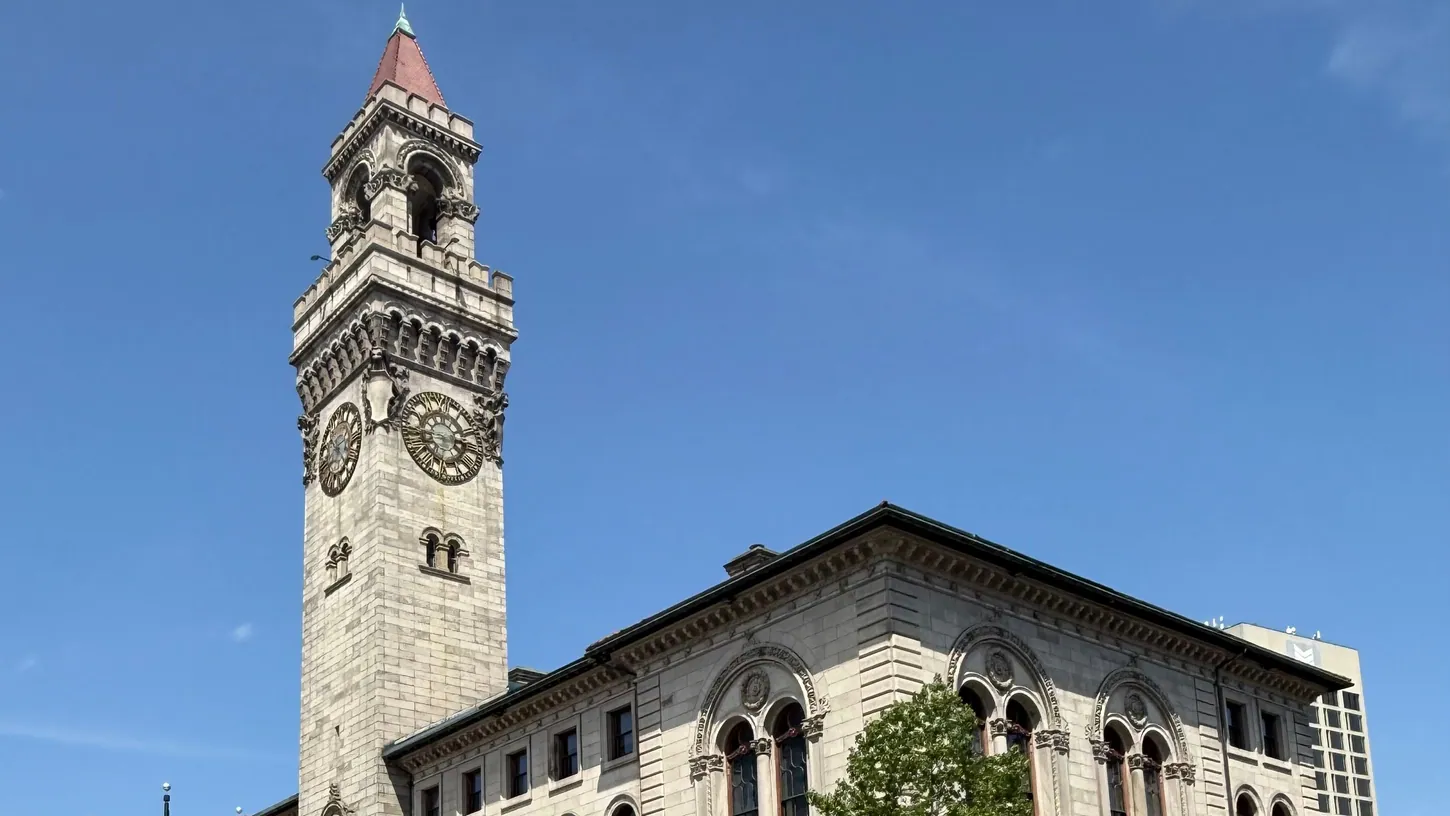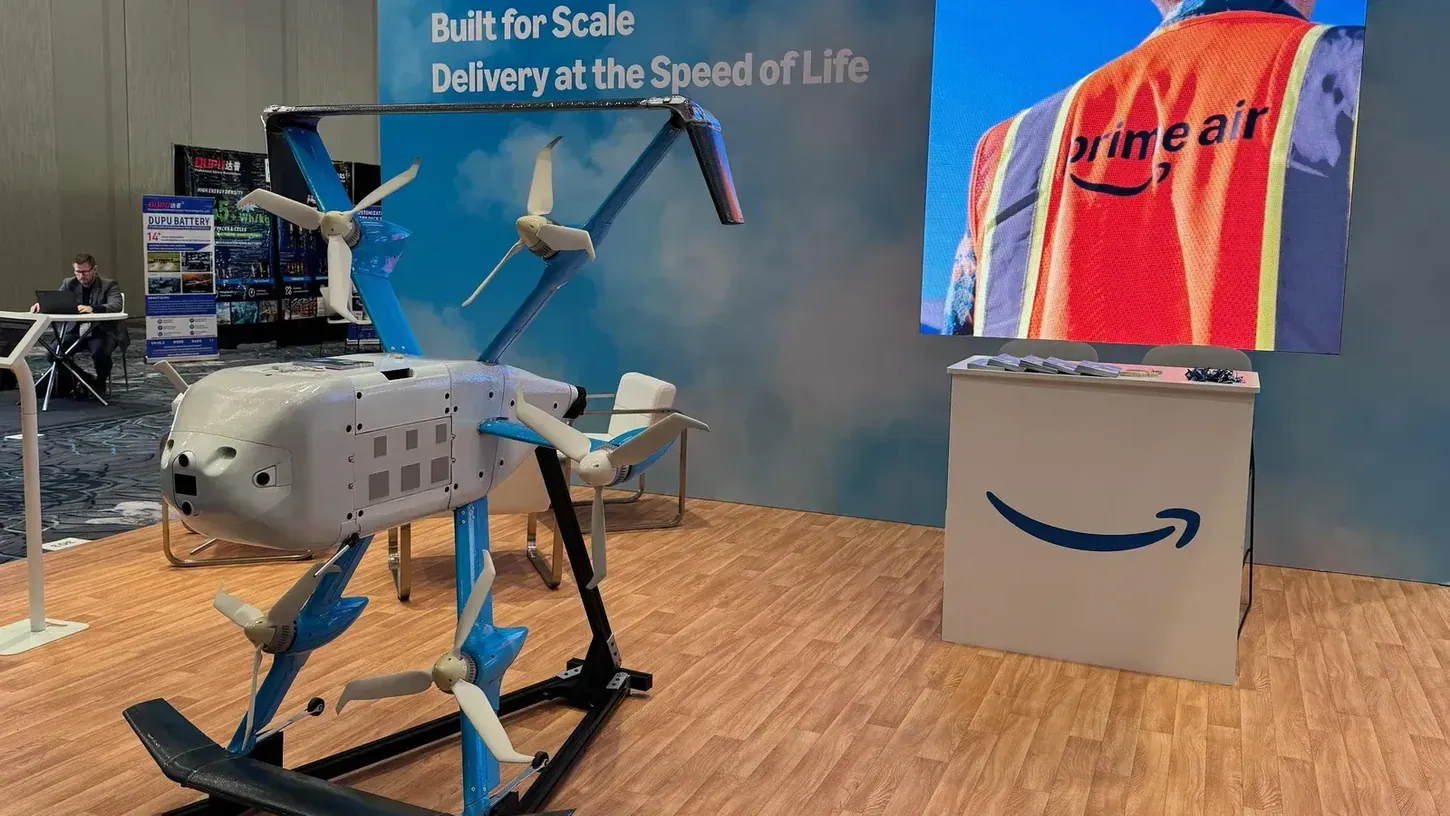
Portland City Council voted 11-0 on Wednesday, October 14, to start the state process for a possible moratorium on facilities that support commercial delivery drones. The resolution tells the city attorney to notify Oregon’s land-use agency that the council may consider a pause. Councilor Loretta Smith was absent. The resolution names no company, but the project behind the resident outcry it cites is Amazon’s planned Prime Air drone center at its North Schmeer Road warehouse in North Portland, which DroneXL reported in September.
Amazon’s first scheduled meeting with city planners, an October 20 pre-application conference, was canceled at Amazon’s request and has not been rescheduled, Portland Permitting & Development spokesperson Ken Ray confirmed Thursday. In September, Amazon told the Portland Business Journal it planned to start flying in Portland in early 2027. DroneXL’s Portland drone delivery guide has the filings so far.
The city may already have a process that fits. Hoodline reported this week that the permitting office treats Amazon’s drones as helicopters under the zoning code, which would mean a public hearing and a noise board review. Planner correspondence quoted in the council’s own testimony file says the conditional use criteria may not work for a drone facility.
Portland’s Vote Authorizes a 45-Day State Notice and Pauses Nothing Yet
Resolution 37754 authorizes notice to the Oregon Department of Land Conservation and Development under ORS 197.520. The notice must reach the state at least 45 days before the council’s final moratorium hearing. The resolution says the notice starts that clock but adopts no moratorium.
DroneXL has not confirmed when the notice was sent. If it went out October 15, the day after the vote, the 45th day is Sunday, November 29 (16 days left in October plus 29 in November), the earliest a final hearing could be held. Only the full council can adopt a moratorium.
District 2 Councilors Sameer Kanal and Elana Pirtle-Guiney introduced the resolution, and Pirtle-Guiney described it as a “step back from a pause,” OregonLive reported.
The later vote has a high bar. ORS 197.520 lets a city pause land development for reasons other than a shortage of public facilities only on a “demonstration of compelling need.” For urban land, the council must find in writing that existing development rules are “inadequate to prevent irrevocable public harm,” and say why other methods won’t work. A moratorium on those grounds lasts at most 120 days. Each extension needs another hearing and its own findings, and no extension can run longer than six months.
Land use is the route Oregon leaves open. ORS 837.385 reserves the regulation of drone ownership and operation to the Legislative Assembly unless a state statute says otherwise, and bars cities from making their own rules on it. Portland can’t regulate the flights, so it is working on the ground they start from.
Every Written Comment in the Council File Backs the Pause
The council’s written testimony file holds 16 entries from 15 people in Kenton, Arbor Lodge, Roseway, Cathedral Park and other neighborhoods. Every one backs the resolution or a moratorium, including one that leaves the position box blank and ends “Yes on the moratorium.”
They keep returning to noise, privacy and wildlife. Cathedral Park’s neighborhood association adds migrating birds along the Columbia and Willamette rivers. Messages about these facilities have been the single most common topic reaching the District 2 councilors since September 28, the resolution’s impact statement says.
Jessica Marquez, a Kenton resident who testified Wednesday, told the council the facilities are “a new kind of land use,” “closer to a small airport than a warehouse,” according to OregonLive. Kenton’s boundaries reach right up to the Amazon site, the paper noted. Marquez cited reports of “immediate deterioration in livability” where Amazon has started deliveries, without naming a town. The best-documented case DroneXL has covered is Richardson, Texas, where a resident’s tracker logged 52 drones over one yard in a day in September. The FAA’s environmental decision covering that hub analyzed up to 1,000 flights a day.
Amazon has characterized customer response as “overwhelmingly positive,” OregonLive reported, and it did not immediately respond to a request for comment from OPB. On the federal side the public record is empty. The FAA’s drone environmental review page, last updated October 14, listed no Portland document when DroneXL checked it on October 16. Under the FAA’s July national assessment a site may never get one, and Amazon’s operating authorization requests are not public. Its only Oregon entries cover Amazon’s Pendleton test range. Oregon is also one of the 15 states suing the FAA over that national clearance.

Hoodline Reports Portland Treats Amazon’s Drones as Helicopters
Portland Permitting & Development has determined that Amazon’s drones must be treated as helicopters under city zoning rules, Hoodline reported on October 14. The outlet did not name its source. OPB, KATU and OregonLive did not report it, and DroneXL has not seen a city document stating it.
The Cathedral Park Neighborhood Association’s letter in the council file, which opposes the Amazon facility, describes the same classification under Chapter 33.243 and asks planners to keep it there.
That chapter sets a high bar of its own. In Portland’s industrial zones, a helicopter landing facility is a conditional use, and a new one goes through a Type III land-use review, the city’s hearing process. Before the applicant can even file, the chapter requires approval from the city’s Noise Review Board and provisional approval from the state’s aeronautics division.
The planners themselves are not sure the fit is good. Roseway resident Evan Livingston’s testimony quotes correspondence obtained through a public records request in which staff, reviewing a drone delivery proposal this year, wrote: “We aren’t sure that the conditional use approval criteria work well for a drone type of facility.” Kanal made the same point on Wednesday. “There is no specific land-use structure with this type of facility in mind,” he said, according to OregonLive, adding that a moratorium would keep current code from being applied “in an imperfect way, and a way that may be really hard to undo.”
Amazon asked for the October 20 conference to be canceled on Tuesday, the day before the vote, OPB reported. None of the four outlets that reported the cancellation (OPB, OregonLive, KATU and Hoodline) carried a reason from Amazon when DroneXL reviewed them on October 16.
Residents who want to raise a concern with Amazon directly can call 1-888-280-4331 or use Amazon’s customer-service chat, choosing “Something Else” and then “Amazon Drone Delivery.” DroneXL’s guide to what residents can do about Amazon drones covers the rest, and the Amazon Prime Air tracker lists the hubs and incidents DroneXL has documented.
DroneXL’s Take
Portland is right to treat a drone hub as an aviation facility and not a warehouse. An MK30 weighs up to 83 pounds at takeoff, flies on six motors and carries no parachute in any of Amazon’s FAA filings. Marquez’s small-airport comparison is closer to the truth than anything in a warehouse permit.
DroneXL supports drone delivery where the payload justifies the flight, like medication or a defibrillator. A phone charger to a backyard in Kenton is a harder sell, and the crane strikes in Tolleson showed what happens when an MK30 without a parachute stops flying.
I think the moratorium is the weaker of Portland’s two tools. ORS 197.520 makes the council prove in writing that its existing rules can’t prevent irrevocable public harm, and if Hoodline’s report holds, the helicopter chapter already puts a hearing and a noise review in front of Amazon. That makes the finding harder to write. I’d spend the next 45 days on a drone section built on the helicopter chapter, one that asks for the flight counts, the noise data and the routes a hearings officer would need to see.
Sources: City of Portland, Resolution 37754, Portland City Council written testimony, Document 2026-374, Portland City Code Chapter 33.243, ORS 197.520, ORS 837.385, OregonLive, OPB, KATU, Hoodline, FAA.
DroneXL uses automated tools to support research and source retrieval. All reporting and editorial perspectives are by Haye Kesteloo. Read our editorial standards.