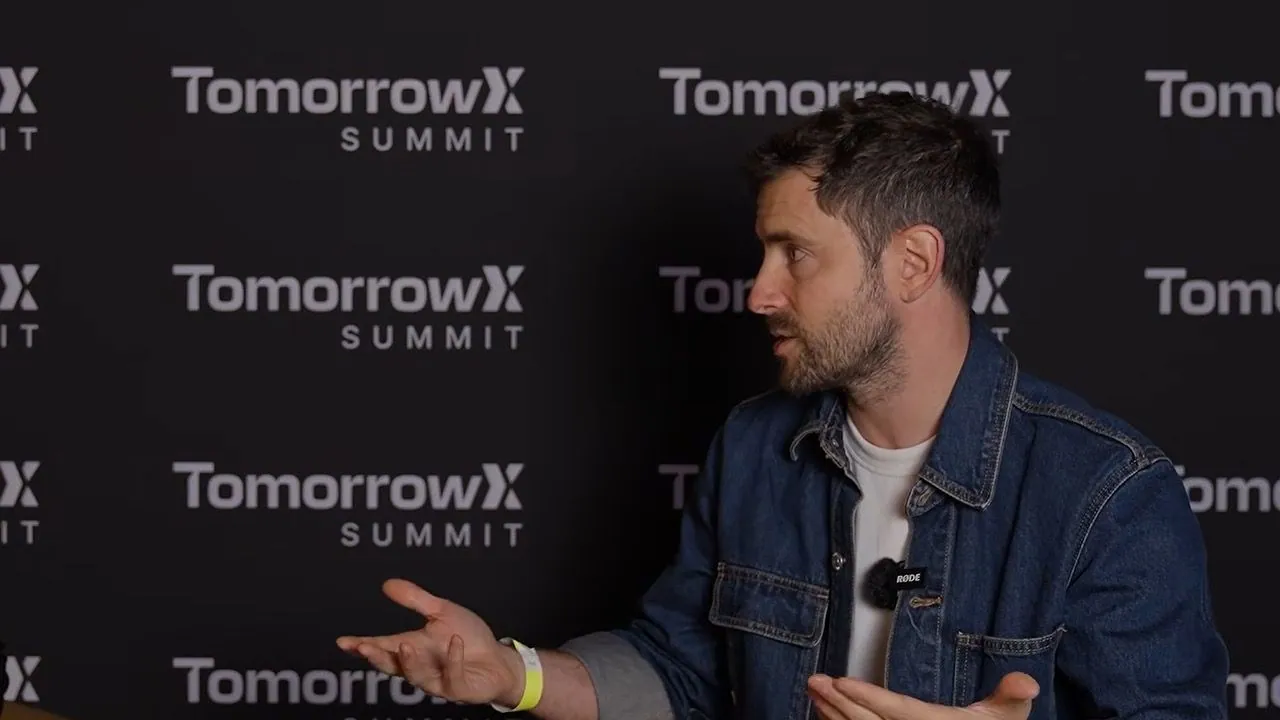
Zipline co-founder and CEO Keller Rinaudo Cliffton told the TomorrowX Summit in Austin that the aid groups working in Africa have formed a “cartel” around US federal funding, and that the governments he deals with want “trade, not aid.” He spoke on November 17 on the summit’s Arena Stage, and iConnections posted the 20-minute conversation on November 19.
His interviewer was Antonio Gracias, founder of Valor Equity Partners, who sits on Zipline’s board. Valor led the round that valued Zipline at $7.6 billion in January.
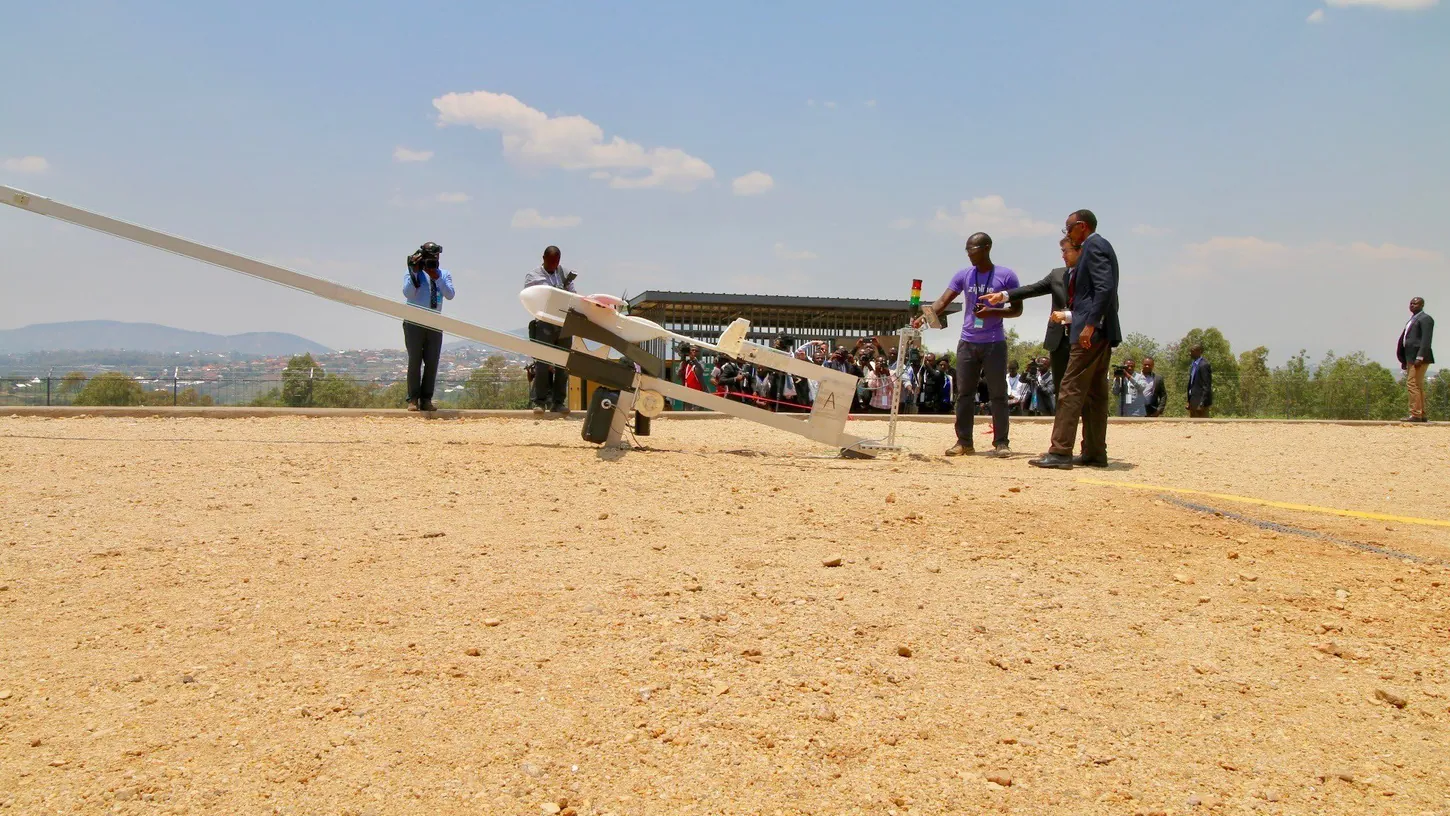
Washington already backs the model he described. A year ago the State Department awarded Zipline up to $150 million to build drone hubs in five African countries, billed as a new kind of foreign assistance. The award pays for buildings. African health ministries pay for the flying, and one of them has fallen behind on its bill.
Rinaudo Cliffton Says Aid Groups Fight Change and African Governments Want Jobs
Rinaudo Cliffton said he expected the NGOs working in Africa to be Zipline’s allies and found the opposite. He called them a cartel of interest groups, known in Washington as the Beltway Bandits, that forms around federal funding and never wants to change how the US works in Africa.
African governments told him plainly that they want trade, he said. In his telling, free services of low quality from NGOs create dependence, hold back economic growth and create no high-paying jobs in those countries. “We’re flying white people business class to Africa to put on a democracy seminar,” he said in the iConnections video.
What those governments ask for, he said, is direct investment, entrepreneurship, robotics and AI that lets them leapfrog. He described two tech stacks the developing world will choose between, America’s and that of “our fundamental kind of geopolitical strategic adversary,” and said the US has not been showing up with its own. He named neither the country nor any aid group.
He put Zipline’s own record at about 17,000 lives saved a year, mostly mothers and children, and a 51% cut in maternal mortality at the facilities it serves. His X thread on November 5 said more than 14,000 lives a year. Both are Zipline’s figures, and the 51% comes from a Wharton study of in-hospital deaths from postpartum hemorrhage, a narrower count than maternal mortality, as DroneXL noted in its report on that thread.
Rinaudo Cliffton made the same jobs argument about the US. He said a fleet commander at Zipline oversees 100 aircraft at a time, that a college degree would be useless for the job, and that 5.5 billion US instant deliveries a year could become 50 billion if every metro ordered like Dallas. Uber Eats drone orders began in Spring, Texas, on the day he spoke.
The State Department Funds Zipline’s New African Hubs as Pay for Performance
The State Department announced the award in November 2025. Zipline gets up to $150 million to build hubs in Côte d’Ivoire, Ghana, Kenya, Nigeria and Rwanda. The money is released only as each government signs. Each signature commits it to pay usage fees.
DroneXL covered the award when it landed, eight months after Secretary of State Marco Rubio said 83% of USAID’s programs had been cancelled. The State Department described it as assistance that draws in private capital and local buy-in and backs an American company, which is close to the case Rinaudo Cliffton made on stage.
Rwanda signed the first expansion under it in February. Côte d’Ivoire followed in September with an eight-year contract for 10 hubs, at a price neither side has published.
Ghana’s Unpaid Bill Shows What Trade Means for Zipline
Ghana’s health ministry, under a Zipline contract older than the award, owed the company GH¢175 million in November 2025 by a health committee member’s count, and in July the health minister told Parliament that some payments had been made but money was still owed.
Three of Zipline’s six Ghana centres have been shut since late 2025, which MyJoyOnline reported alongside the debt and DroneXL covered when Zipline hired an Uber veteran to build 20 more African hubs. Every one of those new hubs will also run on a government contract.
DroneXL’s Take
I think Rinaudo Cliffton has earned the right to be angry at the aid business. Zipline flew blood to Rwandan hospitals while, in his words, investors didn’t understand the business, and the State Department has now backed his model rather than the old one.
But trade means a customer who has to pay, and in Africa that customer is a health ministry. The US award builds the hubs, and the flights after that depend on ministries paying their usage fees. Ghana’s ministry fell GH¢175 million behind, and three of Zipline’s six centres there are shut. I’d argue that is the hard part of “trade, not aid,” and it deserved a line on that stage next to the cartel. Zipline’s 20 new hubs will each depend on a ministry that keeps paying, and Ghana is where the record already shows the risk.
Sources: iConnections on YouTube, US State Department, Ghana News Agency, MyJoyOnline
DroneXL uses automated tools to support research and source retrieval. All reporting and editorial perspectives are by Haye Kesteloo. Read our editorial standards.
Advertise with DroneXLYour company hereReach 200,000+ drone readers a month with a sponsored article, a banner on your beat, or a partnership.See the options →