
China · Disaster Response
Nepal Asks Abroad For Cargo Drones As China Flies 47 Next Door
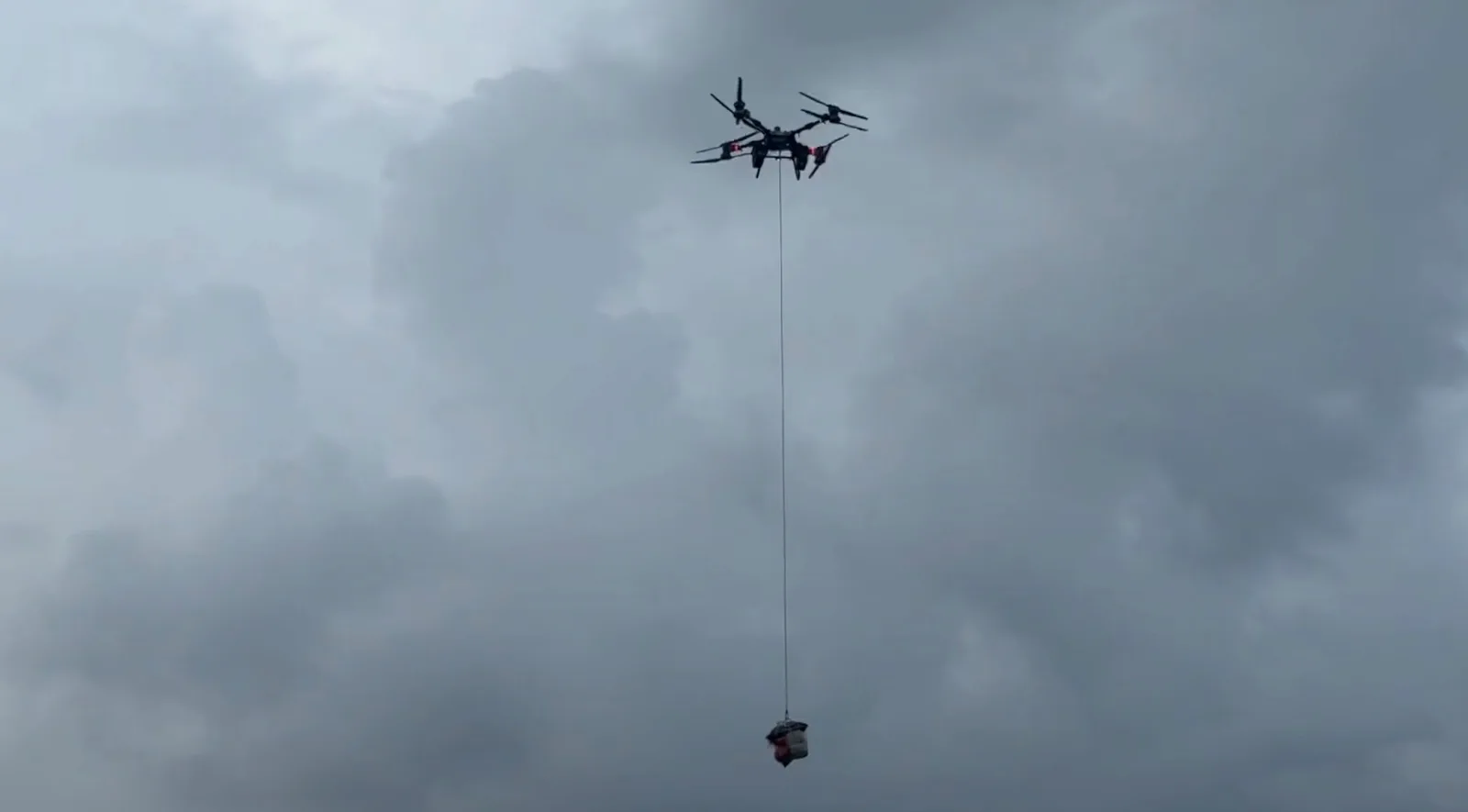
Nepal ran its first 220-pound cargo drone test four days after the flood and asked other countries for heavy-lift drones. China had 47 flying by Thursday.
Export controls, the Shenzhen supply chain, and the geopolitics of the world’s drone-manufacturing superpower.
China is the center of gravity of the civilian drone industry, and the US response to that fact — bans, tariffs, scrutiny, subsidy — is the single biggest force acting on this market. This desk tracks both sides of it.
The policy front moves weekly. The White House summoned 40 drone companies as the tariff deadline and Beijing loomed. The FCC’s posture keeps hardening — its legacy-import precedent shows exactly how DJI grandfathering could work, and its rhetoric now stretches to labeling drone light shows military-grade swarm technology. The full regulatory thread lives on the FCC desk and the NDAA desk.
For buyers, the fight arrives at the checkout before it arrives in law: the Osmo 360 II launched with 8K60 and no American price, the latest in a pattern of global launches that skip the US. Our DJI desk tracks the company at the middle of all of it.
The industrial race is the long game — whether the US can build what it is trying to ban. Every China drone story lands in the feed below.
Last updated August 30, 2026 — the feed below updates with every new story.
Nepal ran its first 220-pound cargo drone test four days after the flood and asked other countries for heavy-lift drones. China had 47 flying by Thursday.
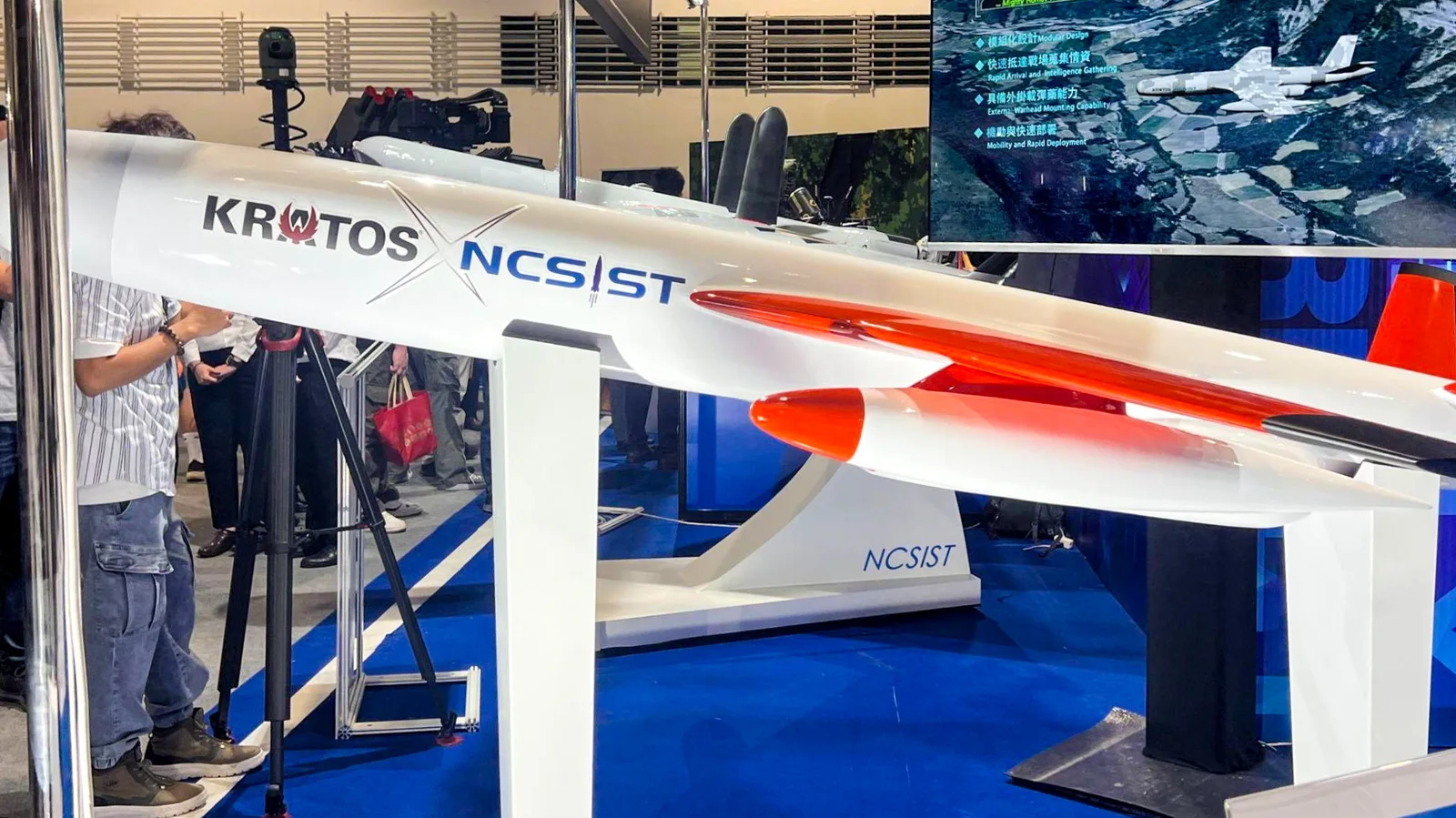
Taiwan's legislature passed a NT$240 billion (US$7.56 billion) drone act 60-50 and killed President Lai's special budget. The military says it falls short.
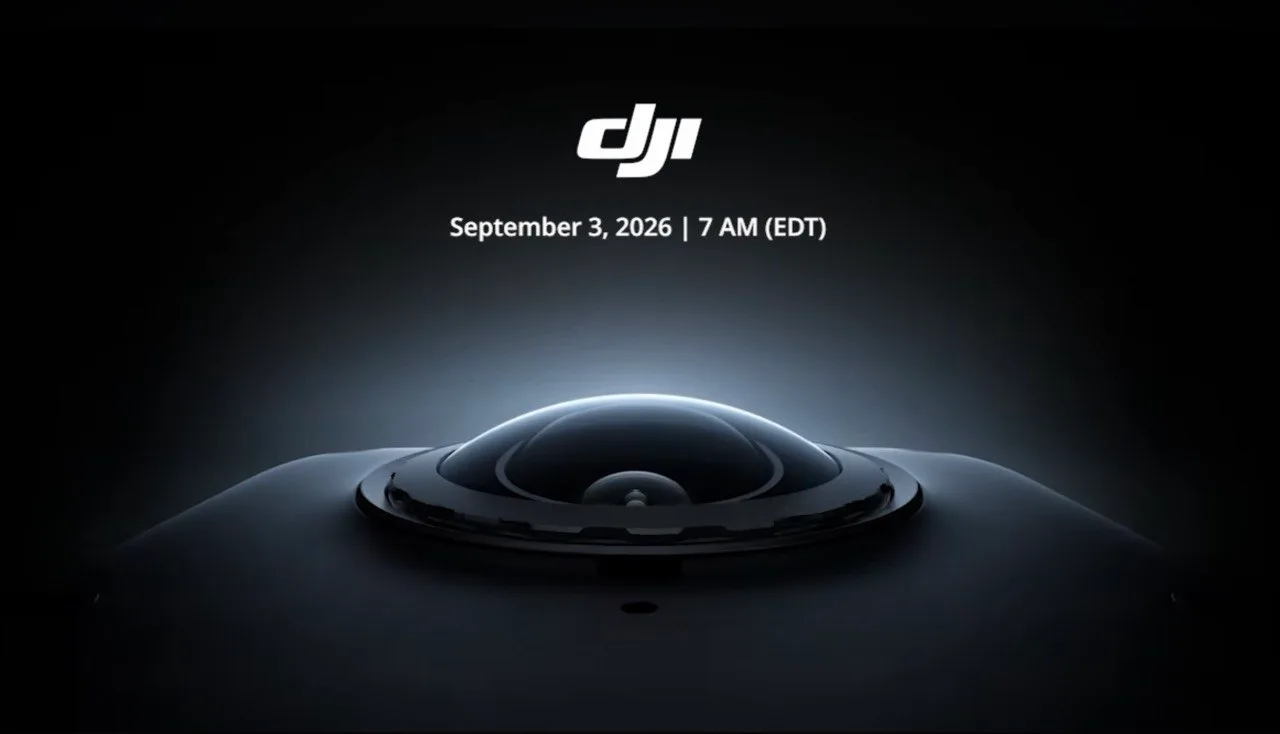
DJI's 15-second teaser dates the Osmo 360 II for September 3 at 7 AM EDT, three weeks after a China-only launch that skipped an American price.
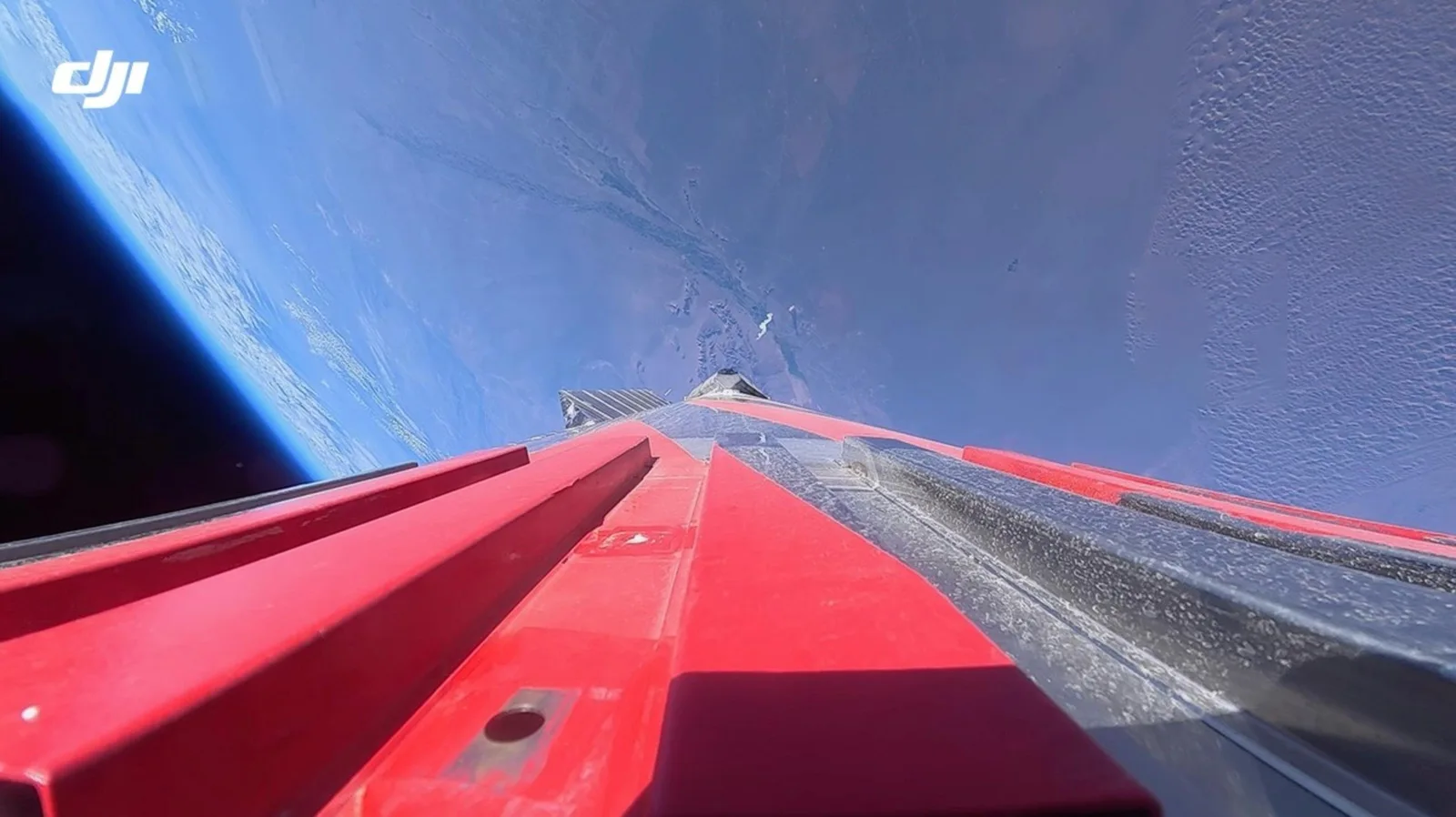
DJI strapped its Osmo Action 6 to LandSpace's Zhuque-3 booster and published the full uncut ride, from ignition to a vertical landing in northwest China.
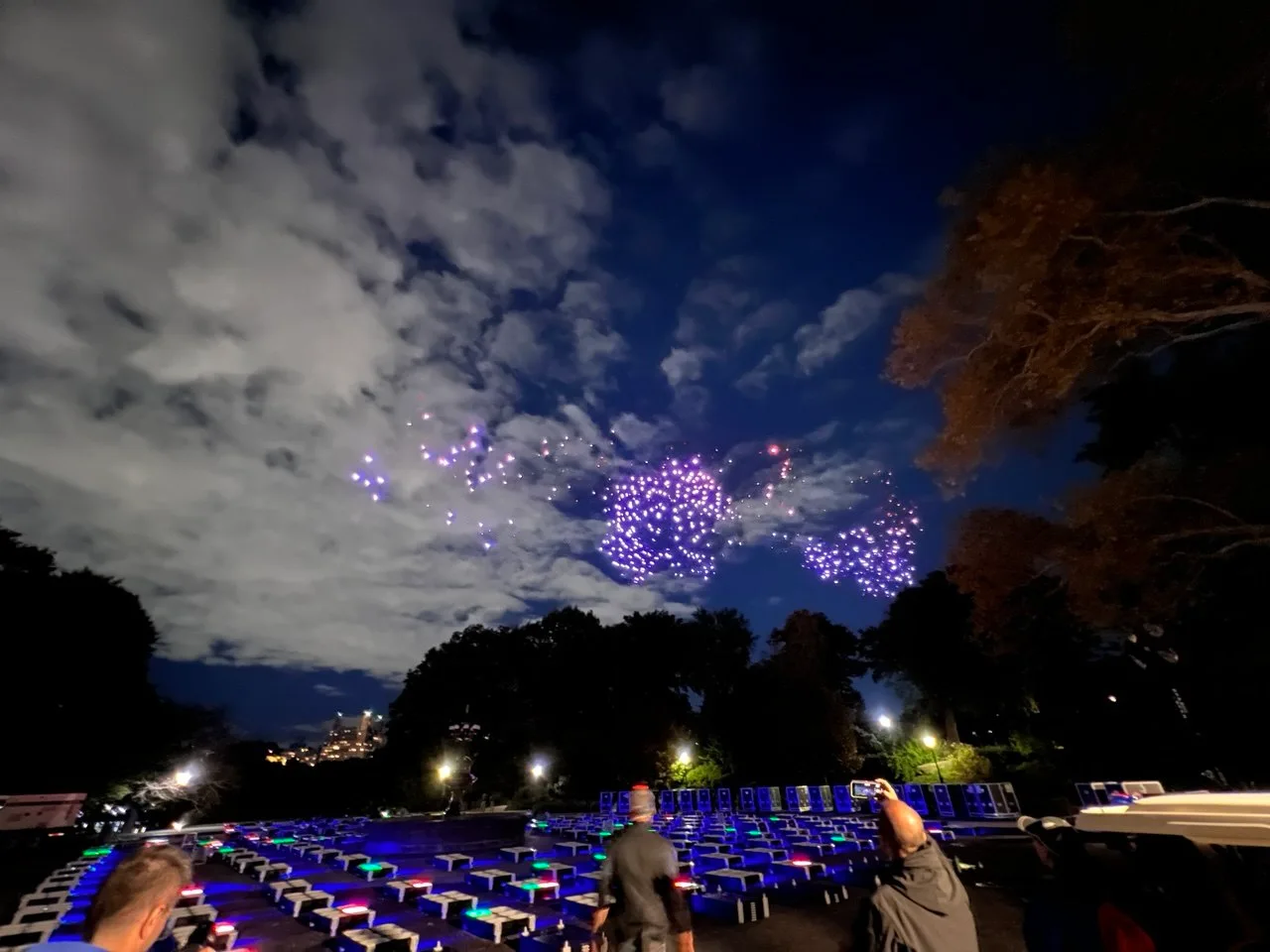
The FCC's swarm rule names drone light shows as military-grade. The US industry flies Korean and Chinese hardware. Comments close September 2.
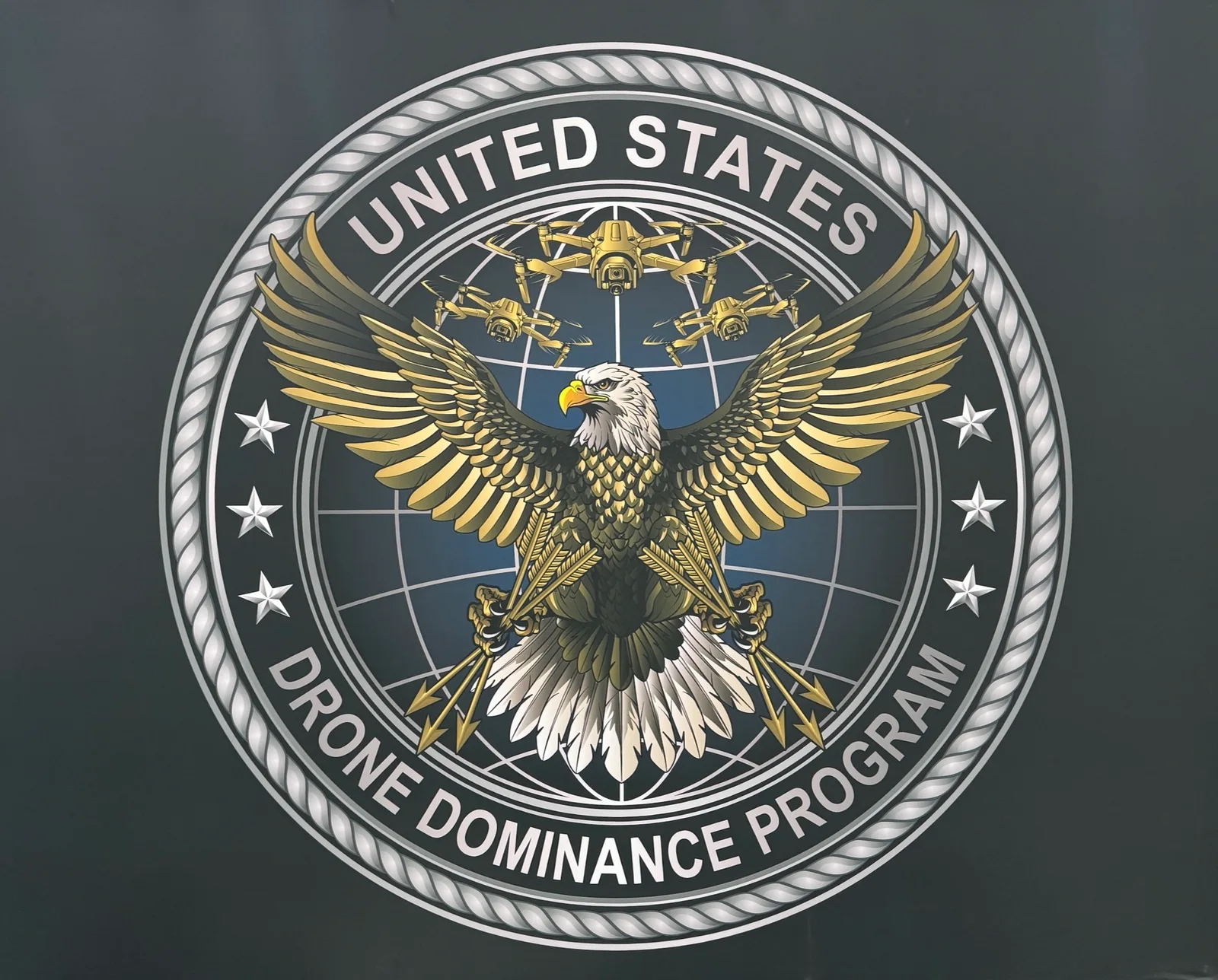
The first White House Drone Dominance event packed roughly 40 drone makers into the Eisenhower Executive Office Building, two weeks before Section 232 tariffs hit and hours before Beijing demanded their withdrawal.

DJI put the Osmo 360 II on sale in China at 3,299 yuan, about $460, with native 8K60 panoramic video, swappable lenses, and 105GB of storage — while its US store answers the launch with a 404 page.

Cameras on the Royal Navy's K3 Scout sea drones sent heartbeat signals to a Chinese IP address. Kraken says the units were NDAA-compliant.
Not outright — but the pressure is layered: FCC scrutiny, import friction at customs, tariff deadlines and procurement bans for agencies. The practical result reaches buyers first: products launching worldwide with no US price, and grey-market listings at prices DJI never set.
Security arguments about data and control, and an industrial argument about rebuilding domestic manufacturing. The White House summoning 40 drone companies as the tariff deadline approached is the industrial policy made visible.
US and allied manufacturers competing on procurement rules rather than price — and the buyers lose cheap capable hardware while the domestic industry scales. Whether that trade is worth it is the actual policy question, and it is genuinely contested.
One email with the drone news that matters — DJI, FAA, public safety, and everything in between, straight from the newsroom. No spam, no fluff.