
Technology · Drones for Good
Two Drones Flew a Rope to a Climber on a 10-Inch Ledge at Night
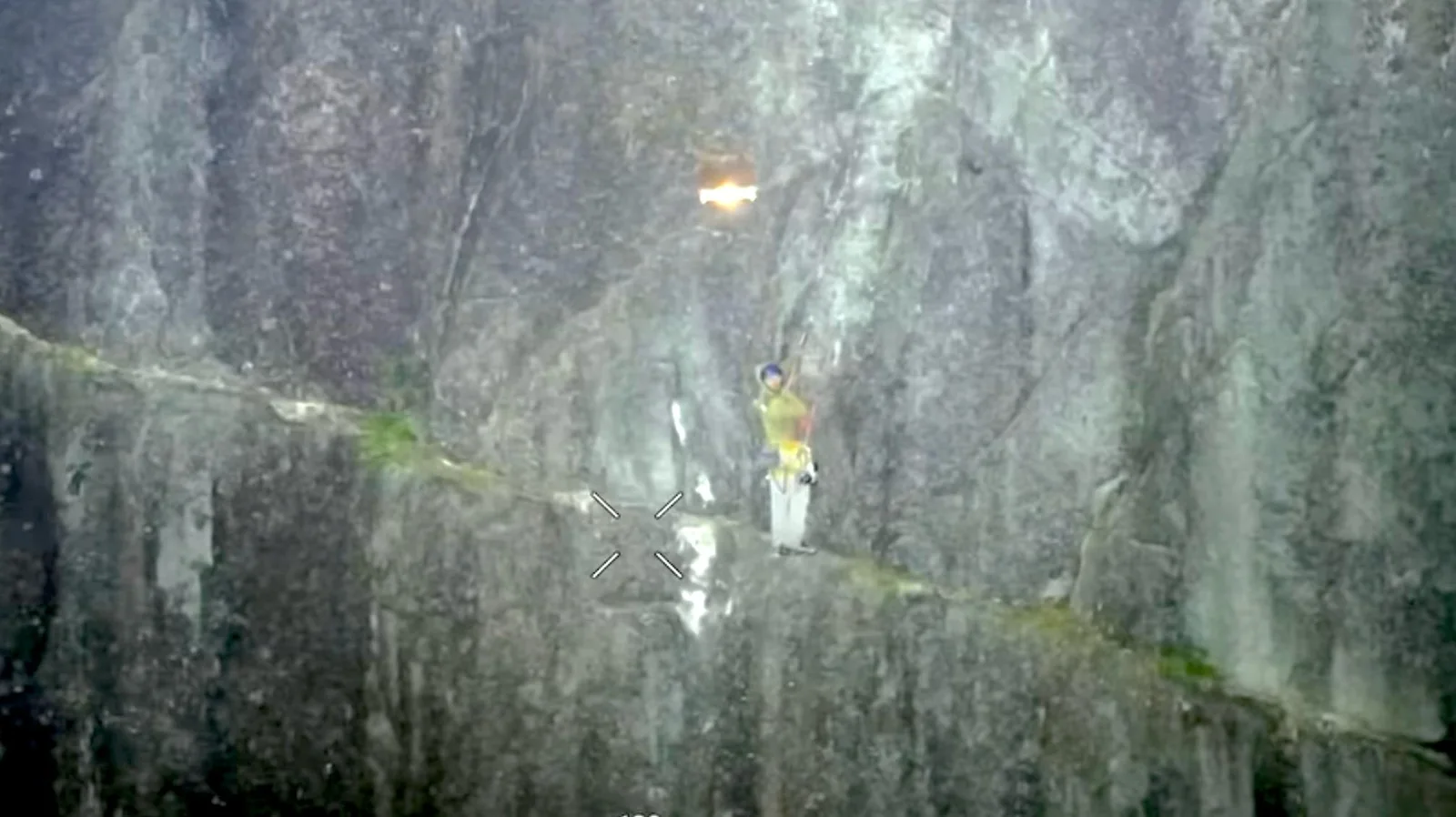
Squamish Search and Rescue flew a floodlight drone and a line-delivery drone to get a roped-out climber off the Stawamus Chief. Here is how it worked.
Sensors, batteries, LiDAR, obstacle avoidance, and the engineering that moves the industry forward.
Drone technology coverage tracks the hardware and software layer underneath specific products, the sensors, autonomy systems and airframe designs that determine what any given drone can actually do.
Autonomy and AI are the fastest-moving piece of it, and not always in a reassuring direction: an Nvidia Jetson chip guided the Russian AI drone that killed three Ukrainians near Zaporizhzhia, showing how quickly commercial AI hardware ends up in targeting systems. On the research side, DARPA’s Lift Challenge results showed a conventional helicopter design beating experimental lift concepts at a 3.84:1 ratio, a reminder that not every technology bet pays off on schedule.
LiDAR has grown from a niche surveying payload into one of the largest technology desks on the site, and VTOL and eVTOL aircraft are developing into a genuinely separate industry from rotor-based consumer drones. Sensor technology keeps expanding what a drone can be used for in unexpected ways too: Rainmaker says its cloud-seeding drones made 143 million gallons of rain, and Florida calls the practice a felony, a case that sits at the intersection of drone technology and state law neither side anticipated.
Artificial Intelligence, thermal sensing and UTM airspace management round out the desk. Every drone technology story is in the feed below.
Last updated September 14, 2026 — the feed below updates with every new story.
Squamish Search and Rescue flew a floodlight drone and a line-delivery drone to get a roped-out climber off the Stawamus Chief. Here is how it worked.

Anthropic says a freelance Russian team used Claude Code to build kamikaze drone swarm software that picks targets, including people, with no human veto.

A Zipline software update has its drones dive to build speed and climb to brake. Here is why gravity makes them faster, quieter and cooler.

Schmidt's Washington Post op-ed says Ukraine's innovation edge is losing to Russian mass. His byline omits Swift Beat, the drone maker he runs.

A new federal rule lets certified local agencies detect and disable drones. The government expects about 1,500 of them to sign up within two years.

Pilot Institute coded all 3,824 readable filings in FCC docket 26-189 against the 11 questions the Commission actually asked. Here is what the record says.

Pilot Institute read and coded all 3,824 filings in FCC docket 26-189. 98.6% oppose the military-grade drone ban as written. Sixteen support it.

DJI's 26-page filing, signed by a former U.S. Solicitor General, says no security agency ever endorsed the FCC's seven military-grade drone categories.
This desk covers the underlying capability, an AI targeting model, a LiDAR sensor, a VTOL airframe design, rather than a specific consumer drone. A DJI Mini 5 Pro review lives on the DJI desk; a story about the AI chip guiding a targeting system lives here.
LiDAR has moved from a specialist surveying tool to a mainstream mapping and inspection payload fast enough that it now generates more coverage volume than most single technology categories, tracked separately from general drone hardware news.
VTOL covers vertical takeoff and landing fixed-wing drones generally, gas or electric, used for long-range mapping and delivery. eVTOL specifically covers electric vertical takeoff and landing aircraft, including the passenger-carrying air taxi category, which is developing into its own industry.
One email with the drone news that matters — DJI, FAA, public safety, and everything in between, straight from the newsroom. No spam, no fluff.