FCC Drone Ban Threatens Agricultural Operations Warns Texas Farm Bureau

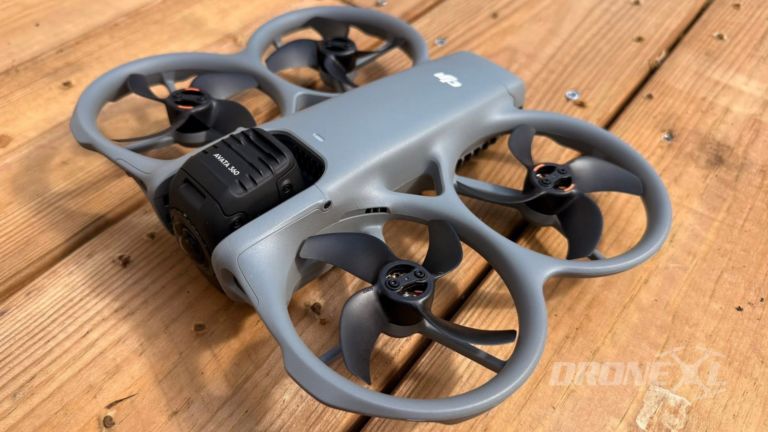
Check out the Best Deals on Amazon for DJI Drones today!
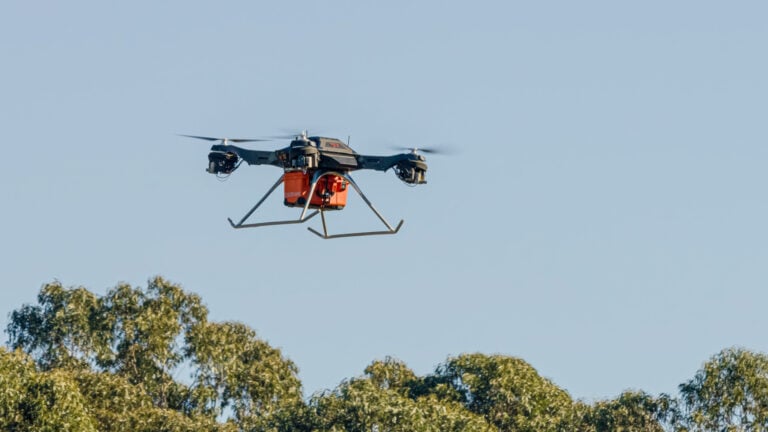
The Texas Farm Bureau is sounding the alarm on the FCC’s sweeping foreign drone ban, warning that “limited availability of drones and parts could prevent farmers and ranchers from adequately managing pesticide and fertilizer use, monitoring crop stress, checking livestock and other essential tasks.” The agricultural sector is now grappling with what this regulatory shift means for day-to-day farm operations.
On December 22, 2025, the FCC added all foreign-made drones and UAS critical components to its Covered List, effectively banning new product authorizations for equipment manufactured outside the United States. We broke that story the same day it happened, noting the decision went far beyond what anyone predicted. Now agricultural groups are weighing in on what this means for farmers.
Farm Bureau Calls for Balanced Approach
Laramie Adams, Texas Farm Bureau’s associate director of Government Affairs, told the publication that “drones have become an important part of modern farming, and many of those systems are foreign-made. It is critical we ensure the technology, such as drones, are secure. And we must also make sure farmers’ access to drones and drone parts remain protected as they utilize this technology.”
That statement encapsulates the fundamental tension at the heart of this policy debate: farmers need functional equipment, and the theoretical national security risks from data exfiltration have never been demonstrated with actual evidence.
DJI controls roughly 80% of agricultural spray drone sales in the U.S. market, according to a Michigan State University study we covered in November. The company’s Agras T50 carries an MSRP around $18,000. American-made alternatives from companies like Texas-based Hylio start at $20,000 for entry-level models and reach $85,000 for advanced systems. That price gap matters when you’re a farmer operating on thin margins.
Even American Manufacturers Think the Ban Went Too Far
One detail worth highlighting from the Texas Farm Bureau’s coverage: Arthur Erickson, CEO of Hylio, the Texas-based company that theoretically stands to benefit most from eliminating Chinese competition, called the FCC’s expansion to all foreign-made drones “crazy” and “unexpected.”
“The way it’s written is a blanket statement,” Erickson told reporters. “There’s a global-allied supply chain. I hope they will clarify that.”
Erickson isn’t wrong. Hylio, like every American drone manufacturer, sources components globally. The company has been transparent about buying batteries from China while working to diversify its supply chain. The FCC’s Covered List doesn’t just target DJI and Autel. It targets “UAS and UAS critical components produced in a foreign country,” which includes batteries, flight controllers, motors, navigation systems, and ground control stations from allied nations like Germany, Japan, and South Korea.
The Pentagon carved out exemptions on January 8, 2026, for Blue UAS-listed products and domestically assembled drones meeting a 65% domestic content threshold. But those exemptions expire January 1, 2027, and DJI and Autel remain completely blocked from any pathway to compliance.
What Existing Drone Owners Need to Know
The Farm Bureau correctly notes that the FCC ruling does not affect consumers’ ability to continue using drones they already own, and retailers may continue selling and importing drone models that were approved earlier this year or in previous FCC authorization cycles. Your existing DJI Agras still works. Dealers can still sell Air 3S units from current inventory.
But there’s an important detail the Farm Bureau’s coverage doesn’t address: the component squeeze we identified in our December 24 analysis. Standalone replacement batteries are “covered equipment” under the new rules. Every DJI drone sold today will eventually need replacement batteries, and those batteries have finite cycle life. When they wear out in 1-2 years, Customs and Border Protection may block imports because those components are now on the Covered List.
The Farm Bureau notes that restrictions would “kick in if an assessment wasn’t completed within a year.” That’s technically accurate, but the backstory matters: the administration bypassed the security audit mandated by Section 1709 of the NDAA entirely. DJI begged for that audit. They sent letters in March, June, and December 2025 asking agencies to examine their products. No agency started the review. No evidence was gathered. DJI got banned by default, not by finding.
The Agricultural Impact Is Already Measurable
We’ve documented the agricultural fallout extensively. Tim Rigdon, founder of CropCare agricultural drone spraying company in western New York, told reporters he’s considering closing entirely if Chinese drones are banned. In Ohio, nuWay Ag already laid off 2 of 22 employees because supply constraints prevented them from securing enough DJI units to meet demand.
The Michigan State University research tells a striking story about what’s at stake. Agricultural drones registered with the FAA leaped from roughly 1,000 in January 2024 to around 5,500 by mid-2025. These flying workhorses now perform tasks ranging from spraying pesticides and spreading fertilizers to sowing seeds, monitoring livestock, and mapping field topography. Farmers adopted this technology faster than almost any innovation in agricultural history. Now they’re watching their equipment pipeline get cut off.
Connecticut legalized agricultural drone spraying on December 17, 2025, just six days before the FCC deadline. The irony: Connecticut farmers can now legally spray their fields with drones, but the equipment they need costs 3x to 5x more than it did before the ban, and that’s before the 170% tariffs on Chinese agricultural drones that went into effect earlier this year.
DroneXL’s Take
The Texas Farm Bureau raises valid concerns that deserve more attention. The FCC’s decision affects far more than recreational drone pilots or tech enthusiasts. It directly impacts agricultural productivity at a time when farmers are already dealing with rising costs, labor shortages, and unpredictable weather patterns. Drone technology offered a solution to many of these challenges, and now that solution just got significantly more expensive.
Erickson is correct that Hylio and other American manufacturers will benefit from reduced competition. New investments are pouring in to help him ramp up production. His new 40,000 square foot facility near Houston will boost capacity to 5,000 units annually by 2028. But farmers can’t wait until 2028 for affordable spray drones. They need functional equipment now, and the FCC just ensured they’ll pay premium prices for years while domestic production scales up.
The agricultural sector needs to be part of this conversation going forward. As the FCC and Pentagon work through exemptions and clarifications, farm bureaus and agricultural associations should push for practical pathways that allow farmers to maintain access to the technology they’ve come to depend on. The January 2027 expiration date on current exemptions means there’s still time to shape how this policy evolves.
What do you think? How is this ban affecting your agricultural operations, and what should farm bureaus be pushing for as exemptions get worked out? Let us know in the comments.
Editorial Note: AI tools were used to assist with research and archive retrieval for this article. All reporting, analysis, and editorial perspectives are by Haye Kesteloo.
Discover more from DroneXL.co
Subscribe to get the latest posts sent to your email.
Check out our Classic Line of T-Shirts, Polos, Hoodies and more in our new store today!

MAKE YOUR VOICE HEARD
Proposed legislation threatens your ability to use drones for fun, work, and safety. The Drone Advocacy Alliance is fighting to ensure your voice is heard in these critical policy discussions.Join us and tell your elected officials to protect your right to fly.

Get your Part 107 Certificate
Pass the Part 107 test and take to the skies with the Pilot Institute. We have helped thousands of people become airplane and commercial drone pilots. Our courses are designed by industry experts to help you pass FAA tests and achieve your dreams.

Copyright © DroneXL.co 2026. All rights reserved. The content, images, and intellectual property on this website are protected by copyright law. Reproduction or distribution of any material without prior written permission from DroneXL.co is strictly prohibited. For permissions and inquiries, please contact us first. DroneXL.co is a proud partner of the Drone Advocacy Alliance. Be sure to check out DroneXL's sister site, EVXL.co, for all the latest news on electric vehicles.
FTC: DroneXL.co is an Amazon Associate and uses affiliate links that can generate income from qualifying purchases. We do not sell, share, rent out, or spam your email.