
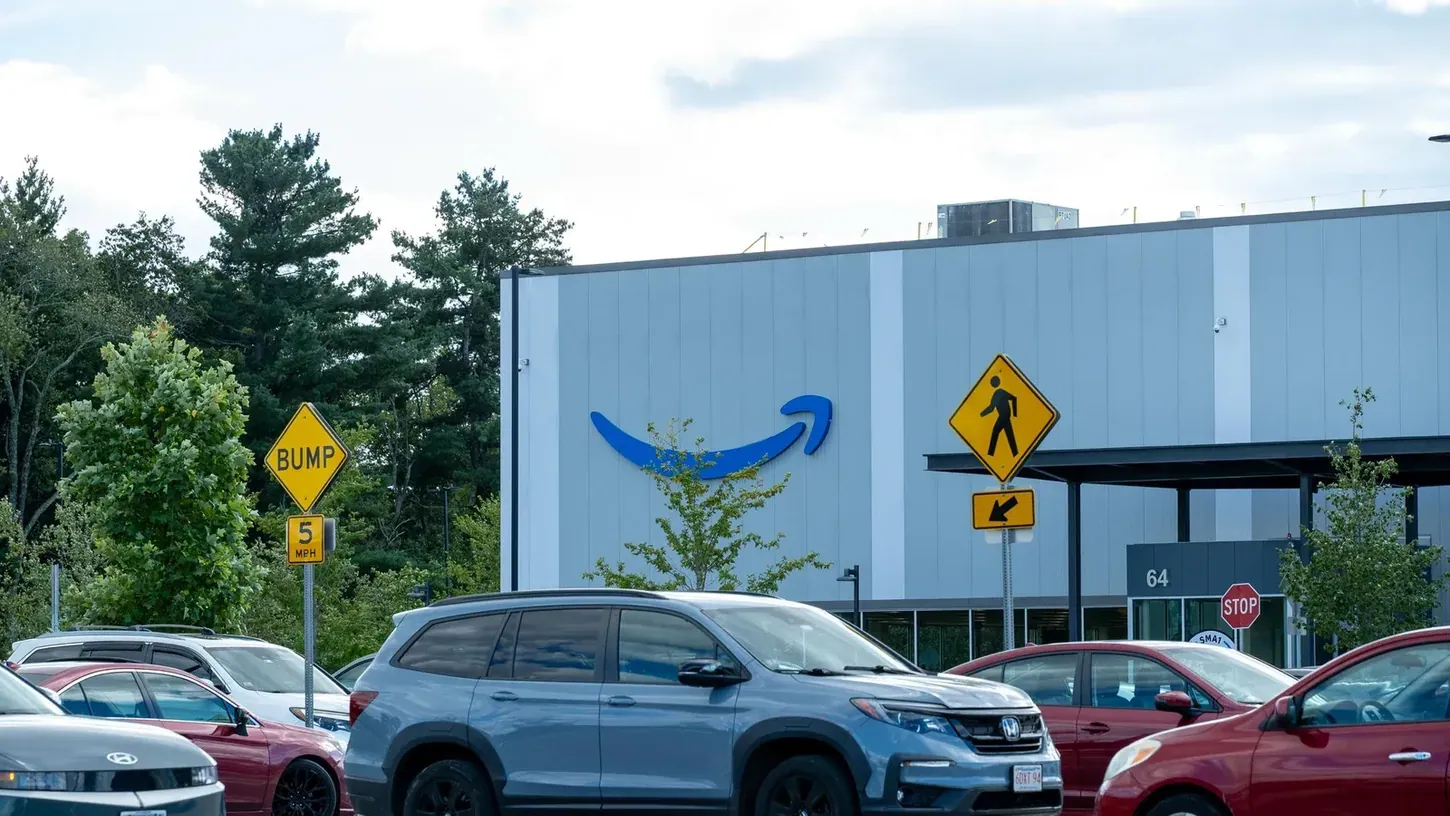
FAA · Amazon
Amazon's Westborough Drones Need Own FAA Review, Markey and Warren Say
Markey, Warren, McGovern and Trahan asked Amazon and the FAA for a Westborough-only review of the drone hub, with answers requested by Oct. 29.
Part 107, Remote ID, TRUST, waivers, and the rulemaking that shapes what every pilot in America is allowed to fly.
The Federal Aviation Administration writes the rules every American drone pilot flies under, and 2026 is the year several of them moved at once. The foundation has not changed: Part 107 is the certificate for any flight that is not purely recreational, TRUST covers the rest, and the ceiling is 400 feet above ground, or 400 feet above a structure when you are within 400 feet of it. What is changing is everything built on top of that foundation.
The rule the industry is actually waiting for is Part 108, which would turn Beyond Visual Line of Sight flight from a waiver into a routine authorization. Executive Order 14307 gave the FAA 240 days to publish it, that clock ran out on February 1, 2026, and the text has sat in White House review since July 10. DOT says the delay is deliberate, meant to avoid hard-coding today’s technology; operators say the uncertainty freezes investment. Public safety did not wait. The FAA’s expedited public safety waiver cleared more than 1,000 agencies in ten months, more than the previous seven years combined, and the agency has separately cleared drone delivery’s environmental path nationwide over the objections of 16 state attorneys general, while DoorDash earned Part 135 certification.
Two other threads decide what flying feels like day to day. The first is airspace: Section 2209, ordered by Congress in 2016 and finally proposed in May 2026, would let fixed-site facilities apply for restrictions overhead, and press organizations told the FAA the draft ignores newsgathering. The second is enforcement, which has sharpened: the DETER program shortened the road from a reported violation to a real penalty, a Colorado pilot faces federal charges over a wildfire TFR, and federal agents seized more than 600 drones at 2026 World Cup venues. We report the rulemakings, the comment deadlines, and the enforcement cases in the same place, because pilots have to live with all three. The feed below carries every FAA story as we publish it.
Last updated October 14, 2026 — the feed below updates with every new story.
Markey, Warren, McGovern and Trahan asked Amazon and the FAA for a Westborough-only review of the drone hub, with answers requested by Oct. 29.

Part 2 with Amy Wiegand: how drone service providers handle regulation they can't control, build a 30, 60, 90-day plan, and what will separate survivors.
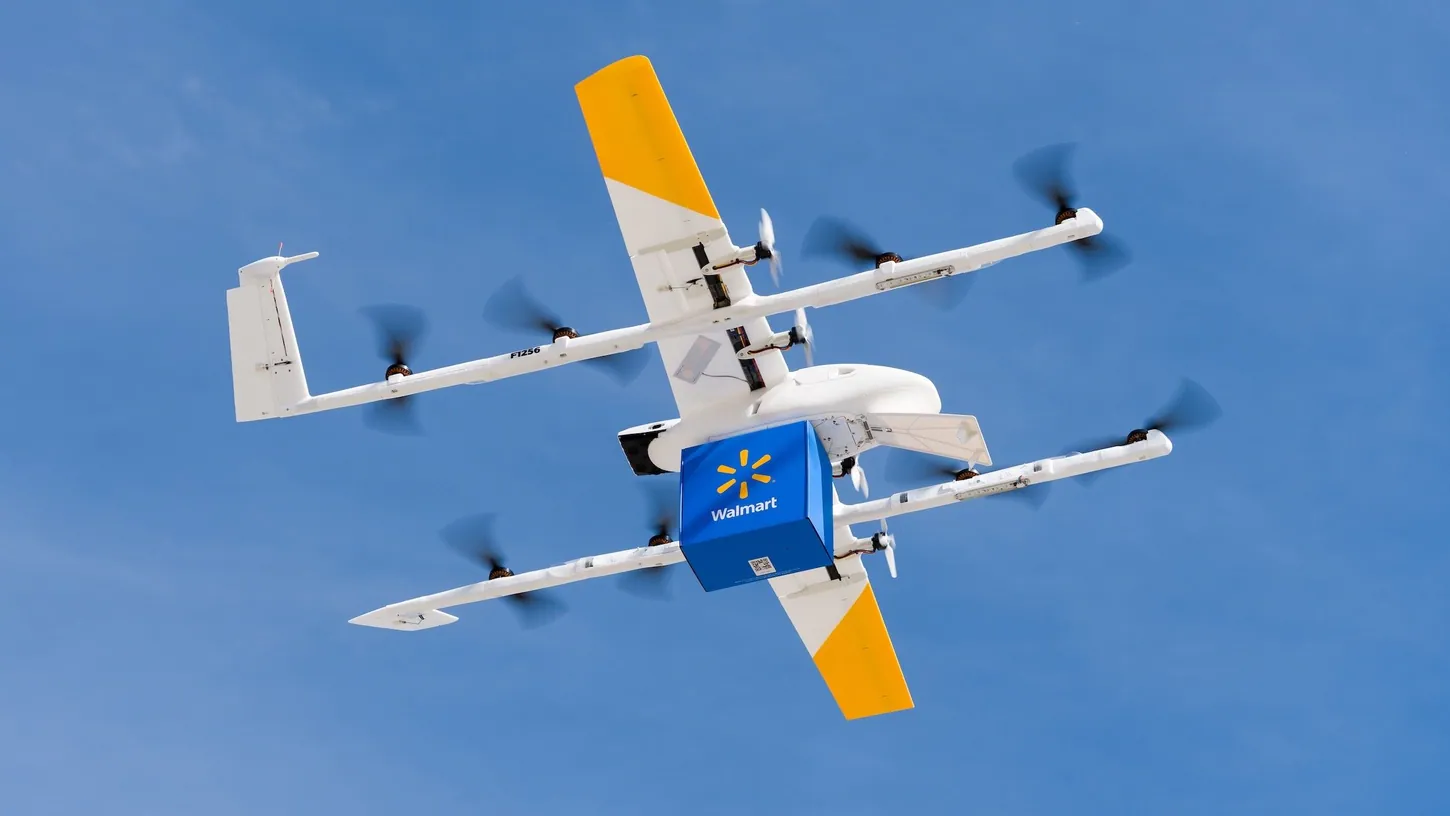
Walmart finished a drone delivery site at its Gastonia, N.C., Supercenter. Drones will fly about 6 miles out, and the FAA allows 400 a day per hub.

Twenty new DroneXL resident guides for towns facing drone delivery: who flies, who decides, what towns can still do, and eight dates before Nov. 10.

Zipline's Austin hub sits outside Round Rock city limits. The city says its zoning has no rule for drone hubs and will write one after a second opens.
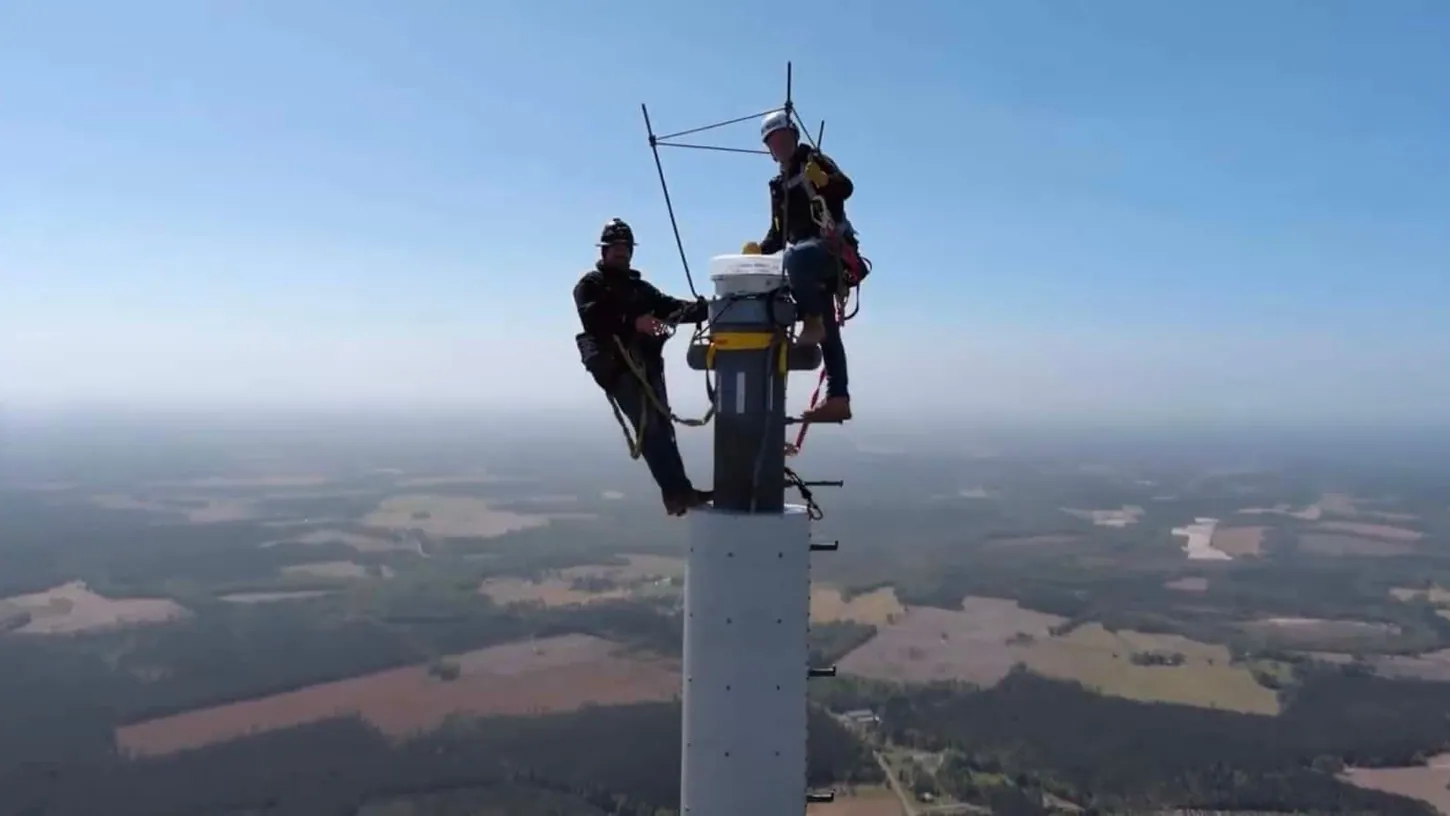
FAA Order JO 7200.23E, effective Oct. 31, exempts tower inspections from ATC coordination above the grid, writes rules for Class E airports and more.

Pujan Gajjar, 24, is indicted on four counts over alleged drone flights at Love Field and DFW. By DroneXL's reading, the certificate counts carry the time.
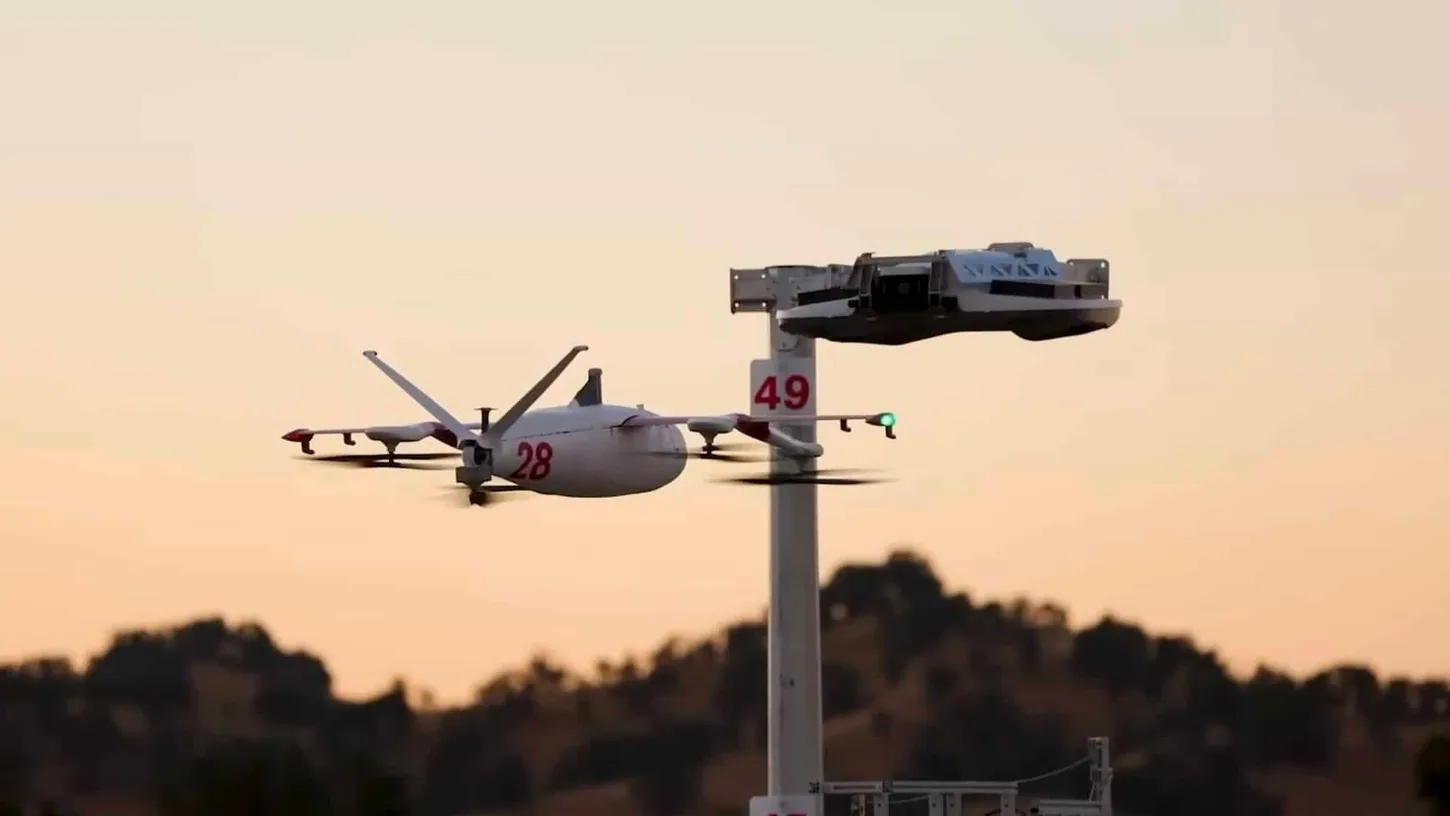
Zipline opened delivery in Round Rock on October 9 for 5,000 residents, two days before comments close on the FAA's draft review of its Austin plans.
It depends on why you are flying, not on whether you get paid. Purely recreational flight requires only the free TRUST certificate. Any flight that serves a business or professional purpose, including photographing your own listing or posting monetized video, requires the Part 107 remote pilot certificate.
400 feet above ground level is the standard Part 107 ceiling, with one important exception: within 400 feet of a structure you may fly up to 400 feet above that structure's uppermost limit. Higher flight is possible through a waiver, through the structure exception, or in specific authorized circumstances, and getting it wrong is one of the more expensive mistakes a pilot can make.
Part 108 is the FAA rule that would make Beyond Visual Line of Sight flight routine rather than something earned waiver by waiver. Executive Order 14307 gave the FAA 240 days to publish it, a deadline that expired February 1, 2026. The rule reached the White House regulations office on July 10, 2026, where review of major rules can run up to 90 days. DOT has said the delay was deliberate, to avoid writing today's technology into a decade-long rule.
Yes, for most drones that require registration, and Standard Remote ID is a condition of most BVLOS authorizations unless the FAA says otherwise in writing. It is also increasingly used the way it was designed to be: an Orange County fire agency identified rogue pilots by Remote ID during a chemical tank emergency in Garden Grove.
Section 2209 is the 2016 congressional instruction that finally became a proposed FAA rule in May 2026. It would create Unmanned Aircraft Flight Restrictions over fixed-site facilities such as critical infrastructure. It is not law, no restrictions exist under it today, and sites will have to apply individually and make their case. Press organizations and drone pilots both filed objections that the proposal is too broad.
More than it used to. The DETER program shortened the path from a reported violation to an enforcement action without changing any flight rule. Real cases follow: a Colorado pilot faces federal charges for flying into a wildfire TFR, and federal agents seized more than 600 drones around 2026 World Cup venues after months of no-drone-zone warnings.
Check controlled airspace and get LAANC authorization where required, check for temporary flight restrictions before every flight, and confirm the landowner's rules separately, because the FAA controls the airspace and not the ground. TFRs move: the 2026 World Cup produced venue restrictions where Part 107 authorizations stopped at the stadium ring.
One email with the drone news that matters — DJI, FAA, public safety, and everything in between, straight from the newsroom. No spam, no fluff.