
DJI · FIRMWARE
DJI Avata 360 Firmware Adds RC Pro 2 Support and Waypoint Missions
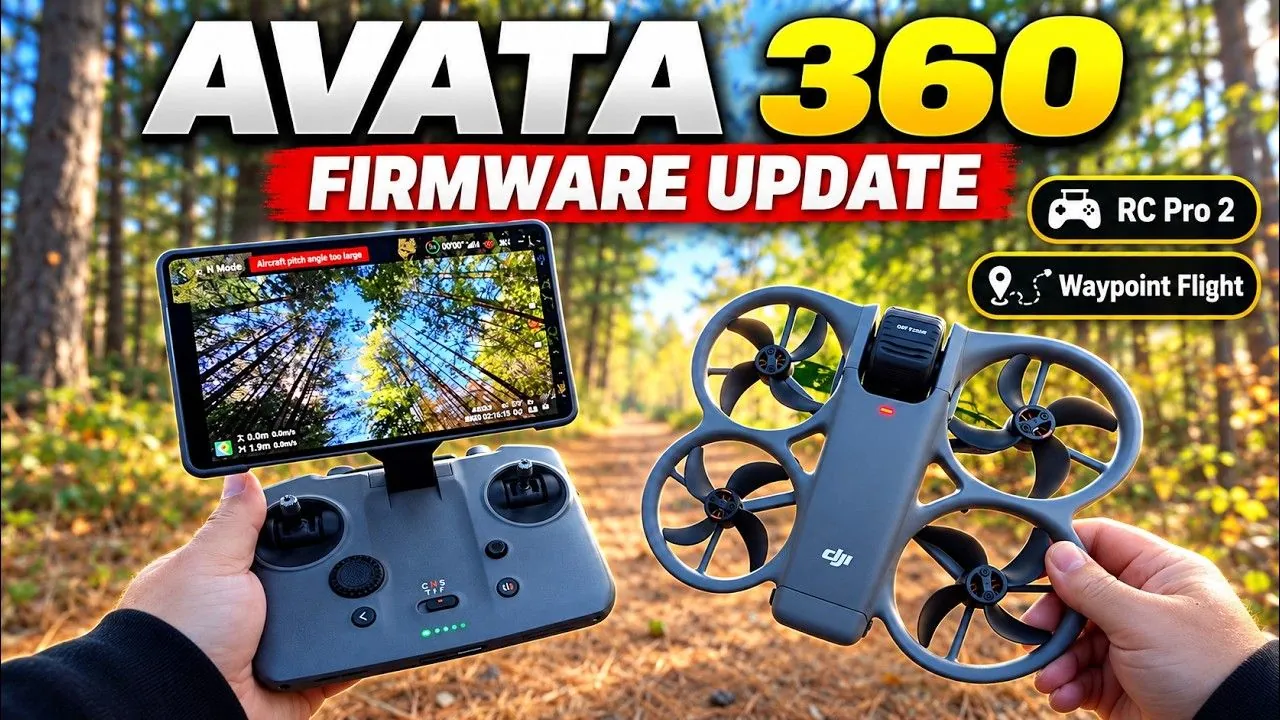
Shawn from Air Photography tests the new DJI Avata 360 firmware: RC Pro 2 support, waypoint missions, Focus Track zoom and auto-switching Vision Assist.
Every firmware drop, every FCC filing, every leak out of Shenzhen. DJI is the most-covered drone maker on DroneXL — this is the desk that watches them.
DJI is the company this site was effectively built to cover. Founded in Shenzhen in 2006 by Frank Wang, who started it in a university dorm room, it did not just win the consumer drone market, it defined what a drone is for most people; our history of drones guide places that rise in its century-long context. The scale of that win is the reason everything else on this page matters: an FAA study of Remote ID detections reported in March 2026 put DJI at 96% of US airspace, with 93.7% of the top detected platforms weighing three pounds or less and 92.6% of flights staying within half a nautical mile of the pilot. The fleet under debate is overwhelmingly small aircraft flying close to their operators.
That fleet is now being squeezed from two directions. Foreign-made drones went onto the FCC’s Covered List on December 22, 2025, restricting new authorizations, importation and marketing, after an audit that was supposed to settle the security question never happened. Then on August 13, 2026 a Section 232 proclamation added tariffs of 100% on drones over 55 pounds, thermal-equipped aircraft, docks and listed components, and 25% on nearly everything else, effective September 3. The costs land unevenly and often absurdly: 170% tariffs priced drones out of reach for 92% of Connecticut farms just as a state law encouraged their use, and police departments buy a DJI dock playbook the FCC is proposing to ban. We have also followed where the money went, including the Trump-linked drone stocks that rallied on the tariff order, and the argument that the FCC ban succeeded where tariffs failed.
For owners the picture is narrower than the headlines suggest, and for buyers it is stranger. Nothing stops you flying a drone you already have, and firmware and security updates are protected until at least January 2029. What has changed is that DJI now launches hardware Americans cannot buy: the company said the Lito X1 will never ship to America, the Mic Mini 2S skipped the US, and the Osmo Pocket 4P launched at Cannes with US availability withheld. Meanwhile the products keep coming, from the Mavic 4 Pro we have flown for nine months to the FlyCart 200 hauling 200kg payloads and the Matrice 4D flying compliant BVLOS in Europe, where none of this applies. If you are buying for an agency or a contract that requires compliant hardware, our guide to what NDAA compliance actually requires covers which statute binds whom. If you are simply picking your next aircraft, our best DJI drone guide compares the current lineup and our deals page tracks the documented price floors. The feed below carries every DJI story as we publish it, and the product directory beneath it opens the archive for each model.
Last updated October 21, 2026 — the feed below updates with every new story.
Shawn from Air Photography tests the new DJI Avata 360 firmware: RC Pro 2 support, waypoint missions, Focus Track zoom and auto-switching Vision Assist.
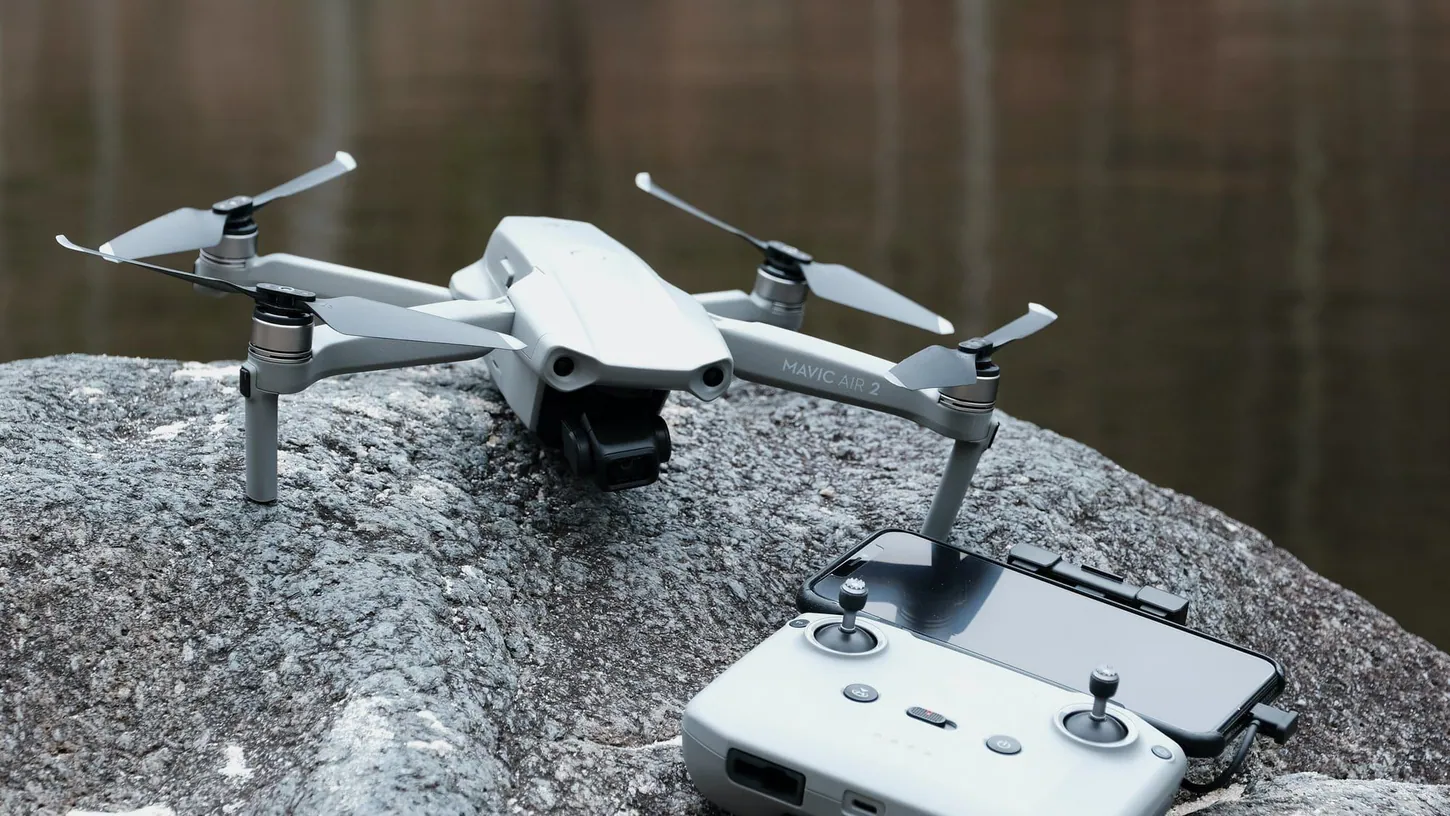
DJI's Oct. 20 firmware moves the Mavic Air 2 to v01.01.18.00 and the Air 2S to v02.04.28.00, their first updates since 2023 and 2024.
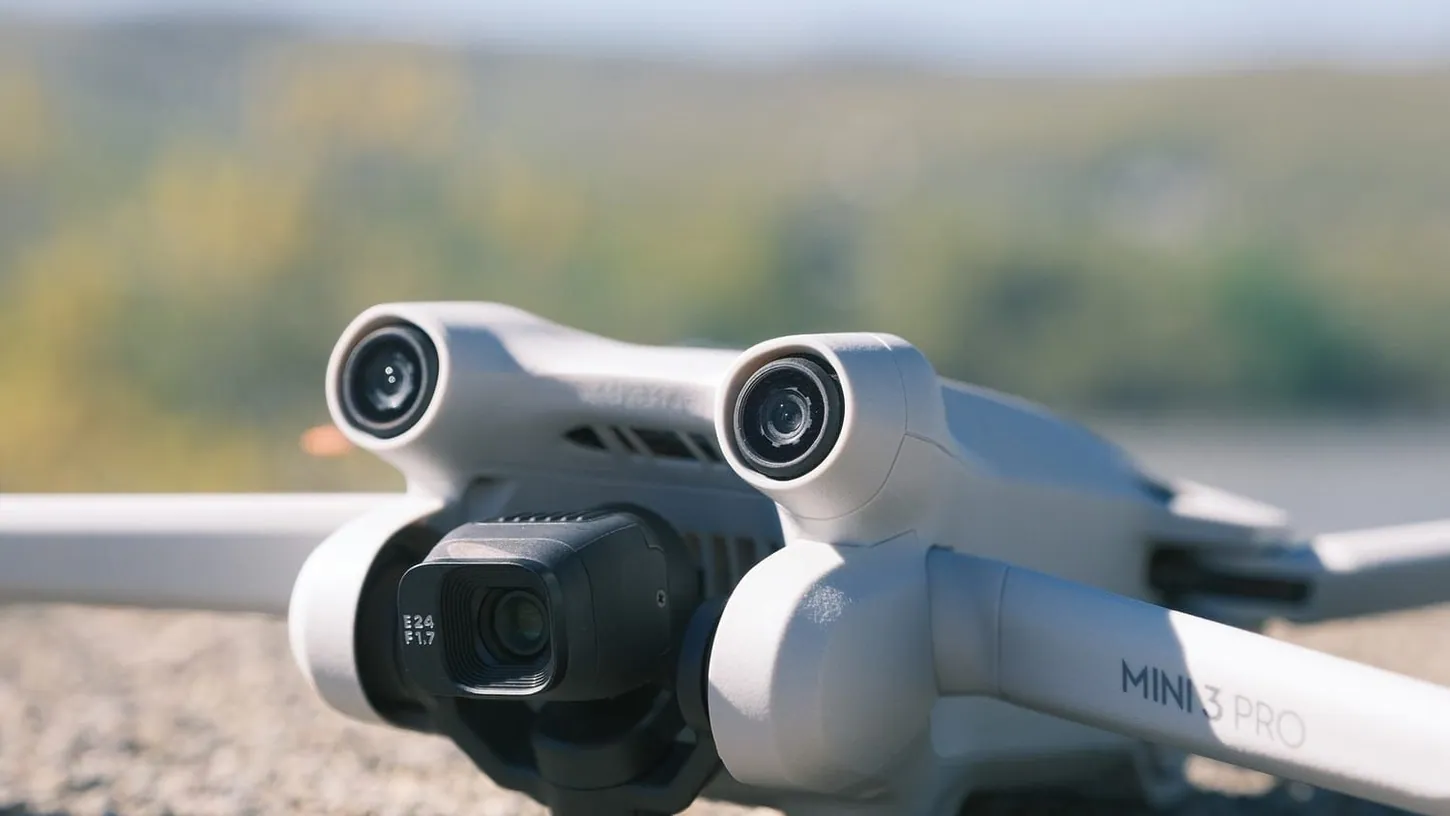
DJI Mini 3 Pro firmware v01.00.1000 is its first since July 2024 and only fixes 'known issues.' Its last new feature shipped in April 2023.
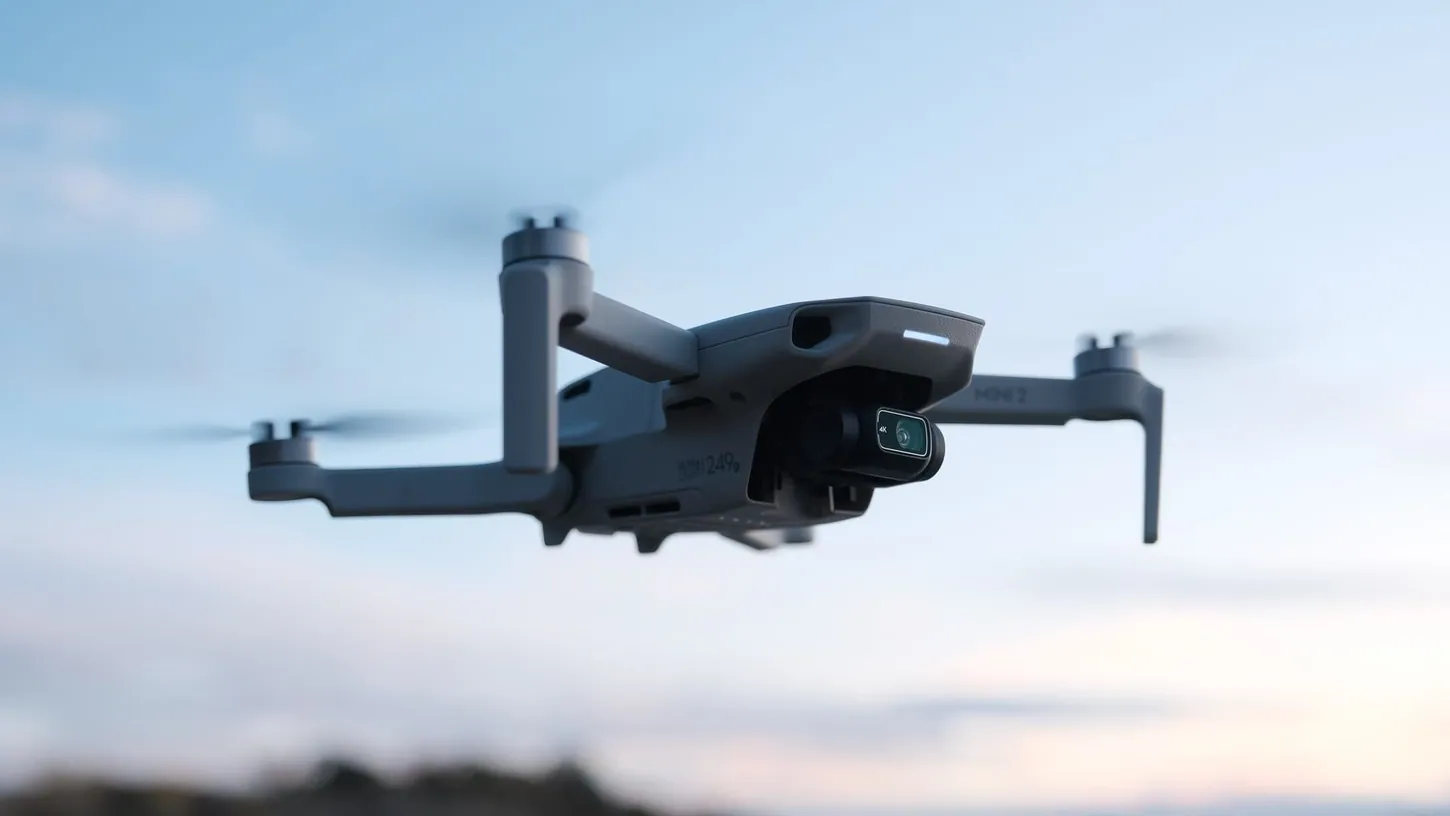
DJI shipped Mini 2 firmware v01.07.0300 on October 20, its first since March 2023. An FCC waiver lets US owners get it, and lasts until at least 2029.
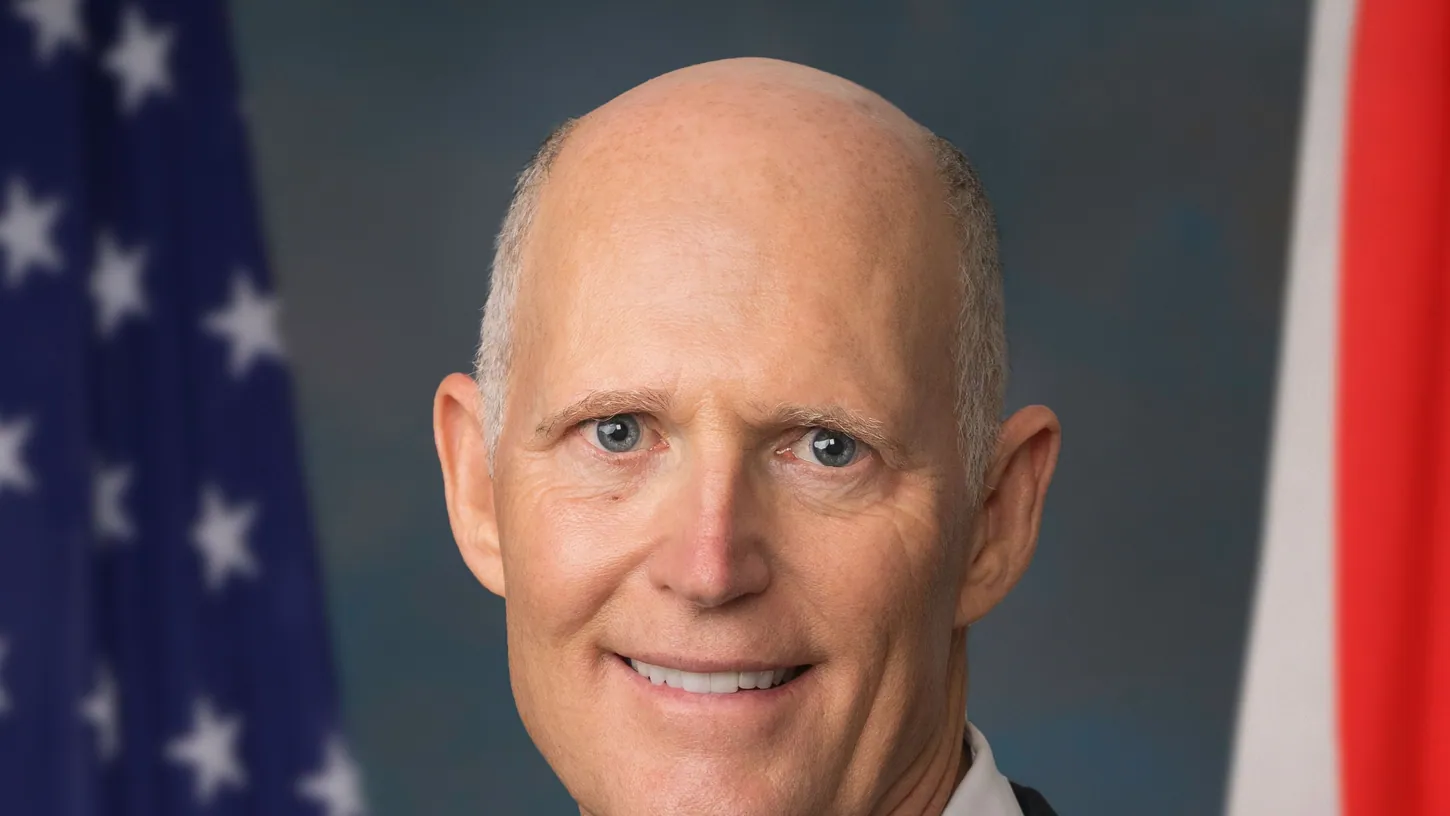
Sen. Rick Scott wants DJI and Autel kept on the FCC Covered List. Florida's own ban idled an estimated $200 million in agency drones.
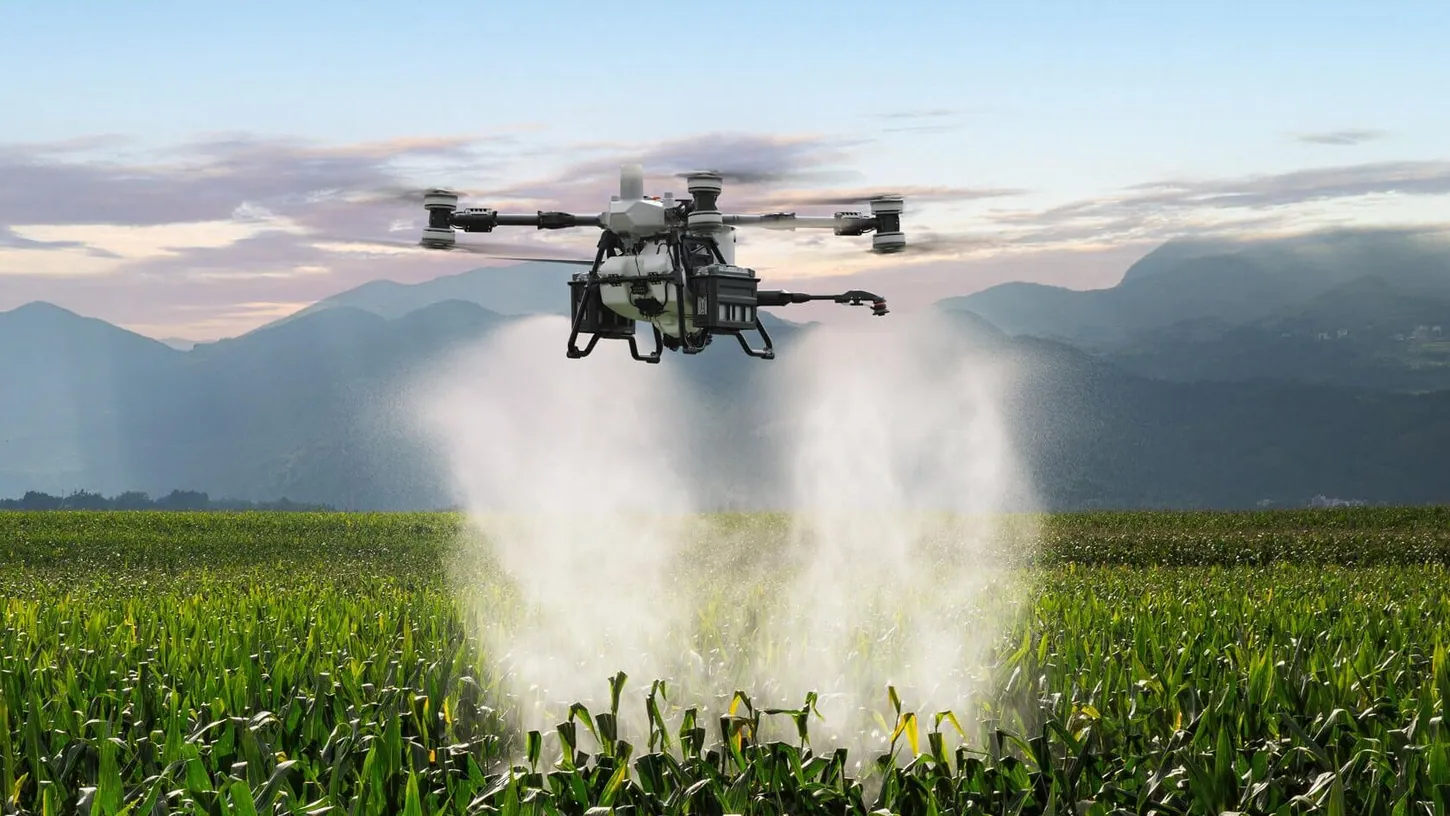
ASDC says US spray drone sales fell 59% in 2025 after CBP held DJI shipments, and asks the FCC to keep Part 137 sprayers out of its proposed ban.
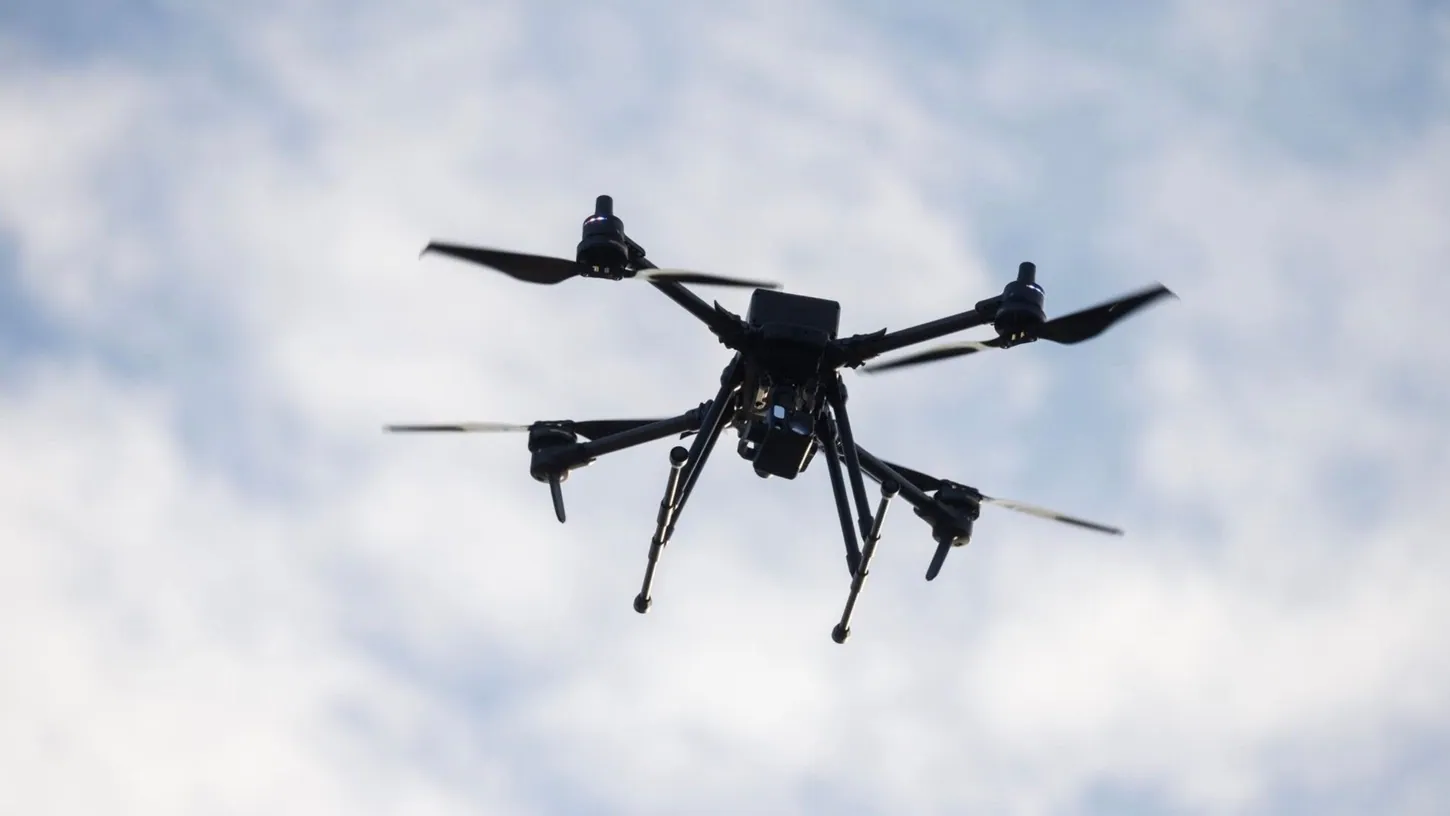
Belgium's state drone pilot course turned 10 at PLOT in Genk, where DJI Dock 4 got a live demo two days after launch. US rescuers can't buy it.
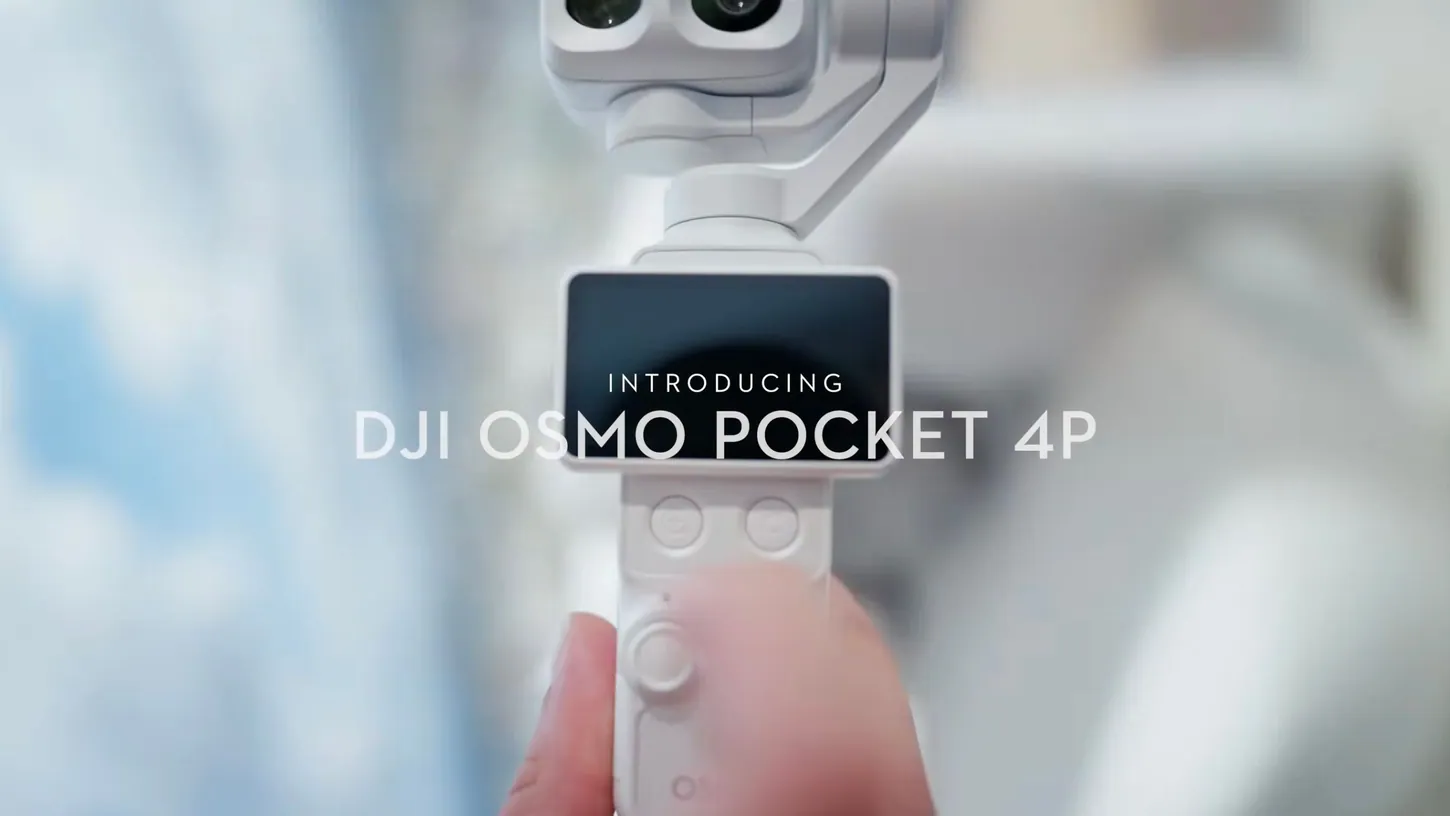
DJI's Pearl White Pocket 4P is on sale at £529. Its launch video's fine print names ActiveTrack 9.0 and 18x zoom. DJI's press release says 8.0 and 12x.
There is no law making it illegal to own or fly a DJI drone. What happened is that foreign-made drones went onto the FCC's Covered List on December 22, 2025, which restricts new equipment authorizations, importation and marketing. The effect arrives as products vanishing from shelves and parts becoming hard to find, not as enforcement against pilots.
Existing stock and already-authorized models still sell, but the supply is tightening from two directions at once. The Covered List blocks new authorizations, and a Section 232 proclamation signed August 13, 2026 adds tariffs of 100% on drones over 55 pounds, thermal-equipped aircraft, docking stations and listed components, with 25% on nearly everything else, effective September 3, 2026. Prices and availability move constantly, which is why we track deals as news.
No. It keeps flying, and firmware and security updates are protected until at least January 1, 2029 under FCC Public Notice DA 26-454, which covers aircraft authorized before their Covered List date. The agency effectively conceded that cutting off patches to millions of deployed drones would be worse for security than the risk it was addressing. The real medium-term risk for owners is parts, batteries and repair, not a remote kill switch.
Because a product that cannot clear FCC authorization cannot be marketed here, so DJI has started launching without the US entirely. The company said the Lito X1 will never ship to America, the Mic Mini 2S was announced without a US launch, and the Osmo Pocket 4P debuted at Cannes with US availability conspicuously absent from the press release. Americans increasingly read about DJI hardware they cannot buy.
An FAA study of Remote ID detections reported in March 2026 put DJI at 96% of US airspace. That number is the reason the ban debate is so consequential: the same data showed 93.7% of the top detected platforms weigh three pounds or less and 92.6% of flights stayed within half a nautical mile of the pilot, meaning the fleet being restricted is overwhelmingly small aircraft flying close to their operators.
No published audit has found that in the aircraft. A 2026 US security audit by OnDefend of the Air 3S and Matrice 4E reported no backdoors and no unauthorized foreign data transmission. The audit that was supposed to settle the question at a federal level never happened: the 2025 NDAA gave a national security agency a year to examine DJI's equipment or see it listed by default, no agency took it on, and the default consequence followed.
For most people the Mini 5 Pro is the answer, because it stays under 250 grams and carries a camera good enough for paid work. The Mavic 4 Pro is the flagship for anyone who needs the larger sensor and range. Neo and Flip serve the beginner and self-flying market, Avata 2 and Avata 360 cover FPV, and the Lito X1 undercuts the Mini on price where it is sold. Check current availability before you commit, because the lineup and the tariff picture move month to month.
Firmware drops, FCC filings, leaks, rumors — the DJI desk is the busiest one in the DroneXL newsroom.